
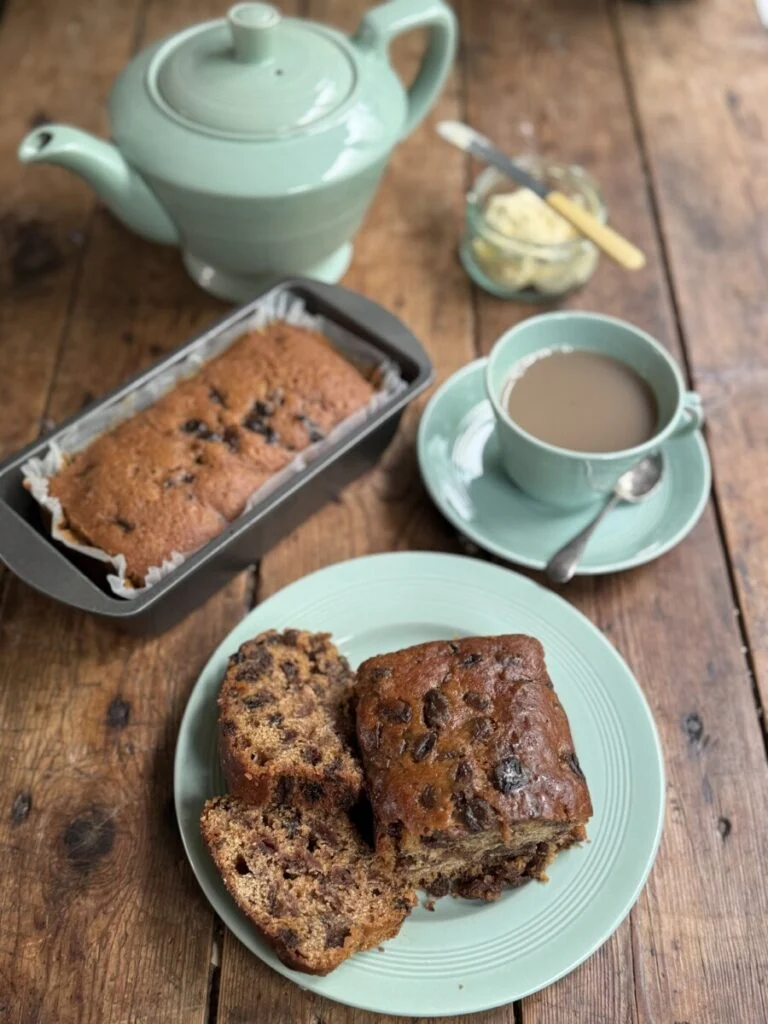
Published on July 8, 2026, by acclaimed food writer Karen Burns-Booth, the recipe for Dublin Teacake (Fruit Tea Loaf) has garnered significant attention, highlighting its enduring appeal as a quintessential British and Irish baked good. This particular rendition, characterized as a delicious and easy-to-make Brack-style tea loaf, distinguishes itself by being fat-free and enriched with mixed fruit and strong Yorkshire Tea, making it a versatile staple suitable for a wide array of occasions, from traditional cricket teas to casual elevenses and elegant afternoon tea gatherings.

The Enduring Appeal and Heritage of the Dublin Teacake

The Dublin Teacake, despite its name suggesting an Irish origin, has found a cherished place in the culinary landscape of North Yorkshire, notably at the Sessay Cricket Club. Its classification as a "Brack-style" loaf immediately connects it to the rich tradition of Irish Barmbrack, a yeasted or soda bread fruitloaf often associated with Halloween and communal gatherings. While Barmbrack typically contains dried fruit and is served buttered, the Dublin Teacake, as presented by Burns-Booth, appears to be a lighter, fat-free adaptation, possibly reflecting an evolution or regional interpretation that prioritizes moisture from the tea and fruit rather than added fats. This "no fat" characteristic is particularly noteworthy, echoing historical baking practices, especially during periods of rationing or economic austerity when fats were scarce. Such recipes offered a way to create satisfying, flavourful treats using readily available ingredients like dried fruit and strong brewed tea.

The choice of "strong tea," specifically Yorkshire Tea in this instance, is not merely incidental. Tea plays a crucial role beyond flavouring; it serves to plump up the dried fruit, ensuring a moist and tender crumb in the absence of butter or other fats. This technique is a hallmark of many traditional tea loaf recipes, where the fruit is often steeped overnight in hot tea, allowing it to absorb liquid and soften, contributing significantly to the loaf’s texture and natural sweetness. Yorkshire Tea, renowned for its robust flavour, is an ideal choice, lending a distinctive, comforting depth to the overall profile of the teacake. The fusion of these elements—a fruit-laden, fat-free loaf steeped in strong tea—results in a wholesome yet indulgent treat that aligns with both historical culinary wisdom and contemporary preferences for lighter options.

A Pillar of the Cricket Tea Tradition

The strong association of the Dublin Teacake with cricket teas, particularly at Sessay Cricket Club in North Yorkshire, underscores its cultural significance. Cricket teas are an integral part of the sport’s tradition in England, offering a much-anticipated break during matches where players and spectators alike can refuel and socialize. These teas are typically elaborate affairs, featuring a spread of sandwiches, savoury pastries, and, crucially, a variety of homemade cakes and loaves. The Dublin Teacake’s ease of preparation, generous yield (two loaves, serving 16), and excellent keeping qualities make it an ideal candidate for such events, where large quantities of delicious, transportable food are often required.

Yorkshire Tea’s proactive engagement with English Cricket further solidifies this connection. The brand has a history of sponsoring the sport, recognizing the deep cultural ties between tea, baking, and community events like cricket matches. In the past, Yorkshire Tea championed "The Great Cricket Tea Challenge," an initiative designed to celebrate and identify the best bakes, scrummiest sandwiches, and most impressive "show-stopping tea break bites" within the cricket community. This competition not only fostered a sense of camaraderie but also highlighted the culinary creativity found in local cricket clubs across the country.

Currently, in collaboration with Yorkshire Cricket and "Brews on the Boundary," Yorkshire Tea is hosting a competition to find "the tastiest cricket club teas" in Yorkshire. This ongoing initiative, as of July 2026, reinforces the brand’s commitment to supporting local cricket and celebrating the culinary contributions that enhance the match-day experience. A spokesperson for Yorkshire Tea, commenting on these initiatives, might state, "Our involvement with English Cricket, particularly through competitions like ‘The Great Cricket Tea Challenge’ and our current search for Yorkshire’s tastiest cricket club teas, stems from our belief in the power of community and tradition. A good cup of tea and a slice of homemade cake are fundamental to the cricket experience, bringing people together and creating lasting memories. Recipes like the Dublin Teacake perfectly embody the spirit of these gatherings." Officials from Sessay Cricket Club would likely express pride in their tea offerings, acknowledging the Dublin Teacake as a beloved fixture that consistently receives high praise from players and visitors alike, reinforcing their club’s reputation for hospitality.

Culinary Versatility and Practicality for the Modern Home

Beyond the cricket pitch, the Dublin Teacake’s versatility makes it an indispensable addition to any home baker’s repertoire. Karen Burns-Booth emphasizes its suitability for "Supper, Elevenses and Afternoon Tea," covering a broad spectrum of meal and snack times. "Elevenses," a cherished British tradition, refers to a mid-morning snack, perfectly complemented by a slice of fruit loaf and a cup of tea. Afternoon tea, a more formal affair, welcomes such a loaf alongside scones, sandwiches, and other pastries. For supper, particularly a lighter evening meal, or even as a wholesome component of a school or office lunchbox, the Dublin Teacake provides sustained energy and satisfying flavour.

The recipe’s practicality is another key selling point. With just six core ingredients and the option of adding glacé cherries for an extra flourish—a nod to scoring a "six" in cricket, as Burns-Booth playfully suggests—it is accessible to bakers of all skill levels. The instruction to bake two loaves in 7-inch (17.5cm) or 1lb (450g) tins is highly efficient, allowing for one loaf to be enjoyed immediately and the other to be stored. The loaf keeps exceptionally well in a cake tin for up to a week, retaining its freshness and moisture, a significant advantage for busy households. Furthermore, its ability to freeze well, when wrapped in baking parchment and tinfoil, extends its longevity, enabling bakers to prepare in advance and enjoy homemade goodness at their convenience. This makes it an economical and time-saving option, appealing to both traditionalists and those seeking efficient meal preparation.

Nutritional Profile and Serving Suggestions

The provided nutritional information underscores the Dublin Teacake’s appeal as a relatively wholesome treat. Each serving (one of sixteen) contains approximately 176 calories, 1g total fat (with 0g saturated fat), 10mg cholesterol, 10mg sodium, 42g carbohydrates (including 2g fiber and 35g sugar), and 3g protein. The fat-free nature of the recipe is a significant highlight, appealing to those mindful of their fat intake. While the sugar content is notable, typical for fruit-laden loaves, the presence of natural sugars from the dried fruit contributes to this figure. Overall, it presents as a more health-conscious alternative to many richer cakes, providing a good source of carbohydrates for energy, particularly beneficial for active individuals like cricketers or those undertaking long walks, as the author mentions.

Karen Burns-Booth served her Dublin Teacake as part of a "simple Sunday Tea Tray," offering it with the traditional option of butter, or more adventurously, with jam, honey, cheese, and apple. This versatility in serving suggestions further enhances its appeal. A classic slice, lightly buttered, offers simple comfort. Paired with sharp cheese and crisp apple slices, it transforms into a more sophisticated offering, balancing sweetness with savoury notes, a pairing often enjoyed with fruit breads. On her Sunday Tea Tray, it was presented alongside other wholesome elements like toast, boiled eggs, and strawberries, creating a balanced and inviting spread that caters to varied tastes and preferences, embodying the spirit of a leisurely and nourishing weekend meal.

Broader Culinary Impact and Future Outlook

The resurgence of interest in traditional recipes like the Dublin Teacake, championed by food blogs such as Lavender and Lovage, reflects a broader culinary trend. In an era dominated by quick meals and convenience foods, there is a growing appreciation for homemade items that evoke nostalgia, comfort, and a connection to culinary heritage. Recipes that are simple, use readily available ingredients, and deliver satisfying results are particularly valued. The Dublin Teacake, with its straightforward method and robust flavour, fits this niche perfectly.

Food historians and cultural commentators often note that traditional recipes serve as edible links to the past, preserving culinary techniques and flavour profiles across generations. The Dublin Teacake, with its roots potentially in Irish Barmbrack and its adoption into English cricket culture, exemplifies this cross-cultural culinary exchange. Its ability to adapt to different occasions—from a formal afternoon tea to a casual lunchbox filler—ensures its continued relevance in modern society. The emphasis on natural ingredients, coupled with the "no fat" aspect, also aligns with contemporary desires for healthier eating without compromising on taste or tradition.

As digital platforms continue to democratize recipe sharing, the Dublin Teacake (Fruit Tea Loaf) is well-positioned to reach an even wider audience. Its simplicity and deliciousness make it an ideal candidate for viral appeal within baking communities. Furthermore, the ongoing competitive initiatives by brands like Yorkshire Tea ensure that the tradition of cricket teas, and the beloved bakes that accompany them, remain vibrant and celebrated. The Dublin Teacake stands not just as a recipe, but as a symbol of community, tradition, and the enduring pleasure of sharing good food. Karen Burns-Booth’s sharing of this recipe reinforces its status as a timeless classic, ready to be enjoyed by many more for years to come.
