
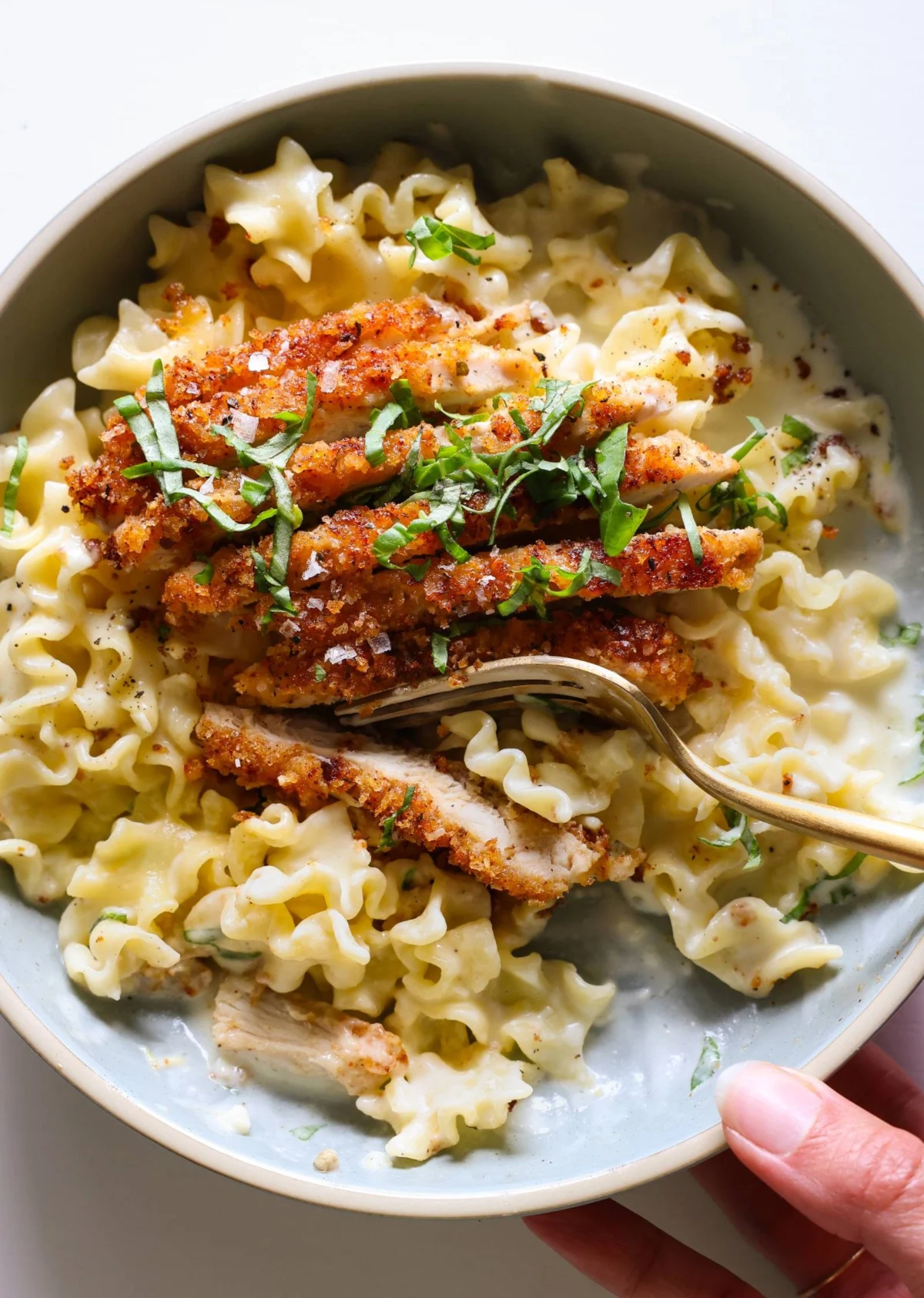
The Evolution of the Crispy Chicken Paradigm
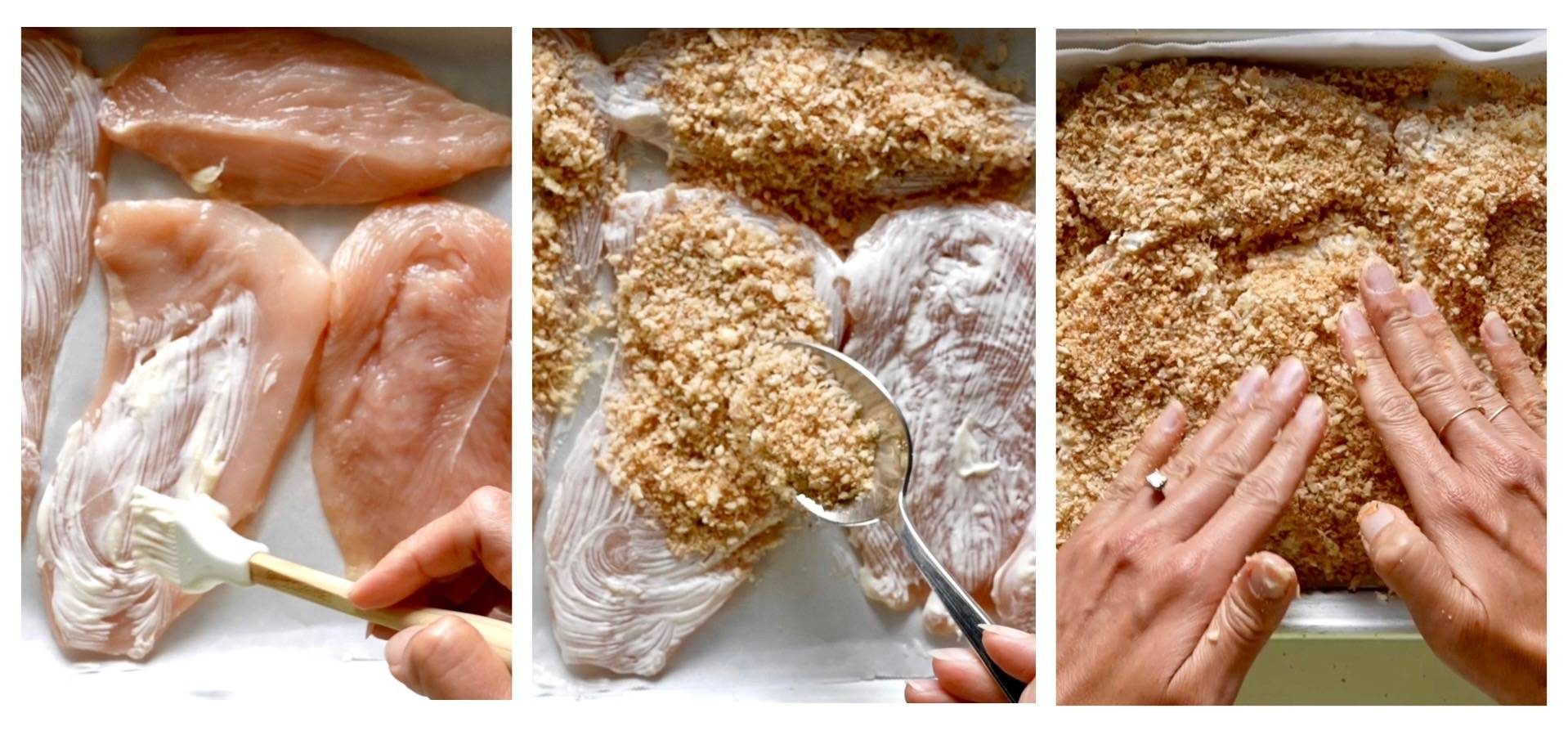
The methodology behind the Crispy Parmesan Chicken with Creamy Lemon Pasta deviates from traditional breading techniques, which typically involve a multi-step process of flour, egg wash, and breadcrumbs. In this iteration, the use of a mayonnaise-based coating functions as a moisture-locking mechanism. Culinary science suggests that the high oil and egg yolk content in mayonnaise provides a superior adhesive surface for grated cheese and breadcrumbs, preventing the dehydration of chicken cutlets during the high-heat baking process.
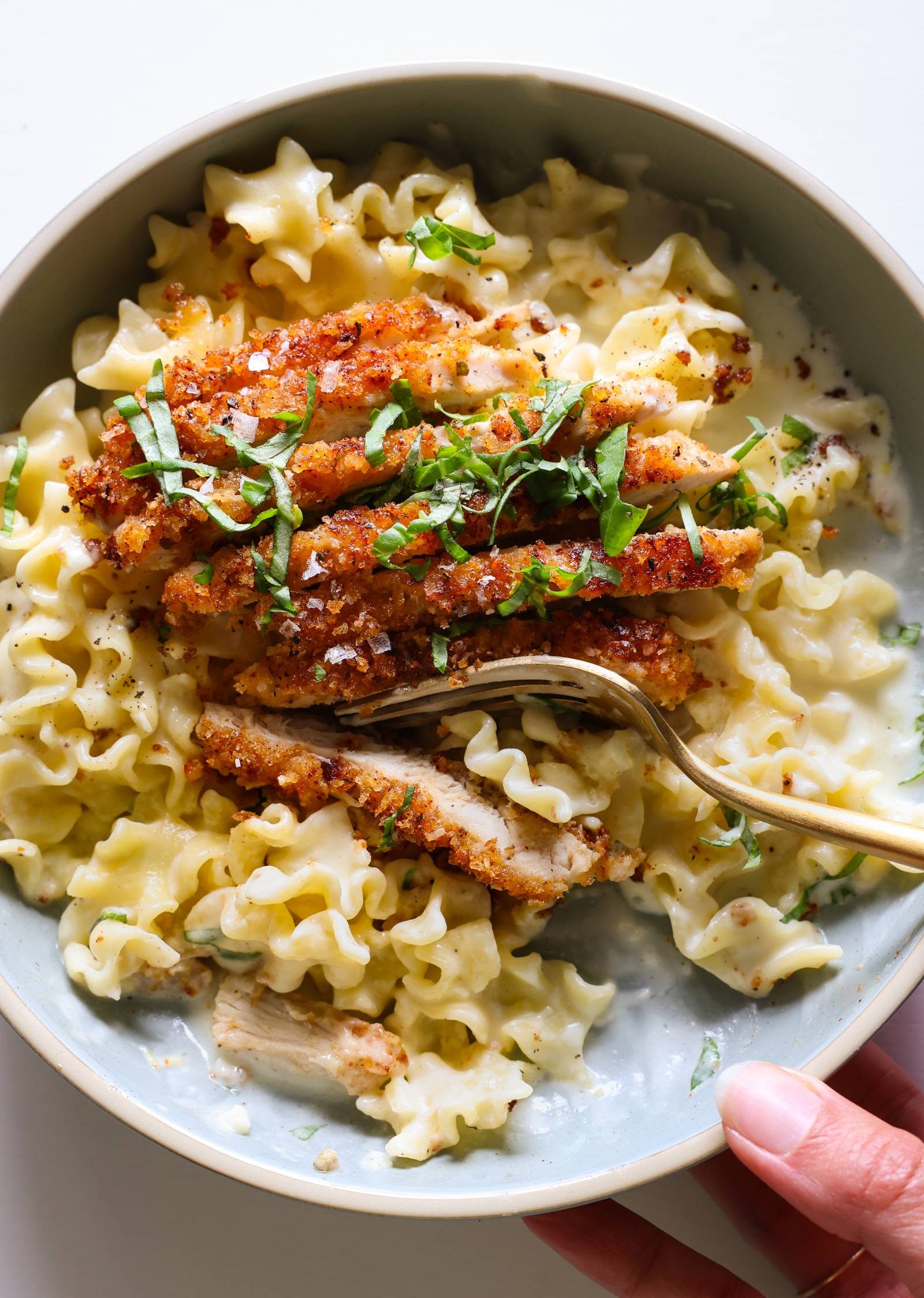
This shift reflects a broader trend in domestic food production, where efficiency—often described as "low lift, high reward"—has become the dominant metric for success. By eliminating the need for shallow frying, home cooks can achieve a uniform, golden-brown exterior while maintaining the integrity of the protein. The pairing of this protein with a creamy, lemon-infused pasta serves to balance the high salt and umami content of the Parmesan crust with the acidity and brightness of citrus, creating a well-rounded nutritional profile that resonates with broad demographics.
Culinary Methodology and Preparation Timeline
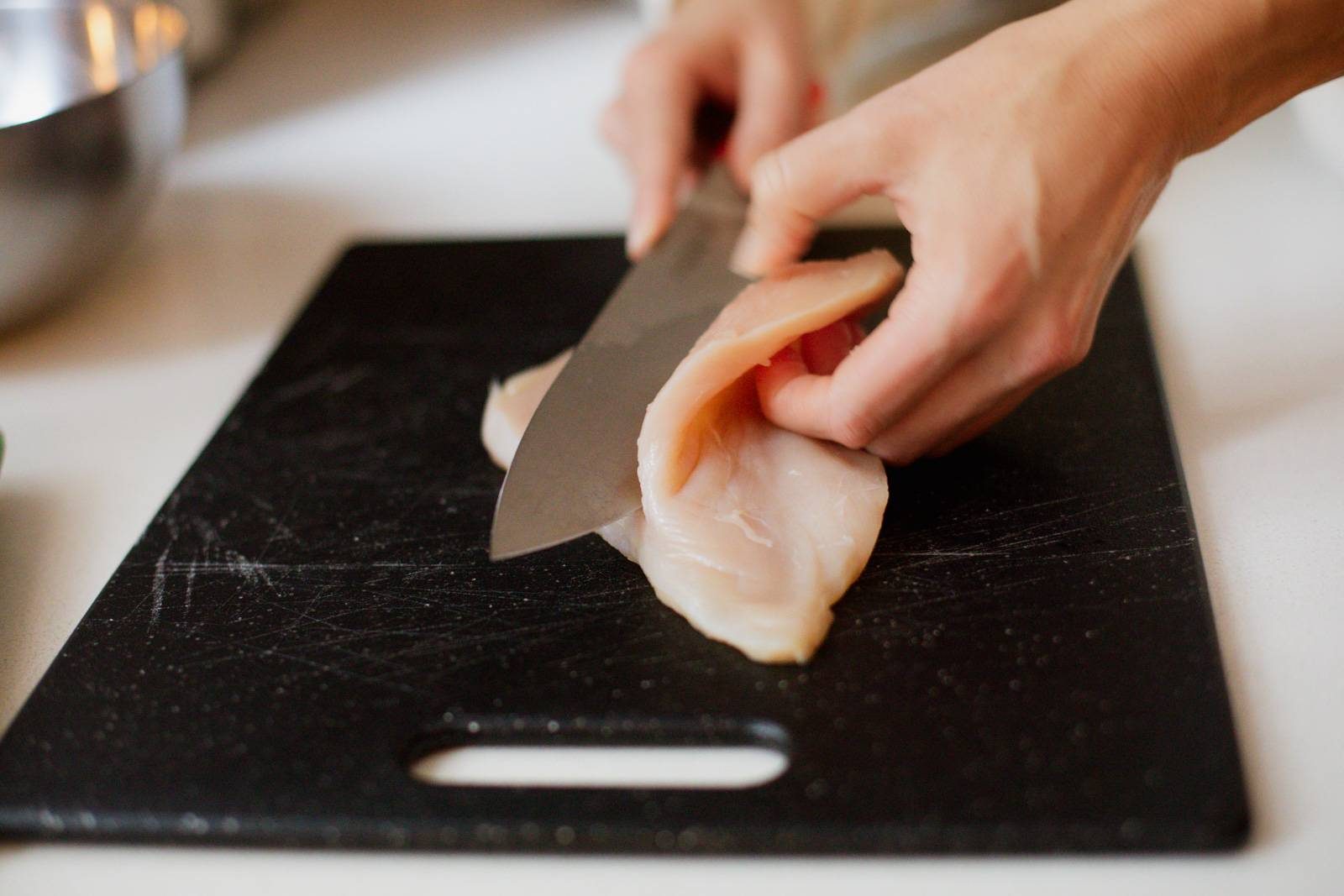
The preparation of this dish is characterized by its adherence to streamlined kitchen operations. The process begins with the preparation of the protein, which involves brushing the chicken cutlets with a thin, uniform layer of mayonnaise. This step is critical; it ensures that the subsequent layer of Parmesan and breadcrumbs adheres evenly across the entire surface area.

Following the application of the coating, the chicken is placed directly onto a sheet pan. This minimizes cleanup—a significant factor in the popularity of sheet-pan cooking—and ensures that the ambient heat of the oven crisps the cheese-crumb mixture without the need for additional fats or flipping. Simultaneously, the preparation of the pasta follows a rapid timeline: boiling the pasta, creating an emulsion of cream, lemon juice, and zest, and integrating the components.
The timeline for a standard execution of this meal is approximately 30 to 40 minutes:

- 0–10 minutes: Preparation of the breading mixture and coating of the chicken.
- 10–25 minutes: Baking phase at high heat (typically 400°F–425°F) to ensure crust development.
- 15–25 minutes: Concurrent preparation of the lemon-cream sauce and boiling of the pasta.
- 25–30 minutes: Final assembly, garnishing with fresh herbs, and serving.
Nutritional Analysis and Flavor Profiling
From a nutritional perspective, the combination of chicken and pasta offers a balanced ratio of lean protein and carbohydrates. The inclusion of Parmesan, a cheese rich in glutamates, enhances the umami profile of the chicken, which explains the high satisfaction rates among diverse palates. The acidity provided by the lemon zest and juice in the pasta sauce serves a functional purpose beyond flavor; it cuts through the density of the cream and the lipids in the chicken coating, preventing palate fatigue.
Data from food consumption surveys indicate that dishes combining "crispy" and "creamy" textures consistently rank higher in consumer preference tests. This is attributed to the "sensory contrast" effect, where the juxtaposition of crunchy, baked textures against smooth, velvety sauces creates a more stimulating eating experience. The versatility of this dish also allows for the integration of green vegetables, such as green beans or arugula, which balances the macronutrient profile and provides necessary fiber.
Sociological Implications of Modern Home Cooking
The rise of recipes like the Crispy Parmesan Chicken with Creamy Lemon Pasta highlights a pivot in domestic life. As households grapple with limited time, there is a clear demand for culinary techniques that do not sacrifice quality for speed. This dish serves as an example of "accessible gastronomy," where restaurant-quality textures and flavor profiles are replicated within a home environment using accessible, shelf-stable ingredients.
The phenomenon of the "picky eater," a common challenge in family dynamics, often influences these cooking trends. The success of this dish among younger demographics suggests that the combination of familiar, mild-flavored chicken and creamy pasta acts as a gateway for introducing more complex elements, such as the acidity of lemon or the distinct saltiness of aged Parmesan. This alignment between family-friendly appeal and culinary sophistication is essential for the longevity of any home-prepared meal.
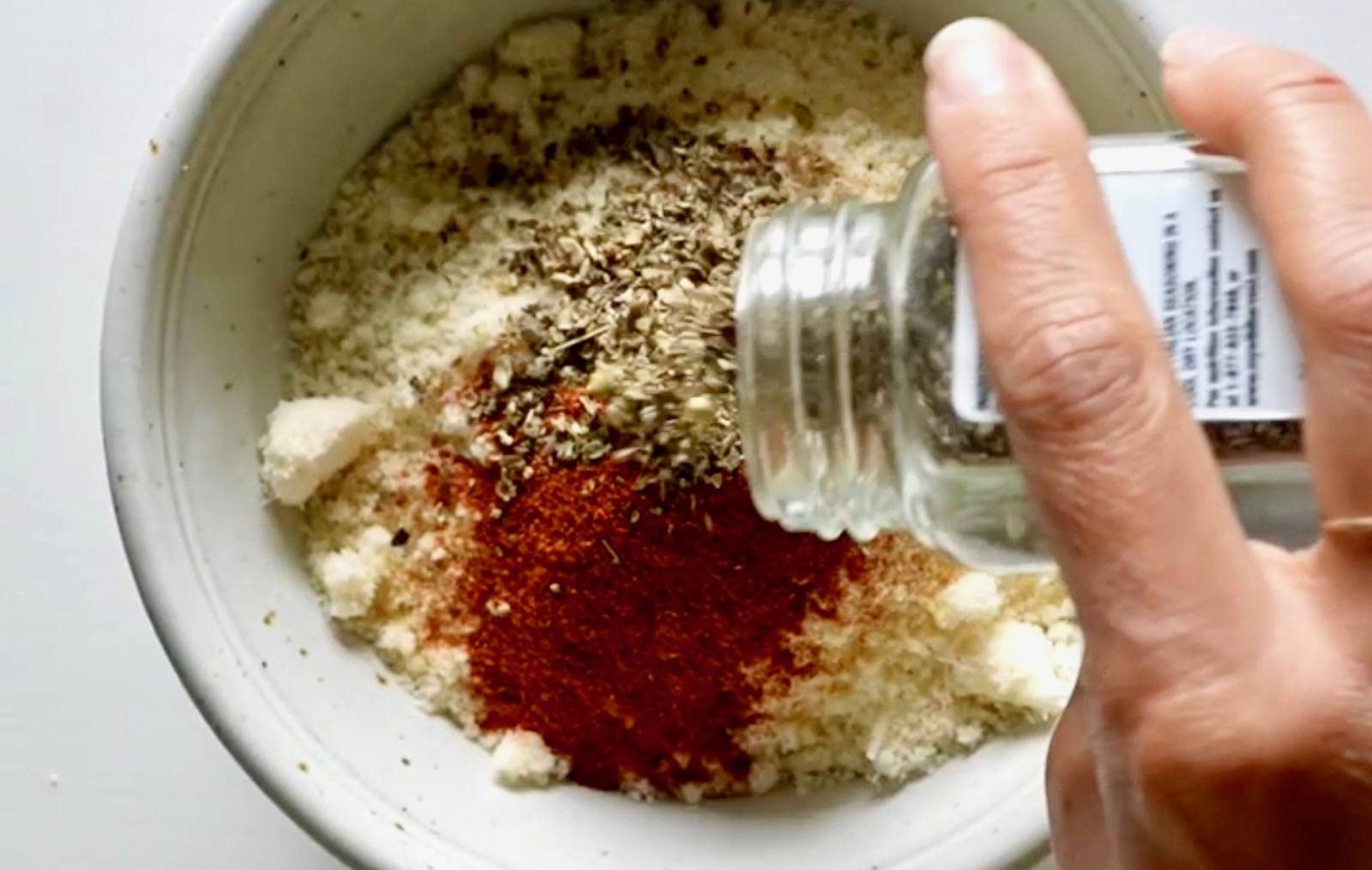
Industry Trends and Future Projections
The digital documentation of this recipe—often featuring high-quality video tutorials and social media engagement—illustrates how culinary knowledge is disseminated in the 21st century. Unlike traditional cookbooks, which provided static instructions, modern digital recipes are living documents that evolve through user feedback and adaptation.
The emphasis on "sheet pan" meals is expected to continue as a primary driver of the kitchen appliance market, with manufacturers focusing on ovens that offer consistent heat distribution to facilitate these types of recipes. Furthermore, the trend toward "low-waste" cooking, where ingredients like lemon zest and fresh herbs are utilized fully, aligns with growing environmental concerns regarding food waste in the home.
Conclusion
The Crispy Parmesan Chicken with Creamy Lemon Pasta stands as more than a simple recipe; it is a manifestation of the current priorities in home cooking: efficiency, sensory satisfaction, and family accessibility. By leveraging the science of emulsions and the efficiency of sheet-pan cooking, the dish provides a solution to the perennial question of what to prepare for dinner.
As food trends continue to evolve, the principles exemplified by this meal—the careful balance of acidity, fat, salt, and texture—will remain foundational. The popularity of such dishes underscores a broader shift in consumer behavior, where the home kitchen is increasingly viewed as a space for high-functioning, low-stress culinary production. Whether through the innovative use of ingredients like mayonnaise to elevate a basic crust or the strategic pairing of heavy and light flavors, this dish serves as a benchmark for contemporary comfort food. As home cooks continue to seek ways to maximize their time without compromising on the quality of their family meals, recipes that offer this level of technical and sensory balance are likely to remain central to the modern domestic diet.
