
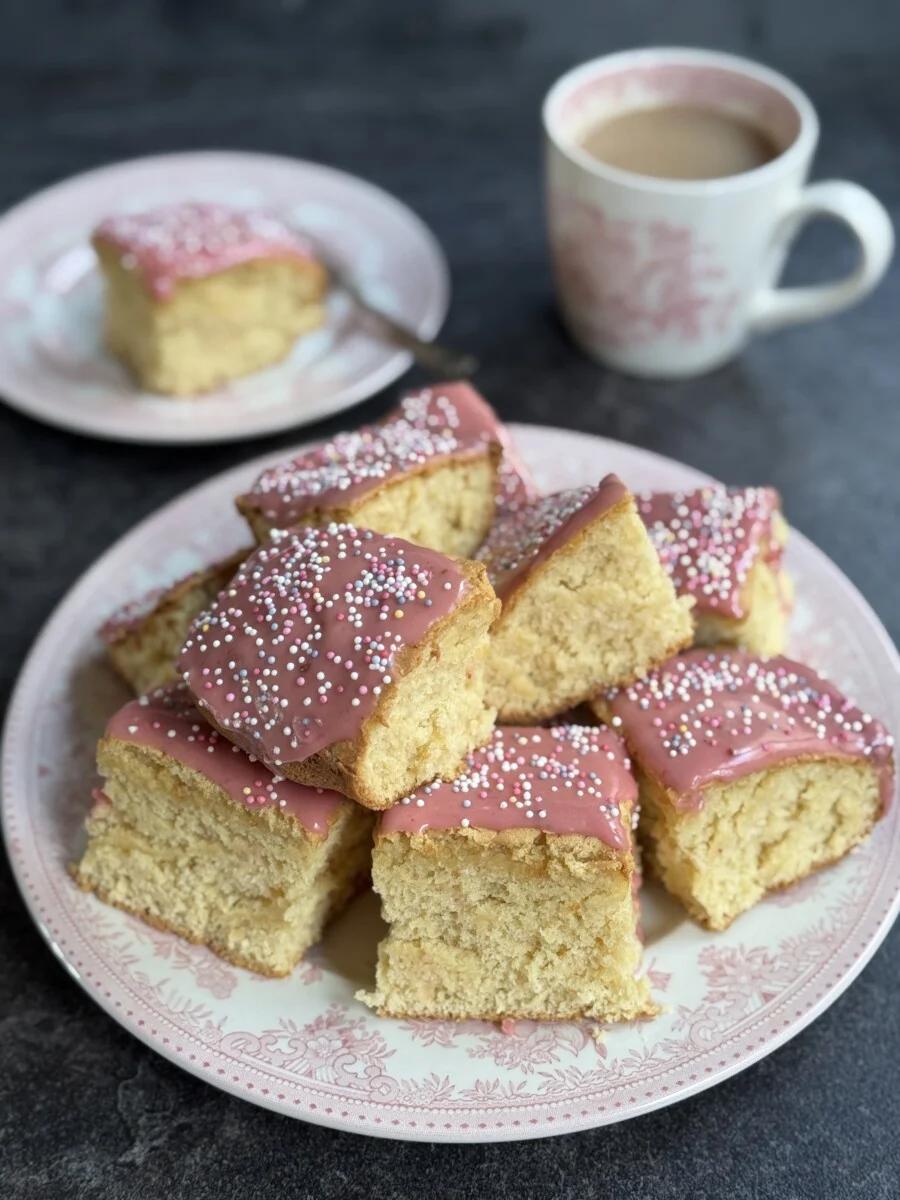
The quintessential British village cricket match, with its gentle thwack of willow on leather, the camaraderie of spectators in deck chairs, and the verdant expanse of the pitch, is undeniably incomplete without its celebrated intermission: the cricket tea. More than just a refuelling stop, this mid-innings repast is a cherished cultural institution, a vibrant social hub, and a testament to community spirit. However, orchestrating the perfect cricket tea, especially on a limited budget and with minimal hands, presents a unique set of challenges that volunteers across the country navigate with dedication and ingenuity. This article delves into the art and economics of preparing this beloved tradition, drawing on insights from seasoned cricket tea helpers and players, and offering practical strategies for success.

The Enduring Appeal of Village Cricket and Its Culinary Heart

While international and county cricket capture national headlines and television audiences, it is the grassroots charm of village cricket that resonates deeply with many. These local matches, often played on picturesque greens bordered by ancient trees, embody a timeless slice of English life. The atmosphere is relaxed, family-friendly, and deeply rooted in local identity. Central to this experience is the cricket tea, served between innings, typically in the pavilion. It’s a moment for players to re-energize and for spectators to mingle, share observations on the game, and reinforce community bonds. Historically, the cricket tea evolved from the British afternoon tea tradition, offering sustenance during long match days. Over centuries, it has become an integral part of the game’s fabric, signifying hospitality, tradition, and the collective effort required to sustain local sports clubs.

The preparation of this vital meal often falls to dedicated volunteers, affectionately known as "Cricket Mums" or "Tea Helpers." These unsung heroes shoulder the responsibility of feeding potentially dozens of hungry players, officials, and sometimes even visiting supporters. The task is compounded by the need to adhere to often tight budgets, typically ranging between £40 and £50 for an entire team and opposition, and often with only one or two people coordinating the effort. This necessitates careful planning, astute budgeting, and a repertoire of reliable, crowd-pleasing recipes.

Insights from the Pavilion: Navigating Budget and Taste

Veteran cricket tea helper, Sarah, who managed countless teas with just one assistant, underscores the balance between tradition and practicality. Her experience highlights the core components of a successful cricket tea: a robust selection of sandwiches, an array of homemade cakes, fresh fruit, crisps, and copious amounts of tea and squash. Sarah’s commitment to quality, such as insisting on butter over cheaper vegetable spreads, sometimes meant exceeding her allocated £20 budget per helper, illustrating the dedication to providing the best possible spread for the players.

Further insights from active cricketers reinforce specific preferences. One player, a brother-in-law to the article’s contributor, offered two particularly pointed observations: "NO ready-salted crisps" and "make sure there is a good ratio of squash to water!" These seemingly minor details underscore the importance of understanding the consumer – the players themselves – who appreciate thoughtfulness and attention to their immediate post-innings needs. The emphasis on fresh fruit also highlights a growing awareness of healthier options, even within a traditional spread.

Strategic Planning for a Seamless Cricket Tea

Effective planning is paramount when catering for a cricket tea, especially with budget and manpower constraints. This involves several key steps:

- Guestimation of Numbers: Confirming the approximate number of players and officials from both teams is crucial for determining quantities. While usually around 22 players plus officials, flexibility is key for unexpected guests.
- Dietary Considerations: Modern cricket teas must cater to various dietary needs. This includes offering vegetarian, vegan, gluten-free, and nut-free options. Labelling dishes clearly is essential for player safety and convenience.
- Timing and Logistics: Understanding the match schedule is vital. The tea typically occurs at the halfway point, requiring food to be ready for a specific window. Considerations for transport, especially if the pavilion lacks extensive kitchen facilities, are also important. As one helper noted, a car or van is often essential for delivery and setup.
- Leveraging Community Support: Engaging other club members, parents, or local businesses for donations of ingredients or baked goods can significantly alleviate budget pressure and workload.
The Essential Menu: Balancing Tradition and Player Preference

The cricket tea menu, while traditional, benefits from thoughtful selection to ensure broad appeal and nutritional value for active players.

1. Sandwiches: The Foundation of the Spread
Sandwiches are non-negotiable, offering quick, easy-to-eat energy. Variety in fillings is key. Popular choices include:

- Classic BLT: A favourite, as requested by Sarah’s son, Tom, indicating the personal touch often involved.
- Egg Mayonnaise & Cress: A vegetarian staple, offering protein.
- Cheese & Pickle/Onion: Hearty and satisfying.
- Ham & Mustard/Tomato: Simple and universally liked.
- Tuna Mayonnaise & Cucumber: Another popular fish-based option.
- Chicken Salad: Often a more substantial choice.
Using both white and brown bread adds visual appeal and caters to different preferences. Crusts are often removed for presentation and ease of eating.
2. Savouries: Adding Substance and Flavour
Beyond sandwiches, savouries provide additional protein and variety.

- Sausage Rolls: A perennial favourite, homemade or good quality shop-bought. The "Easy Three Ingredient Sausage Rolls" mentioned in the original content would be an excellent budget-friendly, low-effort option.
- Quiches/Flans: "Deep Dish Cheese & Tomato Flan" or "Egg & Bacon Flan" offer substantial vegetarian and non-vegetarian choices.
- Cheese Scones: A more traditional, slightly lighter savoury option, like the "Vintage BeRo Cheese Scones."
3. Cakes and Sweet Bakes: The Indulgent Reward
The sweet section is where volunteers can truly shine with homemade treats. These provide a much-needed sugar boost and a sense of indulgence.

- Tray Bakes: Easy to transport, cut, and serve. Examples include "Coffee Walnut Tray Bake Cake," "Easy Tottenham Cake," "Quick and Easy Spice Cake (Tea Loaf)," "1960’s Evaporated Milk Chocolate Cake," and "The Queen’s Chocolate Biscuit Cake."
- Rocky Road: A popular no-bake option like "Caramel Popcorn and Malteser Rocky Road," which is often a hit with younger players.
- Scones: Both plain and fruit scones (e.g., "Be-Ro Victoria Scones," "Buckingham Palace Fruit Scones") served with jam and cream are a quintessential British tea item.
- Jam Tarts: Small, individual, and easy to handle.
- Brownies/Flapjacks: High-energy and satisfying.
4. Fresh Fruit: The Healthy Counterpoint
As highlighted by the player, fresh fruit is essential for hydration and vitamins. Grapes, sliced oranges, bananas, and berries are easy to eat and refreshing.

5. Drinks: Hydration is Key

- Tea: Black tea, served with milk and sugar, is the traditional cornerstone.
- Squash: Crucial for rehydration, with the critical "good ratio of squash to water" being a non-negotiable for players. Orange and blackcurrant are standard flavours.
- Water: Bottled water or jugs of iced water are often appreciated, especially on warm days.
Budgeting and Sourcing: Making Every Pound Count

Operating within a £40-£50 budget for a full cricket tea requires smart shopping and a focus on homemade items.

- Bulk Buying Staples: Ingredients like flour, sugar, eggs, and bread can often be bought more cost-effectively in larger quantities.
- Seasonal Produce: Utilising seasonal fruits and vegetables can reduce costs.
- Homemade vs. Shop-Bought: While some items like crisps and squash are typically bought, making sandwiches, cakes, and savouries from scratch offers significant savings and a higher quality product. The cost of butter versus vegetable spread, as noted by Sarah, exemplifies how ingredient choices impact the final budget and taste profile.
- Club Contributions: Some clubs might offer a small allowance for staples or reimburse receipts, easing the financial burden on volunteers.
The Broader Impact and Implications

The cricket tea, while seemingly a simple meal, carries significant implications for the community and the sport itself.

- Community Cohesion: It serves as a powerful facilitator for social interaction, bringing together players, families, and local residents. This strengthens community ties and fosters a sense of belonging.
- Volunteerism and Support: The effort involved in preparing these teas highlights the invaluable role of volunteers in sustaining grassroots sports. Without their dedication, many local clubs would struggle to operate.
- Preservation of Tradition: In an increasingly fast-paced world, the cricket tea offers a tangible link to sporting traditions and cultural heritage, ensuring these customs are passed down through generations.
- Player Welfare: Providing nutritious and appealing food helps players recover and maintain energy levels, contributing to their performance and enjoyment of the game.
The anticipation of cricket tea, often marked by the bustling activity around the pavilion and the enticing aromas wafting across the pitch, is as much a part of the village cricket experience as the game itself. It is a testament to the power of simple food, lovingly prepared, to nourish both body and spirit, cementing the cricket tea’s place as an indispensable cornerstone of British sporting culture.
