
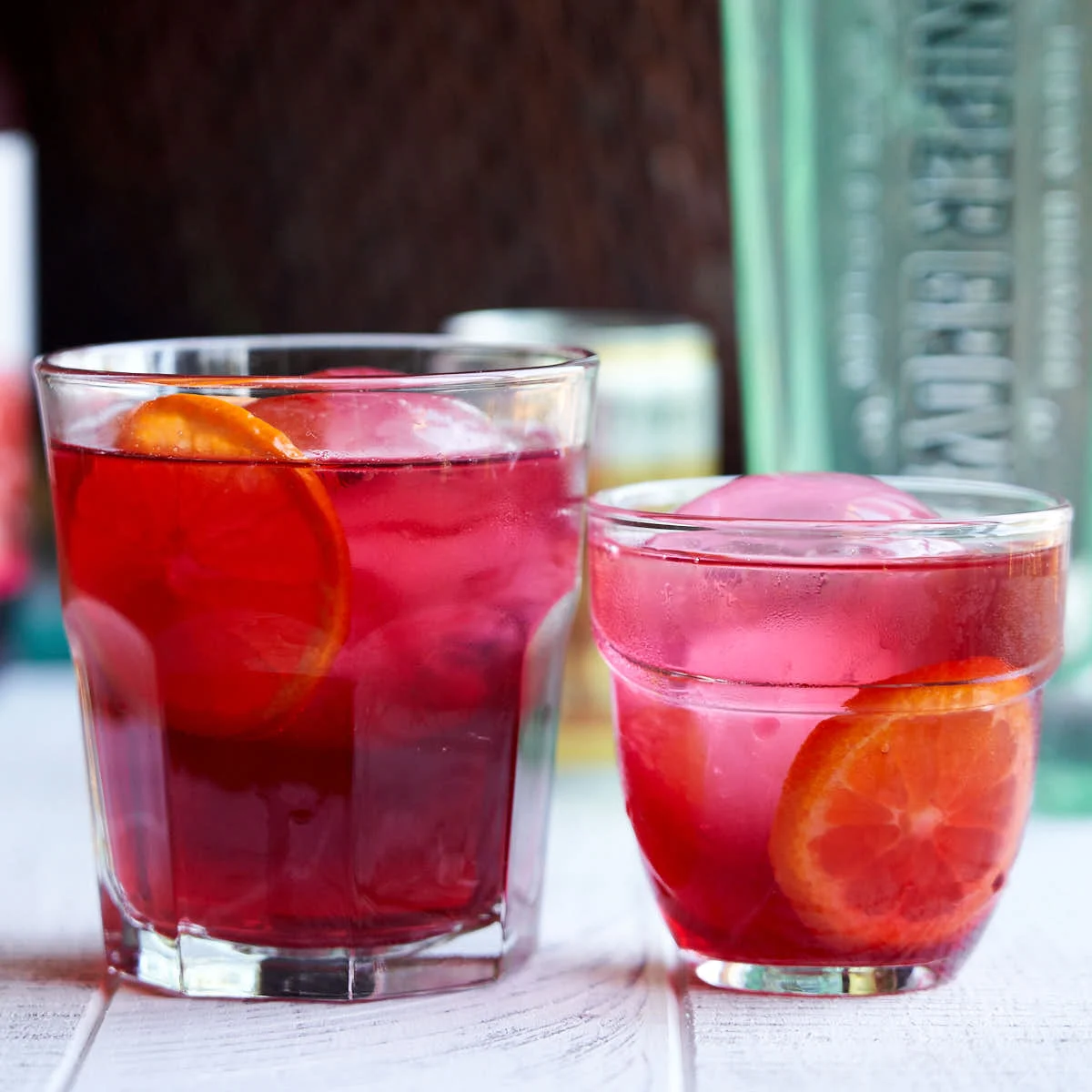
The tradition of holiday brunch has evolved significantly over the past decade, with mixology playing an increasingly central role in seasonal celebrations. Among the most popular additions to the modern morning menu is the Cranberry Gin Cocktail, a sophisticated, tart, and seasonally thematic variation of the traditional gin and tonic. Originally popularized as a minimalist drink, this iteration has gained traction as a staple for festive gatherings, particularly during the late-year holiday season spanning from Thanksgiving to Christmas.
Evolution of the Holiday Brunch Beverage
For generations, the standard morning beverage service during holidays was largely confined to mimosas, bloody marys, or coffee-based drinks. However, the rise of the "brunch cocktail" category has seen a shift toward botanical spirits. Gin, a spirit distilled with juniper berries and various aromatics, has seen a global resurgence, with the global gin market projected to continue its upward trajectory through the mid-2020s.
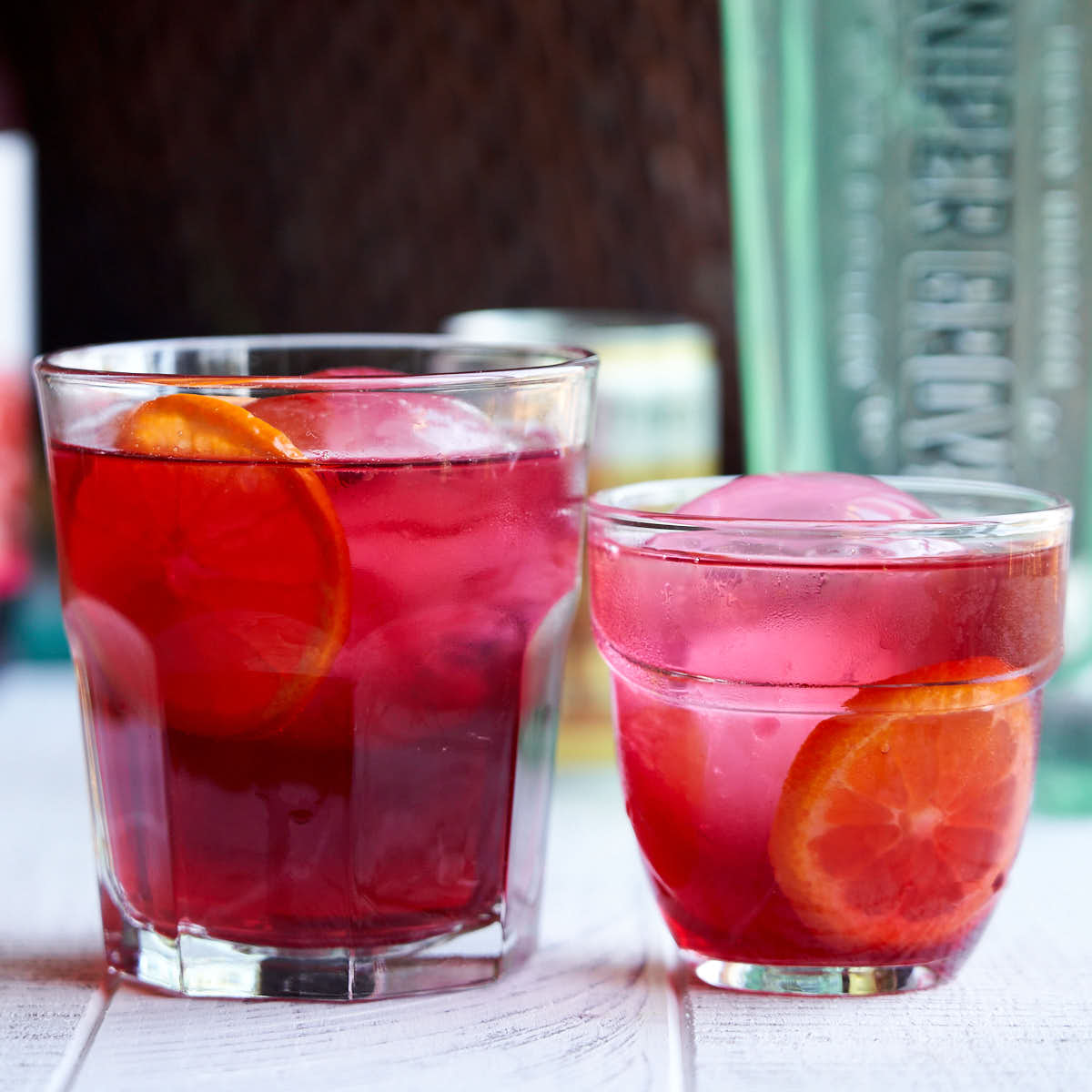
The integration of cranberry juice into gin-based beverages serves both a functional and aesthetic purpose. Cranberry juice provides the necessary acidity to balance the herbaceous notes of the gin, while its deep crimson hue offers a natural, visually appealing centerpiece for holiday tables. By replacing traditional lime wedges with clementine slices, the recipe bridges the gap between autumn harvest flavors and the citrus-forward profiles often associated with winter festivities.
Technical Composition and Preparation
The architecture of this cocktail relies on a simple, three-part ratio: high-quality dry gin, premium tonic water, and unsweetened cranberry juice. Culinary experts note that the quality of the gin is paramount, as the spirit’s botanical profile must hold up against the bracing tartness of the cranberry.
A significant trend in modern mixology is the use of large-format ice, such as spherical ice molds. Unlike traditional cubed ice, which has a higher surface-area-to-volume ratio, ice spheres melt at a significantly slower rate. This serves a technical function: it keeps the drink chilled for an extended period without premature dilution. In the context of a long, leisurely Christmas brunch, this ensures that the integrity of the cocktail remains consistent from the first sip to the last.
Market Context and Ingredient Selection
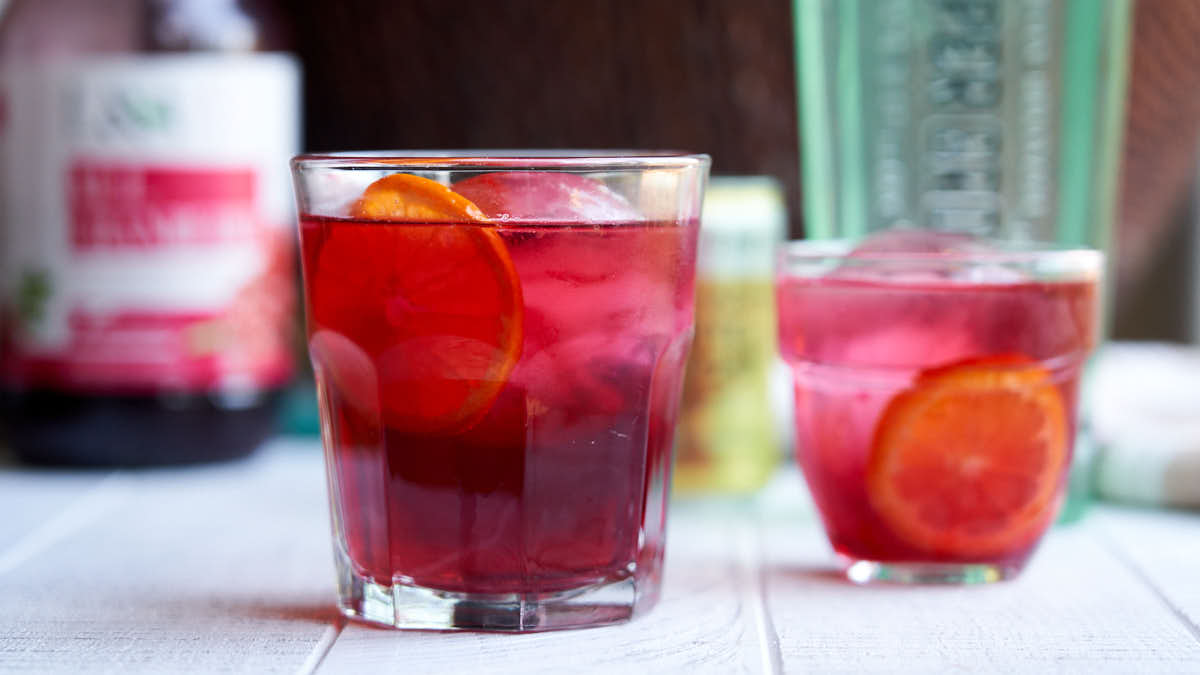
The market for artisanal mixers and high-end tonic waters has grown in parallel with the craft spirit industry. Consumers are increasingly opting for "no-sugar-added" cranberry juices to maintain control over the drink’s sweetness levels.
- The Gin Base: Analysts suggest that "American Dry" or "London Dry" varieties are the preferred choices for this cocktail. These styles typically avoid overly floral or perfumed additives, which can clash with the sharp, acidic profile of the cranberry.
- The Tonic Component: Because tonic water contains quinine and varying levels of sugar, the choice of tonic determines the final sweetness profile of the drink. Producers have introduced "slimline" or "botanical" tonics to cater to health-conscious consumers who still seek the classic bitter profile.
- The Citrus Element: The move toward clementines or mandarins over traditional lemons reflects a shift toward seasonal sourcing. These fruits, which are at their peak during the winter months, provide a sweeter, more aromatic zest that complements the berry notes.
Chronology of Holiday Hosting Trends
- Pre-2015: Holiday brunch beverage menus were largely static, dominated by champagne-based cocktails.
- 2015–2018: The emergence of the "craft cocktail" movement in the home kitchen led to a surge in interest regarding botanical gins and sophisticated garnishes.
- 2019–2021: The pandemic forced a redirection of consumption habits. With restaurant and bar closures, consumers invested in high-quality home bar equipment, including specialized ice molds and glassware, elevating the standard for home-prepared holiday drinks.
- 2022–Present: The focus has shifted toward simplicity and "low-prep" recipes that allow hosts to spend more time with guests rather than behind the bar.
Economic and Social Implications
The trend toward home-based, elevated cocktail preparation has had a measurable impact on the retail spirits and glassware industry. Data from industry analysts indicate that holiday spending on premium spirits often peaks in November and December. Furthermore, the "Cranberry Gin" phenomenon is part of a broader "premiumization" trend, where consumers are willing to pay a premium for ingredients that provide an "experience" rather than just a beverage.
From a sociological perspective, the return to elaborate holiday brunches signals a desire for communal recovery and tradition. The cocktail acts as a social lubricant, facilitating conversation and marking the occasion as distinct from an ordinary weekend meal.
Expert Perspectives on Home Mixology
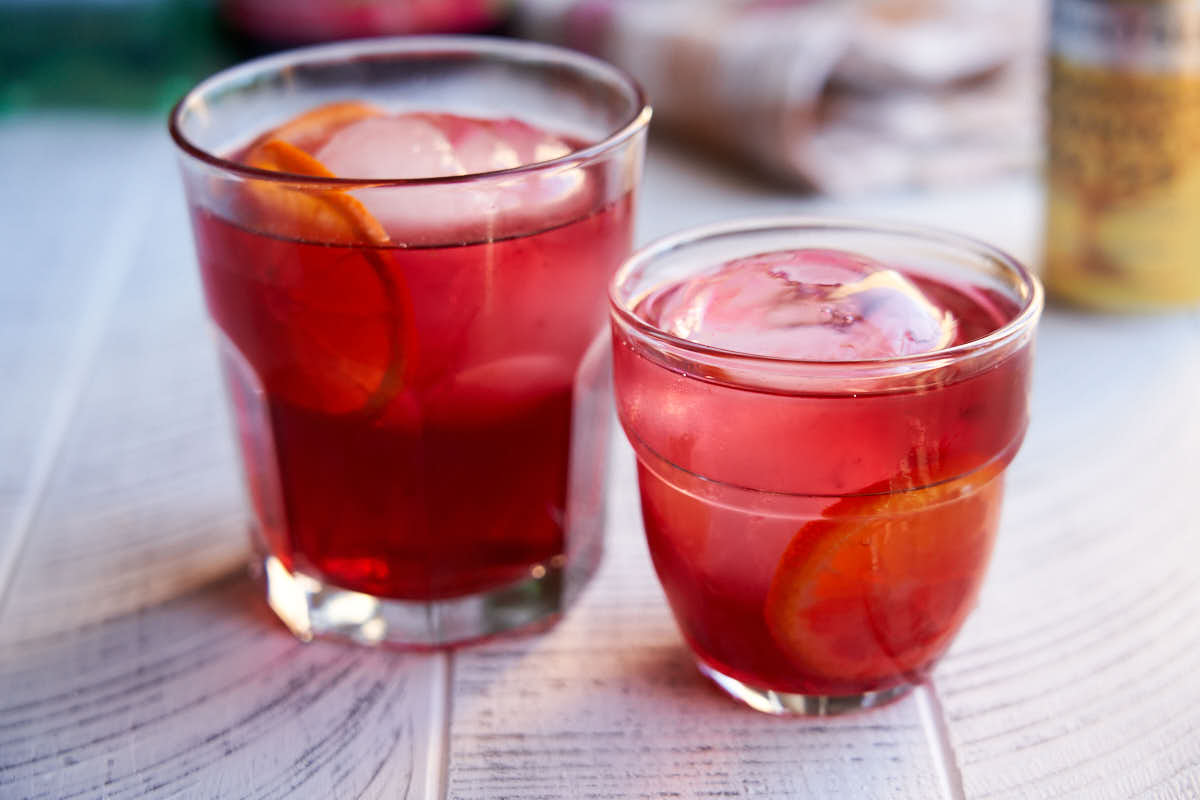
Professional bartenders often emphasize that while the recipe is straightforward, success lies in the balance of ingredients. The common error in home preparation is the over-dilution of the spirit or the use of overly sweetened commercial juices that mask the nuances of the gin.
"The beauty of a gin-based cocktail," notes one mixology consultant, "is its versatility. By allowing the host to adjust the ratio of cranberry to tonic, the drink can be customized to suit individual palate preferences, making it an ideal choice for large, diverse gatherings."
Future Outlook
As the hospitality sector continues to adapt to changing consumer demands, the focus on "festive simplicity" is likely to remain. Future iterations of this cocktail may incorporate herbal infusions—such as rosemary or thyme—or the use of sparkling water substitutes to reduce the caloric content further.
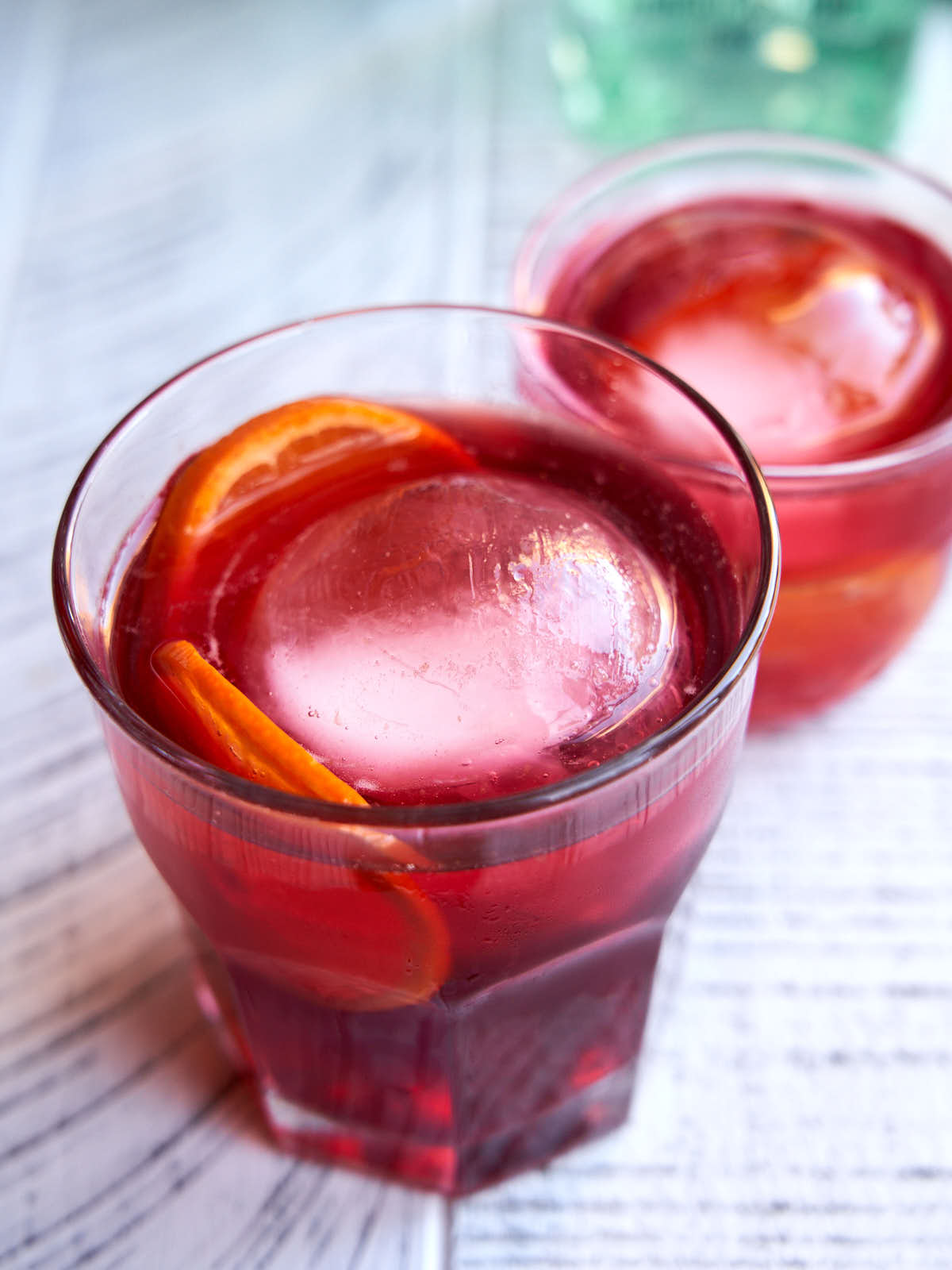
Ultimately, the enduring popularity of the Cranberry Gin Cocktail is rooted in its accessibility. It requires no specialized training or complex machinery to execute, yet it provides a sophisticated sensory experience. As home hosting continues to be a central pillar of holiday celebrations, the importance of such recipes—which balance ease of preparation with high-end aesthetic appeal—cannot be overstated.
For those looking to replicate this experience, the consensus among culinary professionals is to prioritize high-quality, cold-pressed juices and to chill all glassware prior to serving. By maintaining a cold environment for the drink, the volatile aromatic compounds in the gin are preserved, ensuring that the botanical notes are prominent. Whether served at a morning brunch or as a pre-dinner refreshment, this cocktail stands as a testament to the enduring appeal of the classic gin and tonic, reimagined for the modern, festive era.
