
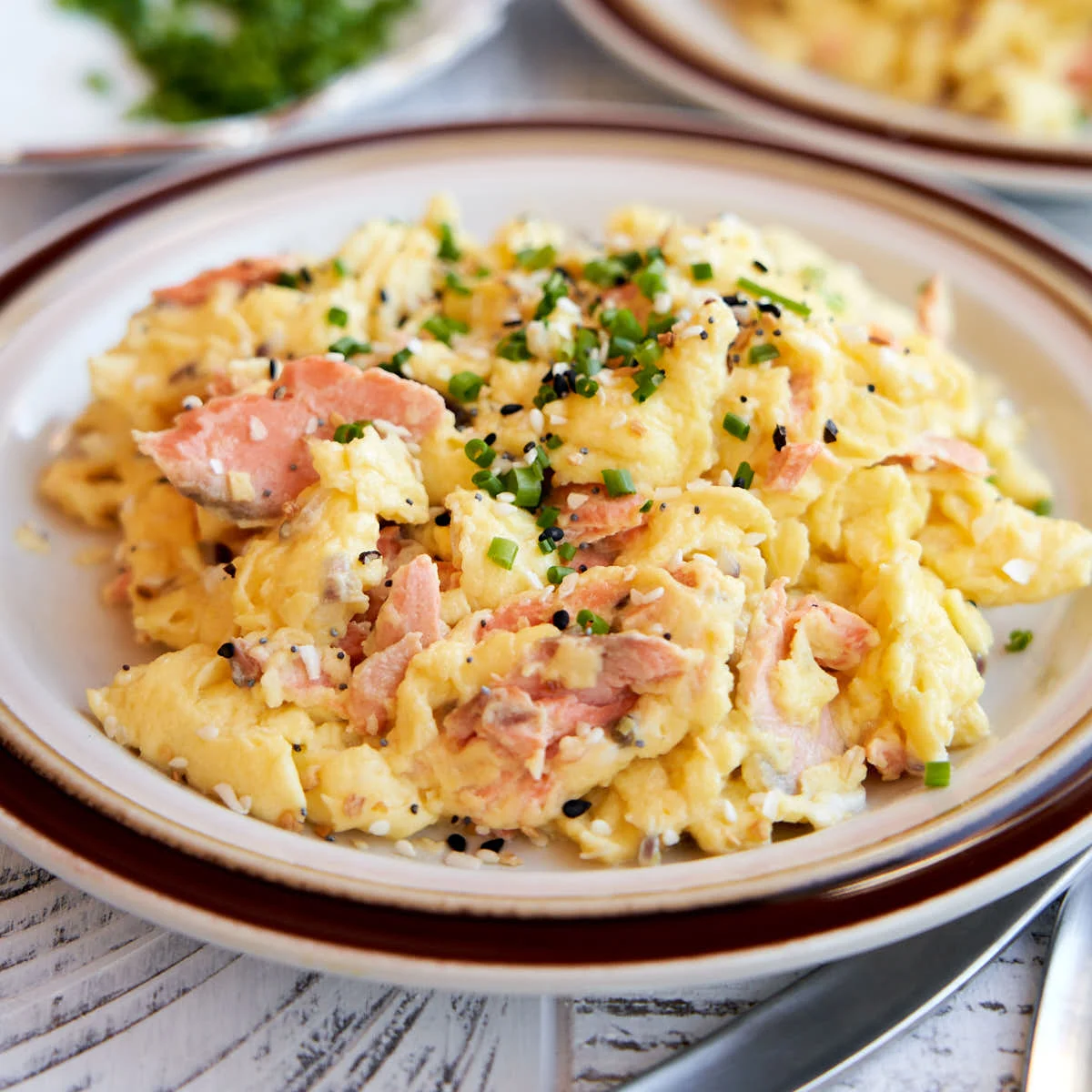
The intersection of culinary efficiency and nutritional optimization has long been a focal point for home economists and nutritionists alike. Among the various methods for reducing household food waste while maintaining a balanced diet, the utilization of leftover proteins in morning meals—specifically salmon—has emerged as a practical strategy. Salmon, a high-quality source of omega-3 fatty acids, protein, and essential micronutrients such as vitamin D and selenium, provides a nutrient-dense foundation for the first meal of the day when paired with eggs, a complete protein source.
Nutritional Synergy and Dietary Implications
The combination of salmon and eggs is not merely a convenience-based breakfast solution; it is a nutritionally synergistic pairing. Research from various nutritional databases indicates that the bioavailability of fat-soluble vitamins found in salmon is enhanced when consumed alongside the lipids present in egg yolks. A standard serving of this dish, when prepared with two large eggs and approximately three ounces of cooked salmon, provides a significant portion of the recommended daily intake of choline, vitamin B12, and high-quality protein.
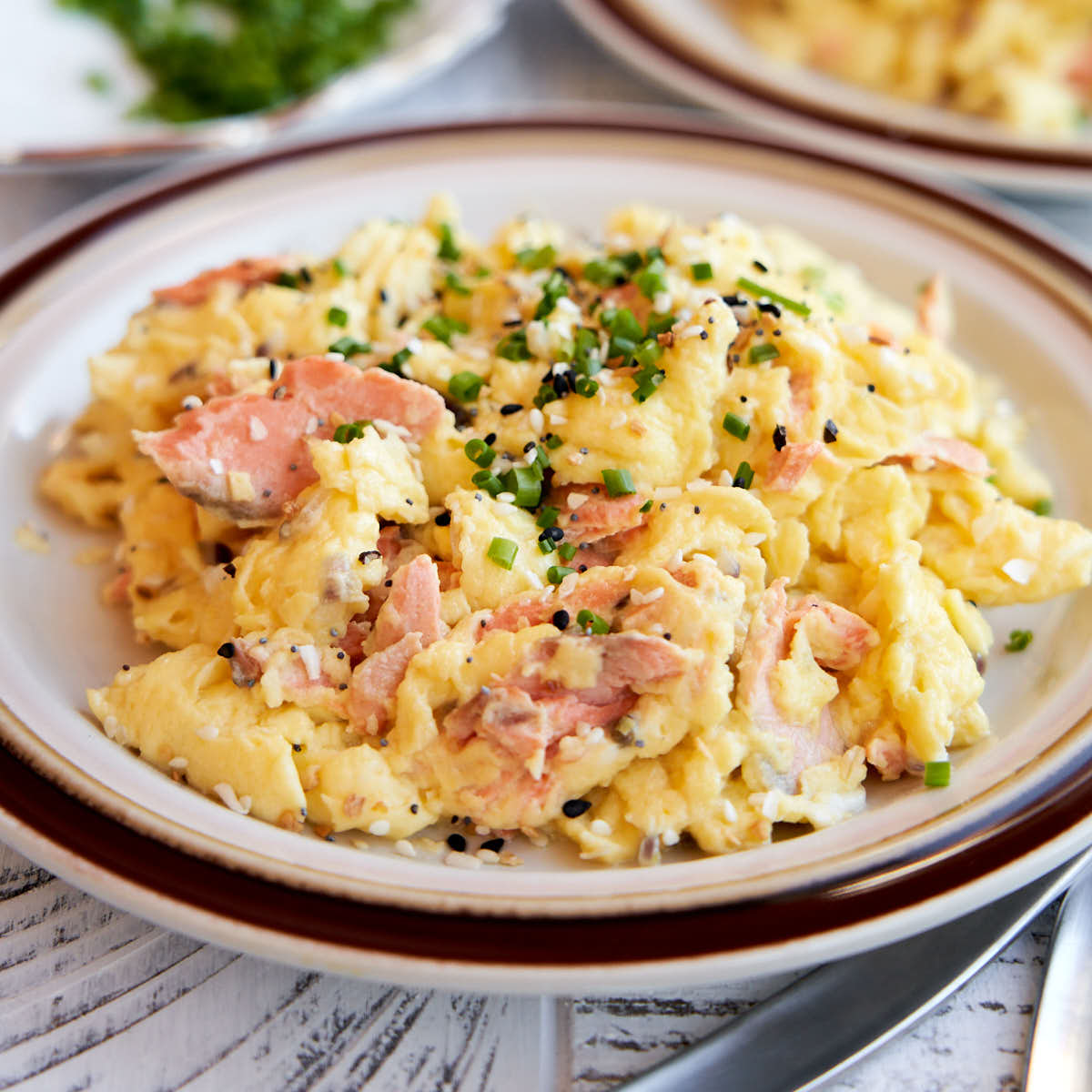
From a metabolic perspective, the inclusion of healthy fats from the salmon and the high-protein content of the eggs promotes satiety, which can assist in regulating blood glucose levels throughout the morning. Unlike carbohydrate-heavy breakfasts that often lead to mid-morning energy fluctuations, this protein-forward approach supports sustained cognitive function and metabolic stability.
The Evolution of Sustainable Home Cooking
The practice of repurposing leftover cooked salmon—typically from a dinner service of baked or pan-seared fillets—reflects a broader trend in sustainable home economics. Food waste remains a significant global issue, with household food loss accounting for a substantial portion of the total waste stream. By incorporating previously cooked fish into a scramble, households can extend the lifecycle of their grocery purchases, effectively reducing their environmental footprint.
This culinary technique has gained traction in recent years as consumers become more conscious of food inflation and the rising costs of protein. The ability to transform a remnant portion of seafood into a separate, distinct breakfast dish provides an economic advantage, maximizing the utility of every purchased fillet.

Technical Preparation and Culinary Best Practices
Achieving the desired texture in a salmon and egg scramble requires precise technique. Culinary professionals emphasize the importance of fat content in the egg mixture; the inclusion of half-and-half or heavy cream is recommended to achieve a creamy consistency. The fat molecules in these dairy products coat the egg proteins, preventing them from coagulating too tightly and resulting in a rubbery texture.
Furthermore, the mechanical process of whisking is paramount. Vigorous aeration of the eggs incorporates oxygen, which expands during the cooking process to create a fluffy, light structure. The timing of the protein integration is equally critical. To maintain the integrity of the cooked salmon and prevent it from becoming overly dry, it should be folded into the pan only after the egg curds have begun to form. This residual heat is sufficient to warm the salmon without compromising its texture.
Comparative Analysis of Ingredients
A common point of contention among home chefs involves the selection of fish. It is important to distinguish between fresh, cooked salmon and preserved varieties such as smoked salmon. Smoked salmon, while popular in other breakfast contexts like bagels, is ill-suited for a scramble. Its high sodium content and already-cured texture make it susceptible to becoming excessively salty and tough when subjected to the high heat of a sauté pan. Conversely, baked or poached salmon offers a neutral, flaky base that complements the mild flavor of the eggs.
Broader Economic and Lifestyle Impact
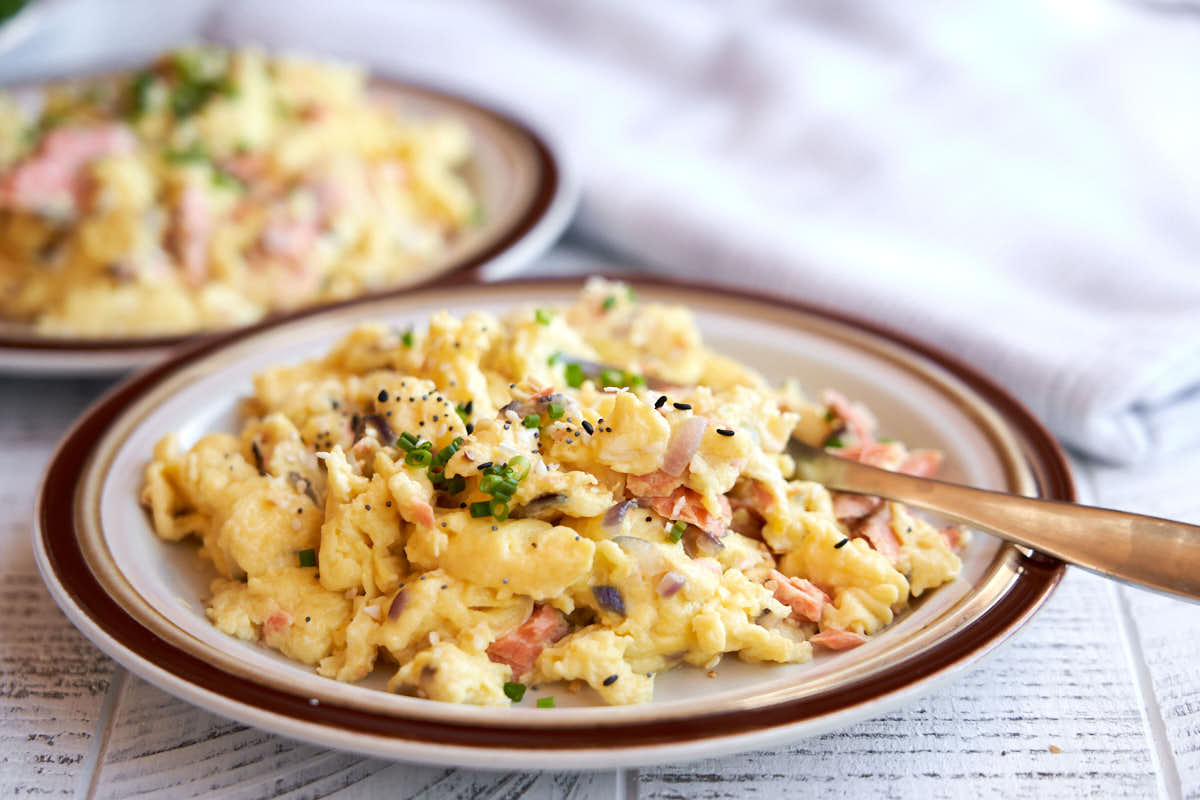
The adoption of such recipes serves as a microcosm for the "work-from-home" culinary revolution observed since 2020. As the boundary between professional and domestic life blurred, the demand for "fast but healthy" meals increased. This recipe, which can be executed in under ten minutes, aligns with the requirements of the modern, time-constrained professional.
Furthermore, the integration of seasonings such as "Everything but the Bagel" blend—a combination of sesame seeds, poppy seeds, dried garlic, onion, and sea salt—represents the modern pantry shift toward flavor-dense, low-effort seasonings. These blends provide an efficient way to enhance the organoleptic properties of simple dishes, allowing for professional-level flavor profiles in a home setting.
Future Perspectives on Breakfast Trends
Nutritionists and culinary experts predict that the trend toward high-protein, low-glycemic breakfasts will continue to expand. The shift away from sugary cereals and pastries toward savory, nutrient-dense options like salmon and eggs is supported by growing consumer awareness of the links between diet and long-term health.
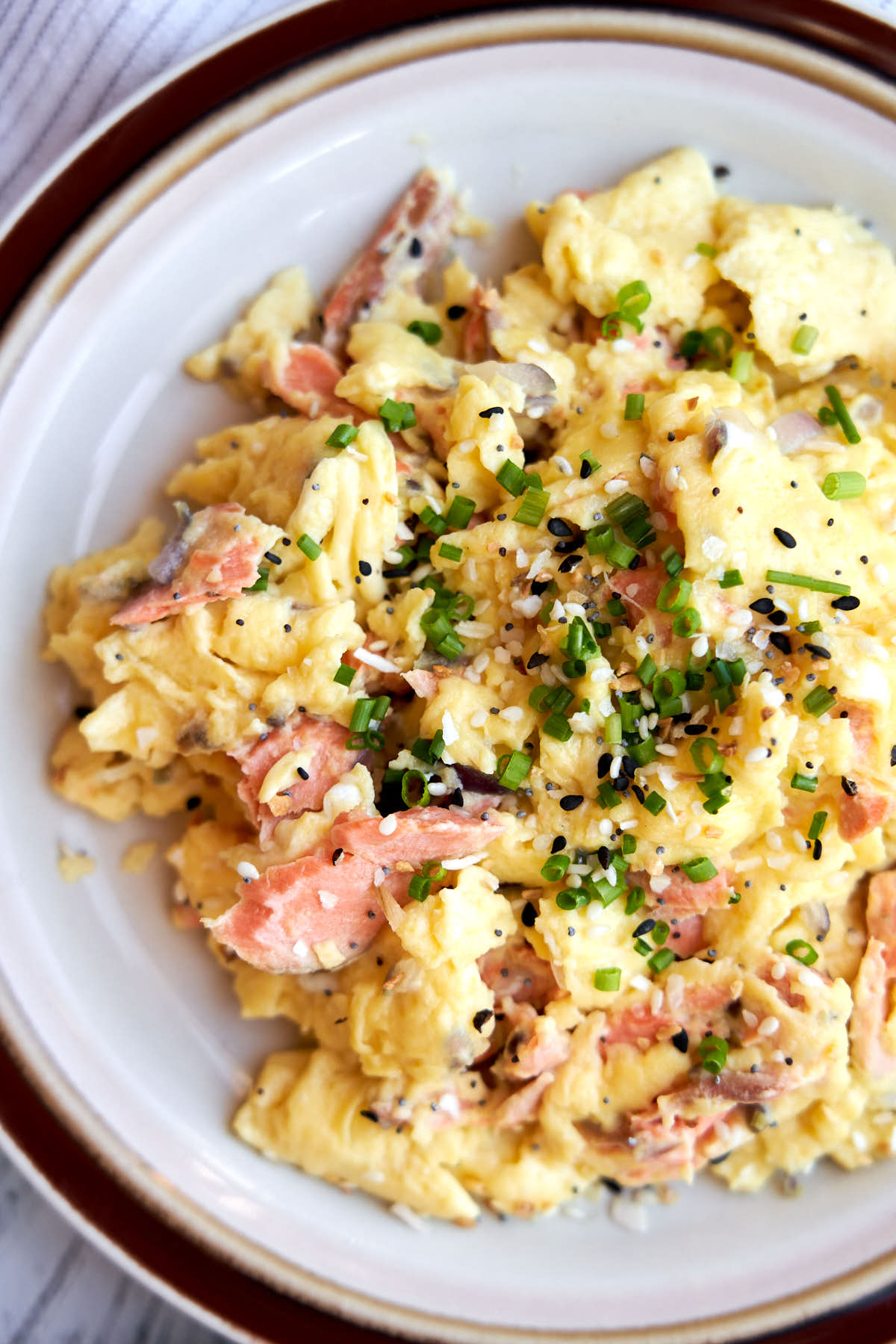
As food costs fluctuate, the emphasis on "zero-waste" cooking is likely to transition from a niche practice to a mainstream necessity. The ability to pivot leftover dinner ingredients into breakfast demonstrates a level of culinary versatility that reduces household overhead and improves overall nutritional outcomes. Whether viewed through the lens of economic prudence or dietary health, the incorporation of salmon into morning routines stands as a significant development in contemporary home food preparation.
Summary of Best Practices for Implementation
For those looking to adopt this practice, the following guidelines are recommended by home economists:
- Temperature Management: Allow leftover salmon to reach room temperature before incorporation to ensure even cooking.
- Quality of Dairy: Use half-and-half to provide the necessary lipid content for a superior texture.
- Whisking Technique: Utilize a whisk rather than a fork to maximize aeration.
- Seasoning: Use high-quality, balanced seasoning blends to provide depth of flavor without the need for complex sauce preparations.
- Waste Mitigation: Store leftover salmon in an airtight container for no more than 48 hours before repurposing to ensure food safety.
By adhering to these standards, consumers can effectively convert residual dinner components into a high-value breakfast, contributing to both personal health goals and the broader societal objective of minimizing domestic food waste. This practice underscores the efficacy of simple, ingredient-focused cooking in a modern, resource-conscious world.
