
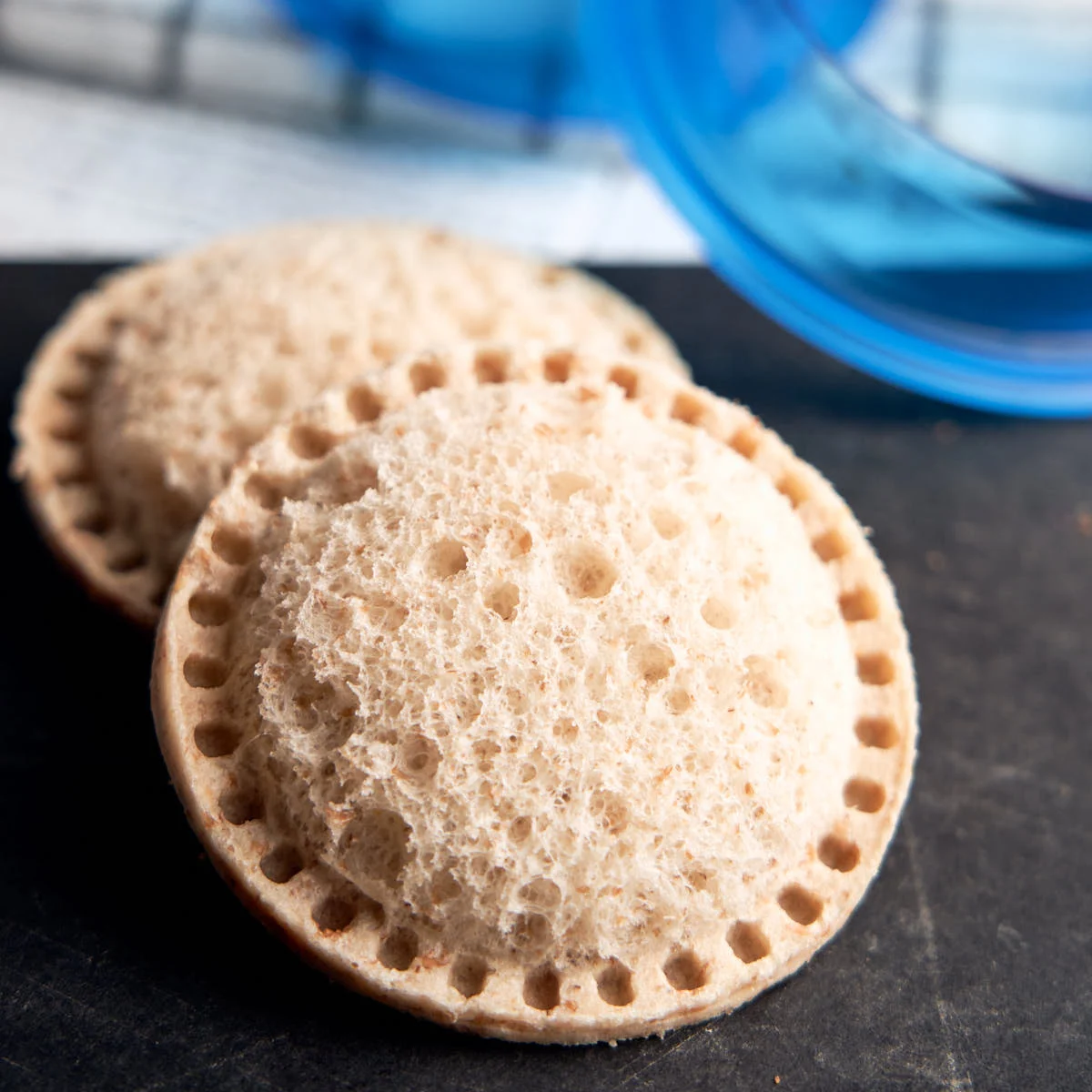
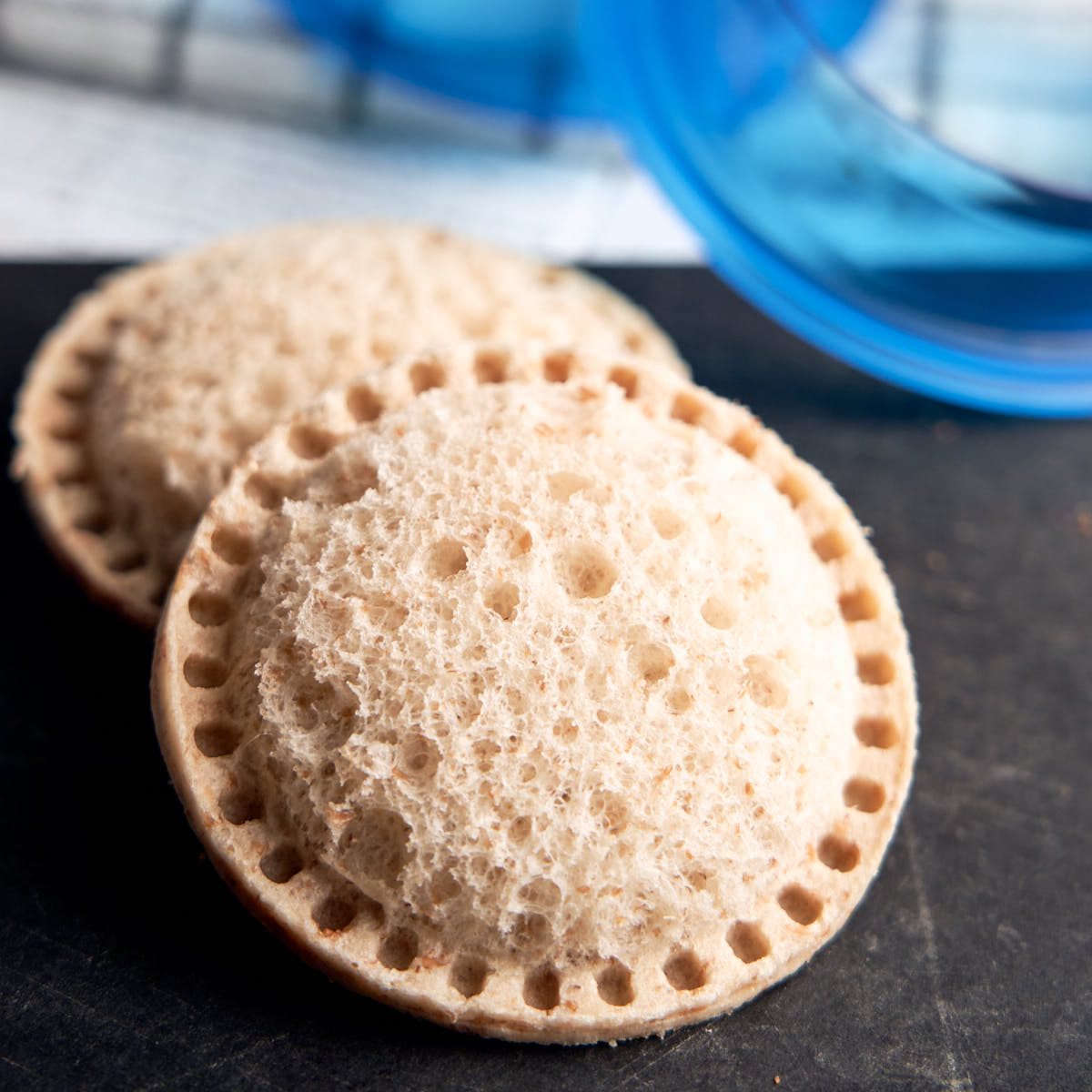
The emergence of the crustless sandwich market has transformed the landscape of convenience food over the last two decades. While mass-produced, pre-sealed sandwiches like Smucker’s Uncrustables have dominated grocery shelves, a growing consumer movement is shifting toward homemade alternatives. This shift is driven by a desire for ingredient transparency, cost efficiency, and a reduction in the environmental footprint associated with single-use plastics. The peanut butter and honey sandwich, a classic staple of the American lunchbox, has become the focal point of this DIY culinary trend, with households increasingly adopting kitchen tools designed to replicate the commercial sealing process.
The Evolution of the Portable Sandwich Market
The concept of the "uncrustable"—a sealed, circular sandwich designed to preserve freshness and prevent leakage—gained mainstream popularity following the commercial success of frozen, pre-packaged variants. These products were engineered to address the specific needs of working parents and students who required a shelf-stable or freezer-to-lunchbox solution that eliminated the labor of manual preparation.
However, as consumer awareness regarding nutrition labels has intensified, the nutritional profile of these commercial products has come under scrutiny. Industrial versions often utilize high-fructose corn syrup in spreads and preservatives in bread to maintain texture through a prolonged frozen storage cycle. This has created a gap in the market for "clean-label" alternatives. By preparing these sandwiches at home, consumers can dictate the quality of the bread, the purity of the peanut butter, and the source of the sweetener, effectively bypassing the additive-heavy manufacturing process.
Comparative Nutritional Analysis
A core motivation for the shift toward homemade uncrustables is the ability to eliminate hidden sugars. A standard store-bought, mass-produced peanut butter and jelly sandwich often contains significant amounts of added sugar within the nut butter itself. Furthermore, the jelly or "honey spread" used in industrial processing often lists sugar or corn syrup as the primary ingredient.
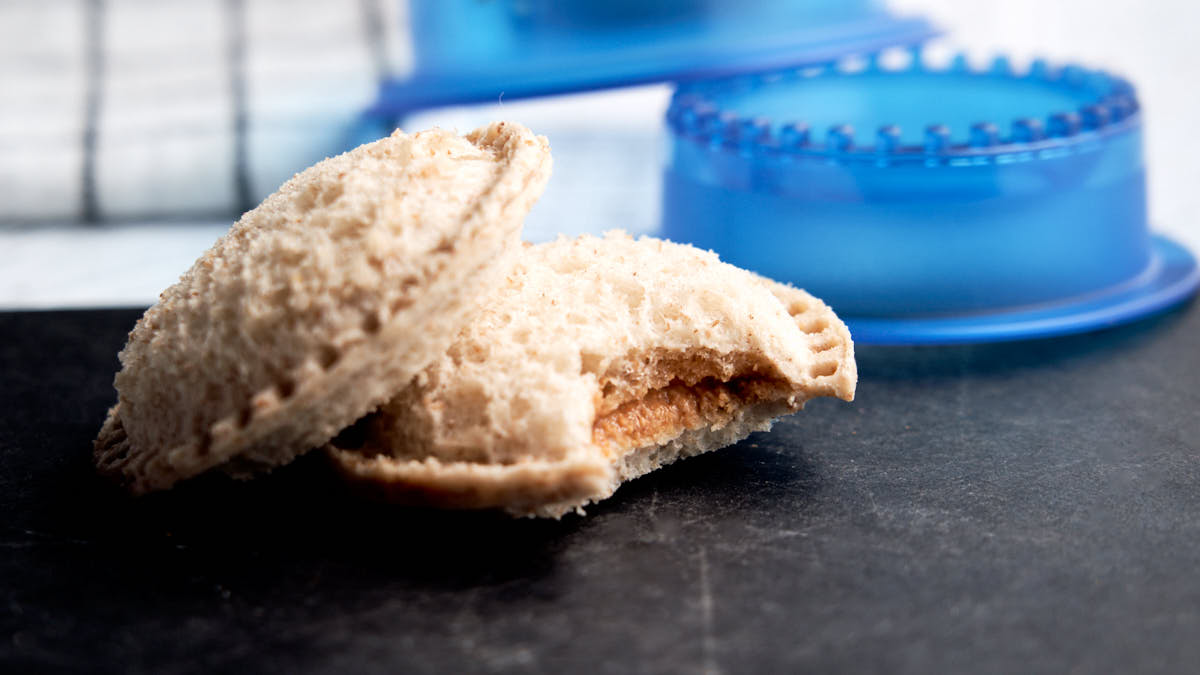
By contrast, a homemade peanut butter and honey sandwich requires only three primary components: bread, natural peanut butter, and pure honey. Data from nutritional journals suggest that switching to natural nut butters—which contain only peanuts and perhaps a small amount of sea salt—reduces the glycemic impact of the meal. For parents, this modification is seen as a proactive approach to managing childhood sugar intake while maintaining the convenience of a ready-to-eat meal.
The Role of Kitchen Technology in Home Preparation
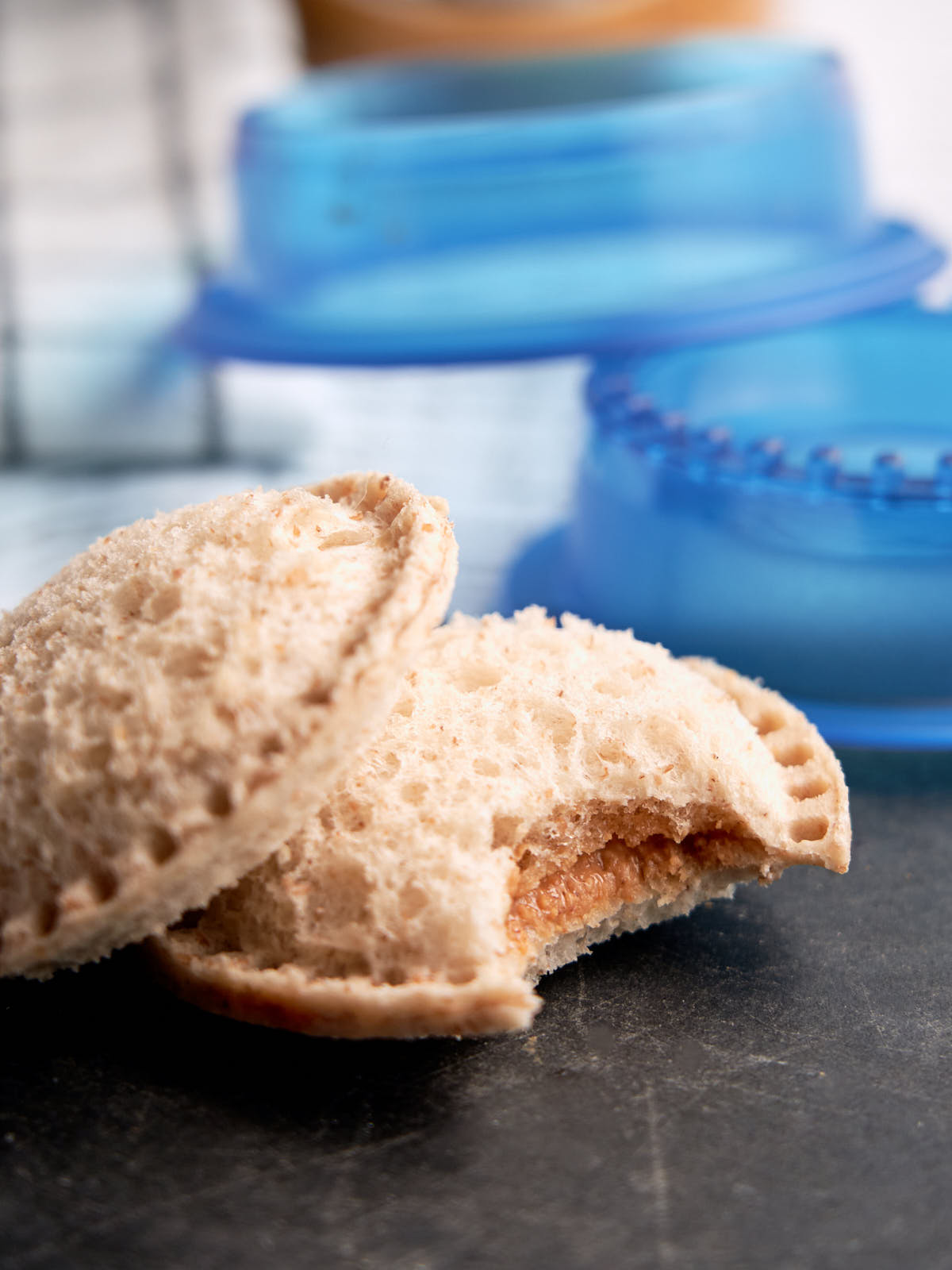
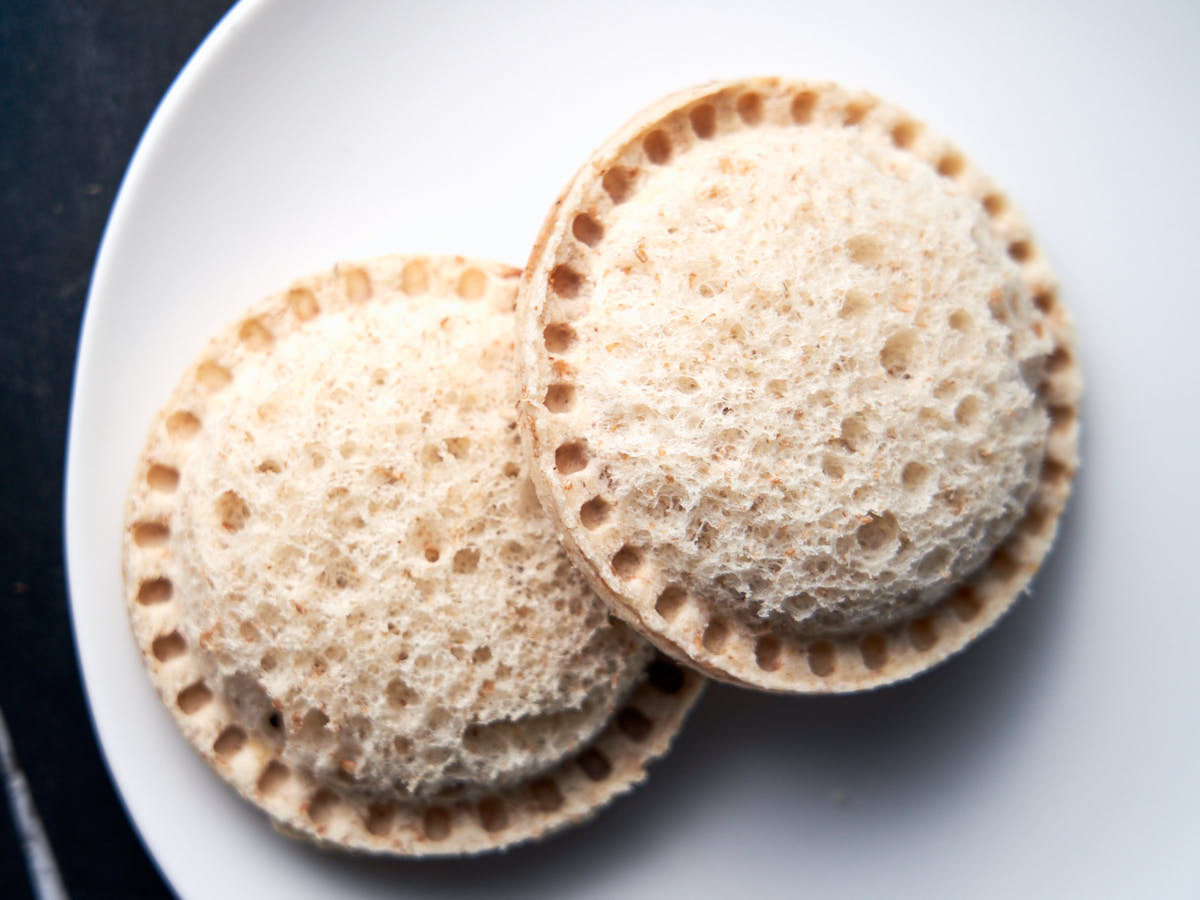
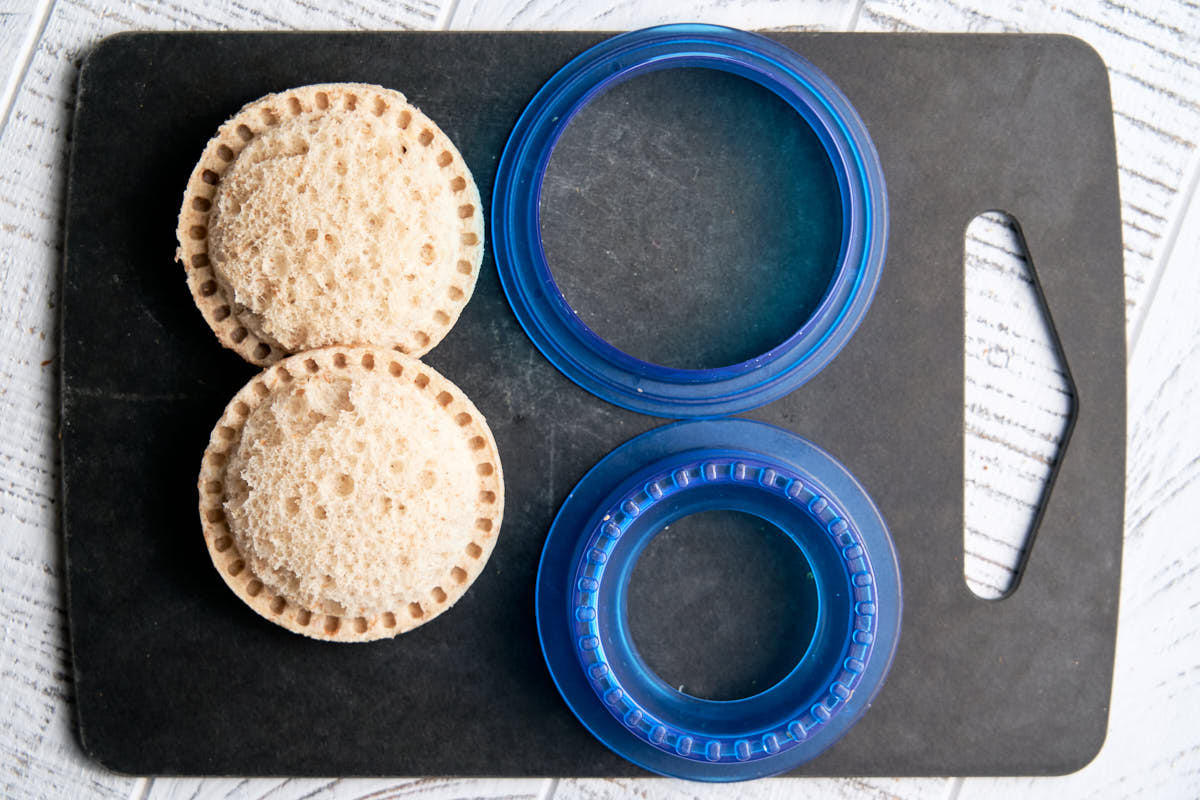
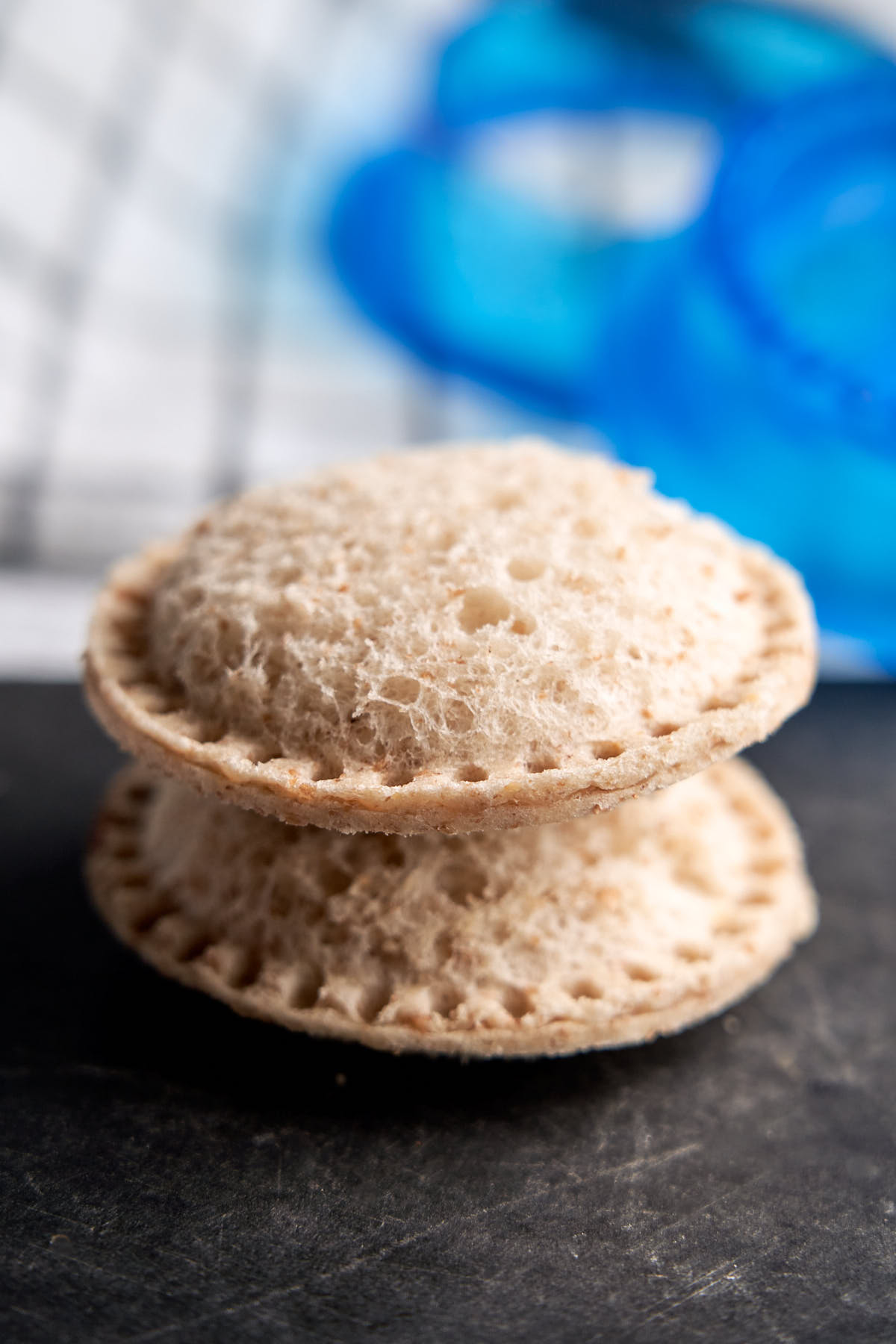
The surge in DIY sandwich production has been facilitated by the widespread availability of specialized kitchen hardware. Sandwiched between basic manual cutters and industrial-grade sealing machines, the consumer-grade "uncrustable maker" has become a popular household gadget. These devices are designed to simultaneously cut the crust and crimp the edges of two slices of bread, creating a tight seal that prevents the peanut butter and honey from seeping out.
Market analysts note that the proliferation of these tools on e-commerce platforms like Amazon indicates a significant uptick in home-based food preparation. These devices are typically constructed from food-grade plastic or stainless steel, offering a reusable alternative to the single-use plastic packaging that characterizes store-bought, pre-packaged sandwiches. From an environmental standpoint, the transition to homemade meals is estimated to reduce plastic waste by dozens of units per year per household.
Economic Implications for Households
Beyond health and environmental concerns, the economic argument for homemade preparation is compelling. When calculating the cost per unit, store-bought uncrustables often carry a significant premium for the convenience of labor and packaging. Families who purchase bread, jars of peanut butter, and honey in bulk can produce their own sandwiches at a fraction of the cost.
For a household with multiple children, the transition to home production can result in annual savings ranging from $50 to $200, depending on the frequency of consumption. This cost-benefit analysis is a recurring theme in consumer discussions regarding home economics, highlighting that the "convenience tax" associated with processed foods is a primary driver for the current DIY trend.
Waste Management: A Sustainable Approach
A common logistical hurdle in the transition to homemade crustless sandwiches is the disposal of the bread crusts. However, the modern home-cooking movement has effectively rebranded these "leftovers" as secondary ingredients. Culinary experts and home economists have identified several effective methods for repurposing crusts to ensure zero waste:
- Crouton Production: Crusts can be cut into uniform cubes, tossed in olive oil or butter, and seasoned with herbs before being baked or pan-fried. This serves as a cost-effective, high-quality alternative to store-bought salad toppers.
- Breadcrumb Synthesis: Crusts can be dehydrated in a low-heat oven and pulsed in a food processor to create homemade breadcrumbs, which are essential for binding meatballs, topping casseroles, or breading proteins.
- Hummus and Dip Accompaniments: By cutting crusts into strips, they serve as functional, sturdy vehicles for dips like hummus or yogurt, maximizing the utility of the entire loaf.
Pedagogical Benefits of Kitchen Participation
Educational experts often advocate for children’s participation in food preparation, noting that it fosters a better relationship with nutrition and improves fine motor skills. The process of using a sandwich maker is simple enough for school-aged children, making it an ideal entry point for teaching basic culinary independence. When children participate in the assembly of their own lunches, they are more likely to consume the meal and develop a deeper understanding of the ingredients involved in their diet.
Future Trends in Portable Nutrition
The move toward homemade, sealed sandwiches reflects a broader consumer trend: the rejection of ultra-processed, packaged goods in favor of simple, whole-food alternatives. While the convenience of the store-bought product remains a benchmark for the industry, the flexibility provided by home tools allows for a level of customization that manufacturers cannot easily replicate.
As the market for home kitchen tools continues to expand, it is likely that we will see further innovations in this space, including biodegradable cutters and more efficient storage solutions for pre-made, frozen, or refrigerated sandwiches. For now, the combination of peanut butter and honey remains the quintessential example of how a simple, classic recipe can be adapted to meet the demands of modern health, environmental, and financial priorities. The shift is not merely a passing culinary trend but a fundamental change in how households manage their daily nutritional logistics, prioritizing control over convenience.
