
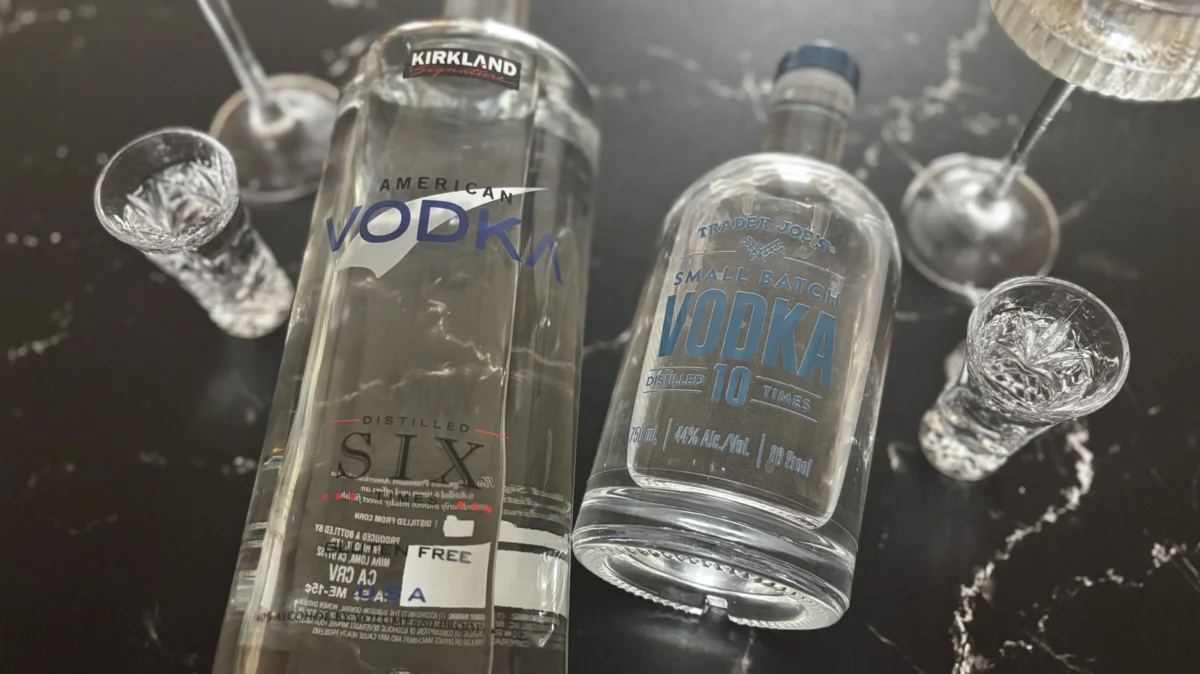
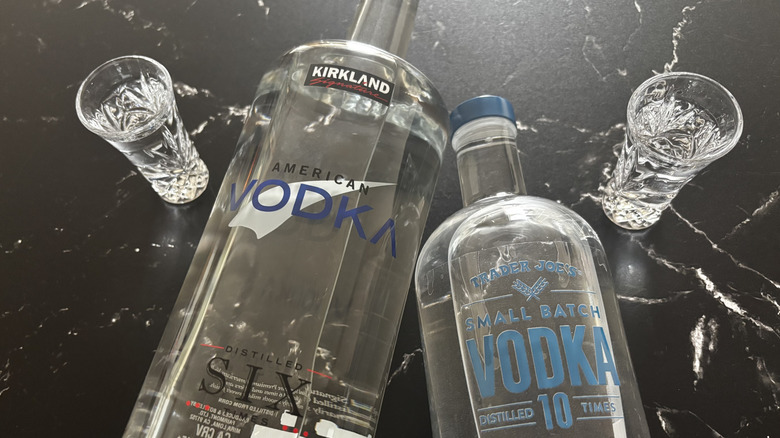
The quest for an exceptional yet affordable vodka is a common pursuit for both casual drinkers and seasoned mixologists. In the realm of value-driven spirits, grocery store brands have emerged as formidable contenders, often offering a surprising balance of quality and price. Two titans in this category, Costco and Trader Joe’s, present their own proprietary vodkas: Kirkland Signature American Vodka and Trader Joe’s Small Batch Vodka, respectively. Both have cultivated dedicated followings, prompting a critical examination of which offers a superior drinking experience. This comprehensive comparison delves into the nuances of each, from their production details and taste profiles to their economic viability and accessibility, to determine the ultimate victor in the battle of the budget-friendly vodka.
The Landscape of Value Vodka
For many consumers, the ideal vodka strikes a delicate balance – it’s smooth enough to be enjoyed neat or on the rocks, versatile enough to serve as the backbone of classic cocktails, and affordable enough to be a regular fixture on the home bar. This middle ground is precisely where store-brand vodkas from major retailers like Costco and Trader Joe’s aim to position themselves. Unlike ultra-premium spirits that command high prices due to extensive aging, rare ingredients, or intricate distillation processes, these accessible options leverage bulk purchasing power and streamlined production to deliver value without a significant compromise on palatability.
The popularity of these brands is not merely anecdotal. Online forums and consumer reviews frequently highlight Kirkland Signature American Vodka for its impressive smoothness and value, while Trader Joe’s Small Batch Vodka garners praise for its approachable flavor profile. Understanding the specifics of their production, from the raw ingredients to the distillation methods, is crucial in appreciating the subtle differences that can elevate one over the other.
Methodology: A Rigorous Comparative Approach
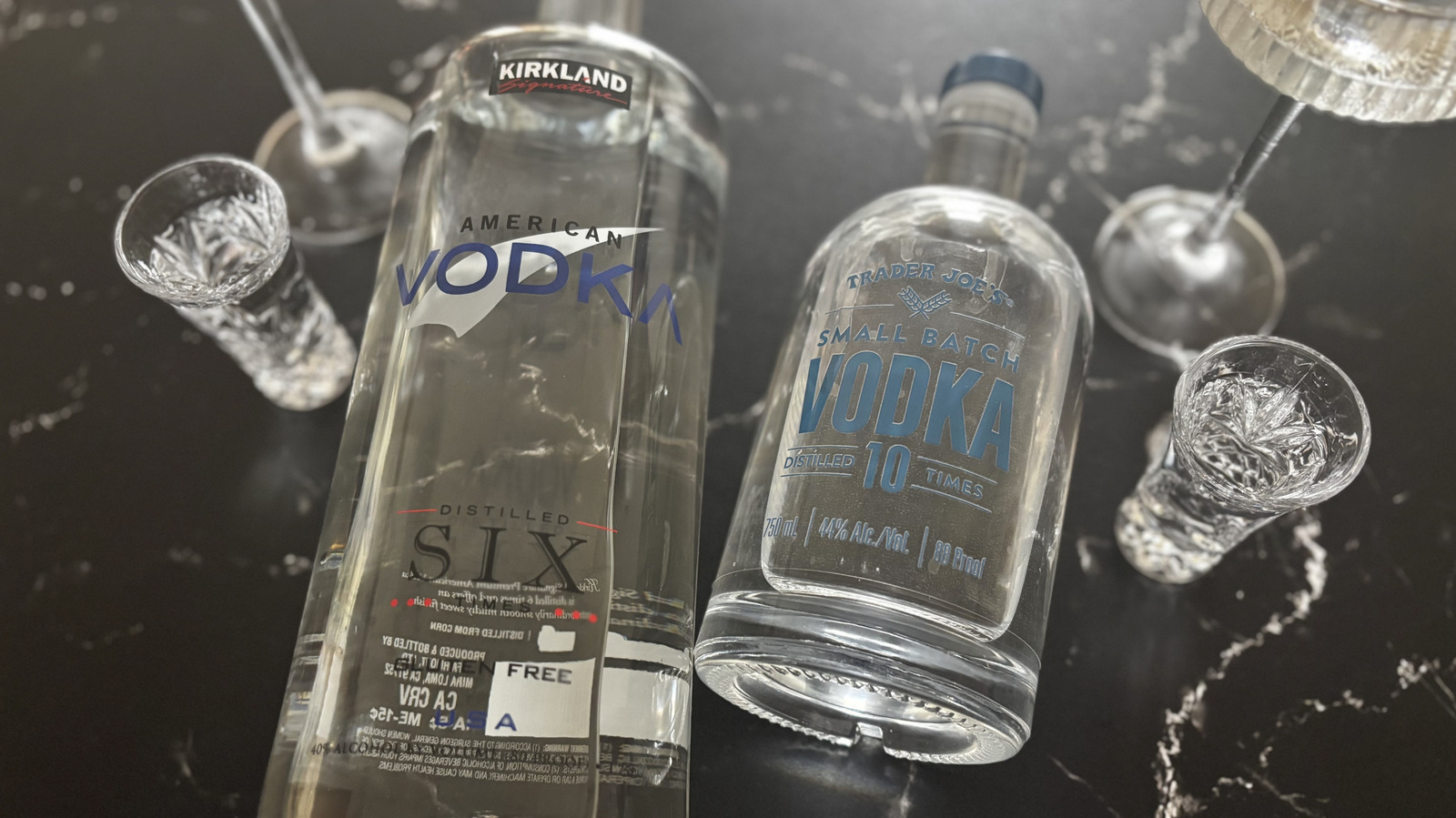
To definitively answer the question of which vodka reigns supreme, a systematic taste test was conducted, prioritizing an objective evaluation of each spirit. The assessment involved both neat tastings and a critical analysis within a classic cocktail context.
For the neat tasting, small, measured sips were taken, allowing ample time for the spirit to linger on the palate. The focus was on identifying subtle flavor notes, the overall mouthfeel, and the perceived smoothness or burn upon swallowing. A palate cleanser, in this instance, cherry juice, was employed between samplings to ensure a neutral starting point for each vodka.
Recognizing that vodka is a staple in countless mixed drinks, a vodka martini was selected as the cocktail of choice. This particular cocktail was chosen for its simplicity and its ability to highlight the inherent characteristics of the spirit. The minimal ingredients in a vodka martini ensure that the vodka itself remains the star, allowing its nuances to be readily discernible. A standard 3:1 ratio of vodka to dry vermouth was maintained, with a chilled serving glass and olive garnish to complete the preparation.
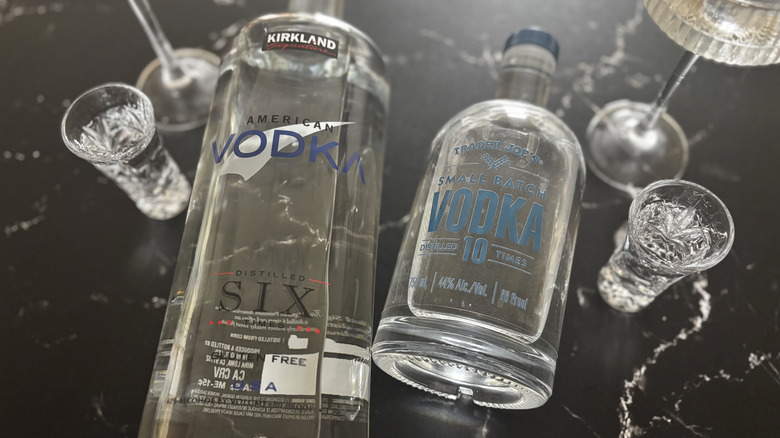
It is important to note that both Costco and Trader Joe’s offer a range of vodkas. For this comparison, specific selections were made to ensure a fair and relevant assessment. Costco’s Kirkland Signature American Vodka was chosen over its French counterpart, and Trader Joe’s Small Batch Vodka was selected instead of their Texas vodka or Vodka of the Gods. These choices were driven by the fact that both the American and Small Batch versions are corn-based and have garnered significant attention for their quality relative to price.
Key Distinctions in Production:
- Alcohol Content: Trader Joe’s Small Batch Vodka is bottled at 44% alcohol by volume (ABV), equivalent to 88 proof. Costco’s Kirkland Signature American Vodka is typically 40% ABV, or 80 proof. This difference in alcohol concentration can subtly influence the perceived intensity and burn of each spirit.
- Distillation: Trader Joe’s vodka undergoes a more extensive distillation process, being distilled 10 times. Costco’s Kirkland American Vodka is distilled six times. While the number of distillations does not always directly correlate with quality, a higher number can, in some cases, lead to a purer and smoother spirit by removing more impurities.
- Base Ingredient: Both vodkas are derived from corn, a common and cost-effective base for vodka production, known for contributing a slightly sweeter and smoother profile compared to grain-based spirits.
Price and Accessibility: The Economic Equation
The economic considerations surrounding these vodkas are a significant draw for consumers. As store-exclusive brands, their availability is inherently tied to their respective retail chains.
- Availability: Trader Joe’s Small Batch Vodka can be purchased at any Trader Joe’s location, offering broad accessibility to consumers who frequent the popular specialty grocer. Costco’s Kirkland Signature American Vodka, however, requires a Costco membership for purchase, which may present a barrier for some shoppers. This difference in accessibility can be a deciding factor for those who do not have a Costco membership or live far from a warehouse club.
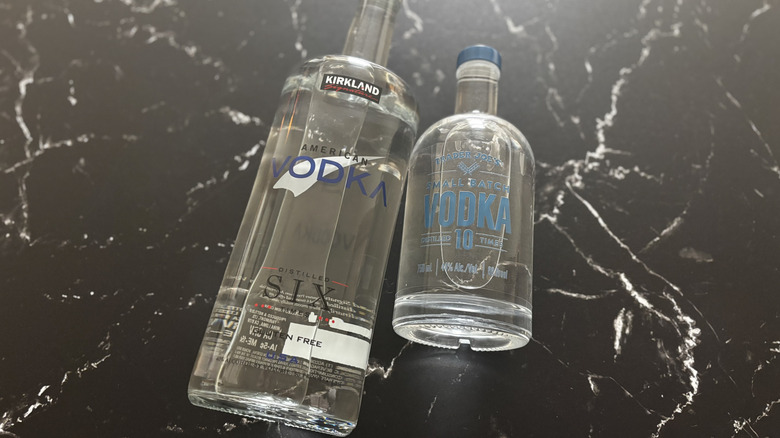
- Price Point: The pricing strategy further illustrates the value proposition. A 750-milliliter bottle of Trader Joe’s Small Batch Vodka typically retails for approximately $9.99. In contrast, Costco’s Kirkland Signature American Vodka is famously offered in a 1.75-liter magnum bottle for around $12.99. This stark contrast in volume for a marginal price difference gives Costco a significant advantage in terms of sheer cost-effectiveness per ounce. For bulk buyers or those looking to maximize their liquor budget, Costco’s offering presents a compelling economic argument.
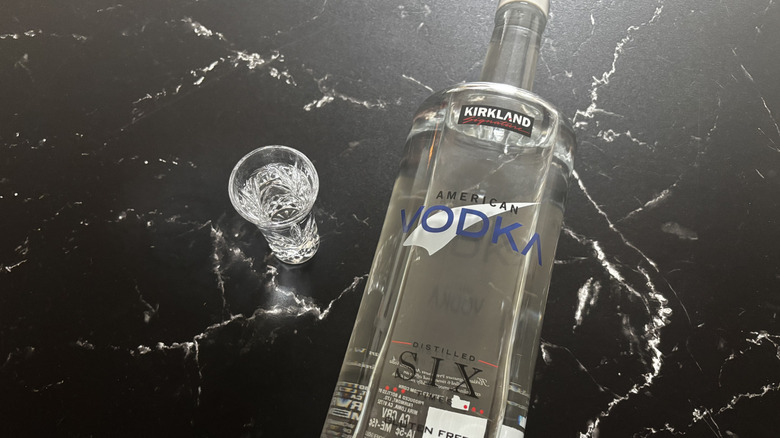
Taste Test: Costco’s Kirkland Signature American Vodka
The initial sensory evaluation of Kirkland Signature American Vodka began with its aroma. Unlike some vodkas that can carry harsh chemical notes reminiscent of nail polish remover, this offering presented a remarkably neutral scent. This lack of a pronounced odor served as a promising prelude to its flavor profile.
Upon tasting, the most striking characteristic of Costco’s vodka was its exceptionally silky mouthfeel. It coated the palate with a smooth, almost syrupy consistency, which, while luxurious, might be perceived as intensely rich by some. Flavor-wise, the vodka is decidedly neutral, with only the faintest hint of citrus perceptible beneath a predominantly earthy undertone. The overall impression was one of mellowness and mildness. A significant positive attribute was the minimal burn experienced during swallowing. Even with small sips, the ethanol harshness was remarkably absent, a testament to its smooth distillation process.
In summary, Costco’s American Vodka is a palatable, sleek, and mellow spirit. While one might wish for a more pronounced flavor, its neutral character makes it an exceptionally versatile ingredient for a wide array of cocktails.
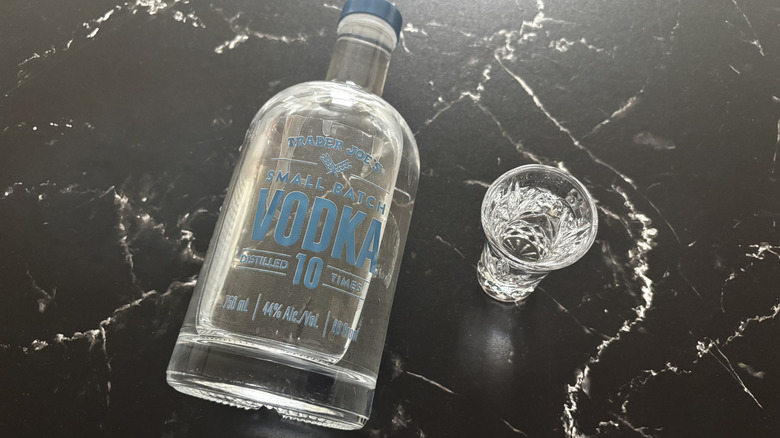
Taste Test: Trader Joe’s Small Batch Vodka
The aromatic profile of Trader Joe’s Small Batch Vodka was also subtle, though it possessed a slightly more discernible "vodka" scent compared to its Costco counterpart. It was not overpowering or sharp, but rather a gentle indication of its alcoholic nature.
The first sip revealed a more robust and intense character. While still smooth, the vodka exhibited a certain vivacity that set it apart. The mouthfeel was less clinging than Costco’s offering, and the flavor did not linger excessively after swallowing. A mild burn was present, but it was described as an "edge" rather than an unpleasant harshness, a characteristic that some consumers may find appealing. In terms of flavor, the earthy and slightly vegetal notes were more pronounced than in the Kirkland vodka, offering a clearer, albeit still subtle, taste experience.
Overall, Trader Joe’s Small Batch Vodka delivers a balanced and relatively neutral profile, with a slight kick that distinguishes it. Its ability to hold its own in cocktails without being overwhelmed by other ingredients is a key advantage.
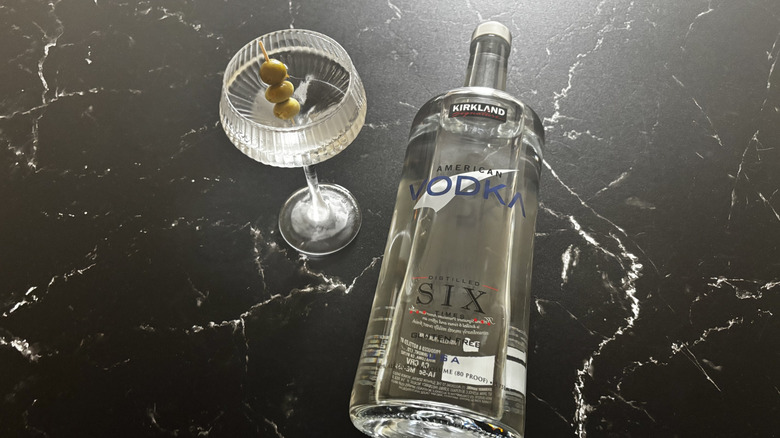
Cocktail Analysis: Costco’s Kirkland Signature American Vodka Martini
To assess how Kirkland Signature American Vodka performs in a mixed drink, a classic vodka martini was prepared using a 3:1 ratio of vodka to dry vermouth, stirred and served chilled with olive garnishes.
The resulting cocktail was undeniably boozy, as expected, but it provided valuable insight into the vodka’s behavior with other ingredients. The subtle citrus notes of the vodka harmonized well with the slightly citrusy and floral characteristics of the dry vermouth. No clashing flavors or unwelcome sensations were detected. The inherent silkiness of the vodka translated effectively into the cocktail, contributing to an easily drinkable, albeit potent, beverage. The smooth finish meant it did not overtly taste like pure alcohol, despite its high proof.
The Kirkland American Vodka truly shone in this martini preparation. The addition of vermouth enhanced its natural, albeit understated, citrus notes. While its performance in other cocktail styles remains to be definitively tested, its success in a vodka-forward preparation suggests broad applicability.
Cocktail Analysis: Trader Joe’s Small Batch Vodka Martini
The same cocktail preparation was replicated for Trader Joe’s Small Batch Vodka. This martini also proved to be a successful rendition, with the vermouth effectively mellowing any potential harshness from the vodka.
This iteration of the martini exhibited a slightly more pronounced citrus-forward edge, resulting in a beverage with a more robust overall flavor profile. The brininess of the olives complemented the vodka’s character, creating a cocktail that was boozy, smooth, and perhaps bolder than its Costco counterpart.
While the mouthfeel was perceived as slightly less refined than the Costco martini, the slight harshness was not deemed detrimental. Instead, it contributed to a more intense, "rough-around-the-edges" flavor profile that some may find desirable. Despite its less sleek texture, the TJ’s martini was still remarkably easy to drink, and its added bite could be a significant selling point for certain palates.
Final Verdict: Determining the Superior Store-Brand Vodka
After a thorough comparative tasting of both Costco’s Kirkland Signature American Vodka and Trader Joe’s Small Batch Vodka, both emerge as commendable options within the value spirit category. However, if a singular winner must be declared, Costco’s Kirkland Signature American Vodka edges out its competitor.
The sheer smoothness and exceptionally mellow flavor profile of the Kirkland American Vodka were its defining characteristics. In comparison to the slightly more robust Trader Joe’s offering, the luxurious mouthfeel of the Costco vodka made a significant impression. For those who prioritize the absence of burn and a remarkably sleek drinking experience, as the author does, the Kirkland vodka stands out. The preference for smoothness over a stronger flavor profile is a key differentiator in this evaluation.
This endorsement of Costco’s vodka does not diminish the quality of Trader Joe’s Small Batch Vodka. It remains an excellent vodka with an unbeatable price point (though Costco offers superior volume for the cost). It is particularly well-suited for individuals who prefer a slightly more assertive vodka that is less mild and mellow. Both vodkas possess distinct merits and occupy valuable niches in the market. For those seeking to stock their liquor cabinets, the Kirkland vodka is a personal recommendation. However, the ultimate decision rests with individual preference, and trying both is highly encouraged, as neither option represents a poor choice.
