
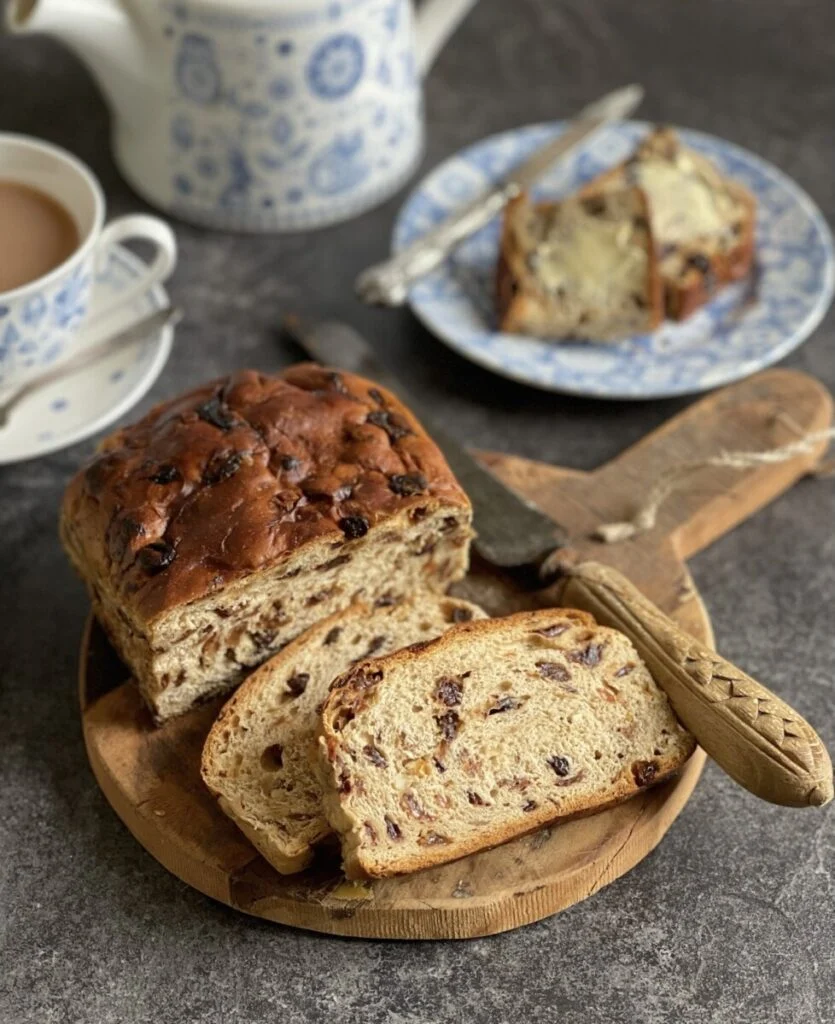
The culinary landscape of Cornwall has been enriched with the official unveiling of the Cornish Fruited Tea Bread, a distinctive new creation by acclaimed food writer Karen Burns-Booth. This innovative fruit loaf, distinguished by its yeasted dough and the aromatic infusion of saffron and tea-soaked fruits, represents a significant collaboration with luxury travel provider Viking Cruises and the pioneering Tregothnan Estate, Britain’s premier tea plantation. Unveiled on June 4, 2026, this delectable bread offers a fresh interpretation of traditional Cornish baking, drawing particular inspiration from the iconic Cornish Saffron Cake but introducing a unique tea-based liquid for its preparation. Designed to be savored in myriad ways, from a morning staple to a comforting evening snack, the Cornish Fruited Tea Bread is poised to become a new emblem of Cornwall’s rich gastronomic heritage and its burgeoning reputation for local produce innovation.

The Genesis of a Culinary Collaboration: Bridging Tradition and Modernity
The development of the Cornish Fruited Tea Bread is rooted in a collaborative effort that harmonizes established culinary expertise with the unique offerings of Cornwall. Karen Burns-Booth, a well-regarded figure in food writing, known for her dedication to traditional British recipes and creative adaptations, embarked on this project a few years prior, following an illuminating visit to the Tregothnan Tea Gardens. Her vision was to craft a bread that paid homage to Cornish baking while introducing a novel element that celebrated the region’s emerging tea industry.

Viking Cruises, a company renowned for its commitment to destination-focused itineraries and immersive cultural experiences, played a pivotal role in commissioning this recipe. Their interest lay in enhancing the onboard and onshore culinary journeys for their passengers, offering authentic tastes of the regions they explore. The partnership with Burns-Booth and Tregothnan Estate underscores Viking’s philosophy of connecting travelers with the local flavors and stories that define each port of call. By integrating a uniquely Cornish tea bread, Viking Cruises aims to provide a tangible and delicious link to the county’s distinct character, further enriching the travel experience for their guests.
Tregothnan Estate, situated in the verdant valleys of Cornwall, stands as a testament to agricultural innovation. As the first estate in the UK to successfully cultivate tea on a commercial scale, Tregothnan has transformed the British tea industry, proving that the camellia sinensis plant can thrive in the temperate Cornish climate. Their commitment to sustainable practices and the production of high-quality English tea has garnered international recognition. The visit by Karen Burns-Booth to these historic tea gardens provided the crucial spark for the Cornish Fruited Tea Bread. Witnessing the tea cultivation firsthand and understanding the nuances of Tregothnan’s unique blends inspired the decision to substitute traditional milk with tea as the primary liquid ingredient, thereby imbuing the fruit loaf with an unprecedented depth of flavor and a distinct regional identity. This strategic shift moves the bread beyond a simple tea loaf, positioning it as a yeasted sweet bread, akin to a richer, more substantial offering.

A Deep Dive into the Recipe: Saffron, Yeast, and Cornish Tea
At its core, the Cornish Fruited Tea Bread is a masterclass in marrying classic baking techniques with innovative flavor profiles. The choice of yeast as the leavening agent is fundamental, distinguishing it from simpler, quicker tea loaves that typically rely on chemical leaveners like baking powder. This yeast-based approach results in a denser, more substantial crumb, characteristic of traditional sweet breads such as Hot Cross Buns. The fermentation process imparted by the yeast also contributes to a richer, more complex flavor development, enhancing the overall eating experience.

Saffron, a spice synonymous with Cornish baking, retains its central role in this new creation. The inclusion of saffron not only imparts its signature golden hue but also contributes a subtly sweet, hay-like aroma and a delicate, earthy flavor that has long been cherished in the region’s culinary traditions. Historically, saffron was a luxury spice, indicating the special status of breads like the Cornish Saffron Cake, often baked for celebratory occasions. In the Cornish Fruited Tea Bread, saffron threads are steeped alongside dried fruits in a potent tea infusion, allowing their flavors to meld and deepen before being incorporated into the dough.
The defining characteristic, however, is the innovative use of English tea from Cornwall as the primary liquid. While the original article does not specify the exact tea blend, it can be logically inferred that Tregothnan Estate’s own tea would be featured, given their direct involvement in the collaboration. This choice replaces the milk traditionally used in Cornish Saffron Cake, creating a lighter, yet equally flavorful, moist fruit bread. The tea infusion serves multiple purposes: it rehydrates and plumps the dried fruits, infusing them with nuanced tea notes, and it forms the liquid base of the dough, lending a subtle, aromatic complexity throughout the loaf. This tea-infused approach offers a sophisticated twist, elevating the fruit bread beyond its conventional counterparts. The result is a bread that is not only rich in fruit and spice but also carries the subtle, fragrant undertones of fine Cornish tea.

Versatility and Culinary Applications: A Bread for All Occasions
The Cornish Fruited Tea Bread’s robust texture and rich flavor profile make it exceptionally versatile, suitable for a wide array of culinary applications throughout the day. Karen Burns-Booth highlights its particular suitability for breakfast, especially when served thickly sliced and generously spread with butter. The addition of local Cornish butter, such as that from Rodda’s, further enhances the regional authenticity and creamy richness of the experience. For those with a sweeter palate, it pairs beautifully with a dollop of fruit jam or tangy marmalade, transforming a simple breakfast into a more indulgent affair.

One of its most appealing attributes is its ability to toast exquisitely, particularly when the bread has become slightly stale. This characteristic not only extends its shelf life but also transforms its texture, creating a delightful contrast between a crisp exterior and a warm, tender interior. When toasted, the tea-infused fruit and saffron notes become even more pronounced, releasing their fragrant aromas. The article also suggests a less conventional but equally delectable pairing: toasted slices served with cheese. This sweet and savory combination offers a sophisticated snack, perfect for an afternoon treat or an evening indulgence.
Beyond breakfast, the Cornish Fruited Tea Bread is presented as an ideal "supper snack." This traditional British concept of a light, comforting bite before bed finds its perfect match in this fruit loaf. Paired with a warm mug of milky coffee or a comforting Horlicks, it provides a soothing end to the day. This adaptability underscores its potential to become a beloved staple in homes, embodying comfort and tradition with a modern twist. The explicit mention of "a cuppa" alongside its consumption reinforces its quintessential British appeal, celebrating the ritual of tea-drinking that is deeply ingrained in the nation’s culture, especially in Cornwall.

Economic and Cultural Resonance: Boosting Cornish Identity
The introduction of the Cornish Fruited Tea Bread carries significant implications for Cornwall’s economy and cultural identity. This culinary innovation, born from a partnership between a celebrated food writer, a global cruise line, and a local pioneering estate, serves as a powerful marketing tool for the region.

Firstly, its association with Viking Cruises provides unparalleled international exposure. As passengers experience this unique bread, they are directly exposed to Cornish produce and culinary creativity, potentially inspiring them to explore Cornwall further or seek out its distinctive products. This directly contributes to culinary tourism, a growing sector that drives visitors to destinations based on their food and drink offerings. The recipe could feature on Viking Cruise menus, in onboard cooking demonstrations, or as part of onshore excursions, thereby amplifying Cornwall’s profile on a global stage.
Secondly, the recipe champions local produce. By explicitly using (or implicitly suggesting) Tregothnan tea and Cornish butter, the Cornish Fruited Tea Bread highlights the quality and uniqueness of ingredients sourced directly from the region. This can lead to increased demand for these products, supporting local farmers and producers and fostering a stronger sense of local economic resilience. It reinforces the narrative of Cornwall as a place not just of stunning landscapes but also of exceptional, high-quality agricultural output.

Thirdly, the tea bread acts as a bridge between culinary heritage and innovation. While inspired by the historic Cornish Saffron Cake, it is not merely a replication but an evolution. By incorporating tea, it demonstrates how traditional recipes can be adapted to reflect contemporary tastes and local innovations, ensuring that culinary heritage remains dynamic and relevant. This narrative is crucial for preserving cultural identity while simultaneously fostering progress.
From a chronological perspective, the launch of this bread in 2026, building on a collaboration initiated "a few years ago" (implying around 2023-2024), suggests a careful and considered development process. This timeline allows for recipe refinement, ingredient sourcing, and strategic marketing planning, ensuring a successful rollout. The inclusion of "More Cornish Recipes or Recipes using Cornish Ingredients" and "More Dried Fruit Recipes" in the original source, while merely links, implies a broader context of Burns-Booth’s ongoing dedication to regional British cuisine and specifically Cornish gastronomy. This further cements the tea bread’s place within a larger culinary movement.

Inferred reactions to this launch would undoubtedly be positive from various stakeholders. The Cornwall Tourist Board would likely commend the initiative for promoting the county’s unique offerings. Local food critics and bloggers would celebrate the inventive twist on a classic. Tregothnan Estate would see it as a validation of their tea production and a fantastic platform for broader brand recognition. Viking Cruises would undoubtedly highlight the unique culinary experience as a draw for their discerning clientele, emphasizing their commitment to authentic travel.
Nutritional Information and Broader Implications

For consumers mindful of dietary information, the Cornish Fruited Tea Bread offers transparent nutritional data:
- Yield: 10 servings
- Serving Size: 1 slice
- Amount Per Serving:
- Calories: 304
- Total Fat: 10g
- Saturated Fat: 6g
- Unsaturated Fat: 4g
- Cholesterol: 26mg
- Sodium: 189mg
- Carbohydrates: 48g
- Fiber: 2g
- Sugar: 12g
- Protein: 5g
This information indicates a moderately calorific and carbohydrate-rich food, typical for a sweet bread laden with fruit. The fat content, particularly saturated fat, suggests the use of butter or other fats in the dough, contributing to its richness and texture. The fiber content is a positive aspect, owing to the inclusion of dried fruits. Such detailed nutritional data is increasingly important for consumers making informed dietary choices, and its provision reflects a professional and responsible approach to recipe sharing.

The broader implication of this launch extends beyond immediate consumption. The Cornish Fruited Tea Bread stands as a symbol of regional pride and culinary ingenuity. It demonstrates that traditional foodways are not static but can evolve through thoughtful innovation and strategic partnerships. The collaboration between a renowned chef, a luxury travel brand, and a local producer exemplifies a modern approach to cultural promotion, where gastronomy becomes a central pillar of identity and experience. As global travel continues to emphasize authentic, local encounters, dishes like the Cornish Fruited Tea Bread will play an increasingly vital role in defining and celebrating regional distinctions. It is more than just a recipe; it is a culinary narrative, a piece of Cornwall’s evolving story, inviting both locals and visitors to taste its rich heritage and promising future.
