
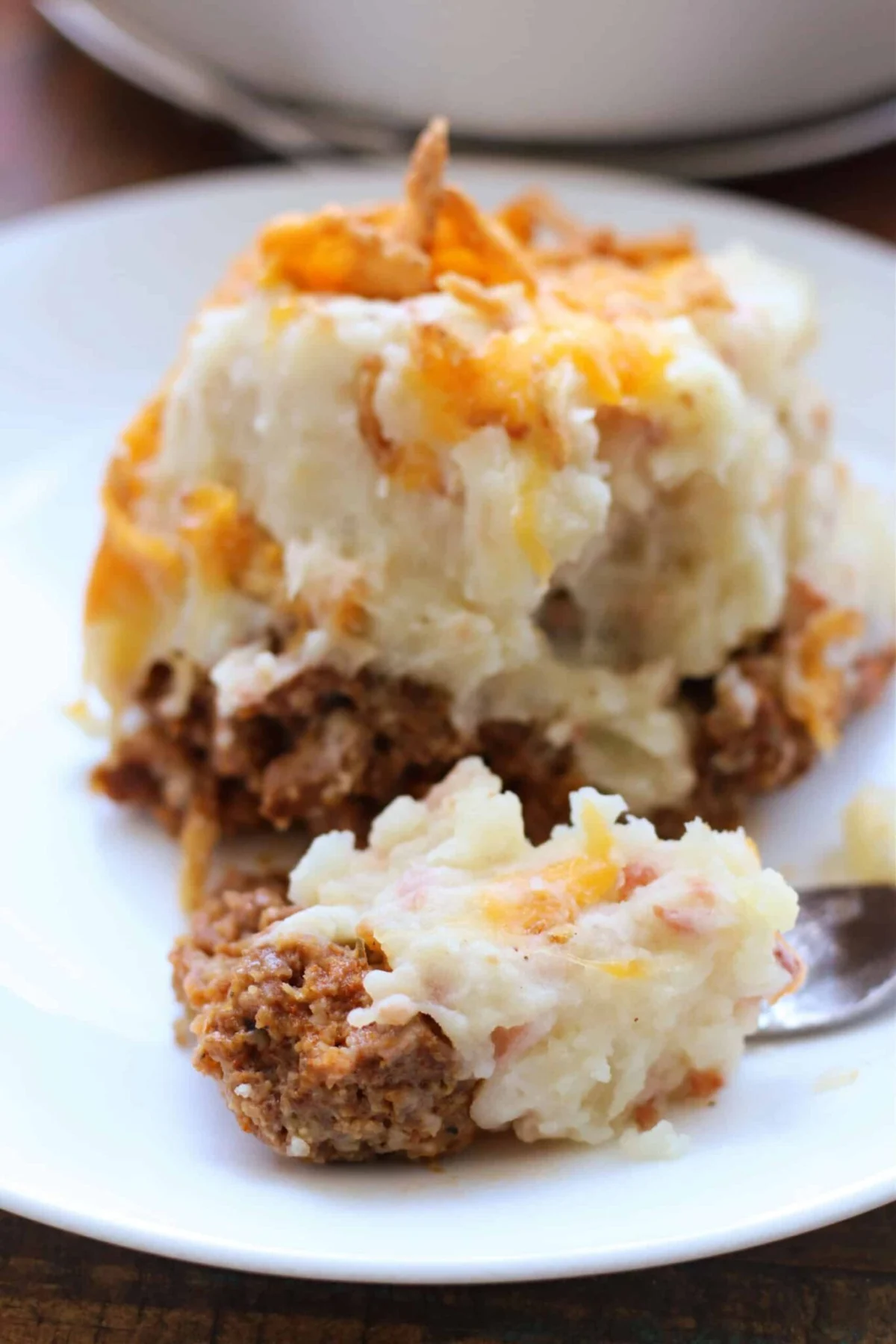
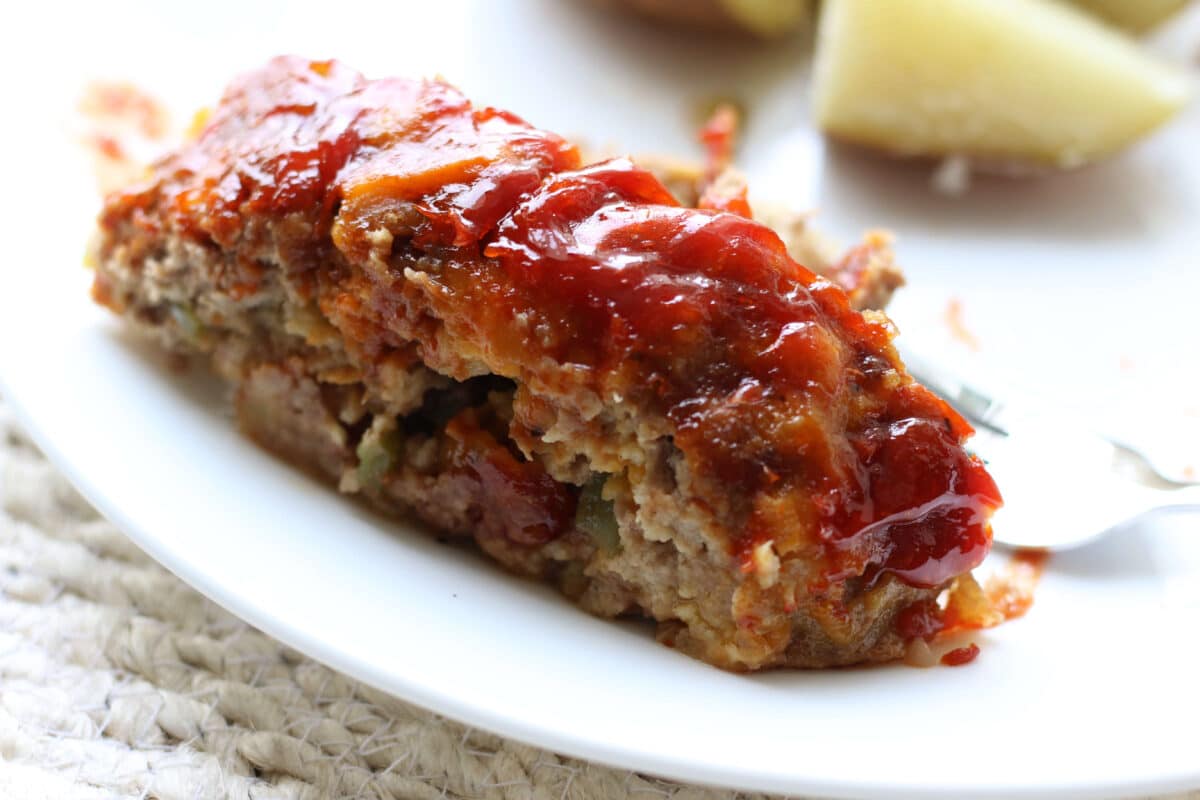
The culinary landscape of the United States is frequently defined by the intersection of convenience, nostalgia, and regional tradition, a niche expertly occupied by the "copycat" recipe phenomenon. Among the most sought-after recreations in the domestic kitchen is the signature meatloaf from Cracker Barrel Old Country Store, a dish that has become a cornerstone of American comfort food. This particular iteration of the recipe distinguishes itself from standard meatloaf preparations through a specific combination of ingredients—including buttery crackers, sharp cheddar cheese, and a dual-stage glazing process—that aims to replicate the precise texture and flavor profile served at the restaurant chain’s nearly 700 locations across 45 states.
Technical Specifications and Ingredients
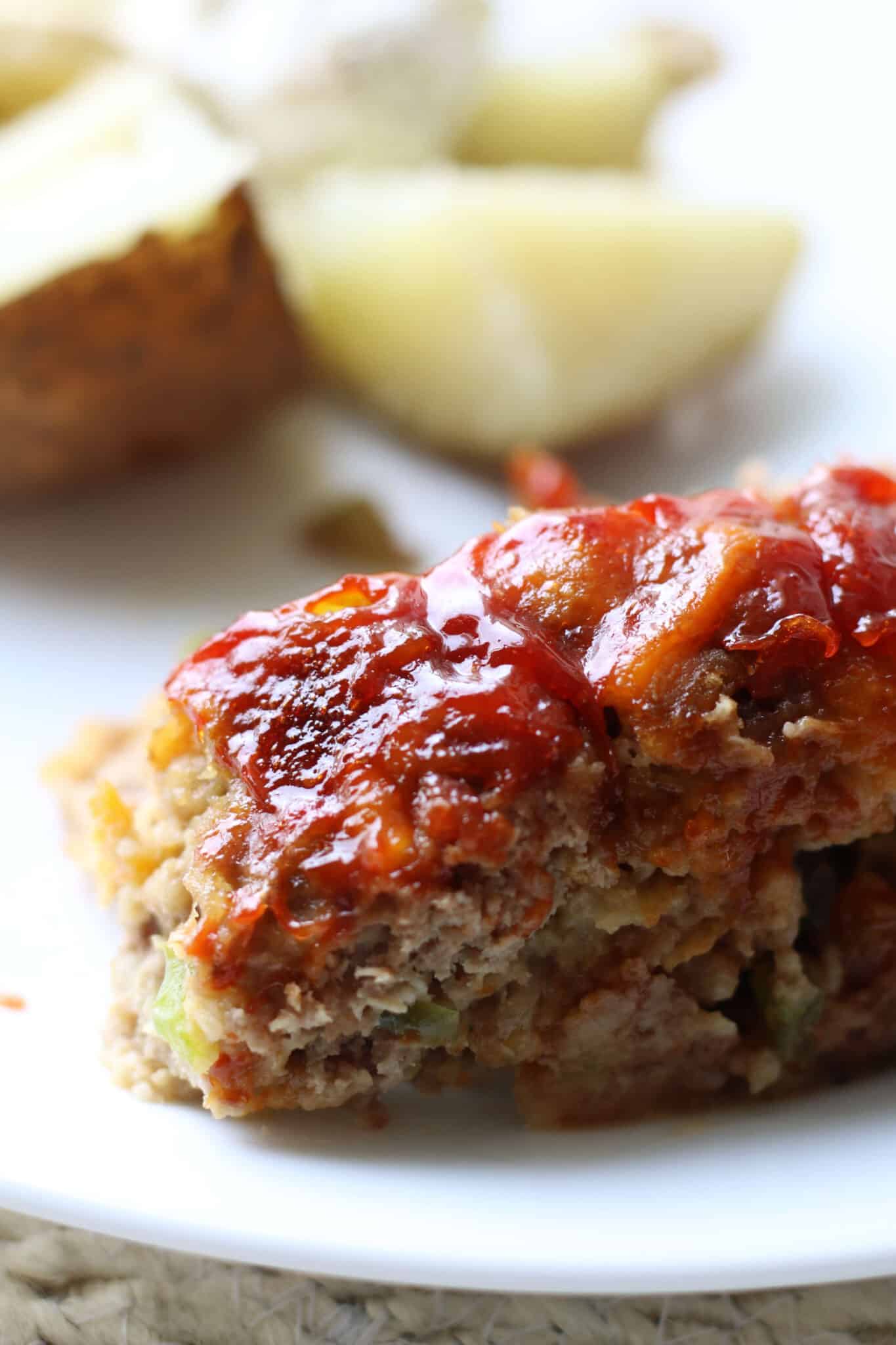
The structural integrity and flavor profile of the Copycat Cracker Barrel Meatloaf rely on a departure from traditional breadcrumb-based binders. In this version, the use of crushed Ritz crackers serves as the primary starch component. Culinary analysts note that the higher fat content and flaky texture of these crackers contribute to a more tender "crumb" within the meatloaf, preventing the dense, brick-like consistency that often plagues home-cooked versions.
The ingredient list is categorized into three functional groups: the protein base, the aromatic and structural binders, and the exterior glaze. The protein component typically utilizes a blend of ground beef and ground turkey. This hybrid approach is often employed by modern home cooks to balance the rich flavor of beef with the leaner profile of turkey, though the restaurant original is traditionally beef-centric.
The aromatic base involves a deliberate sautéing process. Unlike many "quick" recipes that call for raw onions and peppers, this method requires the vegetables to be softened in oil for five to seven minutes. This chemical transformation reduces the sulfurous bite of the onions and ensures that the moisture content of the vegetables is integrated into the loaf without creating pockets of steam that could compromise the structure.
The inclusion of one full cup of shredded cheddar cheese acts as an internal basting agent. As the meatloaf reaches its internal temperature, the cheese melts, distributing fats and proteins throughout the meat mixture, which enhances the "mouthfeel" and moisture retention. The binder is completed with eggs and half-and-half, creating a panade-like environment that keeps the proteins from tightening too much during the roasting process.
Methodological Chronology of Preparation
The preparation of the meatloaf follows a rigorous timeline designed to maximize flavor development and ensure food safety.
- Thermal Priming and Aromatic Preparation: The process begins with preheating the oven to 350°F (177°C). Simultaneously, finely diced onions and green bell peppers are sautéed over medium-high heat. This step is critical for flavor layering, as the caramelization of the natural sugars in the vegetables provides a savory depth that raw ingredients cannot achieve.
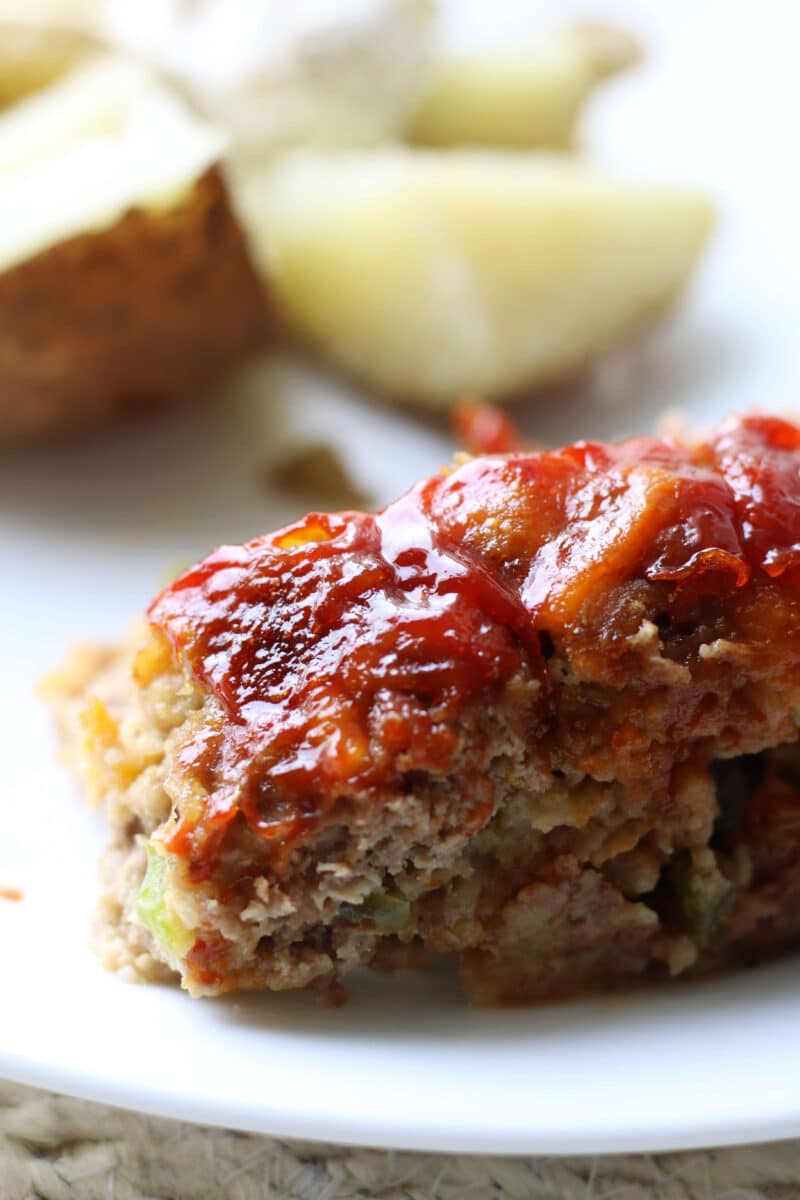
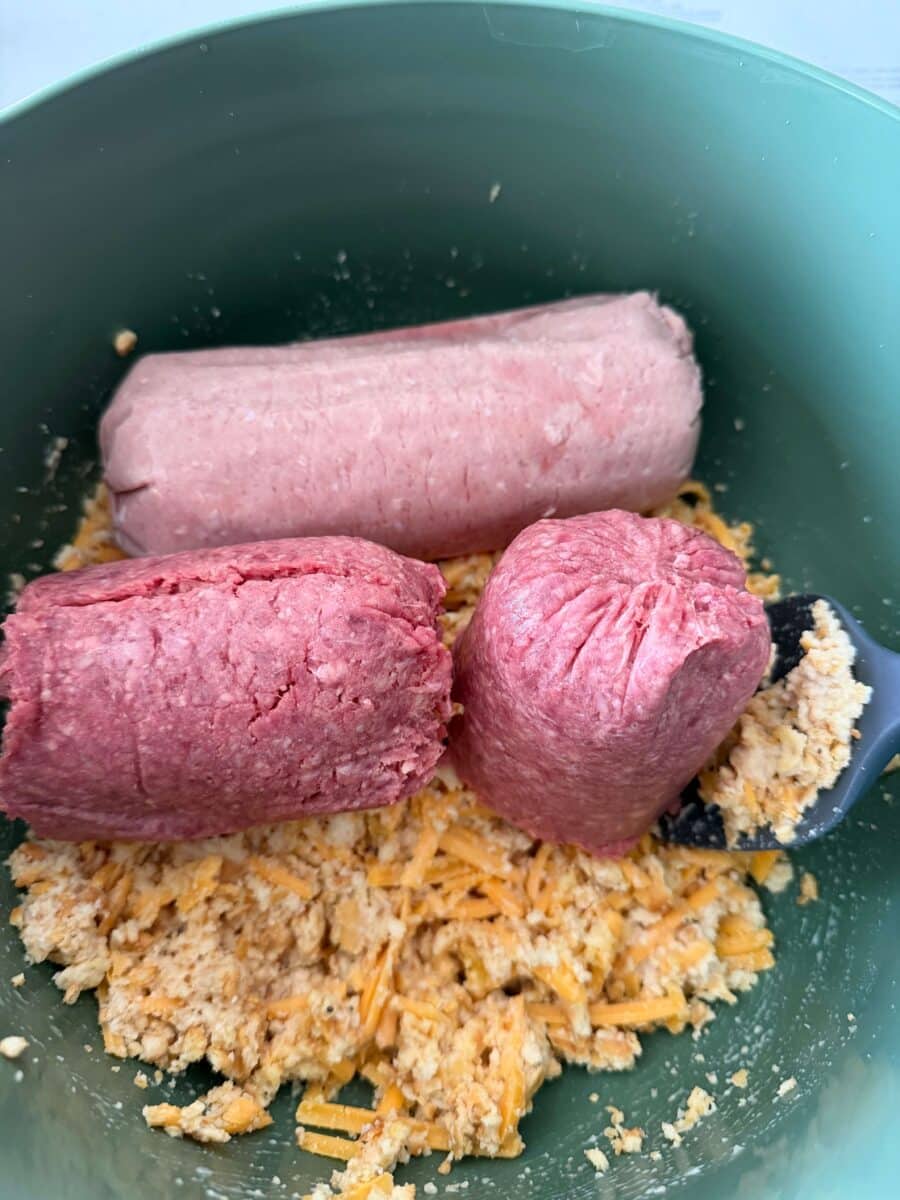
- Binder Integration: While the aromatics cool, the dry and liquid binders—crushed crackers, eggs, cheddar cheese, half-and-half, salt, and pepper—are combined in a large mixing vessel. This allows the crackers to begin absorbing the liquid, ensuring an even distribution of moisture.
- Protein Incorporation: The cooled vegetables are added to the binder, followed by the ground meats. Professional culinary guidelines suggest using hands for this stage to ensure the ingredients are evenly distributed without overworking the meat, which can lead to a tough texture.
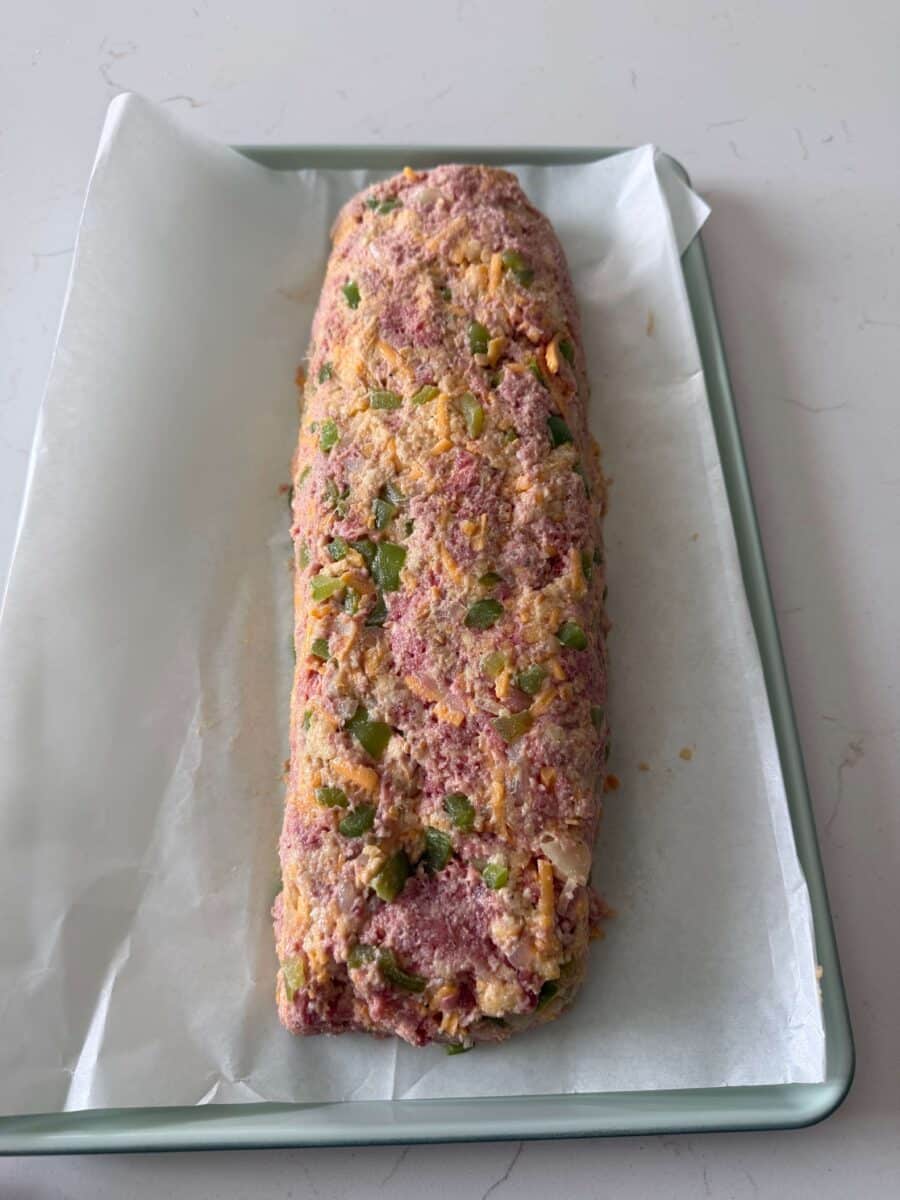
- Structural Formation: The mixture is shaped into a rectangular loaf, approximately nine inches by three inches. It is placed on a sheet pan rather than a deep loaf pan. This allows for better heat circulation and more surface area for the glaze to adhere to.
- The Dual-Stage Roasting Process: The loaf is baked for an initial 30 minutes. During this window, the exterior begins to set and the internal fats start to render.
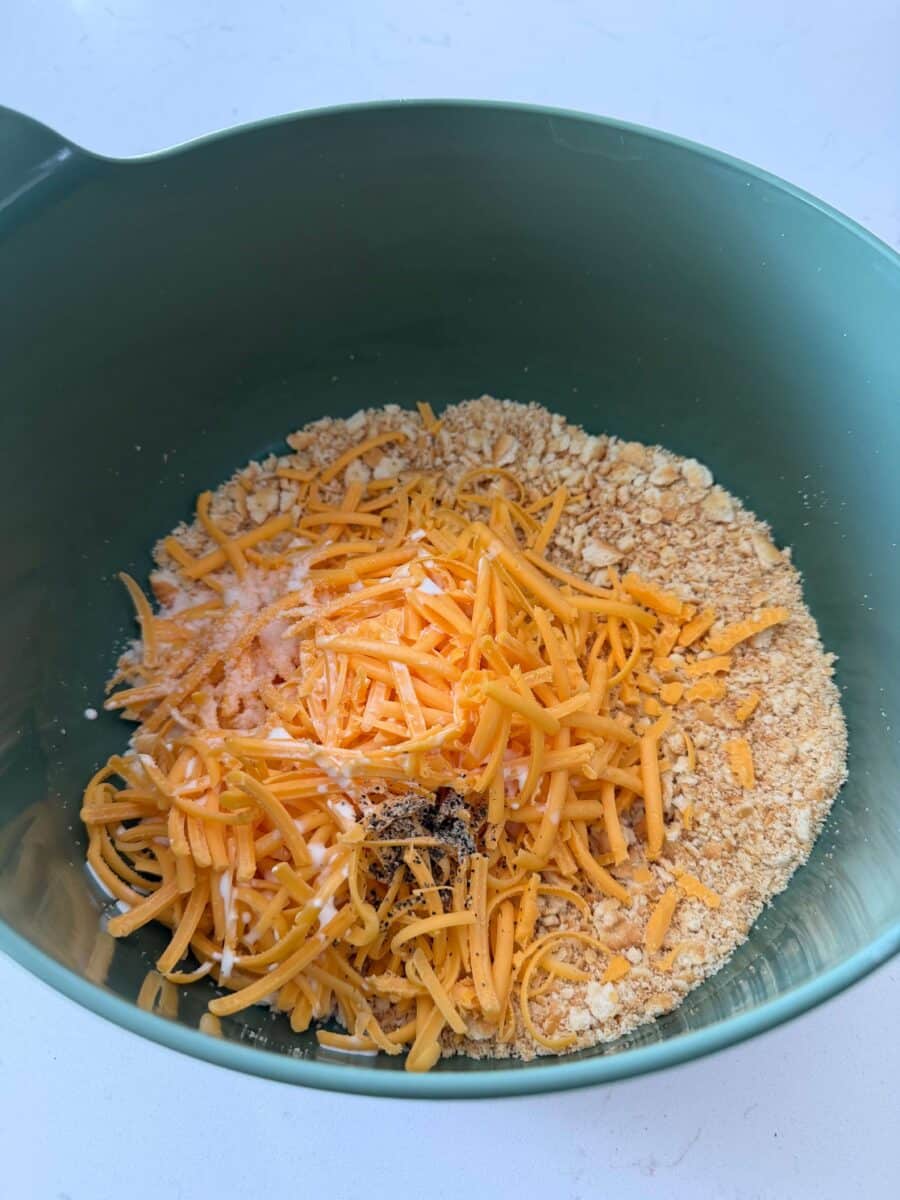
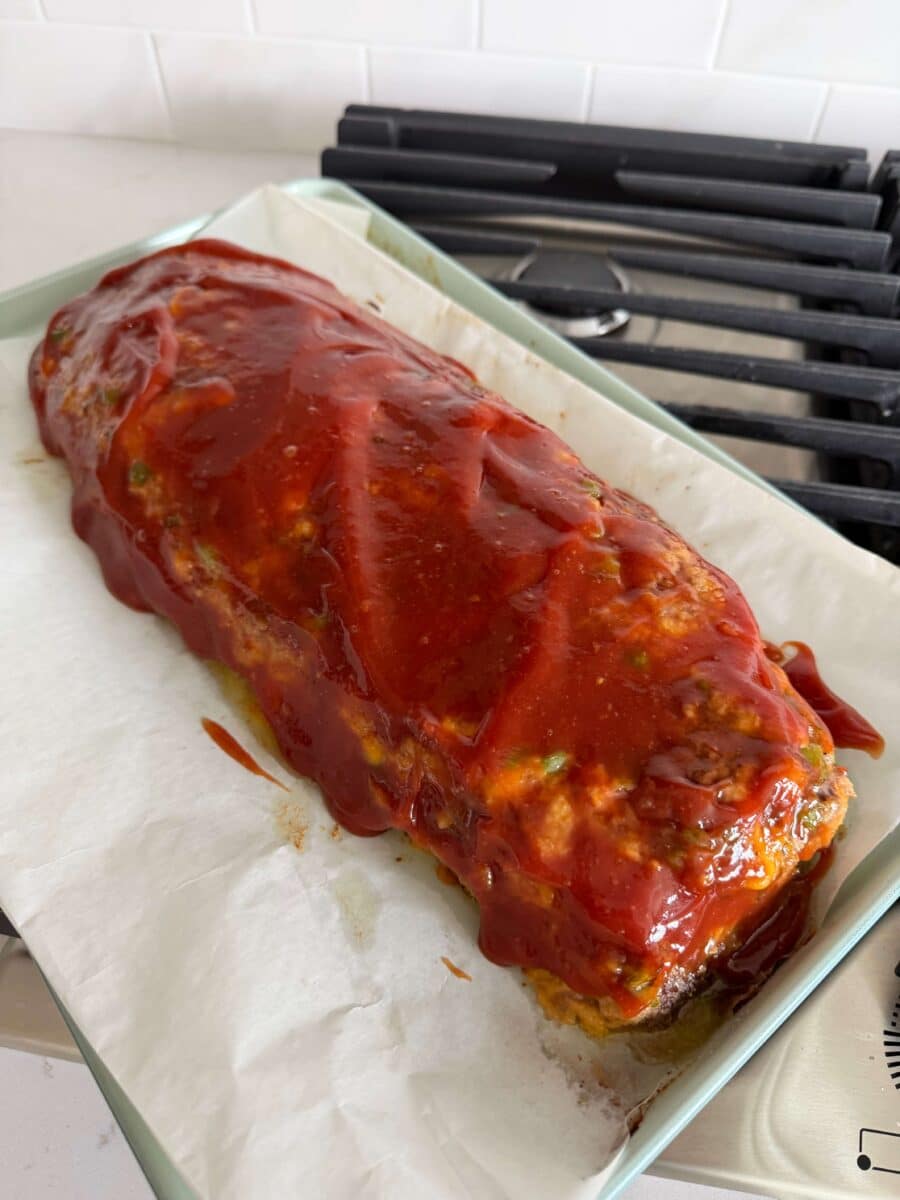
- Glazing: A mixture of ketchup, brown sugar, and mustard is prepared. After the initial 30 minutes of baking, this tangy-sweet glaze is applied liberally over the surface.
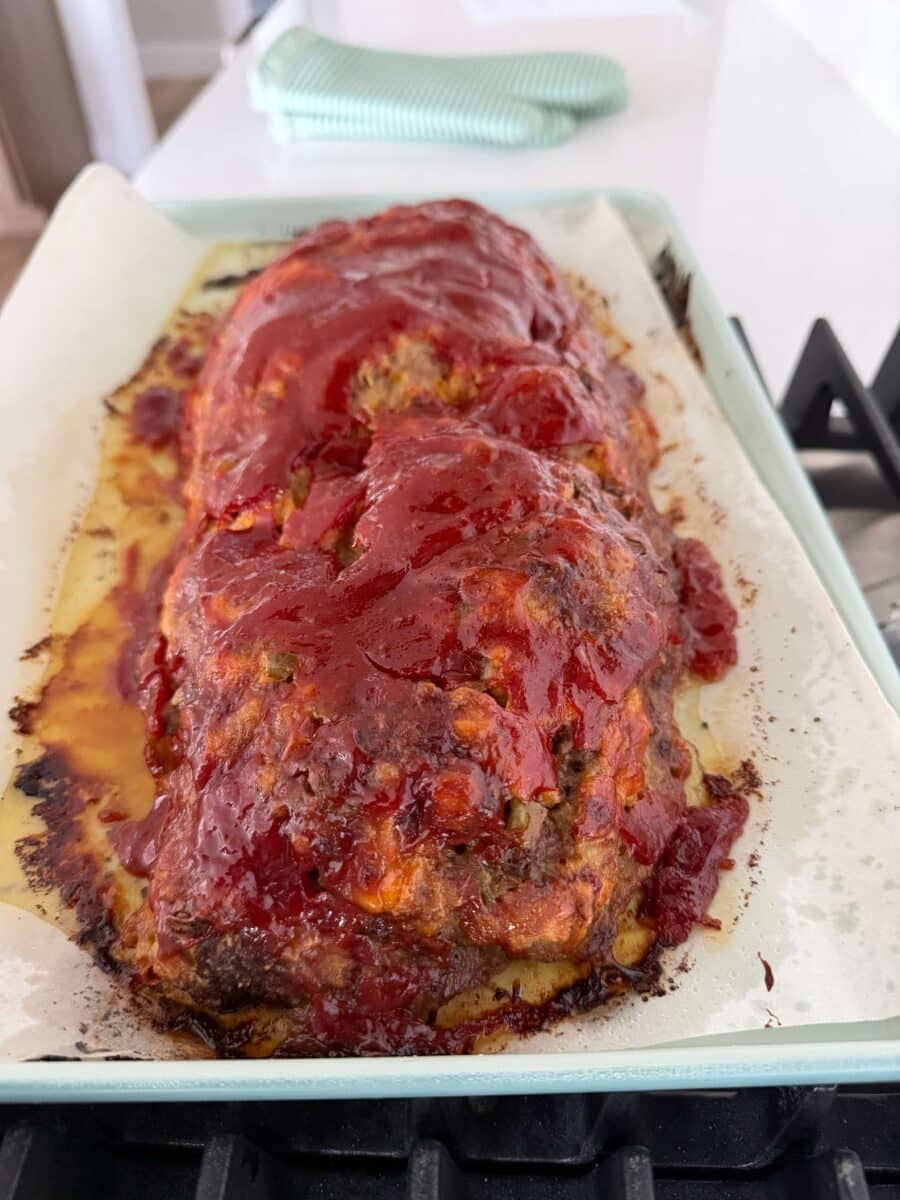
- Final Roasting and Resting: The meatloaf returns to the oven for an additional 30 minutes. Following the completion of the cooking cycle, a mandatory 10-minute resting period is observed. This allows the juices to redistribute and the internal structure to firm up, ensuring clean slices upon service.
The Role of the ‘Copycat’ Phenomenon in Modern Gastronomy
The rise of recipes like the Copycat Cracker Barrel Meatloaf reflects a broader socio-economic trend in American food consumption. Market research indicates that "copycat" recipes see a surge in popularity during periods of economic fluctuation. When consumers reduce their frequency of dining out, they seek to replicate "restaurant-quality" experiences within the home.
Furthermore, the digital democratization of culinary secrets has shifted the power dynamic between commercial kitchens and home cooks. Platforms dedicated to recipe testing and reverse-engineering restaurant staples have allowed families to control the quality of ingredients, such as choosing organic meats or reducing sodium levels, while maintaining the nostalgic flavor profiles associated with major brands.
Historical and Cultural Context
To understand the appeal of this specific meatloaf, one must look at the history of the dish and the institution of Cracker Barrel itself. Meatloaf rose to prominence in the United States during the Great Depression as a way to stretch expensive meat portions with cheaper fillers like crackers or bread. It solidified its place in the American canon during World War II as a reliable, ration-friendly staple.
Cracker Barrel Old Country Store, founded by Dan Evins in 1969 in Lebanon, Tennessee, leveraged this nostalgia. By positioning itself as a roadside "home away from home," the chain turned domestic staples into commercial successes. The meatloaf, in particular, became a symbol of Southern hospitality and consistent quality. By recreating this dish at home, consumers are not just making a meal; they are engaging with a specific aesthetic of Americana.
Supporting Data and Nutritional Analysis
From a nutritional standpoint, a home-prepared version of this meatloaf offers significant transparency compared to its commercial counterpart. A standard serving of restaurant meatloaf can contain high levels of hidden sodium and preservatives used to maintain freshness in a high-volume environment.
Data from the USDA suggests that using a mix of 90% lean beef and ground turkey can reduce the saturated fat content by approximately 15-20% compared to traditional all-beef recipes. Furthermore, the use of Ritz crackers, while adding a specific flavor, introduces a different caloric profile than standard whole-wheat breadcrumbs. Each cracker contains approximately 16 calories and 0.9 grams of fat; in a recipe utilizing a sleeve of crackers, this adds a significant but manageable energy density to the dish.
Market analysts observe that the "comfort food" sector of the grocery industry—specifically ground meat and block cheese—remains resilient even when other luxury food categories decline. The meatloaf remains a high-value meal, providing multiple servings and potential for "leftover" applications, such as sandwiches, which further enhances its economic appeal to the average household.
Broader Impact and Industry Implications
The proliferation of high-quality copycat recipes has forced the casual dining industry to innovate. When consumers can produce a near-identical version of a signature dish like Cracker Barrel’s meatloaf at a fraction of the cost, restaurants must lean more heavily into the "experience" and "hospitality" aspects of their business model.
However, industry experts also suggest that these recipes act as a form of "passive marketing" for the brands. A home cook who successfully recreates a Cracker Barrel dish may feel a stronger brand affinity, leading to increased visits to the actual restaurant when they choose to dine out. It reinforces the dish’s status as a "gold standard" in the comfort food category.
Conclusion and Future Outlook
The Copycat Cracker Barrel Meatloaf represents more than just a successful culinary formula; it is a testament to the enduring nature of traditional American flavors in an era of rapidly changing food trends. By combining accessible ingredients with a methodical approach to preparation, the recipe bridges the gap between professional food service and domestic utility.
As home cooking continues to evolve with the help of digital resources and specialized appliances like air fryers and slow cookers, the meatloaf remains a versatile canvas for innovation. Whether served in a rural Tennessee dining room or a modern urban kitchen, the dish continues to satisfy a fundamental consumer desire for consistency, warmth, and a tangible connection to culinary history. Future iterations of the recipe may incorporate gluten-free crackers or plant-based meat substitutes, but the core architecture—the sweet glaze, the savory aromatics, and the tender crumb—will likely remain a permanent fixture of the American menu.
