
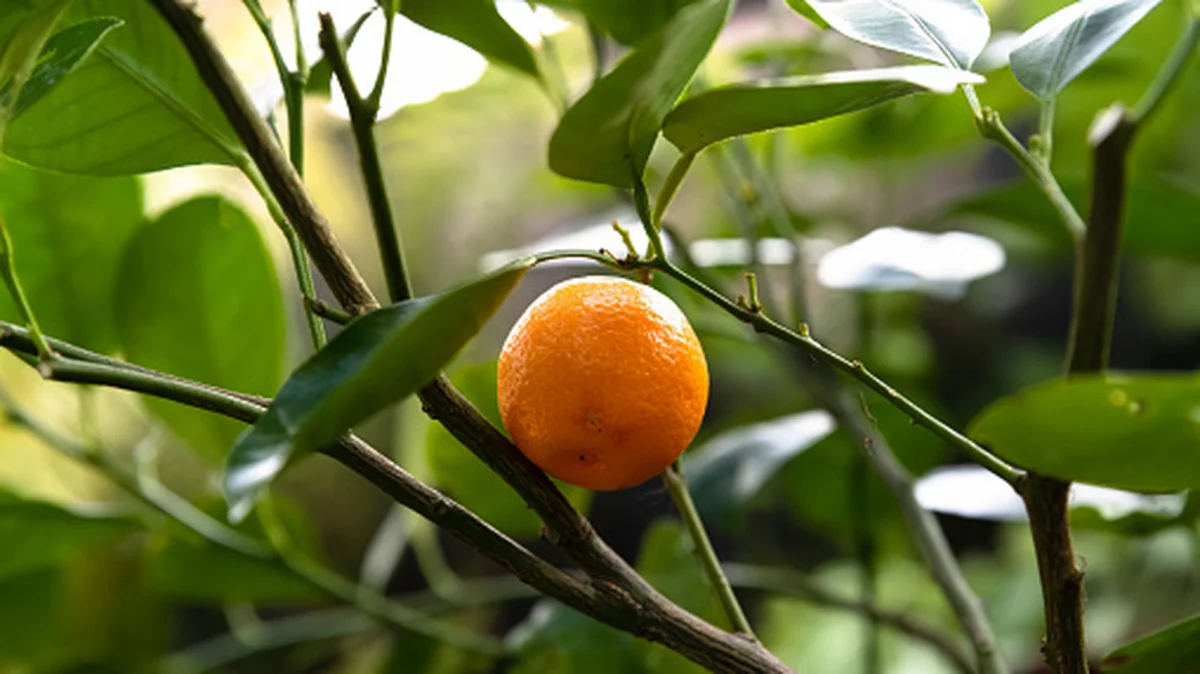
The prospect of cultivating vibrant citrus trees and harvesting your own oranges, even without a sprawling garden or a tropical climate, is an increasingly achievable reality for many home gardeners. While traditionally associated with sun-drenched orchards, orange trees are proving to be remarkably adaptable houseplants, capable of thriving in indoor environments with the right attention to their specific needs. From their intoxicatingly fragrant blossoms, which can be transformed into delicate orange blossom water, to their flavorful leaves and, of course, the promise of fresh juice, the appeal of growing oranges indoors is multifaceted. This growing interest taps into a broader trend of urban gardening and the desire for self-sufficiency, even in limited spaces.
The successful cultivation of citrus indoors is not a new phenomenon, but advancements in horticultural knowledge and the availability of specialized dwarf varieties have made it more accessible than ever. Lemon trees, for instance, have long been a popular choice for indoor cultivation, and orange trees follow a similar pattern of care and potential. While an indoor tree will invariably remain smaller and produce a more modest yield compared to its outdoor counterparts, the intrinsic reward lies in nurturing a living, fruiting plant within one’s own home. The journey can begin with remarkable simplicity, as seeds from commercially available oranges often possess a viable germination rate, offering an accessible entry point for aspiring citrus growers. However, for a more streamlined and predictable indoor experience, horticulturalists often recommend specific dwarf cultivars. Varieties such as the Dwarf Trovita or Dwarf Campbell Valencia are particularly well-suited for indoor environments due to their naturally compact growth habit. This reduced stature not only simplifies management within a confined space but also minimizes the need for extensive pruning and makes the tree less likely to become an overwhelming presence.
Optimizing Indoor Conditions for Citrus Health
Ensuring the longevity and productivity of an indoor orange tree hinges on meticulously replicating its preferred environmental conditions. Fortunately, citrus trees generally exhibit a comfortable temperature range that aligns with typical human living environments, ideally between 65 and 75 degrees Fahrenheit (approximately 18 to 24 degrees Celsius). While they can tolerate a broader spectrum of temperatures, prolonged exposure to significant cold is detrimental and must be avoided. The most significant challenge for many indoor citrus growers is providing adequate light. To encourage fruit production, an orange tree requires a substantial amount of sunlight, ideally between eight and twelve hours per day. This necessitates strategic placement, typically in the largest and brightest south-facing window available, to maximize solar exposure.
Water management is another critical factor, often cited as a primary reason for houseplant demise. Overwatering is a common pitfall, and orange trees are particularly susceptible to root rot if their soil remains perpetually saturated. Employing a well-draining potting mix is paramount, and the practice of allowing the soil to dry out between waterings is essential for promoting healthy root development. A general guideline is to water only when the top inch or two of soil feels dry to the touch. However, it is important to note that the tree’s water requirements will fluctuate, increasing during periods of abundant sunlight and growth.
Beyond light and water, the nutritional needs of an indoor orange tree are substantial. Akin to other heavy-feeding plants, such as tomato plants, citrus trees benefit significantly from regular fertilization. Specialized citrus fertilizers are readily available and formulated to provide the specific balance of nutrients required for optimal growth and fruiting. Alternatively, for those who prefer a more organic approach, incorporating natural compost into the topsoil twice annually can effectively supplement the tree’s nutrient intake. This consistent feeding regimen is crucial for supporting the tree’s metabolic processes, from foliage development to flower and fruit formation.
The Journey from Seed to Fruit: A Realistic Timeline
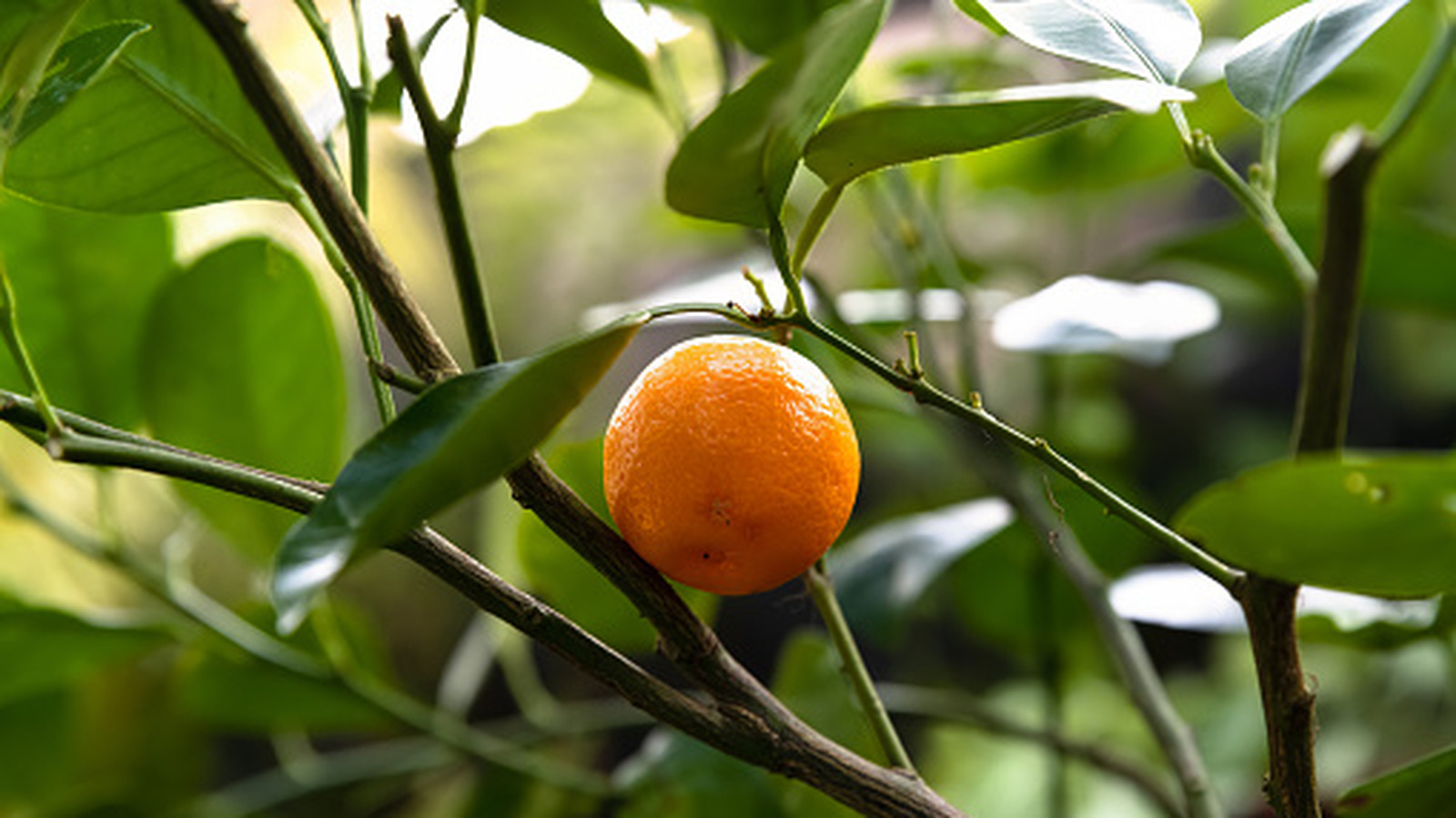
The allure of homegrown oranges often comes with a learning curve, particularly concerning the timeline for fruit production. It is important for aspiring growers to set realistic expectations. A tree cultivated from seed, while a rewarding project in itself, can take several years, often between five to ten, before it is mature enough to produce fruit. Once flowering and pollination occur, the development and ripening of the oranges themselves is a lengthy process, typically spanning several months. During this maturation period, the developing fruits require consistent care, including adequate sunlight, water, and nutrients, to reach their full flavor potential.
However, even in the years prior to fruiting, an indoor orange tree offers significant aesthetic and environmental benefits. Its glossy green leaves and elegant form contribute to the ambiance of any living space, functioning as a beautiful and living piece of decor. The potential for fragrant blossoms, even before fruit appears, adds another sensory dimension to the indoor garden. This extended period of enjoyment, regardless of immediate fruit yield, underscores the value of nurturing an orange tree as a long-term houseplant.
Cultivar Selection: Key to Indoor Success
The choice of cultivar plays a pivotal role in the success of growing oranges indoors. Standard orange trees can grow quite large, making them impractical for most indoor settings. Dwarf varieties are specifically bred or grafted onto dwarfing rootstock to control their size, making them ideal for container gardening and indoor cultivation. These compact trees are more manageable in terms of space and pruning requirements.
- Dwarf Trovita: This variety is known for its adaptability and prolific fruiting, even in container settings. It produces sweet, seedless oranges that are excellent for fresh consumption.
- Dwarf Campbell Valencia: A popular choice for its reliable production of flavorful, classic Valencia oranges, which are particularly well-suited for juicing. Its dwarf nature ensures it remains a manageable size for indoor environments.
- Meyer Lemon (Citrus x meyeri): While not an orange, the Meyer lemon is a highly recommended citrus for indoor growing and often shares similar care requirements. Its fruit is a hybrid, often described as having a flavor somewhere between a lemon and an orange, with a thinner skin and less acidity than traditional lemons. It is exceptionally well-suited for indoor conditions and fruits readily.
The selection of a dwarf cultivar significantly reduces the potential for the tree to outgrow its indoor space, thereby minimizing the need for aggressive pruning and making the overall care regimen more straightforward. This strategic choice is fundamental for establishing a thriving indoor citrus grove.
Addressing Common Challenges and Best Practices
Beyond the fundamental requirements of light, water, and nutrients, several other factors contribute to the well-being of an indoor orange tree.
Soil and Drainage
The importance of well-draining soil cannot be overstated. A custom potting mix designed for citrus or cacti and succulents is often recommended. This typically includes a combination of potting soil, perlite, and sand to ensure adequate aeration and prevent waterlogging. Containers should always have drainage holes to allow excess water to escape freely. Repotting may be necessary every two to three years, as the tree grows and the soil becomes depleted.
Humidity
Orange trees, originating from subtropical climates, appreciate a certain level of humidity. Indoor environments, especially those with heating or air conditioning, can be quite dry. Misting the leaves regularly, placing the pot on a pebble tray filled with water, or using a humidifier can help maintain adequate humidity levels, particularly during dry winter months.
Pest Management
Indoor plants can be susceptible to common houseplant pests such as spider mites, scale, and mealybugs. Regular inspection of the leaves and stems is crucial for early detection. If pests are identified, prompt treatment with insecticidal soap, neem oil, or horticultural oil can effectively manage the infestation without harming the tree.
Pruning
While dwarf varieties require less pruning, occasional trimming is beneficial for maintaining shape, encouraging bushier growth, and removing any dead or diseased branches. Pruning is best done in late winter or early spring before the new growth cycle begins.
The Broader Impact and Implications
The ability to successfully grow oranges indoors has implications that extend beyond the individual home gardener. It contributes to the growing movement of urban agriculture and sustainable living, empowering individuals to connect with their food sources, even in densely populated areas. For those living in apartments or without access to outdoor gardening space, it offers a tangible way to engage with nature and cultivate a source of fresh produce. Furthermore, the educational aspect of nurturing a fruit-bearing tree from seed or a young plant can foster a deeper understanding of plant biology and ecological processes, particularly for younger generations. The satisfaction derived from tasting a fruit grown with one’s own hands, regardless of scale, is a powerful motivator for continuing these horticultural endeavors. As more individuals embrace indoor citrus cultivation, the collective knowledge base expands, leading to further innovations and refined techniques for maximizing yield and plant health in even the most challenging environments. The trend also supports the horticultural industry, driving demand for specialized potting mixes, fertilizers, and dwarf citrus varieties, thereby contributing to local economies.
In conclusion, the dream of harvesting your own oranges from within the comfort of your home is not only possible but increasingly practical. By understanding and diligently meeting the specific needs of these remarkable trees – from abundant light and careful watering to appropriate soil and nutrition – even the most urban dweller can cultivate a thriving citrus plant. The journey may require patience, particularly for fruit production, but the rewards, both tangible and intangible, are well worth the effort, transforming a simple houseplant into a source of fresh flavor and a vibrant connection to the natural world.
