
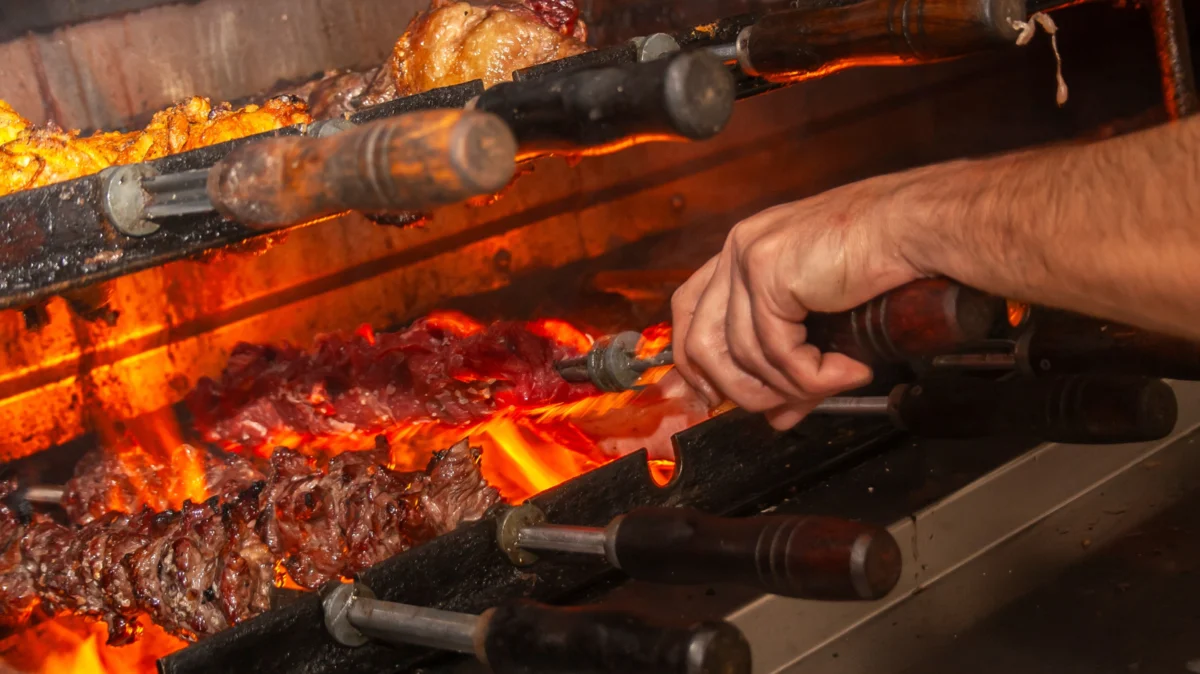
When navigating the expansive and enticing offerings of a Brazilian steakhouse, diners are often presented with a diverse array of beef cuts that may diverge significantly from familiar American steakhouse selections. This culinary landscape is shaped by the distinctive churrasco style of cooking, a traditional Brazilian barbecue method that meticulously carves the cow into unique portions. While many of these cuts might be unfamiliar, understanding their origins and characteristics can elevate the dining experience. Among the notable options are the fraldinha, a cut with similarities to flank or hanger steak, and the alcatra, a substantial, fat-capped portion derived from the top sirloin. However, for those seeking the pinnacle of flavor and tenderness, the undisputed champion of Brazilian steakhouses is unequivocally the picanha.
Unveiling the Picanha: A Cut Above the Rest
Picanha, a term that may not have a direct, universally recognized equivalent in the traditional American steak lexicon, represents a culinary gem. Its closest counterpart in the Western world might be the coulotte steak found in French cuisine. Picanha is distinguished by its generous size and its origin from the upper portion of the cow’s rump, encompassing areas that straddle both the sirloin and round primal cuts. Beyond Brazil, it is also recognized by appellations such as rump cap or sirloin cap. Its relative scarcity in mainstream American butcher shops stems from the common practice of breaking down this large roast into more familiar sirloin and round steaks. Nevertheless, on the menu of nearly every Brazilian steakhouse, picanha is prominently featured as a signature offering and is widely regarded as Brazil’s favorite cut of beef.
The Anatomy of Flavor: Why Picanha Reigns Supreme
The exceptional appeal of picanha lies in a confluence of factors that contribute to its unparalleled taste and texture. Foremost among these is its substantial cap of fat. In many culinary traditions outside of Brazil, this fatty exterior is often removed. However, in the context of Brazilian churrasco, this fat cap is intentionally preserved. As the picanha grills over an open flame, the fat renders, continuously basting the meat beneath. This process infuses the beef with an incredibly rich and succulent flavor, transforming a lean cut into a deeply satisfying experience.
Furthermore, picanha is sourced from a part of the cow that is less subjected to strenuous muscle activity. This anatomical advantage translates directly into a remarkable tenderness, a characteristic highly prized in premium beef. Unlike many sirloin and round cuts, which can sometimes be lean and require careful preparation to avoid dryness, picanha naturally possesses a favorable distribution of intramuscular fat, or marbling. This marbling not only contributes to its juiciness but also further enhances its flavor profile, ensuring a moist and palatable bite from start to finish. In essence, picanha embodies the desirable qualities of a tender sirloin steak, amplified by an even more robust and well-distributed fat content that elevates its overall sensory impact.
The Art of Preparation: Mastering the Churrasco Technique
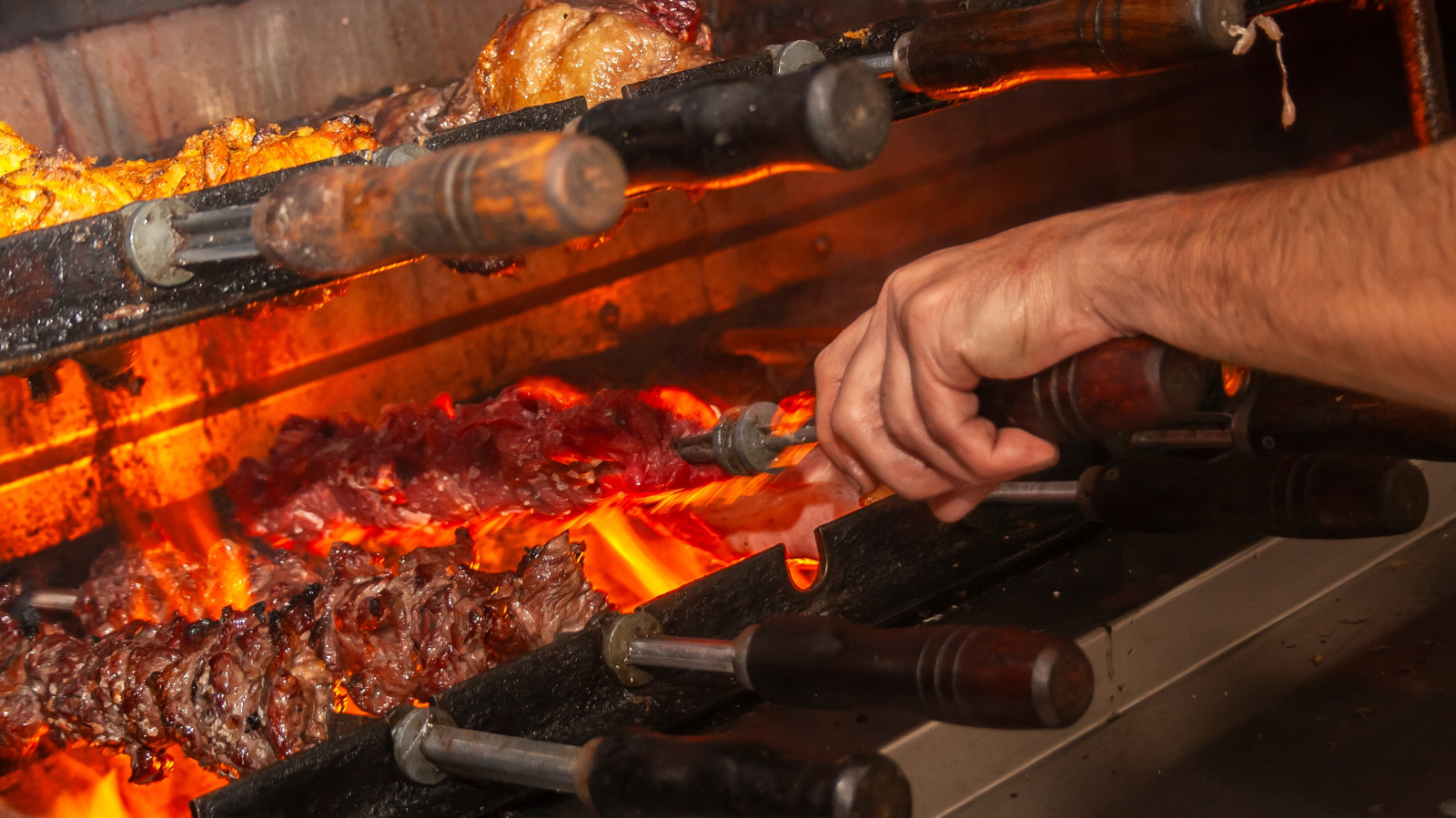
The unique preparation methods employed in the churrasco tradition are instrumental in maximizing picanha’s inherent advantages. Typically, the beef is skewered into a distinctive horseshoe shape. This arrangement artfully positions the fat cap in a "U" formation over the top of the meat, ensuring that the melting fat coats and flavors the entire surface as it cooks. This meticulous technique is a hallmark of Brazilian barbecue, where the focus is on highlighting the natural quality of the beef through expert preparation.
Following the cooking process, picanha is presented at the table with a theatrical flourish, a signature element of the rodízio service common in Brazilian steakhouses. Instead of being served as a monolithic portion, it is expertly carved directly from the skewer. This method of presentation not only adds to the dining experience but also allows for the precise slicing of the meat. The already tender picanha is then shaved thin, with the grain of the muscle. This final step further enhances its melt-in-your-mouth texture, making each bite exceptionally delicate and enjoyable.
In terms of seasoning, picanha adheres to a philosophy of culinary minimalism. Much like other celebrated cuts such as ribeye, its preparation is often confined to the application of coarse salt. This simplicity is not born of necessity but rather a deep respect for the cut’s intrinsic flavors. The rich, savory profile of picanha is so profound that it requires no additional embellishment, allowing its natural succulence and robust taste to take center stage. While a Brazilian steakhouse offers a plethora of delicious options, from the aforementioned fraldinha and alcatra to other delectable preparations, the picanha stands as a testament to the power of quality ingredients and time-honored culinary traditions.
Historical and Cultural Context of Churrasco
The churrasco style of barbecue has deep roots in the history of Brazil, particularly in the southern state of Rio Grande do Sul, a region historically known for its cattle ranching. For centuries, the gaúchos, or cowboys of the Pampas, would slaughter cattle and roast large cuts of meat over open fires, using simple seasonings like coarse salt to enhance the natural flavors. This practical and communal way of cooking eventually evolved into the sophisticated dining experience offered at Brazilian steakhouses today. The rodízio system, where servers circulate through the dining room offering various grilled meats directly from skewers, is a direct descendant of these traditional gatherings.
The popularity of churrasco has transcended Brazil’s borders, with Brazilian steakhouses becoming a global phenomenon. This expansion has introduced a wider audience to cuts like picanha, which might have previously been less known internationally. The success of these establishments is a testament to the universal appeal of high-quality, expertly prepared grilled meats and the vibrant, convivial dining atmosphere that churrasco cultivates.
Supporting Data and Market Trends
The global market for beef is substantial, with consumption patterns varying significantly by region. Brazil is one of the world’s largest beef producers and exporters, and its unique culinary traditions, including churrasco, play a role in shaping global perceptions and demand for specific cuts. Data from industry reports indicate a consistent demand for premium beef cuts, with consumers increasingly seeking out flavorful and tender options. The rise of specialty restaurants, including Brazilian steakhouses, further fuels this demand by offering unique dining experiences centered around expertly prepared meats.
The economic implications of popularizing cuts like picanha are significant. For producers and purveyors, it creates value for specific portions of the animal that might have been less desirable in other markets. For consumers, it offers a gateway to a broader understanding of beef gastronomy and a more adventurous approach to dining. The continued growth of Brazilian steakhouses suggests that the appeal of cuts like picanha is not a fleeting trend but a sustained appreciation for its inherent qualities.
Broader Impact and Implications
The prominence of picanha in Brazilian steakhouses has had a tangible impact on how certain beef cuts are perceived and valued globally. It has encouraged a greater appreciation for the nuances of different beef portions and the culinary techniques used to prepare them. For diners, it represents an opportunity to explore a rich culinary heritage and to discover flavors and textures that might be absent from their everyday dining experiences.
Furthermore, the success of this model highlights the importance of culinary diplomacy and the power of food to connect cultures. As Brazilian steakhouses continue to thrive internationally, they serve as ambassadors for Brazilian cuisine, introducing a global audience to the delights of churrasco and its star attraction, the picanha. This culinary exchange enriches the global gastronomic landscape, offering consumers more choices and fostering a deeper understanding of diverse food traditions. The enduring popularity of picanha is a clear indicator that, when prepared with skill and respect for its natural qualities, this humble cut from the rump can indeed deliver an unparalleled and unforgettable beef experience.
