
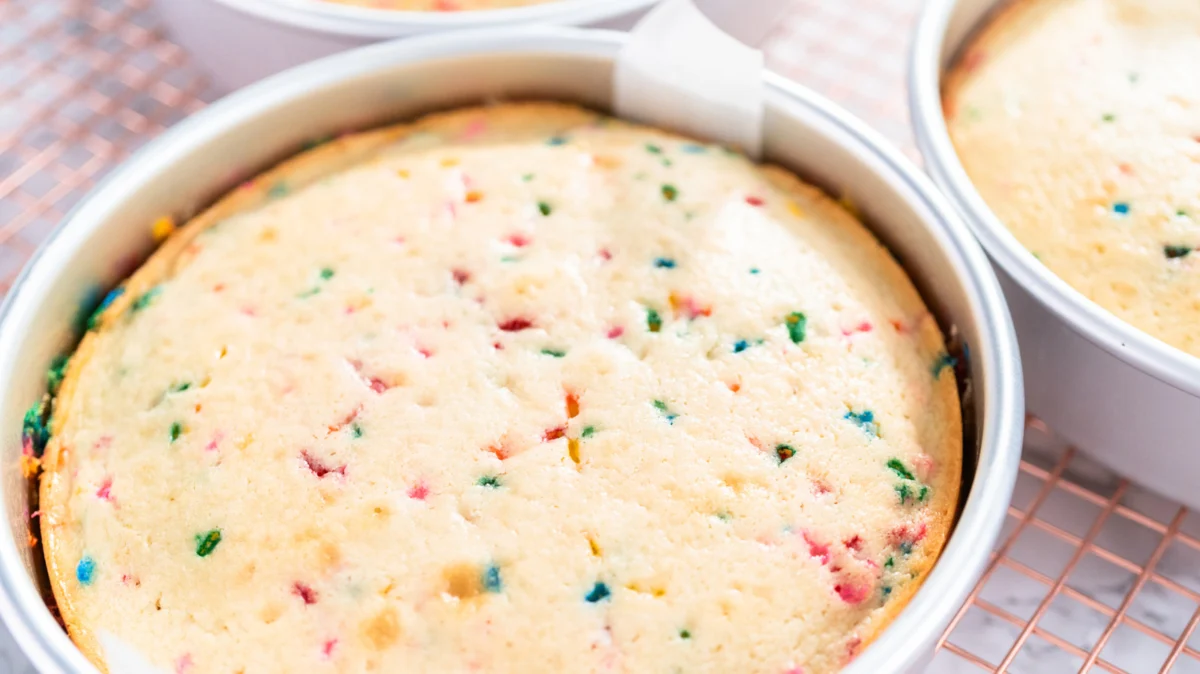
Hindsight, as any seasoned baker knows, is a valuable teacher. The all-too-common scenario of pulling a golden-brown cake from the oven, only to discover a significant portion stubbornly clinging to the pan, is a testament to this. While a generous layer of frosting can often salvage such a situation, the ultimate goal for any baker is to prevent the adhesion in the first place. This typically involves lining the cake pan with parchment paper, a readily available, cost-effective, and disposable solution. However, a creative alternative has emerged from the realm of modern kitchen gadgets: air fryer liners. These versatile tools, originally designed for achieving crispy perfection in air fryers, are proving to be surprisingly effective for baking cakes, offering a novel approach to ensuring easy release and a flawless finish.
The Unexpected Role of Air Fryer Liners in Baking
The concept of using air fryer liners for cake baking stems from their inherent design. Many disposable air fryer liners are crafted from a parchment-like material, boasting a non-stick surface that is crucial for preventing baked goods from adhering to the cooking vessel. This material is often engineered to withstand high temperatures, making it suitable for oven use, a key consideration for any baking application. The appeal of these liners lies in their convenience. Unlike traditional parchment paper, which often requires tracing, cutting, and careful placement to fit a cake pan, some air fryer liners are already shaped. For instance, liners resembling oversized cupcake liners, with pre-formed edges, eliminate the need for additional steps to secure them in place. This pre-formed structure means bakers can simply place the liner into the cake pan, pour in their batter, and bake, confident that the cake will slide out with minimal effort once cooled.
The ease of use is a significant advantage. After baking, the edges of the liner can be grasped with fingers, allowing for a clean lift of the cake from the pan and transfer to a cooling rack. This method bypasses the potential mess and difficulty associated with trying to loosen a cake from a greased and floured pan, especially for delicate cake recipes. Before adopting this method, however, it is imperative to verify the temperature rating of the air fryer liner. Ensuring that the liner is designed to withstand the specific baking temperature required for the cake recipe is paramount to avoid material degradation or safety hazards. Manufacturers’ specifications should be consulted to confirm suitability for oven use.
Exploring Reusable Silicone Air Fryer Liners
Beyond the disposable, paper-like options, the market also offers reusable silicone air fryer liners, presenting another compelling alternative for bakers. These liners, often featuring integrated handles, provide a durable and environmentally friendly solution. Their primary advantage lies in their reusability and ease of cleaning. Many silicone liners are dishwasher-safe, or can be easily hand-washed, eliminating the ongoing expense and waste associated with disposable liners.
However, the properties of silicone introduce a nuanced difference in the baking process. Silicone is an insulator, a characteristic that can impact heat transfer to the batter. This means that cakes baked in silicone liners might require a longer baking time compared to those baked in traditional pans or with paper liners. Anecdotal evidence from bakers who have used silicone liners for cupcakes, for example, suggests an extended baking duration beyond the recipe’s original recommendation. To accurately gauge doneness, bakers employing silicone liners should consider using an oven thermometer to monitor the internal temperature of the cake, ensuring it is fully cooked through without overbaking the exterior.
The potential for longer bake times is a trade-off for the significant benefits of silicone liners. Their non-stick nature often negates the need for greasing the pan prior to placing the liner, simplifying the preparation process. Even when using paper liners, greasing the cake pan with butter or cooking spray is generally recommended to facilitate the liner’s clean removal and prevent any batter from seeping underneath. With silicone liners, this extra step can often be omitted. The payoff of using a silicone liner, despite the potential adjustment in baking time, can be substantial, offering a convenient, eco-conscious, and effective method for achieving perfectly released cakes.
The Science of Baking and Pan Preparation
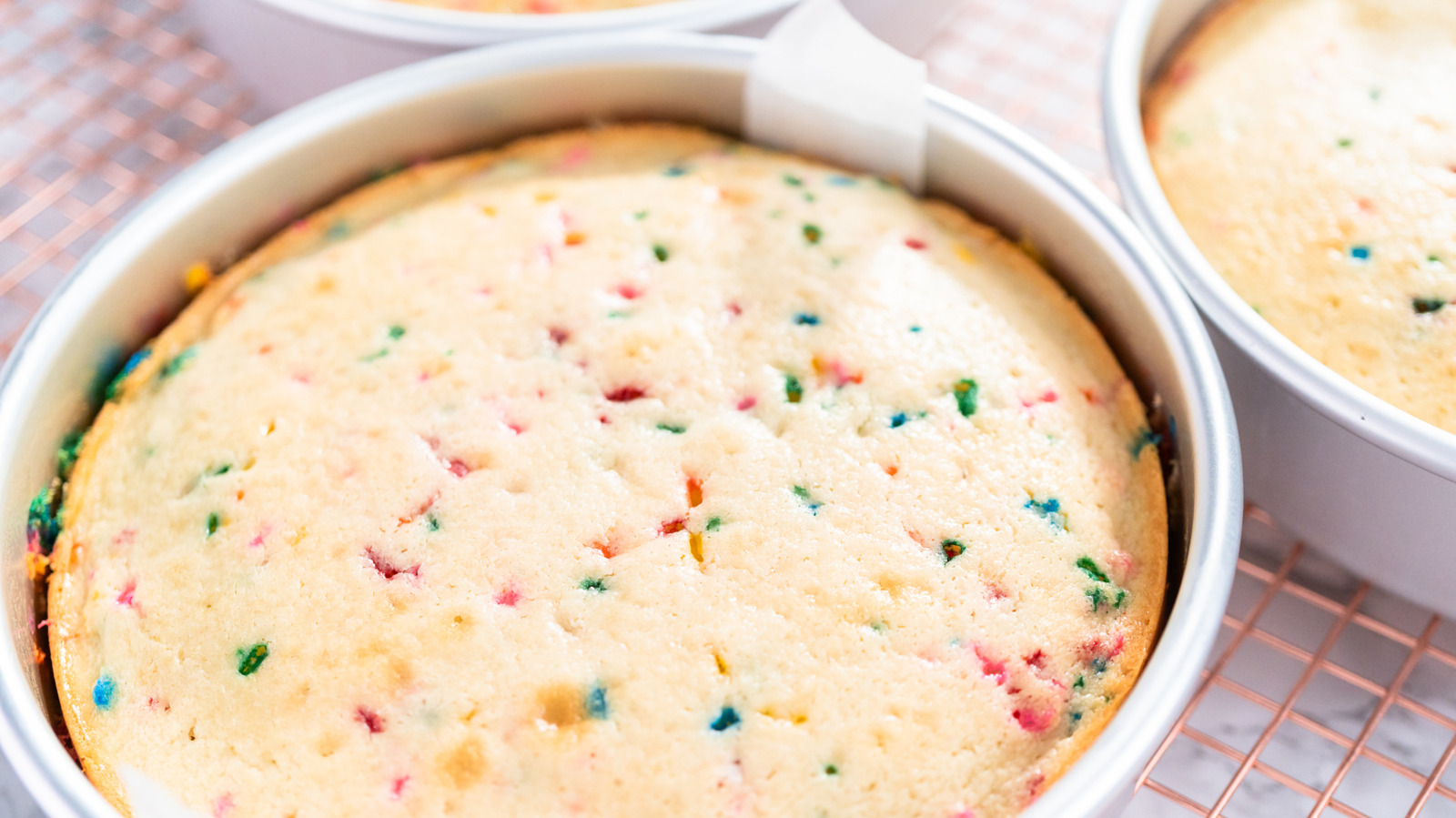
The fundamental principle behind preventing cakes from sticking to their pans is creating a barrier between the batter and the metal surface. This barrier serves to interrupt the direct contact that would otherwise lead to adhesion as the cake bakes and its structure solidifies. Parchment paper, with its waxy coating, is a common choice due to its excellent non-stick properties and its ability to withstand oven temperatures. When properly fitted, it creates an effective, disposable shield.
Greasing and flouring a cake pan is another traditional method. Fat (butter or cooking spray) coats the pan’s surface, and flour creates a dry, powdery layer over the fat. This combination helps to prevent the batter from making direct contact with the metal. However, this method can sometimes leave a slight residue on the cake’s exterior, which may need to be carefully brushed away. The effectiveness of greasing and flouring can vary depending on the type of cake and the pan’s material.
Air fryer liners, both disposable and reusable, essentially leverage the principles of non-stick technology that are already well-established in baking. Disposable paper-like liners function similarly to parchment paper, offering a pre-formed, non-stick surface. Reusable silicone liners, on the other hand, rely on the inherent non-stick properties of silicone. Silicone’s flexibility and smooth surface minimize the chances of batter adhering.
Historical Context and Evolution of Baking Tools
The quest for the perfect cake release has a long history, evolving alongside advancements in kitchen technology and ingredient knowledge. Early baking practices relied heavily on rendered animal fats for greasing, and rudimentary pans made of cast iron or clay. The introduction of refined sugars and leavening agents in the 18th and 19th centuries led to more delicate cake recipes, increasing the need for reliable methods to prevent sticking.
The early 20th century saw the widespread adoption of aluminum and steel cake pans, which offered more consistent heat distribution but also presented their own challenges with sticking. This period also saw the rise of commercial baking products, including shortening and baking powder, which influenced cake texture and stability.
Parchment paper, a product of the early 20th century, revolutionized home baking by providing a readily available, disposable, and effective non-stick lining. Its widespread availability and affordability made it a staple in kitchens worldwide. The development of non-stick coatings for cookware in the latter half of the 20th century further influenced baking practices, although many bakers still preferred traditional methods for their cakes.
The emergence of the air fryer in the 21st century has introduced a new category of kitchen accessories, including liners. These liners, designed for the specific needs of air frying – which involves circulating hot air at high temperatures – often possess robust non-stick qualities and heat resistance. It is this overlap in functional requirements (high heat tolerance and non-stick surface) that makes them suitable for oven baking applications, including cakes. The repurposing of these modern kitchen tools highlights a broader trend of cross-application and innovation in culinary practices, where existing tools are adapted for new uses based on their underlying material properties and design.
Analyzing the Implications for Home Bakers
The availability of air fryer liners as a viable alternative to traditional parchment paper or greasing methods has several implications for home bakers. Firstly, it offers increased convenience. The pre-formed nature of some disposable liners can significantly reduce preparation time, particularly for bakers who find cutting and fitting parchment paper a tedious task. This can encourage more frequent baking, especially for those with busy schedules.
Secondly, it presents a potentially more environmentally conscious option. While disposable paper liners are still a single-use item, reusable silicone liners offer a significant reduction in waste compared to repeatedly buying and discarding parchment paper. This aligns with a growing consumer interest in sustainable kitchen practices.
Thirdly, the ease of release afforded by these liners can lead to more consistent baking outcomes. Cakes that are easily removed from the pan are less likely to be broken or misshapen, contributing to a more aesthetically pleasing final product. This can boost a baker’s confidence and encourage experimentation with more complex recipes.
However, the potential impact on bake time with silicone liners warrants careful consideration. Bakers who are accustomed to precise baking schedules might need to adjust their approach and monitor their cakes more closely. This requires a degree of adaptability and a willingness to learn how different tools interact with their ovens and recipes.
Expert Perspectives and Industry Trends
The culinary industry is constantly abuzz with new gadgets and techniques designed to simplify and enhance the cooking and baking experience. While specific industry statements regarding the use of air fryer liners for cake baking may not be widely published as formal endorsements, the trend itself speaks volumes. Food bloggers, recipe developers, and home cooking enthusiasts are increasingly sharing their experiences and discoveries online. Platforms like social media, culinary forums, and recipe-sharing websites serve as informal channels for the dissemination of such innovative uses.
The popularity of air fryers has undoubtedly led to a proliferation of related accessories, including liners. Manufacturers are responding to consumer demand by offering a wider variety of shapes, sizes, and materials. This increased availability and competition are likely to drive further innovation in liner technology, potentially leading to even more specialized baking applications in the future. The crossover appeal of these liners suggests a broader trend towards multi-functional kitchen tools that can serve diverse culinary needs.
The underlying principle remains consistent: a well-prepared pan is crucial for successful baking. Whether achieved through traditional methods or modern accessories like air fryer liners, the goal is to create a non-stick surface that allows for the easy release of the baked good. The evolving landscape of kitchen tools offers bakers more choices than ever before, empowering them to find the methods that best suit their skills, preferences, and kitchens. The adoption of air fryer liners for cake baking is a testament to this ongoing evolution, demonstrating how creativity and an understanding of material science can lead to unexpected, yet highly effective, solutions in the heart of the home kitchen.
