
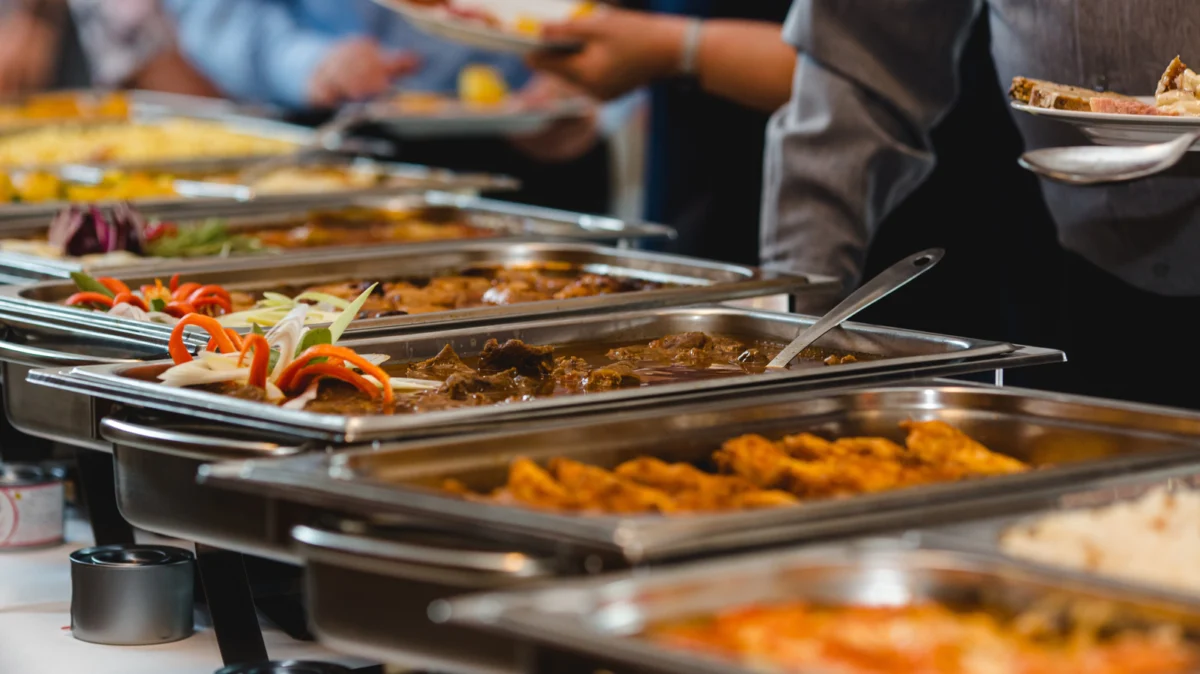
The allure of the buffet is undeniable: an expansive culinary landscape promising endless choices, the satisfaction of getting your money’s worth, and the sheer joy of culinary exploration without the constraint of individual dish pricing. From meticulously arranged dessert displays to steaming platters of diverse cuisines, buffets offer a unique dining experience. For those who truly appreciate this all-you-can-eat model, exploring the best buffets across different regions can be a rewarding endeavor. However, before embarking on your next gastronomic adventure, understanding the unspoken etiquette and common pitfalls can significantly enhance not only your dining experience but also the working environment for the dedicated staff who make it all possible. An insider perspective, drawn from years of experience in the demanding atmosphere of an all-you-can-eat establishment, reveals a consistent pattern of customer behaviors that test the patience and professionalism of buffet employees. While general restaurant etiquette is broadly understood, certain habits are uniquely vexing to those who manage and serve in the high-volume, self-service world of buffets.
The Perils of Excessive Indulgence: Taking More Than You Need
One of the most frequently cited frustrations among buffet staff revolves around customers who take far more food than they can reasonably consume. The fundamental concept of an all-you-can-eat buffet is an invitation to enjoy a variety of dishes at a set price, not a challenge to deplete every offering in a single sitting. This behavior directly contributes to significant food waste, a pressing issue in the food service industry. According to the USDA, food waste in the United States accounts for approximately 30-40% of the food supply, with restaurants being a considerable contributor. When diners pile their plates high with items they are unsure they will enjoy, or simply cannot finish, that food is irretrievably lost. Unlike à la carte dining, where uneaten portions might be packaged for takeaway, buffet items, once served and exposed, cannot be returned to the buffet line for hygienic and safety reasons. This leads to edible food being discarded, representing a financial loss for the establishment and an environmental concern. Employees are often tasked with clearing tables laden with partially eaten food, a stark visual reminder of this waste and a considerable amount of extra work. This practice also impacts the perceived value of the buffet for other patrons, as popular items may be depleted prematurely due to overzealous consumption by a few.
Maintaining Order: The Challenge of Table Tidiness
The expectation at any dining establishment is that patrons will leave their tables in a reasonably tidy state. However, in the context of a buffet, where multiple plates, glasses, and utensils are in play, this becomes even more critical. While buffet staff are trained to clear tables efficiently, their job is made significantly harder by customers who create excessive messes. Common annoyances include wadded-up napkins stuffed into glasses, making them difficult to empty and clean, or the haphazard stacking of sticky, food-covered plates that require laborious separation. The presence of spilled condiments, excessive food debris, and, in extreme cases, even items like baby diapers, transforms a routine table clearing into an unpleasant and time-consuming task. This lack of consideration not only reflects poorly on the patron’s manners but also demonstrates a disrespect for the staff and the establishment’s efforts to maintain a pleasant dining environment. For servers, who are often managing multiple tables and the demands of the buffet line itself, dealing with unnecessarily messy tables diverts valuable time and energy that could be better spent on providing attentive service to other guests. The added burden of cleaning up extreme messes can lead to burnout and a diminished sense of job satisfaction among staff.
The Unseen Labor: The Critical Role of Tipping in Buffet Service
Tipping practices in buffet restaurants present a nuanced and often contentious issue. While the self-service nature of a buffet might lead some to believe that less service is provided, the reality is often quite different. The level of service can vary significantly depending on the buffet’s operational model. In establishments where staff are solely responsible for clearing tables, refilling drinks, and providing occasional assistance, their role remains vital. For all-you-can-eat sushi bars, for instance, where servers are actively delivering dishes, managing drink orders, and clearing plates with regularity, the service demands can be as high, if not higher, than in traditional à la carte restaurants. These servers may also be responsible for larger sections and a greater number of guests simultaneously. The economic realities for service staff in the United States mean that tips form a substantial portion of their income. While tipping culture can be a source of debate and financial strain for consumers, particularly in challenging economic times, it is crucial to recognize the labor involved. When customers fail to tip, or tip inadequately, it directly impacts the livelihood of these individuals. The decision of how much to tip should ideally align with the quality and extent of service received, acknowledging that even in a self-service environment, the staff’s efforts contribute significantly to the overall dining experience.
Upholding Hygiene and Etiquette: Utensils and Personal Conduct
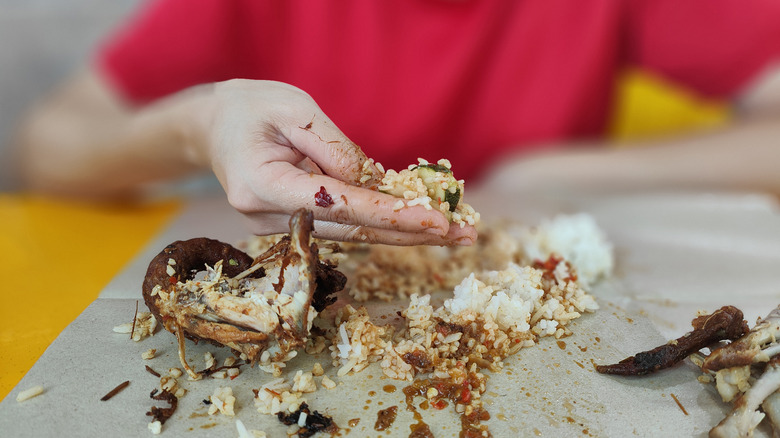
Food safety and basic hygiene are paramount in any food service setting, and buffets are no exception. The use of serving utensils is not merely a suggestion but a critical component of preventing cross-contamination. Each dish is typically equipped with its own designated utensil, designed to keep different foods separate and prevent the transfer of bacteria. When customers disregard this protocol by using their bare hands to select food, they not only create a deeply unappetizing visual for others but also pose a significant health risk. Such actions necessitate the discarding of entire dishes, leading to financial losses for the restaurant and inconvenience for other patrons who are now deprived of that item. The assumption that one’s hands are impeccably clean is rarely sufficient justification for such behavior, especially when dealing with shared food.
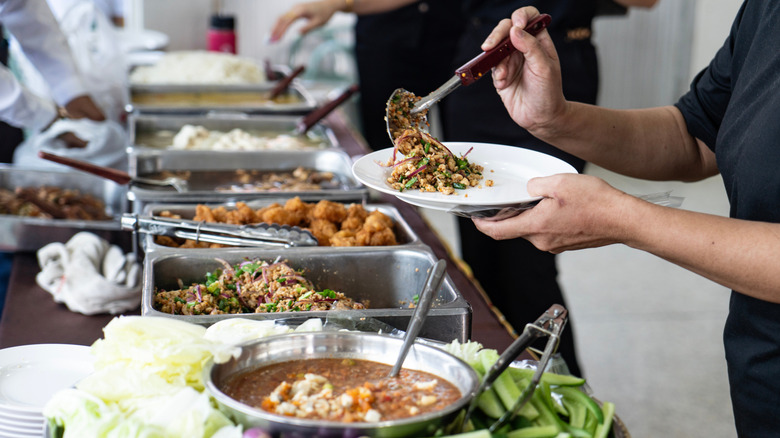
Beyond the issue of bare hands, another deeply unsettling habit involves the misuse of serving utensils themselves. This includes behaviors such as licking spoons after serving oneself and returning them to the buffet, or even more egregious acts like slurping soup directly from a ladle or interacting with food in unsanitary ways. These actions are not only a violation of basic social etiquette but are also profoundly unhygienic and costly for the establishment. The need to discard entire dishes and replace utensils due to such misconduct adds a significant burden on kitchen staff and impacts the overall efficiency of the buffet. While children may be excused for some lapses in judgment due to a lack of understanding, these behaviors from adults are viewed as a serious lapse in decorum and respect.
The Pace of Dining: Respecting Time and Table Turnover
Restaurants, especially those operating on a reservation or table-turnover model, establish an implicit timeframe for diners to enjoy their meals. This is crucial for efficient scheduling, managing reservations, and ensuring staff can serve an optimal number of guests per shift. While specific time limits can vary, exceeding a reasonable dining duration, particularly after finishing one’s meal and settling the bill, can become problematic. Lingering at a table for extended periods, engaging in lengthy conversations after the meal is complete, can hinder the restaurant’s ability to accommodate incoming guests or fulfill reservation commitments. This is especially true for large parties who may have booked a table, and whose continued presence prevents the restaurant from seating another group. The expectation is that once the dining experience has concluded and payment has been rendered, guests will vacate the table to allow for its preparation for subsequent patrons. A clear indication of readiness to leave, such as the clearing of plates and the presentation of the bill, should prompt guests to conclude their stay.

The Safety and Sanity of Staff: Managing Children and Walkways
Buffets, with their diverse offerings, can be an appealing destination for families. However, the restaurant environment is not a playground, and allowing children to run unsupervised poses significant safety risks. Servers in a buffet setting are constantly navigating the space, often carrying trays laden with dirty dishes or hot beverages. Unruly children darting through aisles can lead to accidents, potentially causing injuries to themselves, other diners, or the staff. While parents are responsible for their children’s behavior, restaurant staff are not designated babysitters. The duty of care lies with the parents to ensure their children remain seated and supervised. Engaging children with the buffet experience through structured activities, such as a guided tour of the food stations or making a game of selecting different dishes, can be a more constructive approach than allowing them free rein.
Furthermore, the physical layout of a buffet is designed for efficient movement. Customers who congregate in walkways, block access to food stations, or stop for prolonged conversations in high-traffic areas create significant obstacles. This is particularly frustrating for staff who are trying to perform their duties, such as refilling serving dishes or clearing tables, under pressure. Such blockages can impede the flow of service, increase the workload on staff, and create a generally unpleasant atmosphere for all patrons. The analogy to customers who obstruct sample stations at large retailers is apt; it demonstrates a lack of spatial awareness and consideration for others navigating the same space.

The Logistics of Large Groups: Separate Checks and Billing
The practice of requesting separate checks for large parties, while sometimes a convenience for individual diners, can create considerable logistical challenges for buffet staff. In buffet settings, where the primary cost is a flat fee per person, the complexity arises from ancillary charges, such as beverages and any additional à la carte items. The process of meticulously itemizing and splitting these costs among numerous individuals, especially when alcoholic beverages are involved, requires significant mental calculation and can be time-consuming, particularly during peak service hours. This task is further complicated if guests wish to split the cost of individual drinks.
From a financial perspective, separate checks can also impact the predictability of gratuities. While many buffets automatically include a gratuity for large parties on a single bill, separate checks offer less certainty regarding the total tip received. If only a portion of the party provides a tip on their individual check, the server’s earnings can be substantially reduced, especially when compared to the effort expended in serving a large group. When a single bill is presented, the automatic gratuity provides a baseline assurance of compensation for the service provided. The request for separate checks, therefore, often introduces an element of uncertainty and potential financial detriment for the service staff.
The Unforeseen Consequences: Data, Analysis, and Broader Impact
The cumulative effect of these customer habits extends beyond mere annoyance for buffet employees. Significant food waste directly impacts a restaurant’s profitability and contributes to a broader societal issue of resource depletion and environmental strain. Studies by organizations like the National Restaurant Association have highlighted the substantial financial losses associated with food waste, estimating that it can account for up to 10% of a restaurant’s food purchases. Implementing clear guidelines and educating patrons on responsible buffet etiquette can mitigate these losses.
Furthermore, the constant need to manage challenging customer behaviors can lead to increased staff turnover. High levels of stress and dissatisfaction among employees can negatively affect service quality and customer retention. Investing in staff training that includes conflict resolution and customer service best practices, alongside fostering a culture of respect and appreciation for the service industry, can help create a more positive and sustainable working environment. The financial implications for restaurants are also considerable. The cost of replacing discarded food, increased cleaning expenses, and the potential loss of repeat business due to poor service or an unpleasant atmosphere all contribute to the bottom line. Analyzing customer data related to food consumption patterns and waste generation could inform menu planning and inventory management, potentially leading to more efficient operations and reduced waste. A proactive approach, involving clear signage about etiquette, well-trained staff who can gently guide patrons, and a commitment to customer education, is crucial for the long-term success and ethical operation of buffet establishments. The reciprocal relationship between satisfied customers and well-supported staff is the cornerstone of any thriving hospitality business.
