
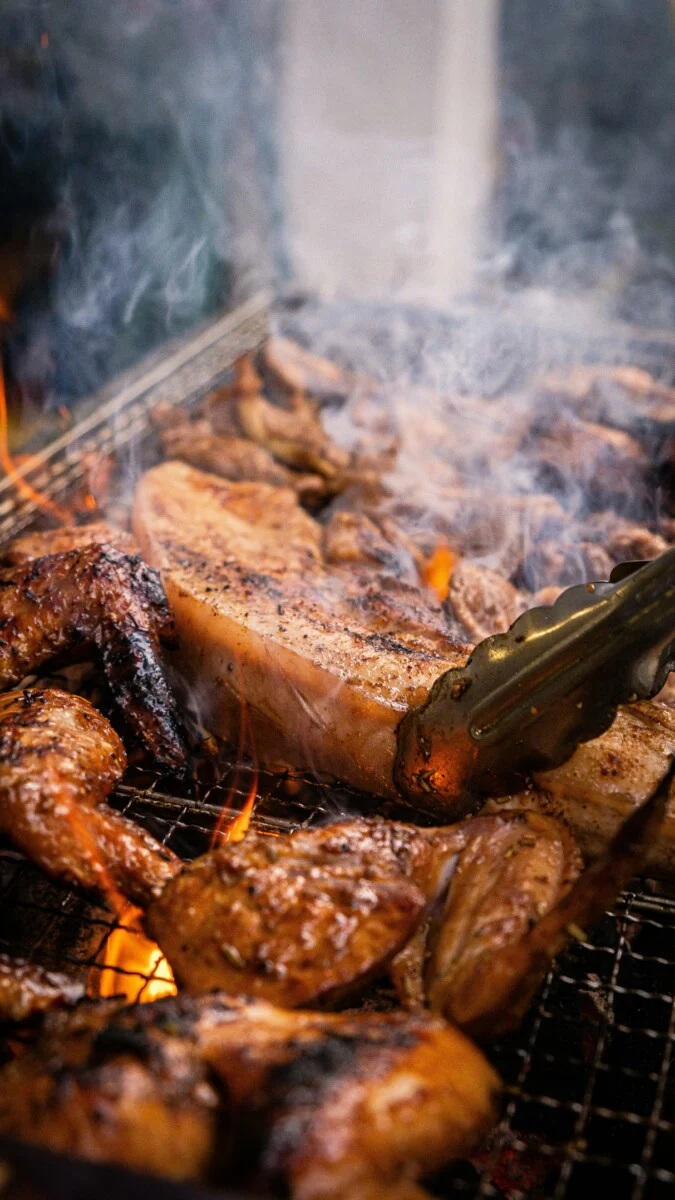
Achieving amazing tasting barbecued meat can be tricky, a challenge that has frustrated countless home cooks from casual weekend grillers to aspiring pitmasters. The common pitfalls are familiar: burnt burgers, dry chicken, or cuts lacking that elusive smoky depth and tender texture. Yet, the secret to consistently delivering juicy, flavourful meat is not an arcane art but a series of precise techniques and informed choices. This article delves into foundational principles and advanced strategies, providing a comprehensive guide to elevate grilling prowess and impress guests every time.
The Enduring Legacy of Barbecue: A Culinary Timeline
Barbecue is more than just a cooking method; it is a cultural phenomenon with roots stretching back millennia. Its origins can be traced to prehistoric times when early humans discovered the transformative power of cooking meat over open fires, improving digestibility and flavour. The term "barbecue" itself is believed to have derived from the Taino word "barbacoa," referring to a wooden structure used by indigenous peoples of the Caribbean for slow-cooking over coals. Spanish explorers adopted this term, bringing it to the Americas where it evolved over centuries.
From Ancient Fires to Global Phenomenon
The concept of slow-cooking meat over embers spread globally, adapting to local ingredients and traditions. In the Southern United States, barbecue became deeply ingrained in social and culinary fabric, particularly after the advent of enslaved African populations who brought their culinary expertise and adapted African cooking methods to American ingredients. By the 19th century, large barbecue gatherings were common social events, often political rallies or community celebrations, solidifying its place as a communal culinary experience. The mid-20th century saw the rise of backyard grilling, fueled by suburbanization and the popularization of portable grills, transforming barbecue from a specialized art form into an accessible leisure activity. Today, barbecue enjoys international acclaim, with distinct styles emerging in countries like Brazil (churrasco), South Africa (braai), and Australia, each reflecting unique regional preferences and techniques.
The American Barbecue Landscape
Within the United States, barbecue has diversified into distinct regional styles, each characterized by specific meats, sauces, and cooking methods. Texas barbecue, for instance, is renowned for its beef brisket, often smoked low and slow over post oak with a simple rub. Kansas City barbecue is famous for its wide array of smoked meats and thick, sweet, tomato-and-molasses-based sauces. The Carolinas boast distinct traditions, with Eastern Carolina favoring whole hog barbecue and a vinegar-based sauce, while Western Carolina leans towards pork shoulder and a ketchup-and-vinegar blend. Memphis is celebrated for its dry-rubbed ribs, though wet ribs are also popular. These regional variations underscore the rich tapestry of barbecue traditions and the continuous innovation within the culinary landscape. The National Barbecue & Grilling Association estimates that the barbecue industry, encompassing restaurants, equipment sales, and ancillary products, contributes billions to the U.S. economy annually, reflecting its sustained popularity and cultural significance.
Foundation First: The Critical Role of Meat Selection
The journey to an exceptional barbecue begins long before the first spark ignites: it starts with the careful selection of high-quality meat. This initial decision profoundly impacts the final taste, texture, and juiciness of the cooked product. Compromising on quality at this stage often leads to disappointing results, regardless of subsequent culinary efforts.

Understanding Cuts and Grades
For quick, high-heat grilling, such as steaks or chops, thick, tender cuts are paramount. These cuts, like ribeye, New York strip, or pork loin chops, benefit from a higher fat content (marbling) that renders during cooking, contributing to flavour and moisture. The U.S. Department of Agriculture (USDA) grading system (Prime, Choice, Select) provides a useful guide, with Prime indicating the highest degree of marbling and tenderness. For slow-smoking over several hours, different criteria apply. Cuts like beef brisket, pork shoulder (Boston butt), or ribs, which contain significant connective tissue, are ideal. The long, slow cooking process breaks down collagen into gelatin, resulting in incredibly tender, succulent meat. Marbling is still crucial here, as the fat helps maintain moisture over extended cooking times, preventing dryness. A well-marbled brisket, for example, will yield a richer, more tender result than a leaner cut.
Sourcing and Sustainability
While supermarket shelves offer convenience, a local butcher often provides superior quality and expertise. Butchers can offer specific cuts, provide information on the meat’s origin, and even offer advice tailored to your grilling plans. The rise of online butchers, such as Cleaver Meats Ltd, also offers access to premium, often ethically sourced, meats that might not be available locally. Consumers are increasingly valuing transparency in their food sources, with a growing demand for grass-fed, pasture-raised, and antibiotic-free meats. This not only supports sustainable farming practices but can also contribute to a richer flavour profile in the meat itself. Researching appropriate cooking times and techniques for specific cuts is also crucial, as different meats and cuts demand varied approaches to achieve optimal tenderness and doneness, preventing the common mistakes of undercooking or overcooking.
The Science of Succulence: Mastering the Dry Brine
One of the most transformative yet often overlooked techniques in barbecue is dry-brining. This method involves generously salting meat 8 to 12 hours before cooking, allowing it to rest uncovered in the refrigerator. The results are remarkable: a beautifully seared crust, a consistently juicy interior, and a deeply enhanced flavour profile that elevates ordinary meat to something truly special.
Osmosis, Juiciness, and Flavour Development
The science behind dry brining is fascinating. Initially, the salt draws moisture out of the meat through osmosis. This might seem counterintuitive for achieving juiciness, but it’s a critical first step. As the salt dissolves in the expelled moisture, it creates a highly concentrated saline solution on the meat’s surface. Over several hours, this solution is reabsorbed into the meat, carrying the salt deeper into the muscle fibers. This process achieves several key benefits:
- Moisture Retention: The salt helps denature muscle proteins, causing them to unwind and relax. This structural change allows the muscle fibers to hold onto moisture more effectively during cooking, resulting in a significantly juicier product.
- Enhanced Flavour: By penetrating the meat, the salt seasons it from within, rather than just on the surface. This creates a more uniform and profound flavour.
- Improved Texture: The protein denaturation also contributes to a more tender texture, making the meat less prone to toughness.
- Crispier Crust: The initial drawing out of surface moisture helps dry the exterior, which facilitates the Maillard reaction (the complex chemical process responsible for browning and flavour development) when the meat hits the heat, leading to a superior crust.
Comparing Brining Methods
While wet brining (soaking meat in a saltwater solution) is also effective, dry brining offers distinct advantages, particularly for barbecue. Wet brining can sometimes dilute the natural flavour of the meat and result in a slightly spongy texture due to excess absorbed water. Dry brining, conversely, concentrates flavour and develops a better crust. This restaurant-grade technique, once a secret of professional kitchens, is readily accessible to home cooks and represents a significant step towards achieving more tender, flavoursome barbecued meat. The process requires minimal effort but yields maximum impact, making it an indispensable tool for any serious griller.
Infusing Depth: The Art and Science of Flavoured Smoke

Smoke is not merely a byproduct of fire; it is a fundamental ingredient in barbecue, contributing its signature taste, aroma, and even visual appeal through the development of a smoke ring. Mastering the art of flavoured smoke is crucial for imparting depth and complexity to barbecued meats, transforming them from simply cooked to truly sublime.
Decoding Wood Species and Their Profiles
The type of wood used significantly influences the smoke’s flavour profile. Different wood species impart distinct characteristics, allowing grillers to tailor the smoke to complement specific meats:
- Hickory: A classic choice, hickory delivers a strong, bacon-like flavour that pairs exceptionally well with beef (brisket, ribs) and pork. Its robust notes require careful moderation to avoid overpowering delicate meats.
- Mesquite: Known for its intense, earthy, and somewhat pungent flavour, mesquite is often favoured for dark meats like beef and wild game. As highlighted by MasterClass, its powerful flavour should be used judiciously.
- Apple and Cherry: These fruitwoods offer a milder, subtly sweet, and fruity smoke, making them excellent choices for pork, poultry, and fish. They impart a beautiful mahogany colour to the meat.
- Oak: A versatile hardwood, oak provides a medium smoke flavour that is stronger than fruitwoods but milder than hickory or mesquite. It’s a great all-around choice for beef, pork, and lamb.
- Pecan: Offering a rich, nutty, and slightly sweet smoke, pecan is a popular choice for pork, poultry, and beef, providing a flavour profile softer than hickory but more assertive than apple.
- Alder: A very mild wood, alder is often used for smoking fish and poultry, imparting a delicate, subtle flavour.
For those using gas grills, achieving a smoky taste is still possible. Soaking wood chips in water for 30 minutes to an hour before placing them in a smoker box or directly on the lava rocks/heat deflectors below the grates can produce a comparable effect. The moisture helps the chips smolder rather than ignite quickly, producing more smoke.
Achieving the Perfect Smoke Ring
Beyond flavour, smoke contributes to the coveted "smoke ring" – a pinkish-red band just beneath the surface of slow-smoked meats. This ring is formed by a chemical reaction between nitric oxide and carbon monoxide from the smoke and myoglobin (the protein responsible for meat’s red colour) in the meat. It’s a visual indicator of effective low-and-slow smoking. Maintaining a "thin blue smoke" is key – a wispy, almost invisible smoke that signifies clean combustion and optimal flavour transfer. Thick, billowing white smoke indicates incomplete combustion, which can impart a bitter, acrid taste to the food. Controlling airflow and fuel temperature is paramount to achieving this ideal smoke quality. Dedicated smokers, such as offset smokers or pellet grills, are designed to facilitate this, offering precise temperature control and efficient smoke generation, enabling pitmasters to finely tune the smoky depth of their culinary creations.
The Sweet Finish: Strategic Glazing for Optimal Flavour
Glazing meat with barbecue sauce is a classic technique that adds a delectable coating of flavour, sweetness, and often a touch of tang. However, the timing of glaze application is critical, and a common mistake among amateur BBQers is applying it too soon. This misstep can lead to a charred, bitter crust rather than the desired warm, sticky, and caramelized finish.
The Perils of Premature Glazing
Most barbecue sauces are rich in sugar, whether from molasses, brown sugar, ketchup, or fruit purees. Sugar has a relatively low burning point. If applied early in the cooking process, especially over high heat, these sugars will quickly caramelize and then burn, resulting in an unpleasant, carbonized exterior that detracts from the meat’s flavour and texture. This burnt sugar often tastes bitter and can form a hard, black crust that is unappetizing. The ideal strategy is to wait until the final few minutes of cooking to apply the glaze. At this stage, the meat is nearly cooked through, and the brief exposure to heat is sufficient to warm the glaze, allow it to slightly thicken, and caramelize without burning.

Crafting the Ideal Glaze
When applying the glaze, thin layers are preferable to thick slatherings. A brush allows for even distribution of a modest amount of sauce, which can be built up with multiple thin coats if desired. This approach ensures that the sugars have enough time to caramelize beautifully, creating a glossy, sticky coating that adheres perfectly to the meat. There is a vast array of pre-made barbecue sauces available, catering to every palate, from smoky and spicy to sweet and tangy. However, making your own glaze offers unparalleled control over ingredients and flavour profiles. A homemade glaze can incorporate elements like apple cider vinegar for acidity, honey or maple syrup for sweetness, various spices (paprika, cayenne, garlic powder), and even coffee or bourbon for added complexity. Experimentation with these components allows for the creation of truly unique recipes that reflect personal taste and complement the specific meat being cooked. The strategic application of glaze transforms the meat’s surface into a flavourful, visually appealing layer, providing a harmonious balance to the interior’s succulence.
Dynamic Grilling: The Case for Frequent Flipping
For many years, a prevailing myth in grilling circles dictated that meat should only be flipped once to achieve a perfect crust and retain juices. However, modern culinary science and the experience of professional pitmasters have largely debunked this notion. Frequent flipping is, in fact, a superior technique for promoting even cooking, preventing hot spots, and ensuring a consistent, delicious crust throughout the meat.
Dispelling the Single-Flip Myth
The idea behind the single flip was that disturbing the meat would cause it to dry out or prevent a proper sear. In reality, constantly turning the meat every few minutes allows for more even heat transfer across both surfaces. When one side of the meat is exposed to the direct heat of the grill for too long, it can become overly cooked and dry, while the other side remains undercooked. Frequent flipping prevents this temperature disparity. As one side heats up, the other side cools slightly, creating a more uniform internal temperature and reducing the risk of a "thermal shock" that can cause proteins to seize up and expel moisture. This dynamic approach ensures that both sides develop a consistent, appealing crust (the Maillard reaction) without one side becoming charred or overcooked.
Ensuring Even Heat Distribution
Beyond preventing hot spots, frequent flipping contributes to overall juiciness. By not allowing one side to overheat, the internal juices are less likely to be pushed entirely to one side of the meat, leading to a more evenly moist product. The recommended tool for flipping is a pair of tongs. Using a fork, particularly with delicate cuts, can pierce the meat, creating channels through which valuable juices can escape, counteracting the efforts to keep the meat succulent. While frequent flipping is beneficial for most cuts cooked over direct heat, there are exceptions. For larger cuts of meat being slow-cooked or smoked (e.g., briskets, pork shoulders), the aim is usually to maintain a consistent low temperature over a long period, and flipping is less frequent, often only once or twice, to allow for the formation of a stable bark and even smoke penetration. For standard grilling, however, embracing the technique of frequent, gentle flipping will yield noticeably better results in terms of both texture and flavour, allowing home grillers to achieve professional-level outcomes.
Beyond the Grill: Broader Implications for Culinary Arts and Home Cooking
The pursuit of perfect barbecued meat has implications far beyond the backyard patio, influencing culinary education, the food industry, and even public health discourse. The techniques discussed – from meticulous meat selection and the science of brining to the art of smoking and precise glazing – represent a convergence of traditional knowledge and modern scientific understanding.

Culinary Education and Industry Growth
The increasing sophistication of barbecue techniques has led to a proliferation of specialized cooking classes, workshops, and competitive barbecue circuits. These platforms foster knowledge sharing and innovation, pushing the boundaries of what’s possible on the grill. The demand for high-quality meat, specialized smokers, wood chips, and gourmet sauces has fueled a multi-billion-dollar industry, supporting local butchers, online purveyors, and manufacturers of grilling equipment. This growth reflects a broader trend of consumers seeking higher quality, more artisanal food experiences at home.
Health Considerations and Future Trends
As consumers become more health-conscious, there’s a growing emphasis on leaner cuts of meat, proper cooking temperatures to ensure food safety, and the balanced use of glazes to manage sugar content. Research into the health implications of charring and smoke exposure continues, encouraging techniques that maximize flavour while minimizing potential risks, such as indirect grilling and precise temperature control. The future of barbecue likely involves continued innovation in equipment, exploration of global flavour profiles, and a sustained focus on sustainability and ethical sourcing, ensuring that this beloved culinary tradition remains vibrant and relevant for generations to come.
Conclusion: The Journey to Barbecue Mastery
Mastering the art of barbecuing is an ongoing journey of learning and refinement. By understanding and implementing these foundational secrets – selecting premium cuts, employing the transformative power of dry brining, artfully flavouring with smoke, applying glazes at the optimal moment, and embracing frequent flipping – home cooks can dramatically elevate their grilling game. Each technique plays a crucial role in achieving that elusive combination of tender juiciness, rich flavour, and a perfect crust. Experimentation with various glazes, wood types, and cooking durations will further unlock unique recipes and personal preferences, transforming every barbecue into a memorable culinary event. The pursuit of perfect barbecue is not just about cooking; it’s about engaging with tradition, science, and the sheer joy of creating delicious food.
