
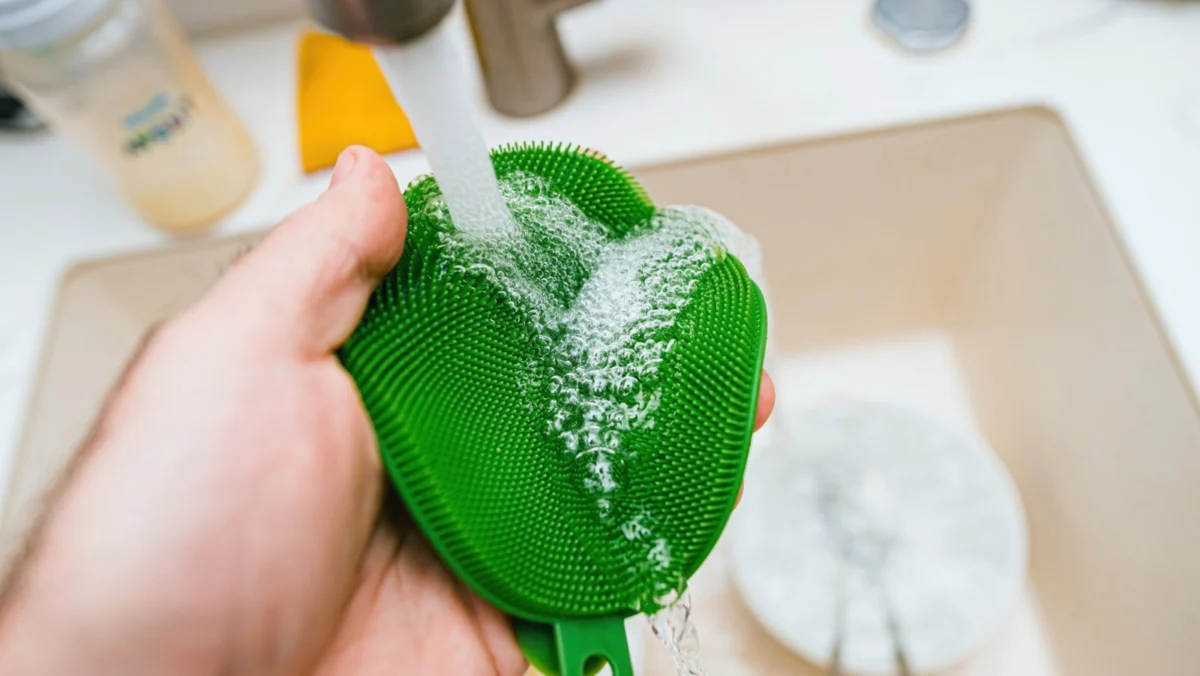
The widespread adoption of silicone dish sponges as an eco-friendly alternative to traditional cellulose sponges is facing increased scrutiny. While marketed for their durability and potential to reduce waste, a closer examination of their lifecycle reveals a complex environmental picture, challenging the simplistic notion that they are an inherently sustainable choice. The production process, material composition, and end-of-life disposal all present significant environmental considerations that consumers and manufacturers alike must address.
The Environmental Footprint of Silicone Production
The primary concern with silicone sponges lies in their manufacturing process. Silicone, a polymer derived from silicon, is synthesized from quartz sand. This transformation requires extreme temperatures, reaching as high as 3,272 degrees Fahrenheit (1,800 degrees Celsius). Such high-energy demands often rely on fossil fuels, contributing to greenhouse gas emissions and a larger carbon footprint. Furthermore, the chemical processes involved in rendering the raw quartz into a usable silicone material can release toxic smoke into the atmosphere. The use of chemicals like isilanol and hydrochloric acid, while essential for achieving the desired material properties, adds another layer of environmental concern due to their potential toxicity and the complexities of their safe handling and disposal.
The energy-intensive nature of silicone production is a significant counterpoint to its purported eco-friendliness. Compared to the relatively simpler and less energy-demanding production of cellulose, which is derived from plant-based materials, the creation of silicone is a far more industrialized and resource-intensive endeavor. While specific data on the exact energy consumption per silicone sponge is proprietary and varies by manufacturer, the general understanding of industrial silicon processing indicates a substantial environmental cost. For instance, the global production of silicon metal alone, a precursor to silicone polymers, involves vast amounts of electricity, with much of it still sourced from non-renewable energy grids.
End-of-Life Challenges: Biodegradability and Disposal
Beyond production, the disposal of silicone sponges poses another environmental hurdle. Silicone is a non-biodegradable material. Unlike organic materials that can decompose naturally over time, silicone exhibits remarkable resistance to environmental degradation. This means that when silicone sponges are discarded, they persist in landfills for extended periods, contributing to landfill volume. Their resistance to high temperatures and environmental changes, while beneficial for their lifespan, makes them problematic for natural decomposition processes.
Composting, a common method for diverting organic waste from landfills, is not an option for silicone sponges. Their inert nature prevents them from being broken down by microorganisms in a compost environment. While some specialized recycling facilities may accept silicone products, accessibility and public awareness of these programs are often limited. This lack of widespread, convenient, and effective recycling solutions means that the vast majority of silicone sponges likely end up in landfills, where they remain for centuries. The long-term environmental impact of this persistent waste is a growing concern for waste management authorities worldwide.
The Case for Longevity: A Double-Edged Sword
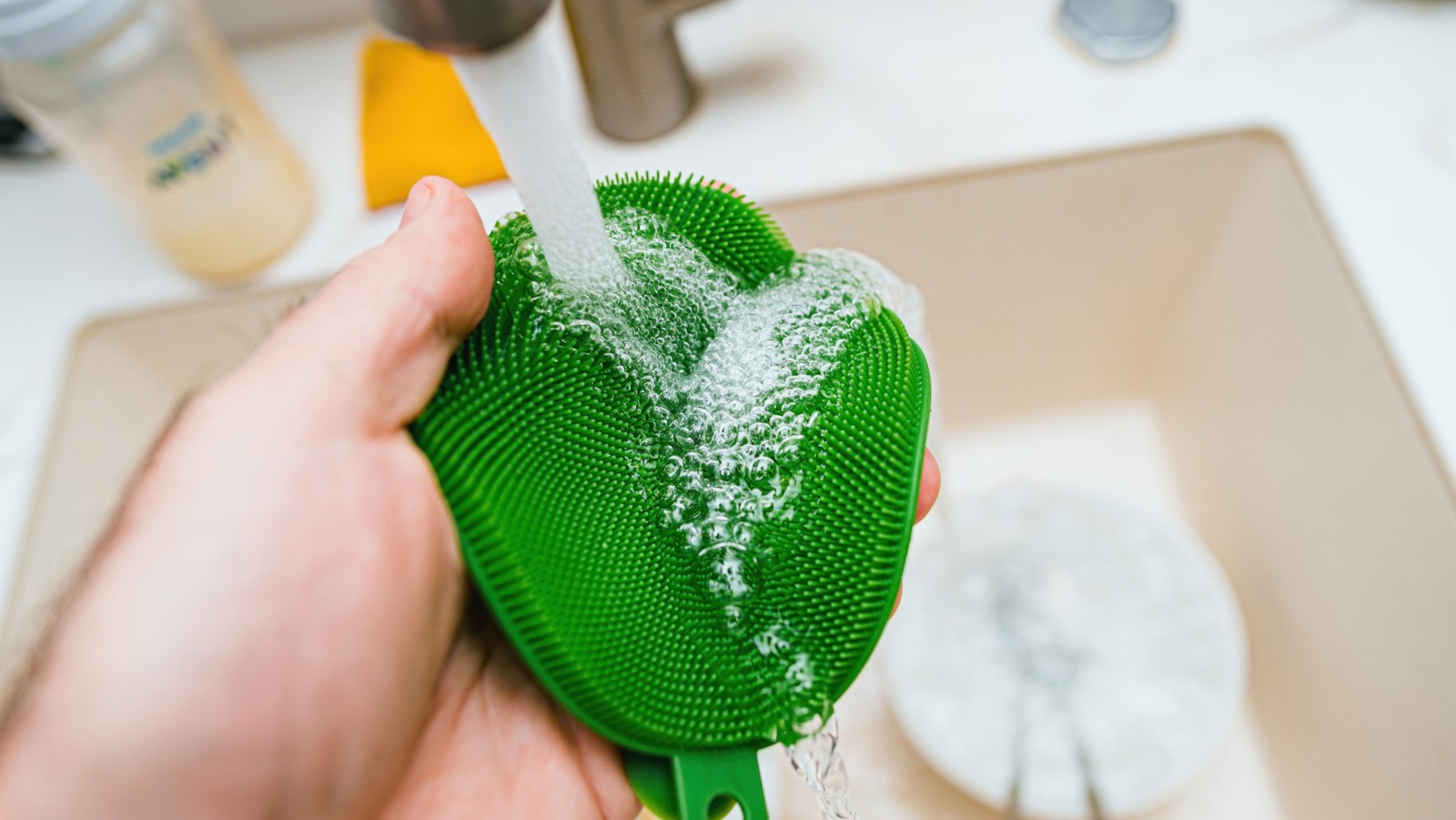
Despite these significant environmental drawbacks, silicone sponges do possess a notable advantage: their exceptional longevity. A single silicone sponge, when properly cared for, can last for several months, significantly outperforming traditional cellulose sponges which often need replacement every few weeks due to their porous structure and susceptibility to bacterial growth. This extended lifespan can, in theory, reduce the overall consumption of cleaning tools and, consequently, the waste generated over time.
This longevity is a key selling point for consumers seeking to minimize their environmental impact. By reducing the frequency of purchases, consumers can decrease their personal waste output. However, the environmental cost of producing a single, long-lasting silicone sponge must be weighed against the cumulative environmental impact of repeatedly purchasing and discarding multiple, less durable cellulose sponges. This complex trade-off requires a nuanced understanding of the full lifecycle assessment of both products.
Beyond Longevity: Other Benefits of Silicone Sponges
In addition to their durability, silicone sponges offer other practical benefits that contribute to their appeal. They are inherently non-toxic, which is a significant advantage over some synthetic cleaning materials. Furthermore, their non-porous surface makes them less hospitable to bacteria, fungi, and other microorganisms, which can proliferate in the damp, porous environments of traditional sponges. This antimicrobial property can contribute to a more hygienic kitchen environment and reduce the need for frequent sanitization cycles, which themselves consume water and energy.
Silicone sponges also do not shed microplastics, a growing concern associated with many synthetic materials. Microplastics are tiny plastic particles that can break off from products and enter the environment, posing risks to ecosystems and potentially human health. By avoiding this issue, silicone sponges offer a cleaner alternative in this specific regard.
Performance and Practicality in the Kitchen
The effectiveness of silicone sponges in practical kitchen use is a subject of mixed reviews. While some users find them to be an excellent non-abrasive cleaning option, particularly for delicate dishware, others report that they are not always effective for tackling heavy-duty messes or stubborn food residues. The smooth, non-absorbent surface, which contributes to their hygienic properties, can also make them less adept at scrubbing than their more abrasive counterparts.
Some users have noted that the lack of absorbency can be a disadvantage when dealing with large spills or when needing to soak dishes. The effectiveness of silicone sponges can also be influenced by the type of cleaning agent used; they may perform differently with various dish soaps or cleaning solutions. For instance, while they are generally safe for use with most detergents, some users might find that they don’t hold onto soapy water as effectively as traditional sponges, requiring more frequent reapplication of cleaning solution.
The Broader Impact and Implications
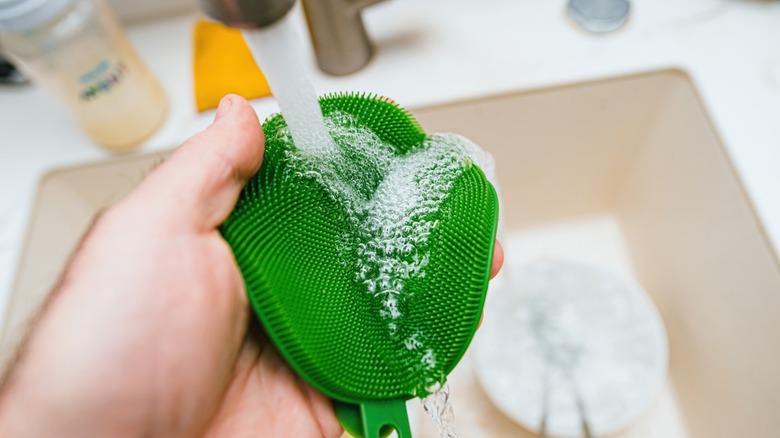
The debate surrounding silicone sponges highlights a larger trend in consumer goods: the increasing demand for "green" and sustainable products. As environmental awareness grows, consumers are actively seeking alternatives that align with their values. However, this demand can sometimes lead to "greenwashing," where products are marketed as environmentally friendly without a full and transparent accounting of their lifecycle impacts.
The case of silicone sponges underscores the need for a holistic approach to sustainability. It is not enough to focus on a single attribute, such as longevity, without considering the environmental costs of production and disposal. For manufacturers, this means investing in more sustainable production methods, exploring biodegradable alternatives, and establishing robust recycling programs. For consumers, it requires a critical evaluation of product claims and a commitment to making informed choices based on comprehensive information.
The implications extend to waste management infrastructure. The prevalence of non-biodegradable materials like silicone in consumer products places a strain on existing landfill capacity and recycling systems. A shift towards truly circular economy principles, where products are designed for reuse, repair, and eventual biological or technical nutrient cycling, is essential to mitigate these challenges.
Exploring True Eco-Friendly Alternatives
Given the environmental complexities associated with silicone sponges, it is worth exploring other genuinely sustainable options for dishwashing.
- Natural Fiber Sponges: Sponges made from natural materials like loofah, cellulose derived from wood pulp, or plant-based fibers offer a more biodegradable alternative. While they may have a shorter lifespan than silicone, their environmental impact at end-of-life is significantly lower. Loofah sponges, for instance, are derived from a dried gourd and are fully compostable.
- Biodegradable Brushes: Wooden dish brushes with natural bristles (such as tampico or boar bristles) provide a durable and effective scrubbing tool. When their lifespan is over, they can often be composted, with the wooden handle being a compostable material and natural bristles degrading readily.
- Reusable Cloths and Rags: High-quality, durable dishcloths made from organic cotton, bamboo, or hemp can be washed and reused countless times. These are highly effective for general cleaning and can be a sustainable choice if they are made from natural, biodegradable fibers.
- Recycled Materials: Some cleaning tools are now being made from recycled plastics. While this addresses the issue of plastic waste, the environmental benefits depend on the specific recycling process and the recyclability of the final product.
Conclusion: A Call for Informed Choices
Silicone dish sponges occupy a complex space in the landscape of sustainable consumer goods. While their impressive longevity and hygienic properties offer tangible benefits, their production’s high energy demands and the material’s non-biodegradability present significant environmental challenges. The narrative of silicone sponges as a straightforward eco-friendly swap is an oversimplification.
Ultimately, the decision to use silicone sponges, or any cleaning tool, should be informed by a comprehensive understanding of its entire lifecycle. Consumers are encouraged to research the environmental credentials of products, consider their own usage habits, and explore a range of alternatives. The pursuit of a truly sustainable kitchen requires a conscious effort to minimize waste, reduce energy consumption, and support products and practices that prioritize the health of our planet. As the market continues to evolve, so too must our understanding and our choices.
