
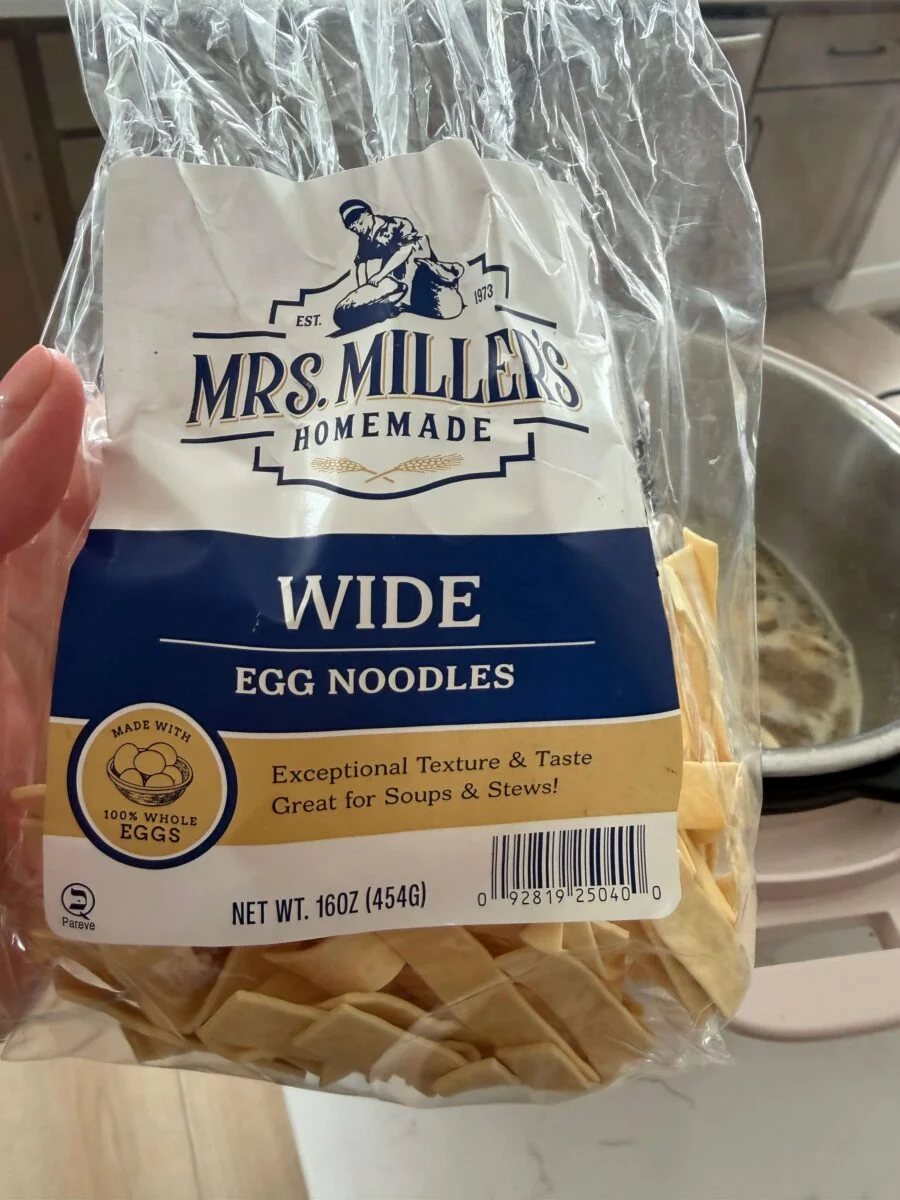
The evolution of home cooking in the 2020s has been marked by a significant shift toward appliance-centric techniques. The rise of multi-cookers like the Instant Pot has fundamentally altered the landscape of domestic meal planning, allowing for complex dishes that traditionally required multi-step stovetop or oven processes to be completed within a single pressurized vessel. This specific iteration of the chicken pot pie concept represents a departure from the "cream-of-soup" reliant recipes of the mid-20th century, opting instead for a fresh, ingredient-focused approach that utilizes heavy cream and a cornstarch-based thickening agent to achieve a silky, restaurant-quality consistency.
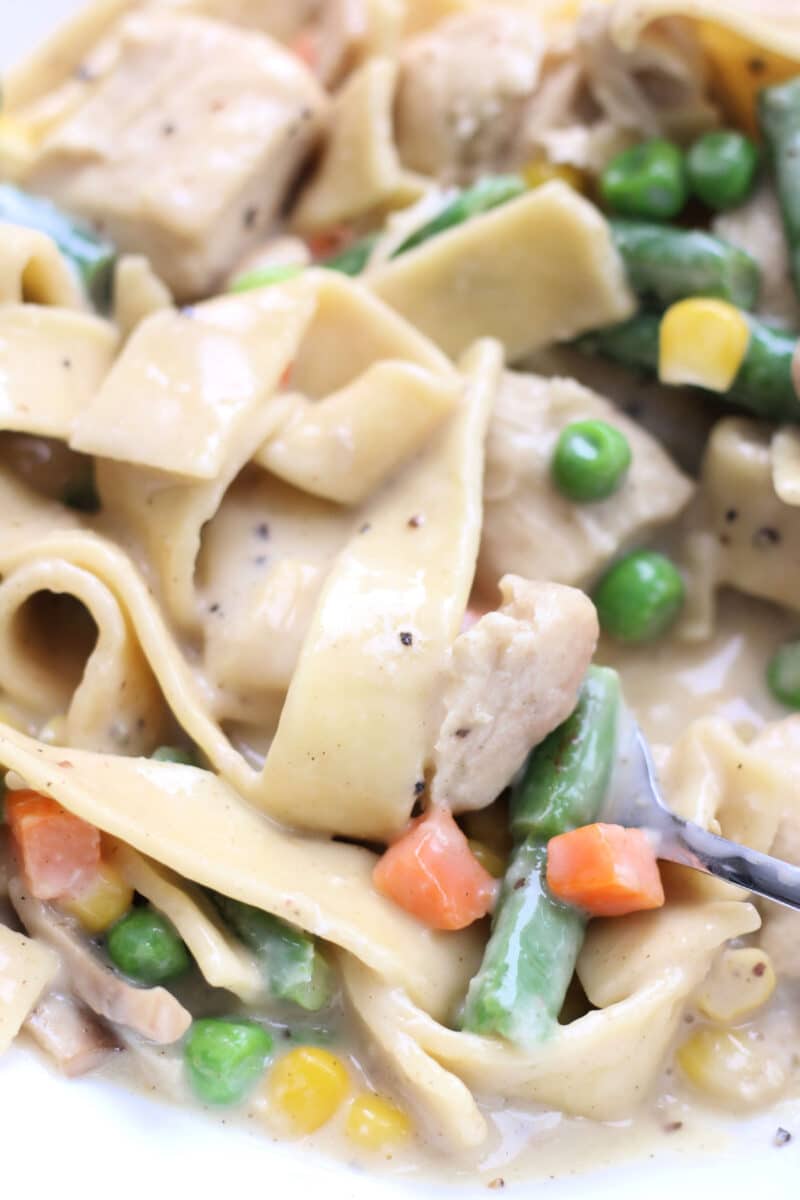
Culinary Context and Methodology
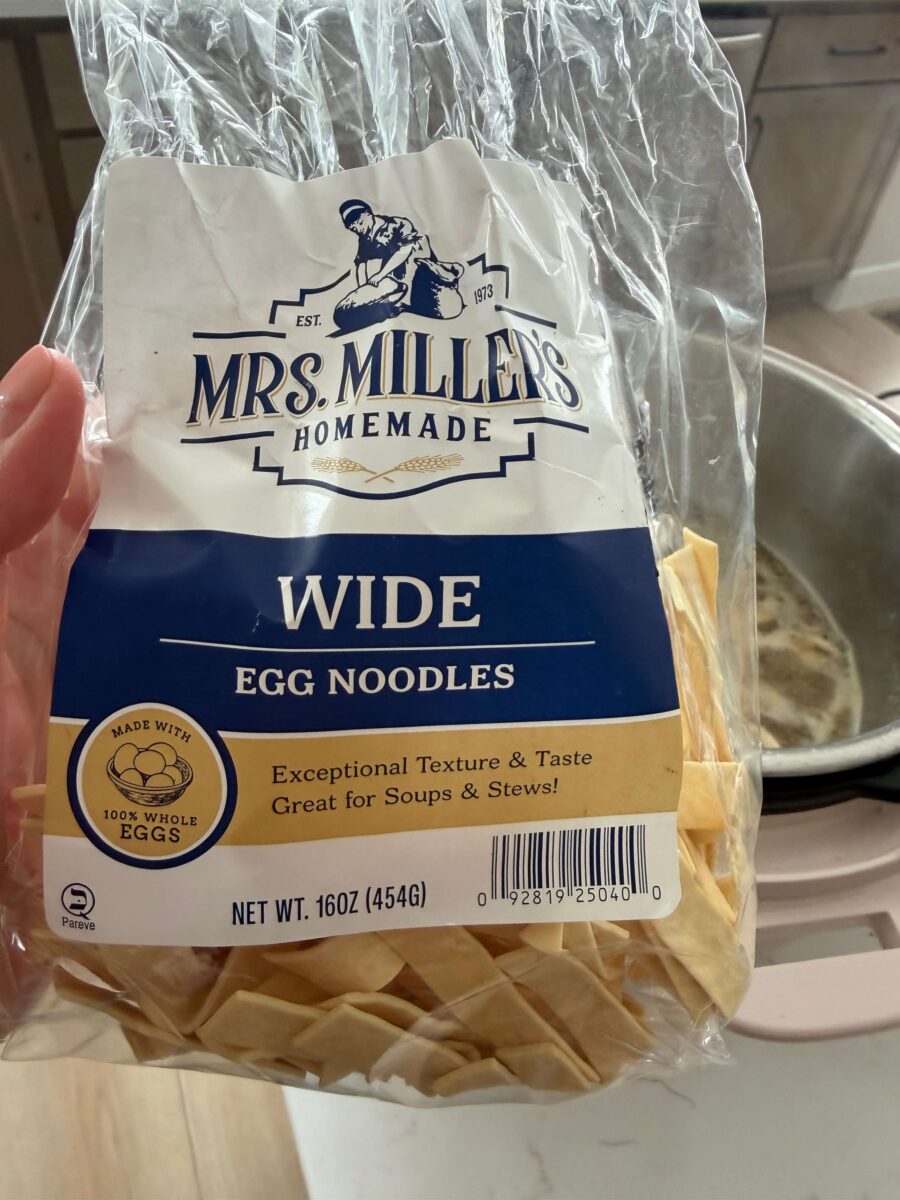
The fundamental appeal of this recipe lies in its structural efficiency. Traditional chicken pot pie, a dish with deep roots in British and American culinary history, traditionally consists of a stewed filling encased in or topped with a pastry shell. While highly regarded for its comfort factor, the dish is often sidelined in busy households due to the technical demands of crust preparation. By substituting the crust with wide egg noodles, home cooks can achieve the same flavor profile—characterized by the interplay of poultry fat, aromatic vegetables, and a creamy, thyme-forward sauce—in roughly 30 to 45 minutes of total cook time.
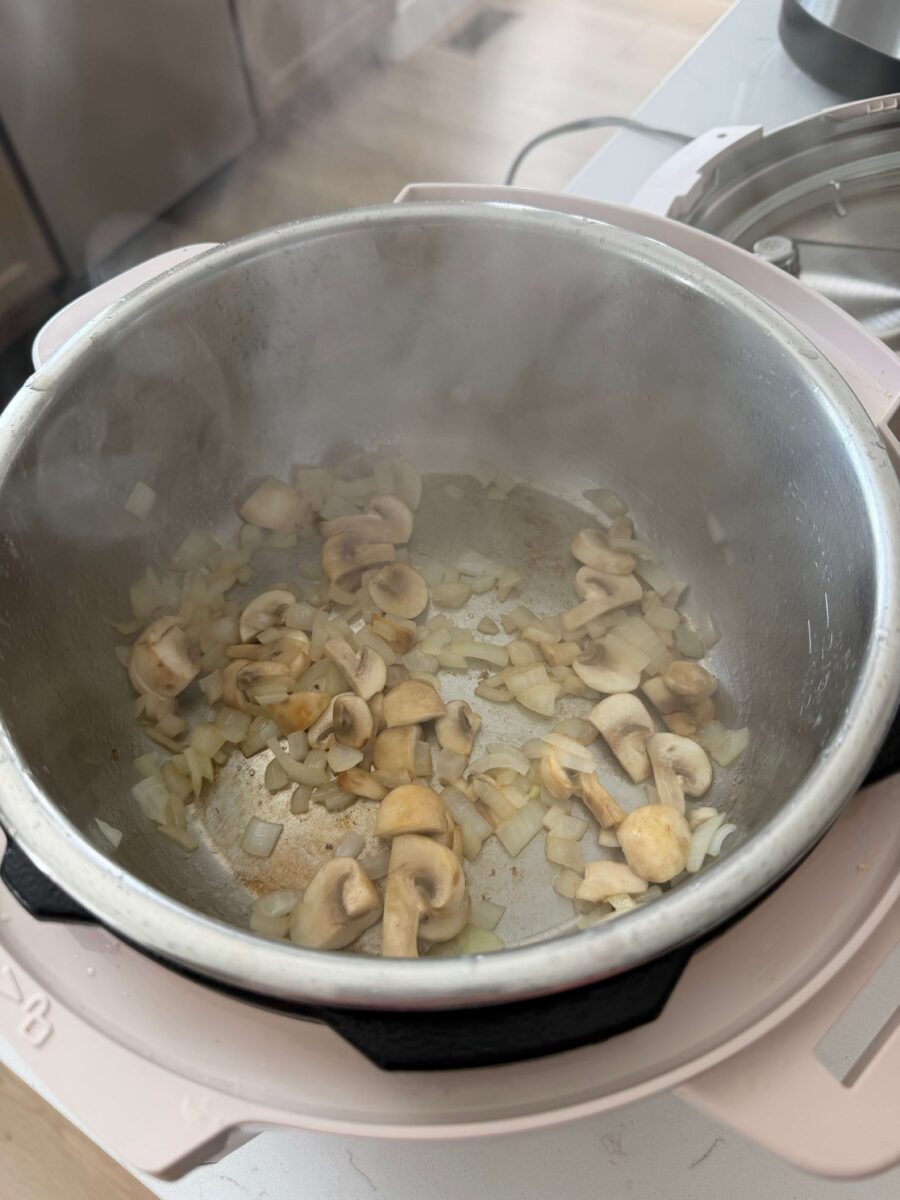
The process begins with a sauté function, which is critical for developing the base flavor. By searing mushrooms, onions, and celery in butter, the chef initiates the Maillard reaction, a chemical process that browns food and creates complex flavor compounds. The subsequent addition of chicken broth acts as a deglazing agent, lifting the fond (browned bits) from the bottom of the pot, which prevents the "burn" warning common in electric pressure cookers while simultaneously incorporating depth into the broth.
Nutritional and Ingredient Analysis
The choice of ingredients in this recipe reflects a modern nutritional preference for balanced, whole-food components. Chicken thighs are preferred over breasts due to their higher fat content, which ensures the meat remains succulent under the high-pressure environment of the Instant Pot. The inclusion of mushrooms provides a significant source of umami, which serves as a natural flavor enhancer, reducing the reliance on excessive sodium.
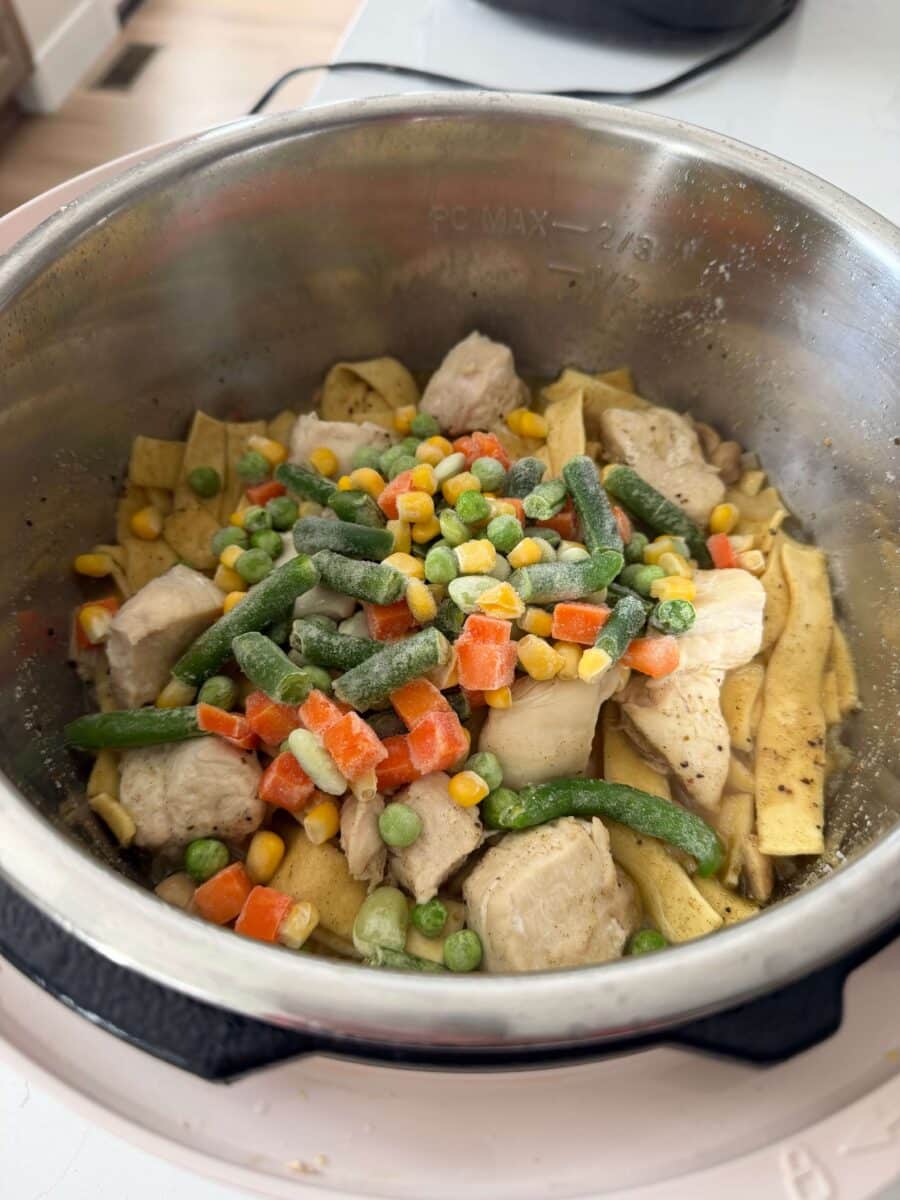
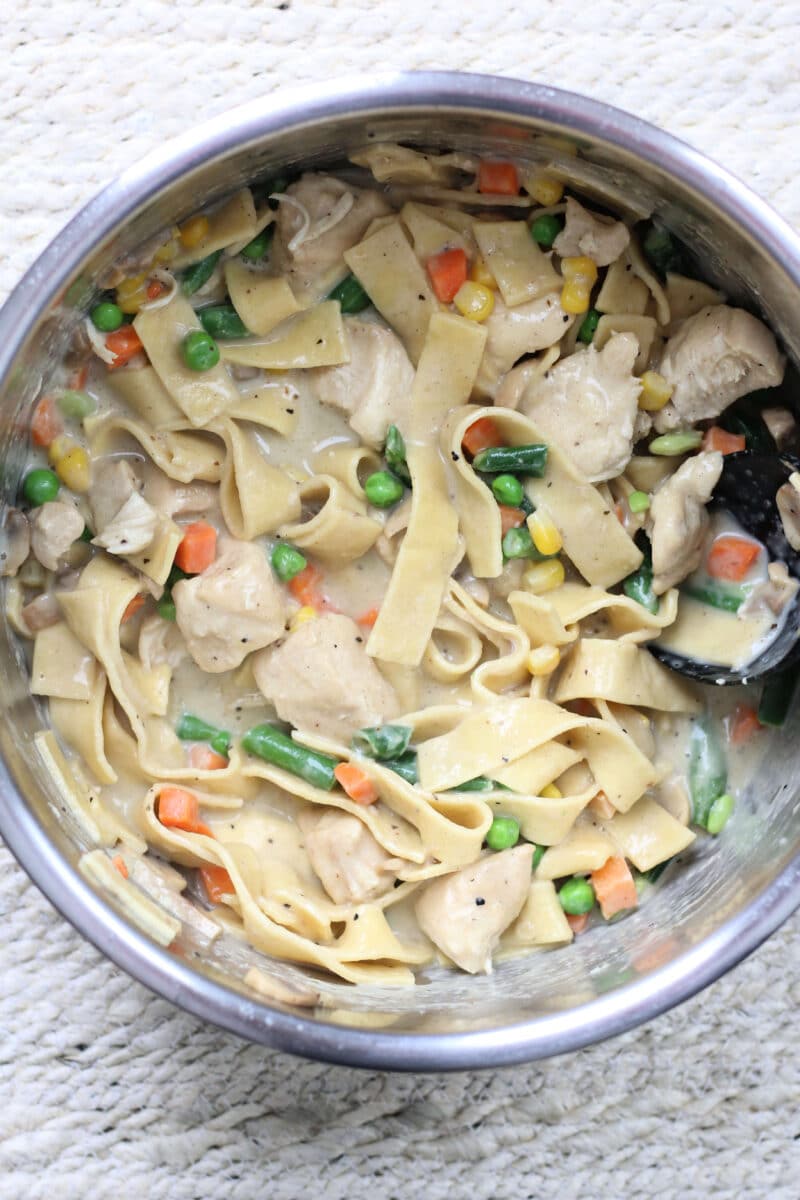
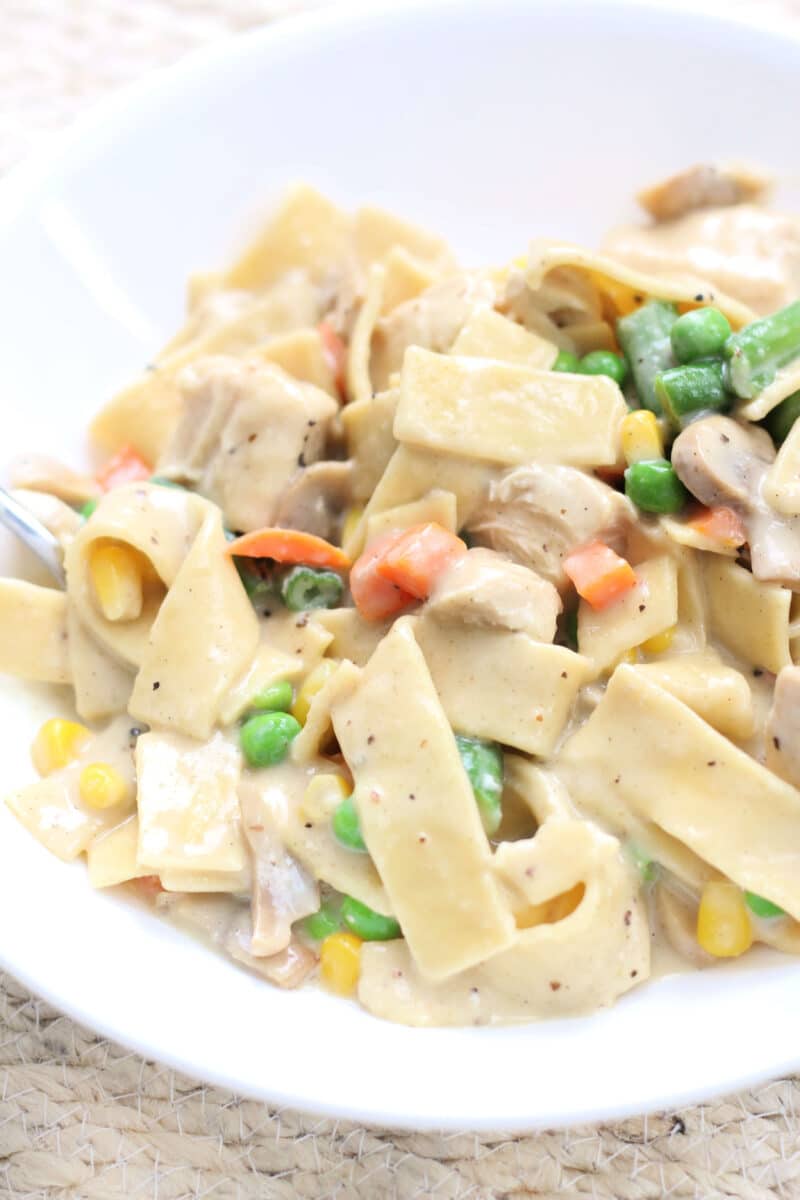
The use of frozen vegetables is a point of interest for both nutritional and logistical reasons. Modern blast-freezing technology ensures that vegetables are picked and processed at the peak of their nutrient density. Integrating them at the end of the cooking cycle, rather than under pressure, preserves their vibrant color and prevents them from becoming mushy. This technique maintains the structural integrity of the peas, carrots, and corn, ensuring that the final dish offers a satisfying contrast in textures.
Chronological Execution and Technical Requirements
Successful execution of the recipe follows a specific temporal sequence designed to maximize flavor while ensuring food safety. The procedure is as follows:
- Sauté Phase (3–5 minutes): The base aromatics and mushrooms are sautéed until tender. This phase is essential for establishing the foundational flavor profile.
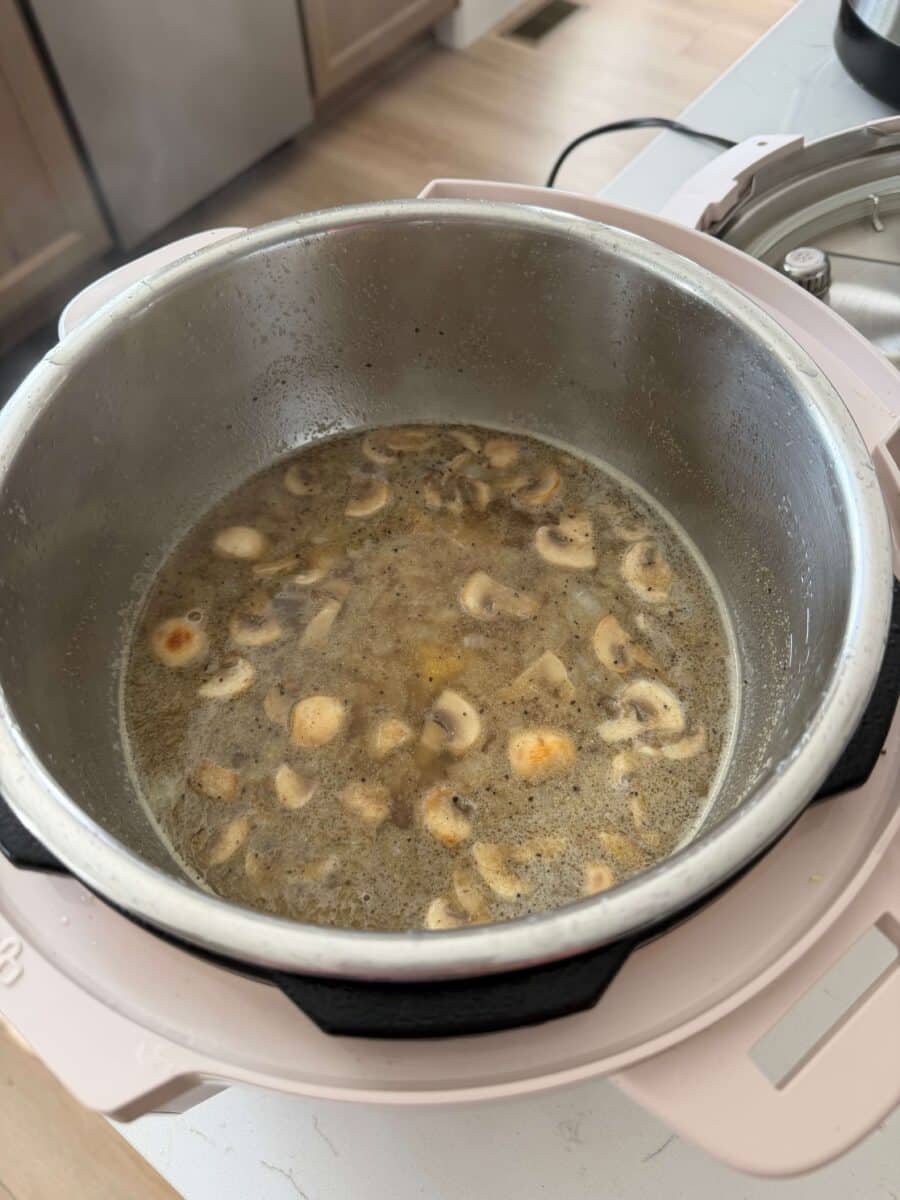
- Deglazing and Preparation: The addition of chicken broth and spices (garlic powder, salt, pepper, and poultry seasoning) provides the liquid necessary for the pot to reach the required steam pressure.
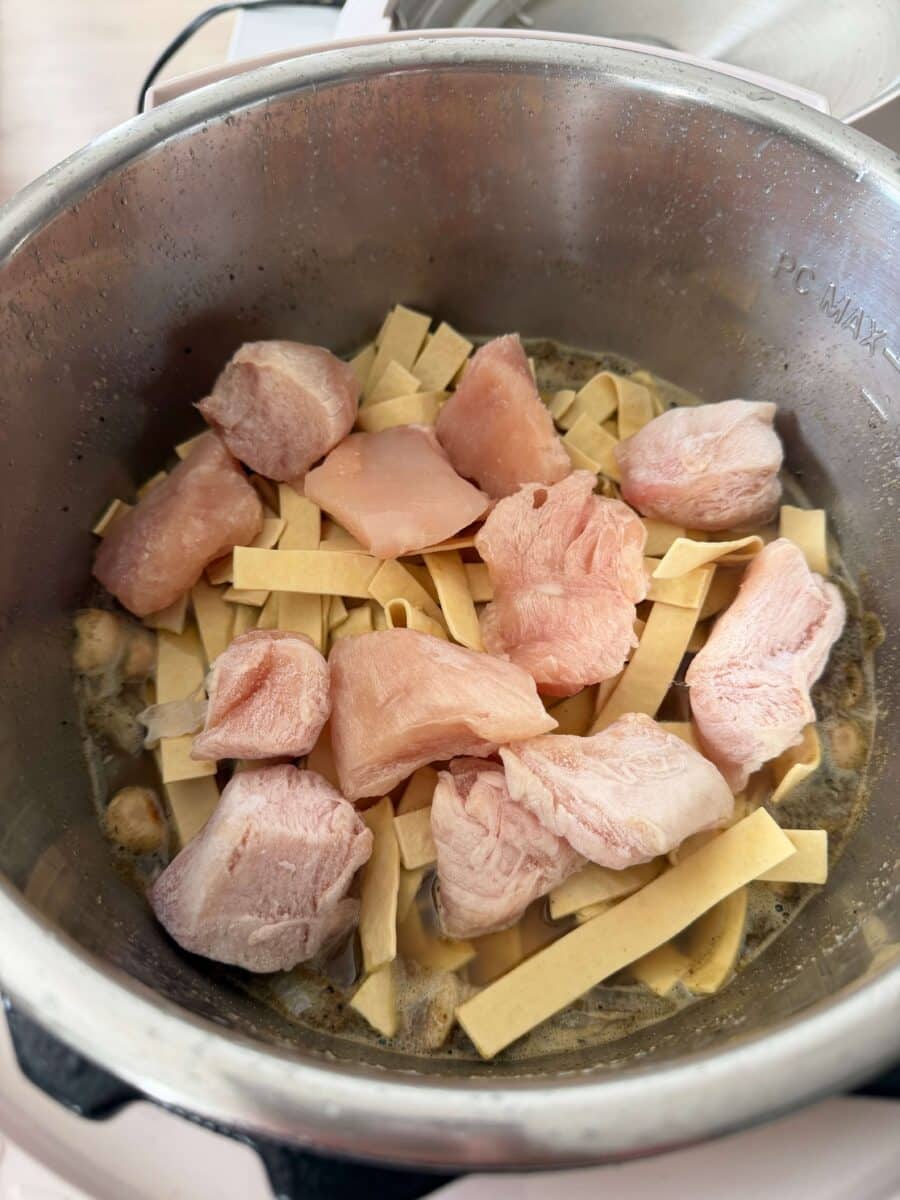
- Layering: Strategic layering—placing the noodles at the base and the chicken pieces on top—is a technical necessity. This prevents the noodles from clumping and ensures the chicken is cooked evenly through the circulation of steam.
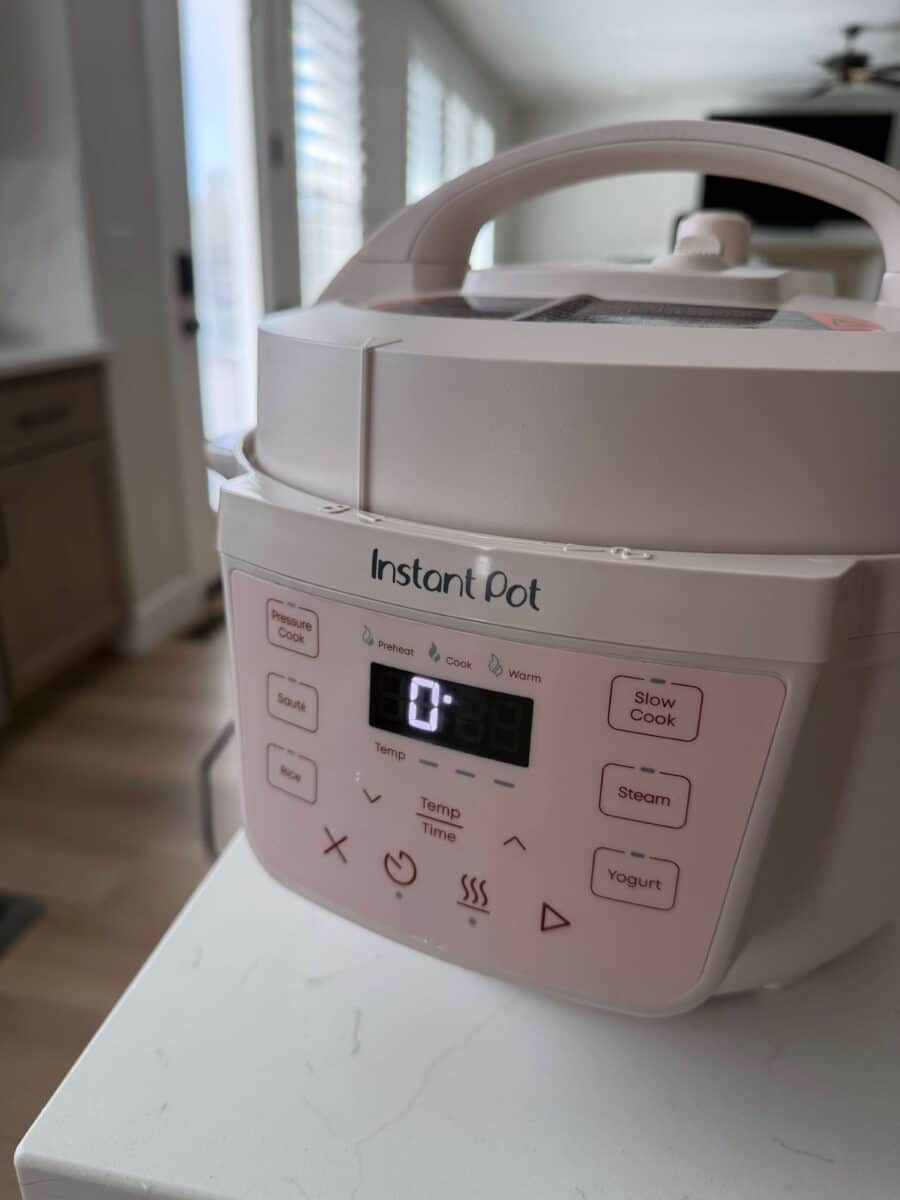
- Pressure Cook Cycle (4 minutes): The low cook time is intentional. Given the thin nature of egg noodles, a short pressure cycle is sufficient to hydrate and cook the pasta without turning it into a paste.
- Resting Period (5 minutes): A natural pressure release of five minutes is vital. It allows the temperature to stabilize, preventing the contents from erupting when the valve is opened and ensuring the sauce has begun to emulsify.
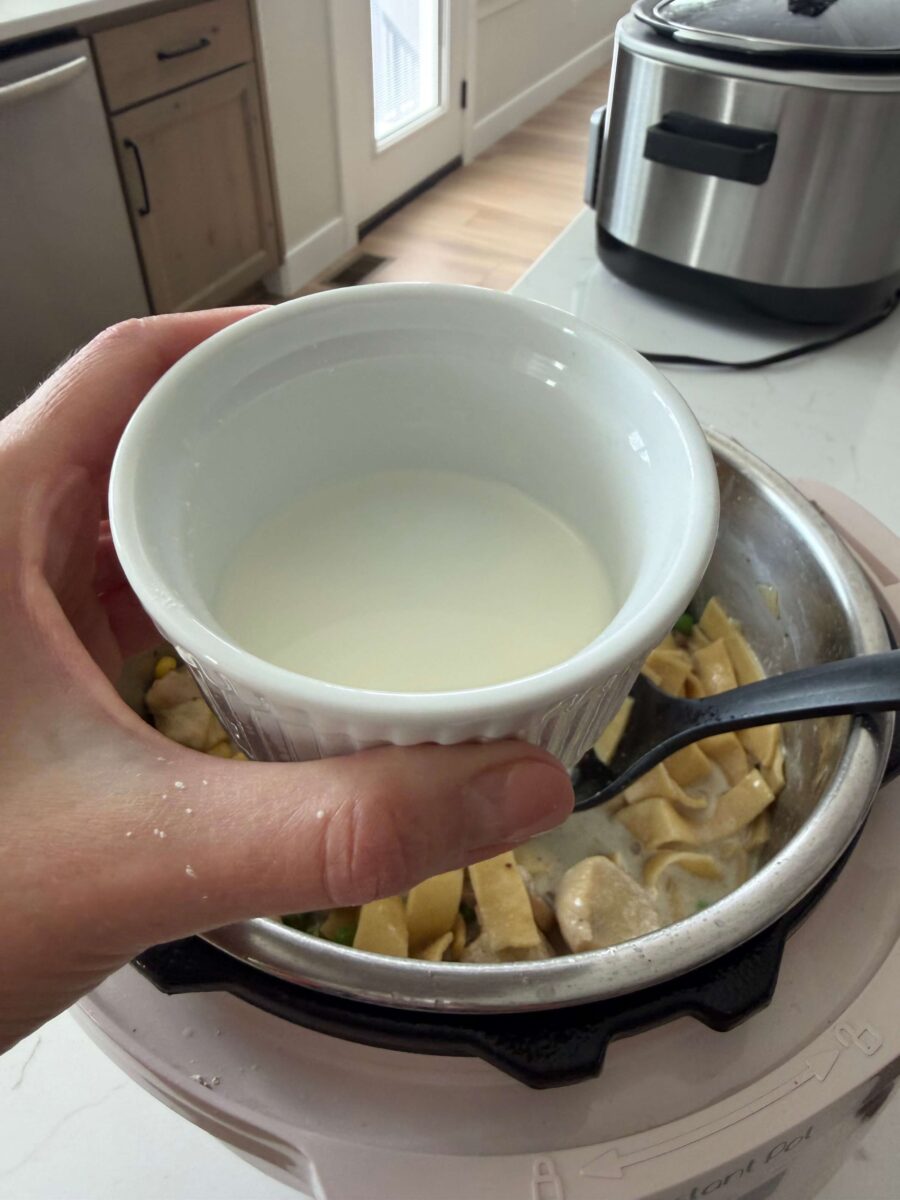
- Finishing (Final 5 minutes): The addition of cream and the cornstarch slurry creates the characteristic "pot pie" texture. The return to the sauté function for a final minute ensures the slurry reaches the activation temperature required to thicken the sauce effectively.
Economic and Logistical Implications
From an economic standpoint, the dish demonstrates the efficiency of "one-pot" cooking. By utilizing common, shelf-stable, or frozen staples, the recipe provides a cost-effective alternative to pre-packaged, processed frozen meals. Data from food industry analysts suggests that household spending on home-prepared meals has increased as inflation impacts the restaurant sector. Recipes that emphasize bulk protein preparation, such as utilizing chicken thighs, allow families to maximize their grocery budgets.
Furthermore, the adaptability of the recipe—allowing for the substitution of raw chicken with pre-cooked rotisserie chicken—highlights a trend toward "convenience cooking." This modification reduces the cooking time significantly, making it a viable option for mid-week dinners where time is limited.
Broader Culinary Impact
The rise of recipes like the Creamy Chicken Pot Pie Pasta signifies a broader shift in the culinary zeitgeist. There is an increasing rejection of the "shortcut" mentality that defined the 1980s and 90s, where convenience was synonymous with processed, sodium-heavy canned soups. Today’s home cook is better informed and prioritizes the use of fresh cream, herbs, and aromatics to replicate classic dishes.
Experts in food science note that the Instant Pot’s ability to maintain a consistent environment has allowed for the "democratization" of cooking techniques that were once reserved for professional kitchens. The precise control over heat and pressure ensures that even novice cooks can achieve consistent results, which is a major factor in the enduring popularity of such recipes.
Future Outlook and Conclusion
As the market for kitchen technology continues to expand, it is likely that the "one-pot" format will continue to dominate. Future iterations of this dish may incorporate further modifications, such as the inclusion of fresh herbs like rosemary or sage to elevate the aromatic profile, or the use of alternative proteins such as turkey or white beans to cater to changing dietary preferences.
Ultimately, the Creamy Chicken Pot Pie Pasta is more than just a recipe; it is a symptom of a modern era that demands efficiency without sacrificing the sensory experience of a home-cooked meal. By bridging the gap between historical comfort food and modern convenience, it provides a template for the future of domestic dining—a future that is fast, flavorful, and remarkably easy to clean up. Whether served with a side of crusty bread or topped with a quick biscuit to honor its origins, the dish stands as a testament to the versatility of the modern kitchen.
