
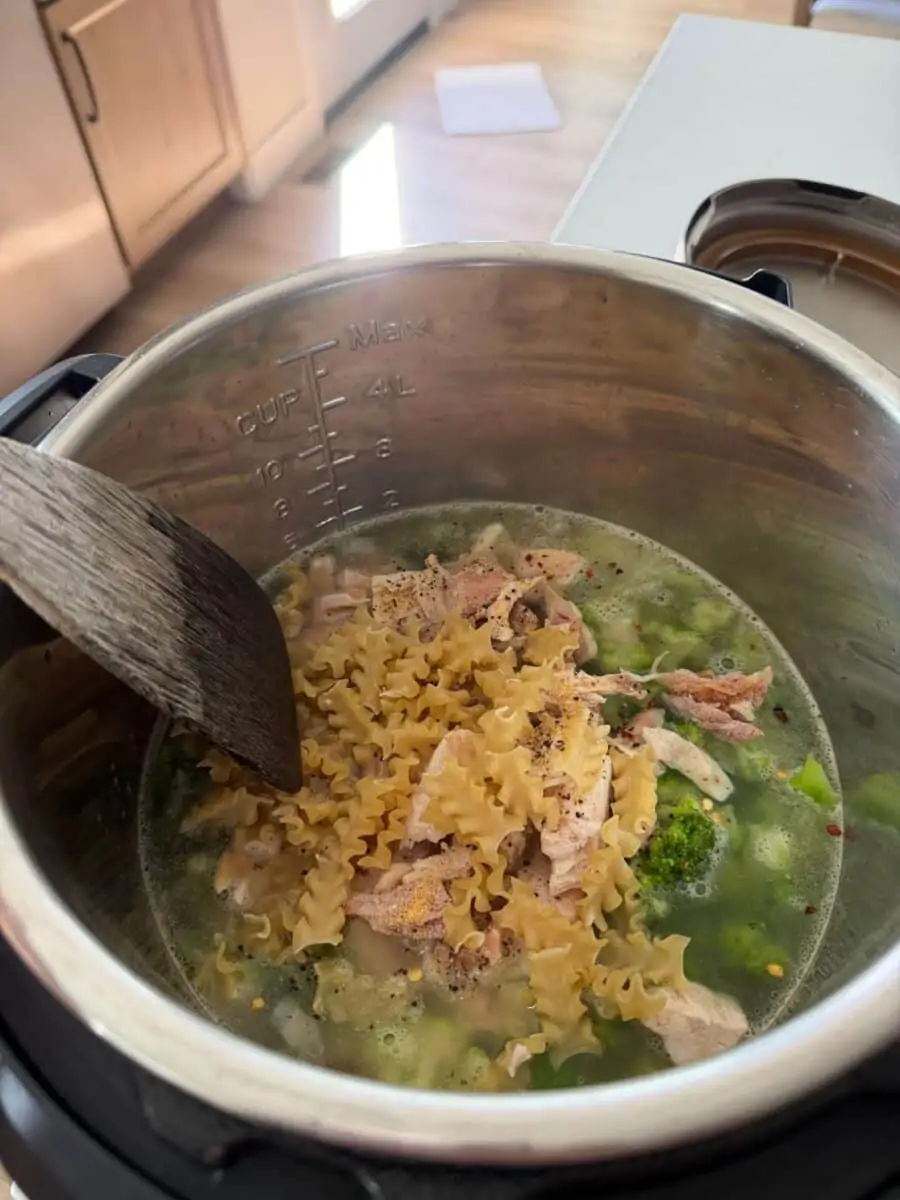
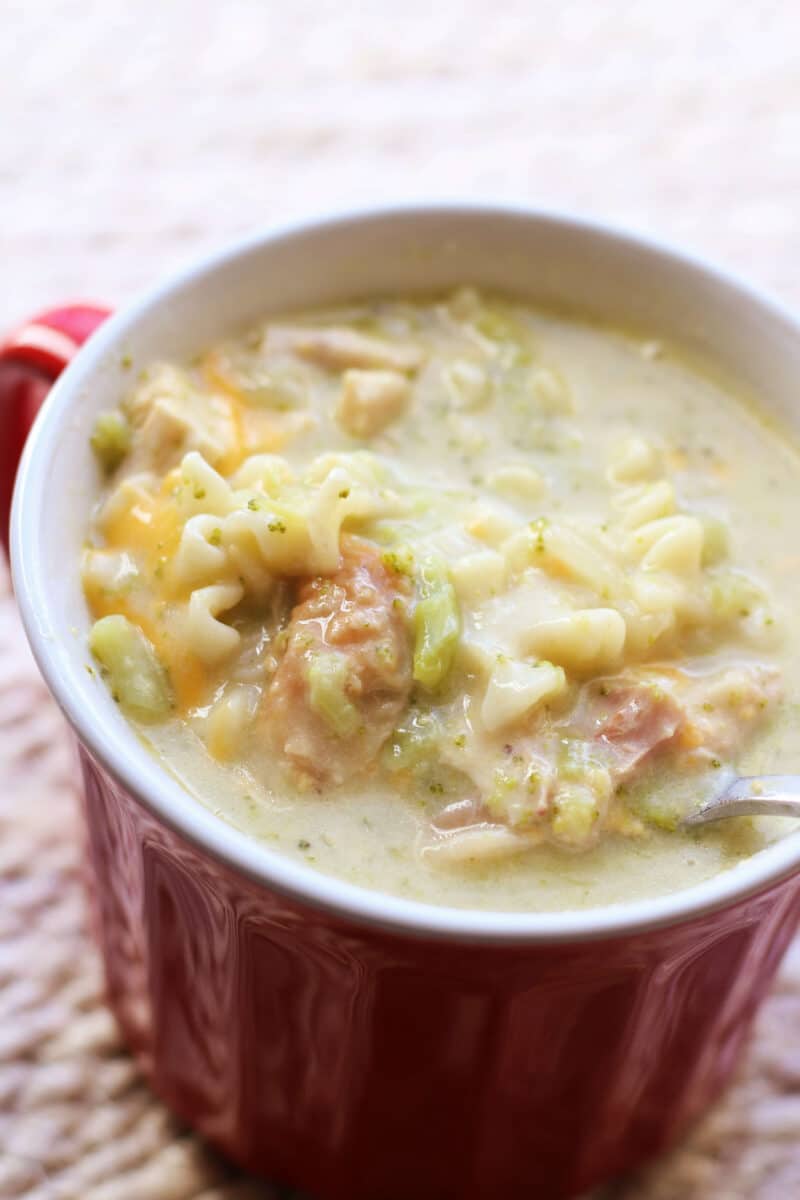
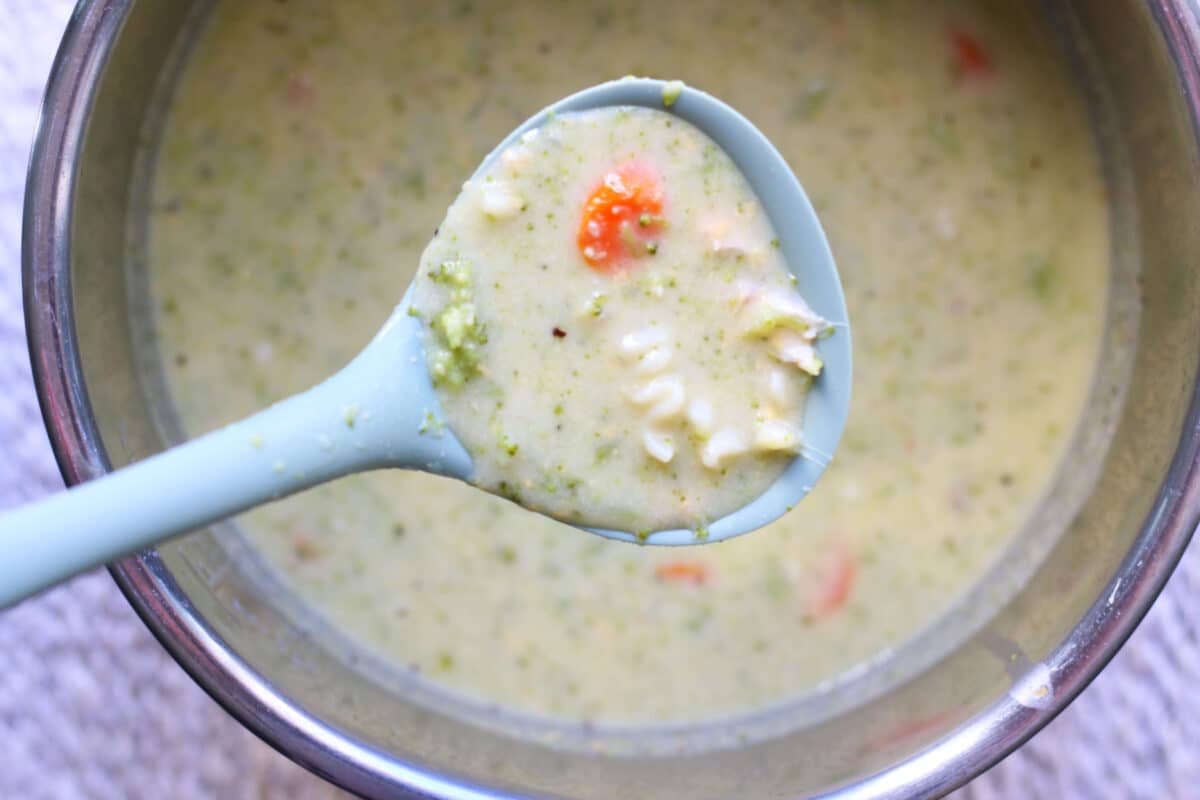
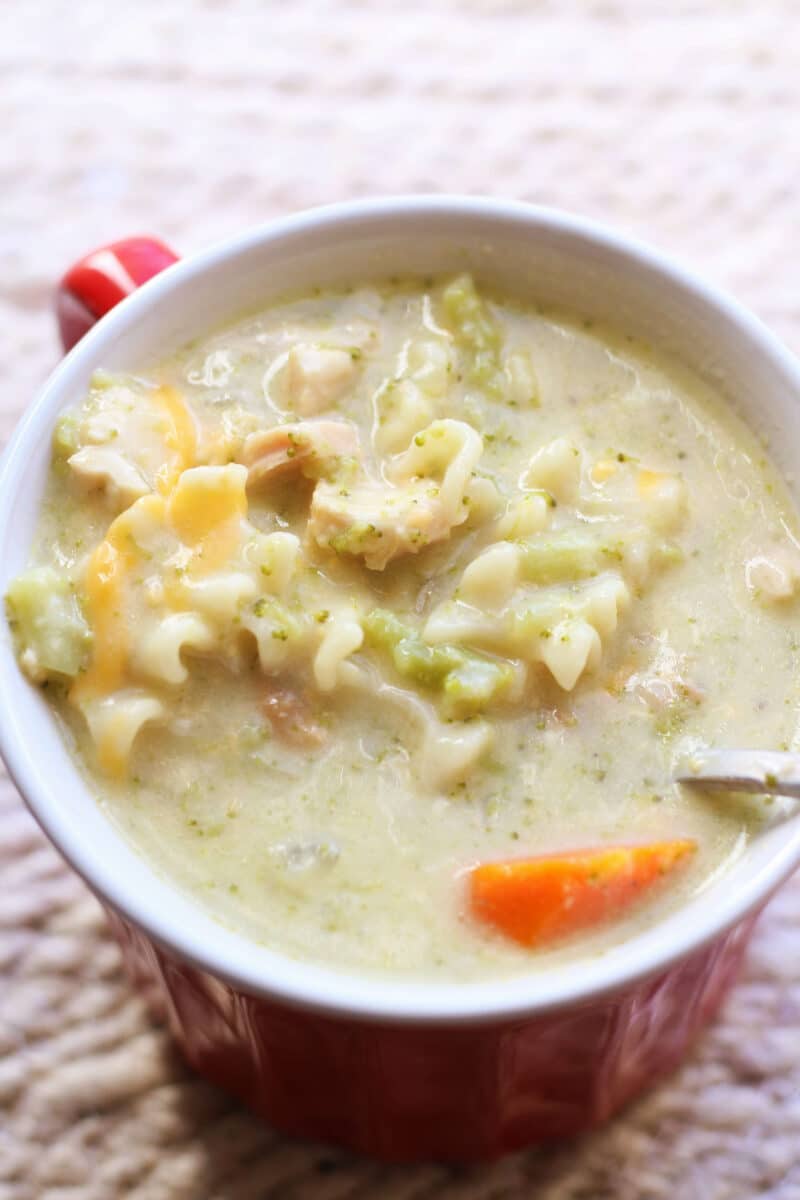
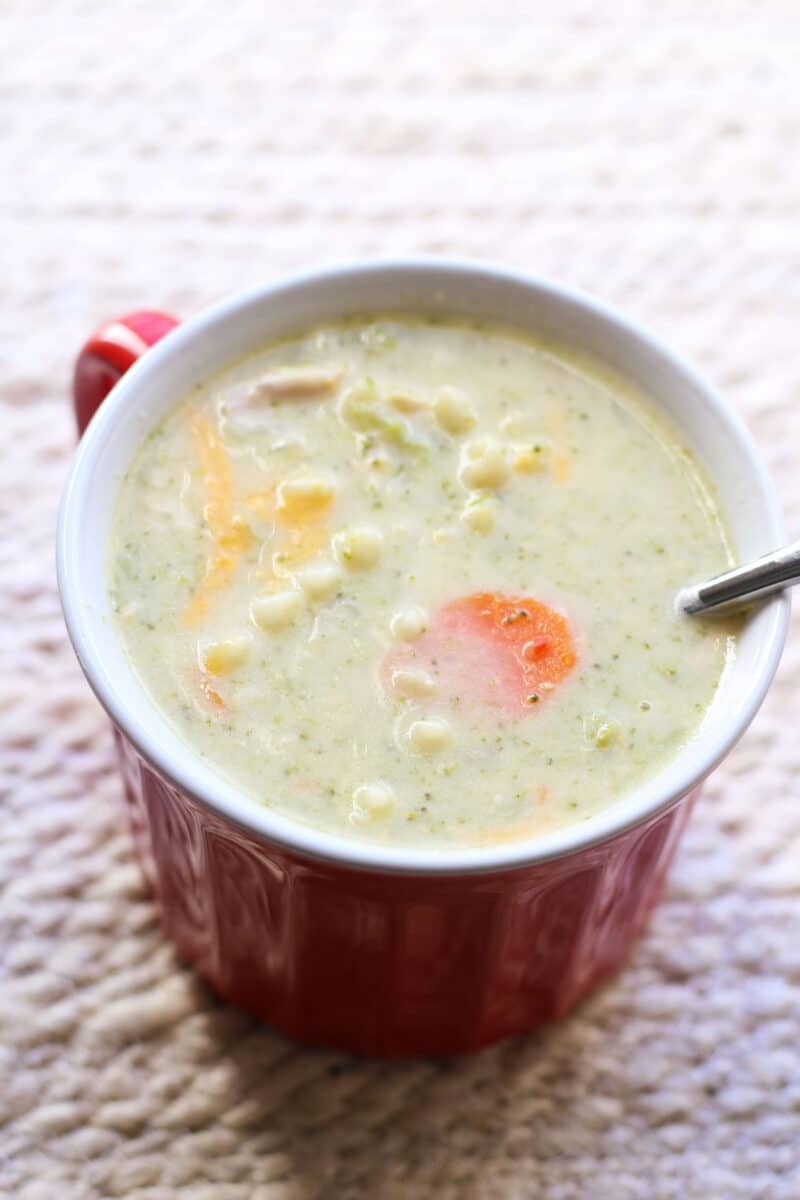
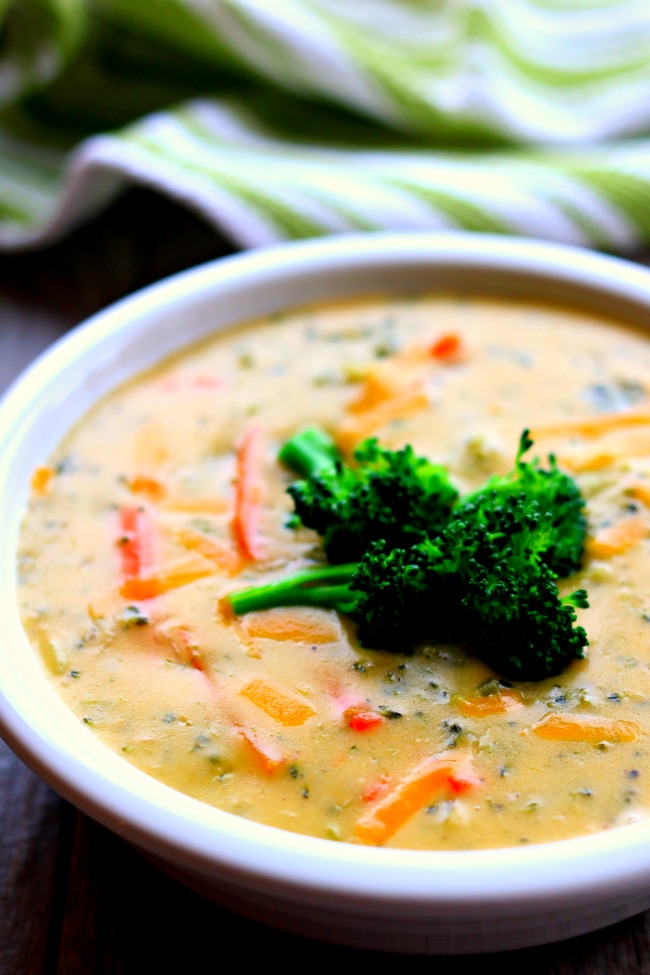
The intersection of two quintessential comfort food staples—creamy broccoli cheddar soup and hearty chicken lasagna—has birthed a new culinary phenomenon: Broccoli Cheddar Lasagna Soup. This hybrid dish, increasingly gaining traction in home kitchens, utilizes modern kitchen appliances such as the Instant Pot and the traditional slow cooker to streamline the preparation of what was once a time-intensive process. By integrating rotisserie chicken, fibrous broccoli florets, nutrient-rich carrots, and miniature lasagna noodles, the dish represents a significant shift toward "one-pot" meals that prioritize both efficiency and nutritional density.
Historical Context and Culinary Evolution
The rise of hybrid comfort foods reflects broader shifts in domestic culinary trends observed over the last decade. Historically, soup and pasta dishes occupied separate domains in the American kitchen. However, the proliferation of programmable pressure cookers has facilitated a move toward "dump-and-go" recipes that merge distinct flavor profiles. Broccoli cheddar soup, long a staple of fast-casual dining chains, has traditionally been categorized as a heavy, cream-based indulgence. By incorporating rotisserie chicken—a high-protein, pre-cooked staple readily available in most grocery stores—and substituting traditional broad lasagna sheets with miniature versions, the dish achieves a texture and satiety profile that mimics a full lasagna without the need for layering, baking, or assembly.
Data from recent consumer food behavior reports suggests that the "cozy food" movement, accelerated by the global health shifts of the early 2020s, remains a primary driver of home cooking. Consumers are increasingly seeking recipes that offer the sensory satisfaction of traditional comfort foods while maintaining a manageable preparation time under 30 minutes.
The Mechanics of the Hybrid Soup
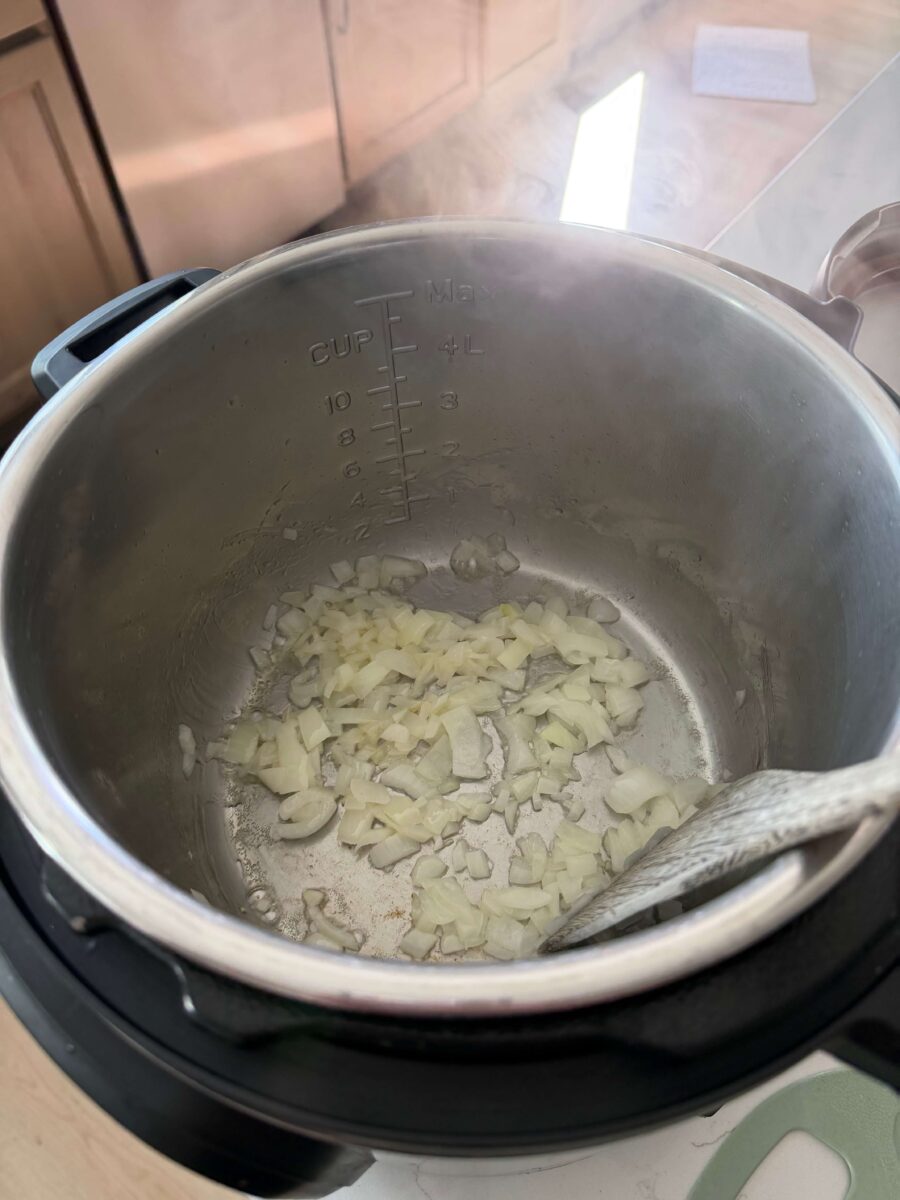
The technical preparation of this dish relies on the pressurized environment of the Instant Pot to achieve in minutes what traditionally required hours of simmering. The process begins with the sautéing of aromatics—specifically onions in butter—to build a flavor base. This is followed by the introduction of chicken broth, which acts as the primary medium for cooking the pasta.
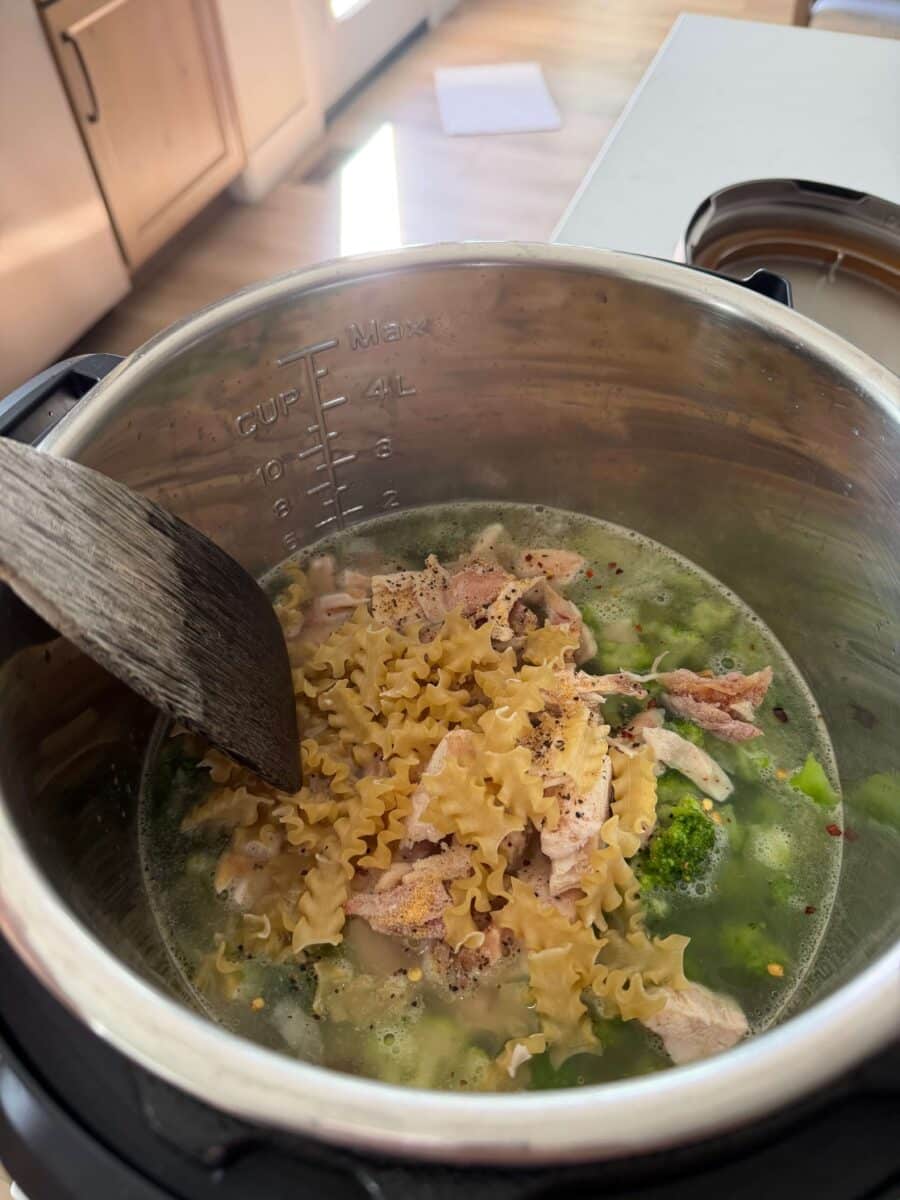
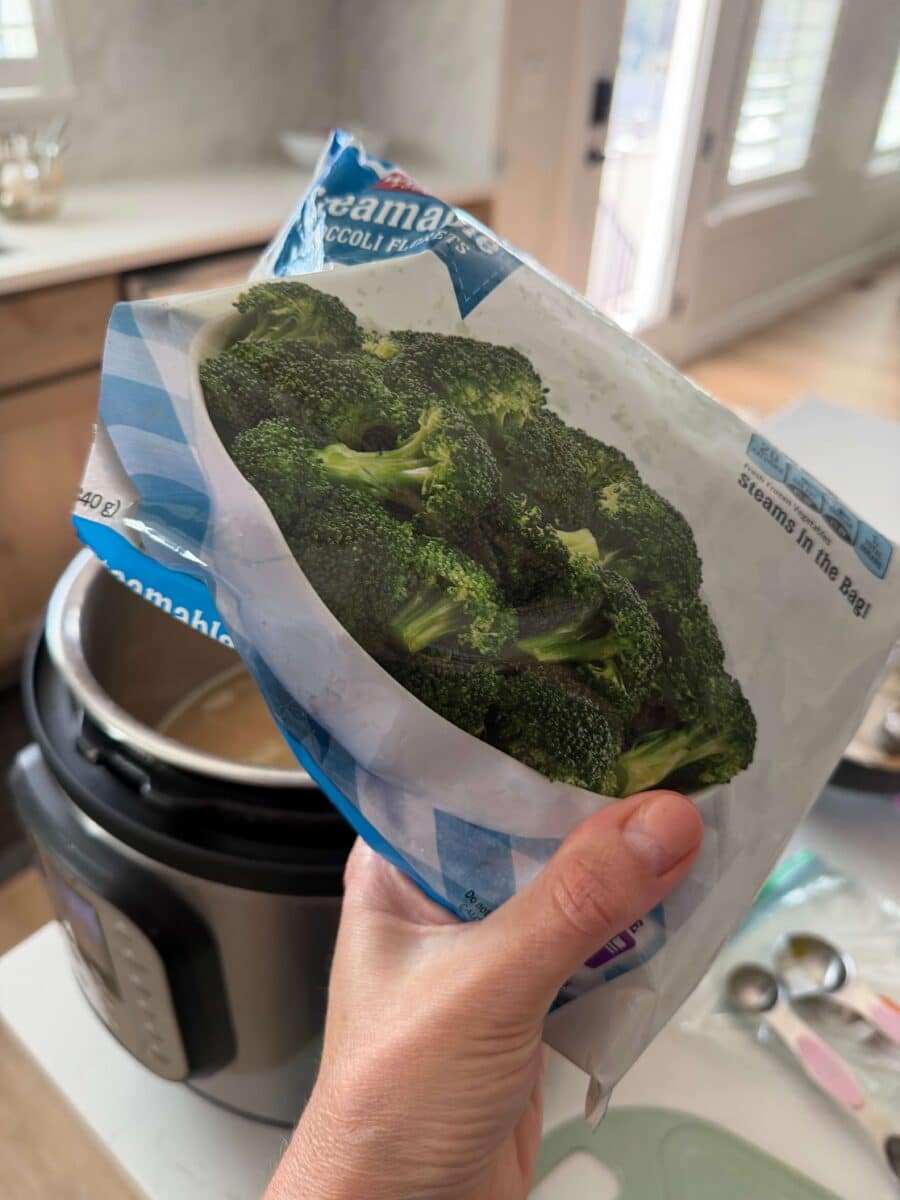
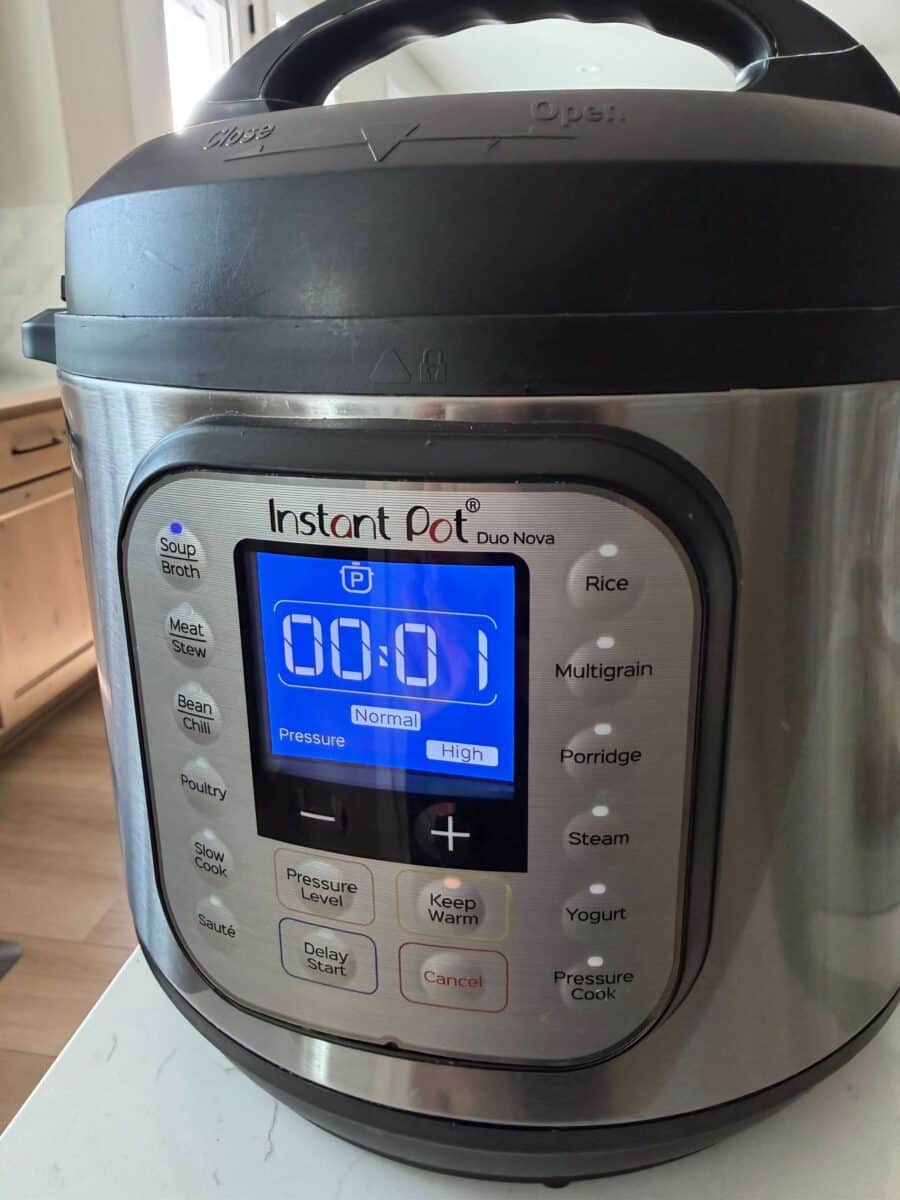
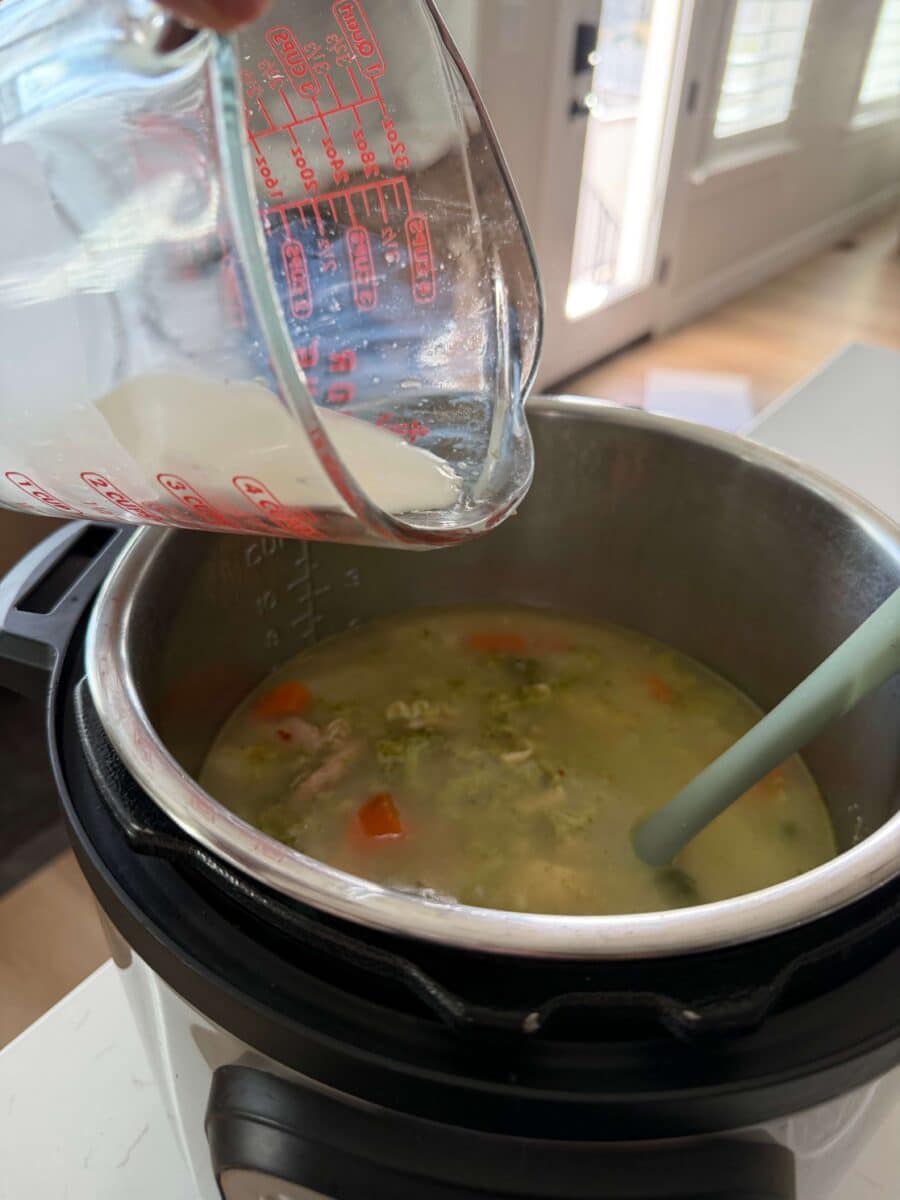
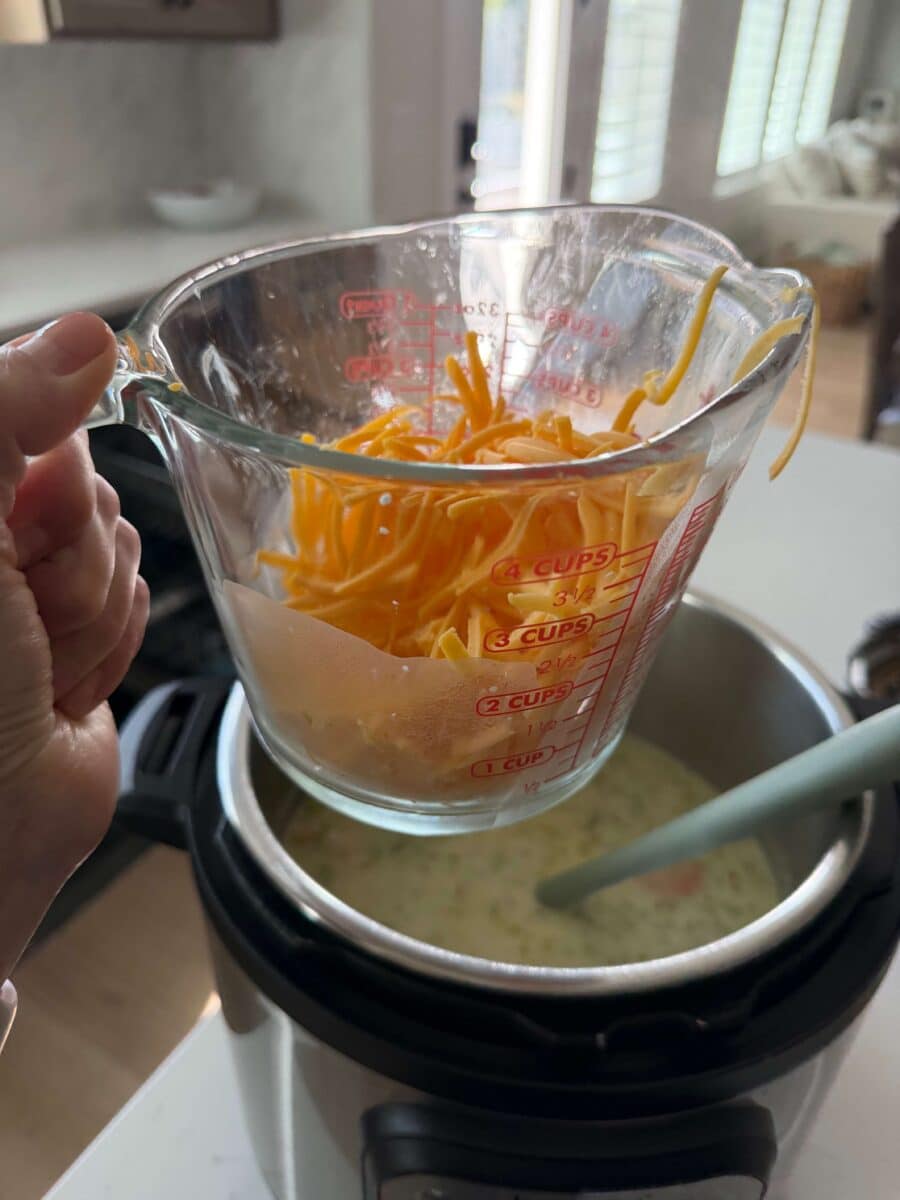
A critical technical nuance in this recipe is the shortened pressure-cook cycle. Because the Instant Pot requires a "come-to-pressure" phase, the broth and ingredients are effectively poaching during the heating period. Consequently, a one-minute high-pressure cycle is sufficient to hydrate the mini lasagna noodles and tenderize the carrots without compromising the integrity of the broccoli, which is often added as a frozen component. The final stage, involving the tempering of half-and-half and the incorporation of shredded cheddar, highlights the importance of temperature control in preventing the curdling of dairy proteins, a common challenge in large-batch soup production.
Nutritional Implications and Ingredient Selection
From a nutritional perspective, the incorporation of broccoli and carrots introduces essential micronutrients, including vitamins C and K, as well as beta-carotene. The use of rotisserie chicken provides a lean source of protein, significantly elevating the nutritional profile compared to traditional pasta-based soups that may rely solely on refined carbohydrates.
However, nutritionists often emphasize the sodium content associated with pre-packaged chicken broth and processed cheeses. Experts suggest that home cooks can mitigate these levels by utilizing low-sodium broth and selecting high-quality, sharp cheddar cheese that provides robust flavor, thereby requiring less salt overall. The substitution of mini lasagna noodles for other shapes like rotini or fusilli is largely a matter of texture; the flat, wide surface area of lasagna pasta holds the creamy broth more effectively, providing the "lasagna experience" intended by the recipe developers.
The Rise of the Instant Pot and Slow Cooker Economy
The popularity of this soup is intrinsically linked to the "appliance boom." According to kitchen hardware market analysis, multi-cookers have become the most common secondary appliance in modern kitchens. The ability to switch between sauté, pressure, and slow-cook modes allows for a high degree of versatility.
For the slow cooker method, which remains a staple for those preferring a "set it and forget it" approach, the timeline is extended to four to six hours on low heat. This slow extraction of flavors allows the onions and chicken to fully integrate with the broth, though it requires a different approach to the dairy components. To ensure the cheese melts into a smooth emulsion rather than separating, it is standard practice to add the dairy and cheese in the final 30 minutes of the slow-cooking process.
Socio-Economic Factors in Home Cooking
The convenience of using rotisserie chicken speaks to a broader trend in food procurement. As the cost of living fluctuates, consumers are finding value in "repurposing" pre-cooked proteins. Rotisserie chicken, often sold as a loss-leader in supermarkets, provides a cost-effective, time-saving solution for families. By pairing this with pantry staples—pasta, frozen vegetables, and aromatics—the Broccoli Cheddar Lasagna Soup functions as an economically viable meal that minimizes food waste.
Industry experts observe that recipes like this are frequently shared via social media platforms, such as Pinterest, where visual appeal meets utility. The "Pin this for later" culture indicates that consumers are building digital libraries of recipes that serve as contingency plans for busy weeknights. The accessibility of these recipes is further enhanced by searchable databases that allow users to filter by dietary needs, such as gluten-free, low-carb, or specific protein requirements.
Future Projections and Culinary Trends
As we look toward future culinary developments, it is clear that the demand for hybrid comfort dishes will continue to grow. We are likely to see further iterations of this soup, potentially incorporating plant-based cheeses or alternative grain noodles to meet the demands of health-conscious demographics. Furthermore, the standardization of "one-pot" recipes is likely to influence product packaging, with manufacturers already beginning to offer "soup starter kits" that include pre-measured pasta and dehydrated aromatics.
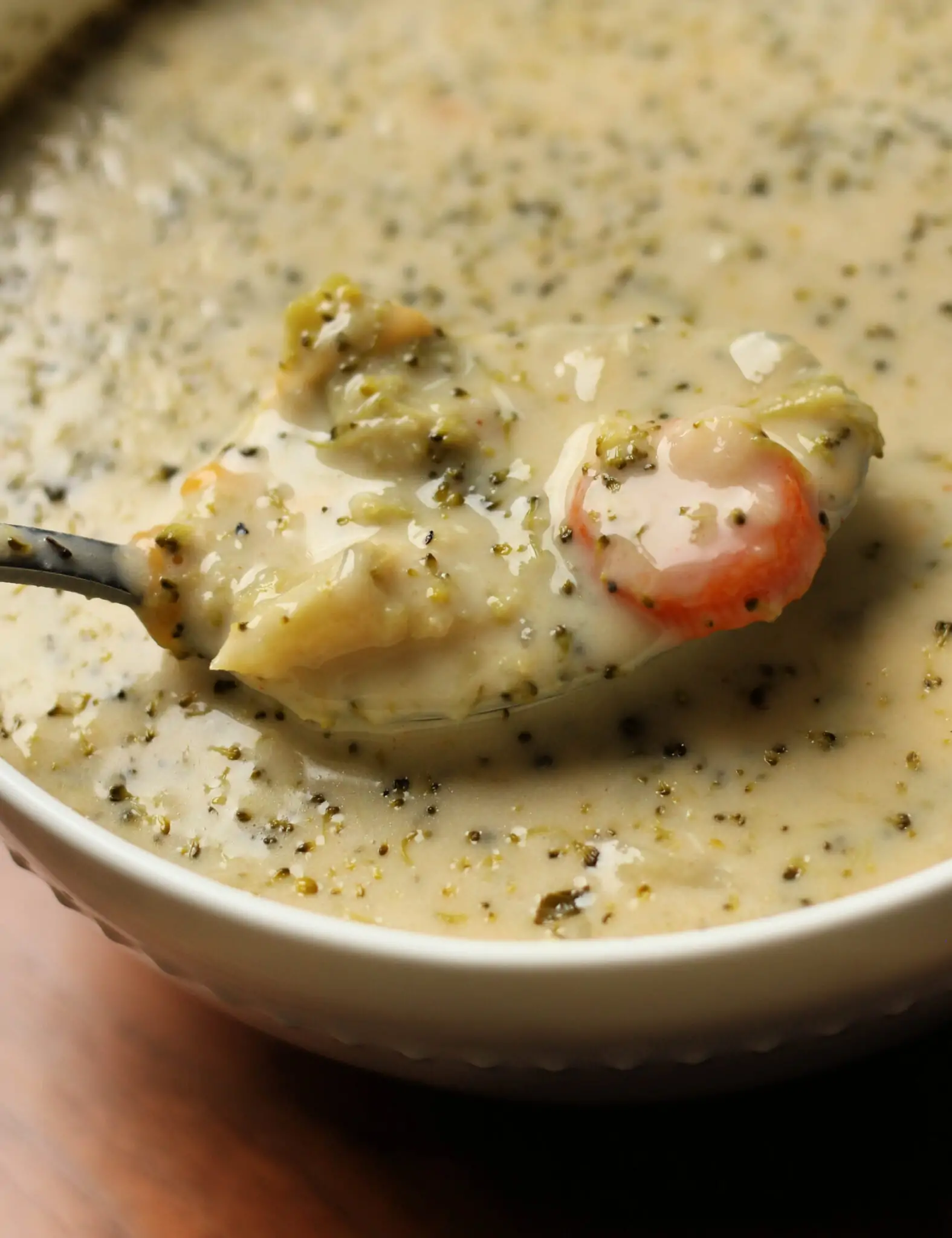
In conclusion, the Broccoli Cheddar Lasagna Soup is more than a fleeting internet trend; it is a manifestation of contemporary cooking—a blend of technical efficiency, economic pragmatism, and the enduring human desire for comfort. Whether prepared in an Instant Pot for a rapid weekday dinner or left to simmer in a slow cooker for a weekend meal, the dish represents the successful adaptation of traditional culinary principles to the fast-paced realities of modern life. As kitchen technology continues to evolve, we can expect the boundary between "soup" and "pasta dish" to become increasingly blurred, resulting in even more creative and convenient dining solutions for the home chef.
