
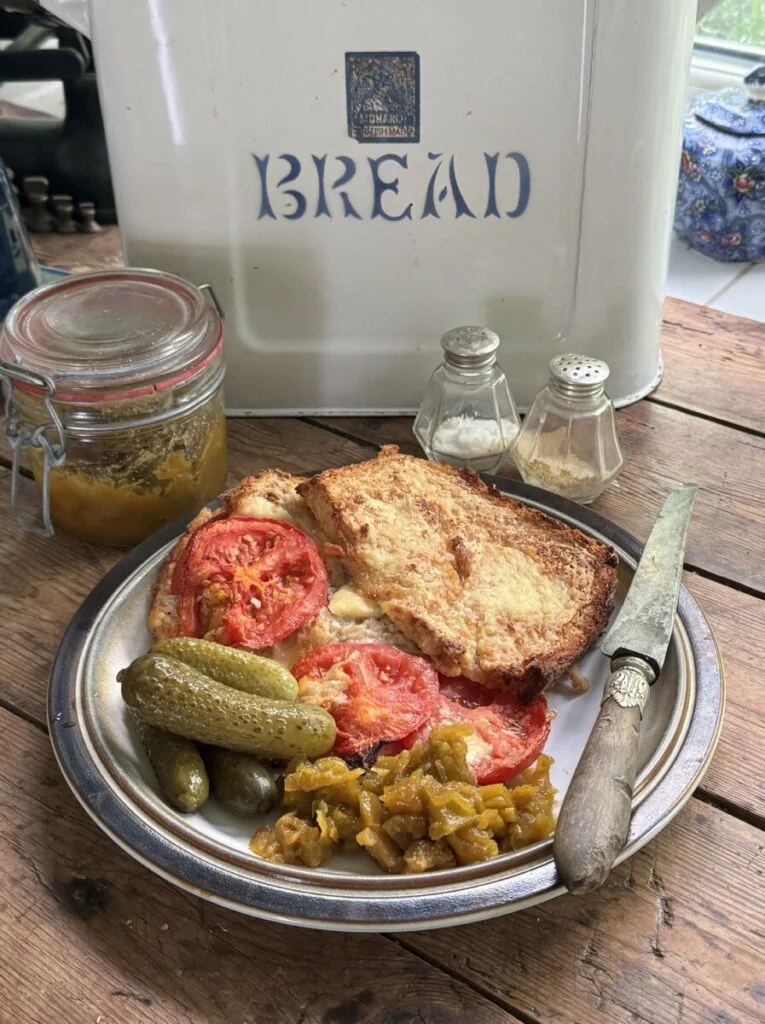
August 1, 2026, marks both Lammas Day and the widely celebrated Yorkshire Day, a dual observance that traditionally signals the commencement of the British harvest season. As the countryside shifts its focus toward the culmination of the agricultural calendar, culinary enthusiasts and historians alike are revisiting traditional recipes that reflect the resourcefulness of rural life. Among these is the Harvester’s Cheese and Tomato Pie, a minimalist dish that has gained renewed attention for its historical ties to the fictional yet culturally significant community of Ambridge, the setting of the long-running BBC Radio 4 drama, The Archers.

The Historical Significance of Lammas and Yorkshire Day
Lammas, or "Loaf Mass Day," is an ancient festival marking the first wheat harvest of the year. Historically, the day was commemorated with the baking of loaves from the first-harvested grain, which were then brought to church to be consecrated. In the modern context, particularly in the United Kingdom, this date coincides with Yorkshire Day, established in 1974 to promote the county’s rich heritage and cultural contributions.

The intersection of these two events highlights a broader national emphasis on seasonal, localized eating. The Harvester’s Cheese and Tomato Pie serves as a practical expression of this ethos, utilizing a handful of basic, readily available ingredients that have sustained rural workers for generations. By stripping the pie down to five primary components—stale bread, butter, mature cheese, suet, and fresh tomatoes—the dish underscores the importance of food preservation and the mitigation of waste in traditional farming households.

Culinary Origins and The Archers Connection
The recipe finds its literary roots in The Archers Cookbook, a publication inspired by the world’s longest-running radio drama. Since its first broadcast in 1951, The Archers has served as a cultural touchstone for rural life in Britain. Initially billed as "an everyday story of country folk," the program has evolved into a sophisticated drama that documents the complexities of contemporary agricultural life.

The inclusion of this specific pie recipe in the show’s associated literature reflects a deliberate effort to preserve traditional British country cooking. Culinary experts note that the use of suet—a hard, fat-based ingredient traditionally derived from beef—is a hallmark of historical British puddings and pies. While the traditional recipe calls for beef suet, the contemporary adaptation allows for the use of high-quality vegetable-based alternatives, ensuring that the dish remains accessible to modern vegetarian diets.

Nutritional Profile and Modern Adaptation
The Harvester’s Cheese and Tomato Pie is a high-density, energy-rich meal, reflecting its historical purpose as fuel for laborers. Current nutritional data for a standard serving of this dish—assuming the use of wholemeal bread, extra-mature Cheddar, and vine-ripened beefsteak tomatoes—indicates approximately 731 calories per serving. The macronutrient breakdown is dominated by fats, totaling roughly 70g, with 41g of saturated fat, 17g of protein, and a moderate carbohydrate count of 9g.

While these figures reflect a hearty, calorie-dense meal suitable for field work, modern home cooks have adapted the recipe to suit varying dietary preferences. Chefs and food writers often recommend using artisanal sourdough or granary bread as a base, which can alter the fiber content and texture of the final product. Furthermore, the substitution of sharper, extra-mature cheeses—such as the renowned Black Bomber Cheddar—enhances the flavor profile, allowing the dish to transcend its humble origins.

The Craft of Sustainable Cooking
The reliance on stale bread in the Harvester’s recipe is a testament to the pre-industrial philosophy of "waste not, want not." In the mid-20th century, particularly during the rationing eras that defined much of British history, the ability to repurpose leftover ingredients was not merely a lifestyle choice but a necessity. By soaking the bread in the fat and juices of the tomatoes and cheese during the baking process, the cook creates a savory, pudding-like consistency that mimics a toasted sandwich but with a more complex, structured mouthfeel.

Professional bakers and culinary historians suggest that the success of the dish relies on the quality of the primary ingredients. Because the list is so short, the flavor is entirely dependent on the intensity of the tomatoes and the depth of the cheese. When sourced during the height of the summer harvest, these ingredients require no complex seasoning or additional herbs, as their natural sugars and acidity provide sufficient depth.

Broader Implications for Modern Gastronomy
The resurgence of interest in recipes like the Harvester’s Cheese and Tomato Pie indicates a broader shift in consumer behavior. As food insecurity and environmental sustainability become central themes in global discourse, the return to "frugal cooking" is gaining traction. This trend is characterized by an increased interest in utilizing ingredients that might otherwise be discarded, such as bread that has passed its peak freshness.

Market analysis suggests that younger demographics, particularly those in urban centers, are increasingly turning to traditional, rural recipes as a means of connecting with heritage and reducing their ecological footprint. By choosing to prepare meals from scratch using basic commodities, consumers are exerting more control over their supply chains and supporting local dairy and produce farmers.

Chronology of Traditional British Harvest Foods
- Early 1900s: The widespread use of suet-based pastry and bread puddings in rural British households to sustain agricultural workers.
- 1951: The debut of The Archers on BBC Radio, bringing rural traditions into the homes of millions.
- 1974: The official establishment of Yorkshire Day, solidifying the celebration of regional agricultural heritage.
- 1990s–2010s: The publication of The Archers Cookbook and other regional compendiums, preserving traditional recipes for a new generation.
- 2026: A notable uptick in the search for historical, five-ingredient recipes, driven by a combination of economic awareness and a renewed interest in artisanal, sustainable cooking methods.
Expert Analysis and Conclusion
The persistence of the Harvester’s Cheese and Tomato Pie in the public consciousness is not merely a nostalgic exercise; it is an endorsement of efficient, flavorful, and simple cooking. Experts at various culinary institutes have observed that as modern diets become increasingly reliant on processed and ultra-convenient foods, the act of assembling a dish from simple, raw ingredients provides a tangible psychological benefit.

Moreover, the versatility of the dish—which can be served alongside pickles, chutney, or fresh garden salads—allows it to transition seamlessly from a rustic lunch to a substantial evening meal. As the nation celebrates the arrival of the 2026 harvest, the Harvester’s Pie serves as a poignant reminder that the most enduring culinary traditions are often those that require the least modification. By honoring the ingredients of the season and respecting the wisdom of those who farmed the land before us, contemporary cooks are ensuring that these humble, history-rich dishes remain a staple of the British diet for decades to come. Whether one is a fan of the dramatic trials of the characters in Ambridge or simply a home cook looking for a reliable, hearty meal, the Harvester’s Cheese and Tomato Pie remains a classic example of how minimal effort can yield profound, enduring results.
