
The Historical Context of the Cobb Salad
The Cobb salad’s legacy is rooted in the golden age of Hollywood dining. Legend holds that in 1937, Robert Howard Cobb, exhausted after a long shift, raided his kitchen late at night. He combined leftovers—a head of lettuce, some bacon, a hard-boiled egg, avocado, chicken, and Roquefort cheese—and chopped them into a cohesive dish. The result was so popular that it was added to the Brown Derby menu the following day.
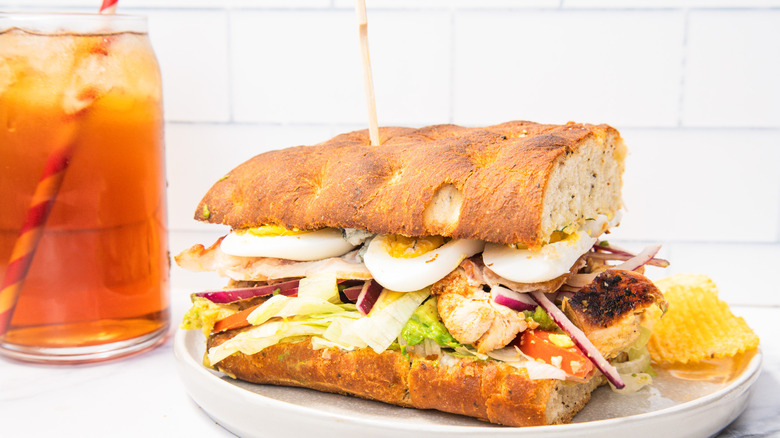
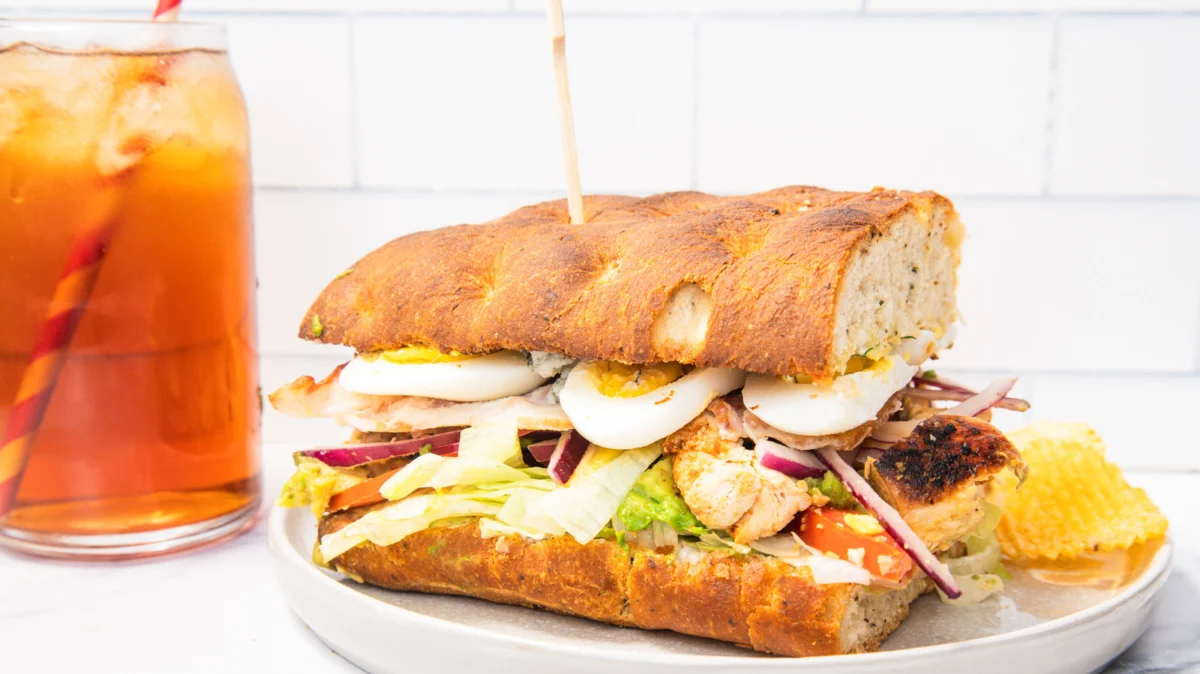
For nearly a century, the salad has remained a cornerstone of American menus due to its balance of textures and flavors. Its profile relies on high-quality fats from the avocado and cheese, balanced by the acidity of a dressing and the crunch of fresh vegetables. Transitioning this to a sandwich requires careful attention to structural integrity, as the moisture content of the ingredients—specifically the tomatoes and dressings—can compromise the bread if not managed correctly.
Ingredient Composition and Culinary Science
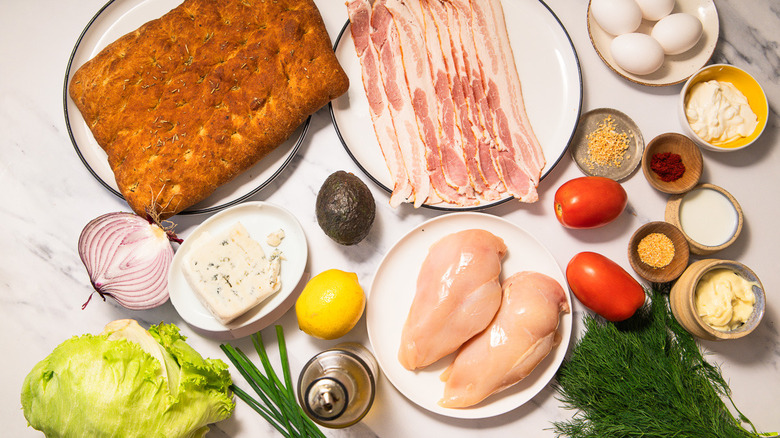
The success of the Loaded Cobb Sandwich depends on the synergy between its components. To construct the sandwich, the following elements are essential:
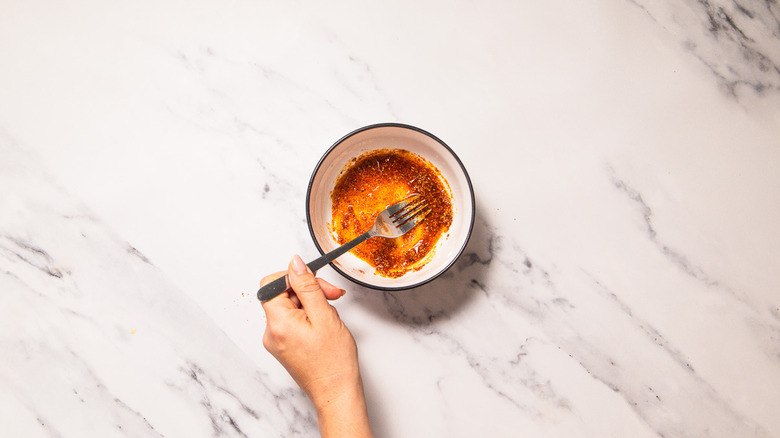
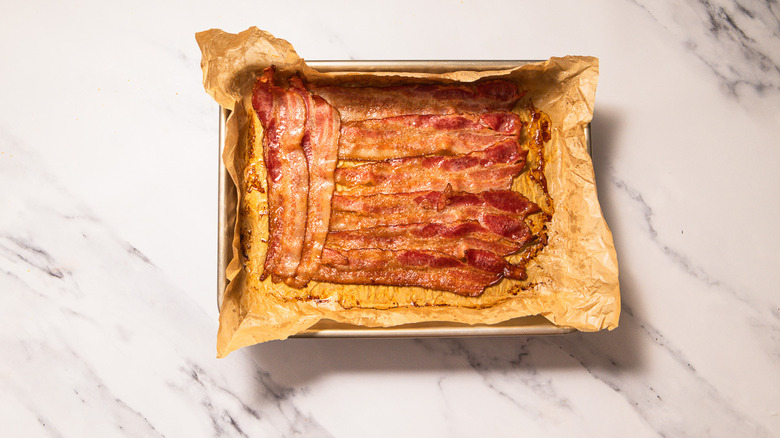
- Protein Base: Boneless, skinless chicken breasts are seasoned with a blend of garlic powder, smoked paprika, kosher salt, and black pepper. This preparation ensures the meat provides a savory foundation that can withstand the bold flavors of the dressing and blue cheese.
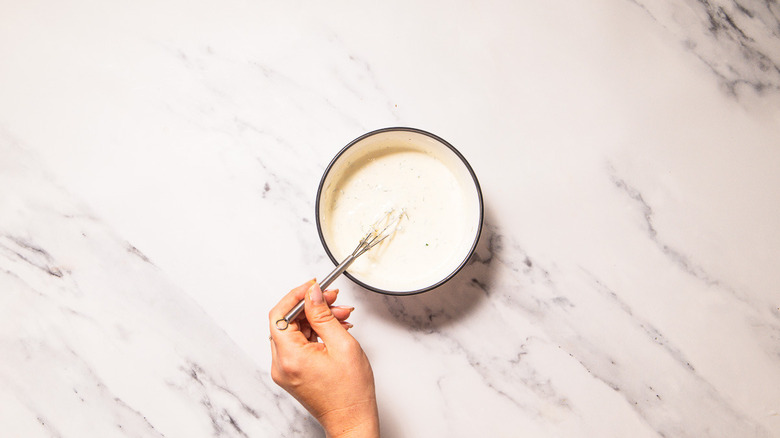
- The Binding Element: The homemade ranch dressing acts as the culinary "glue" of the sandwich. By utilizing buttermilk—which contains lactic acid—the dressing achieves a sharp, tangy profile that cuts through the richness of the mayonnaise and sour cream.
- Bread Selection: Focaccia is the preferred choice for this application. Its porous structure is ideal for absorbing the ranch dressing, while its exterior crust provides the necessary structural support to hold the heavy, dense fillings.
- Produce and Texture: Iceberg lettuce provides the cooling crunch necessary to contrast with the warm, crispy bacon and the creamy, ripe avocado. Roma tomatoes are recommended due to their lower water content compared to larger varieties, which helps maintain the sandwich’s integrity.
Chronological Assembly Protocol
The preparation of the sandwich follows a precise sequence designed to optimize flavor development and structural stability.
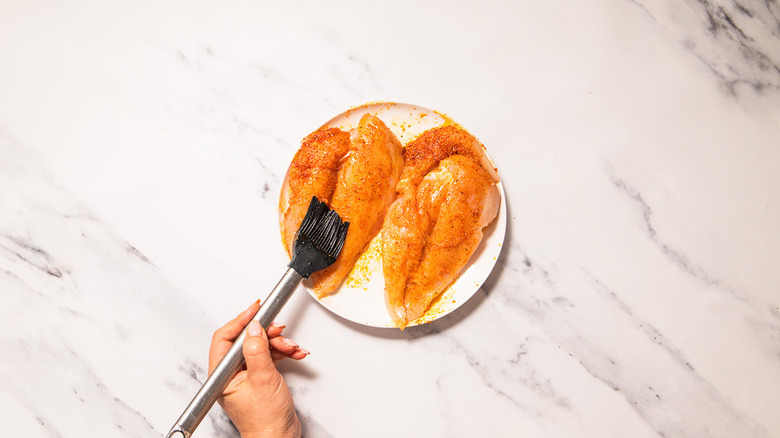
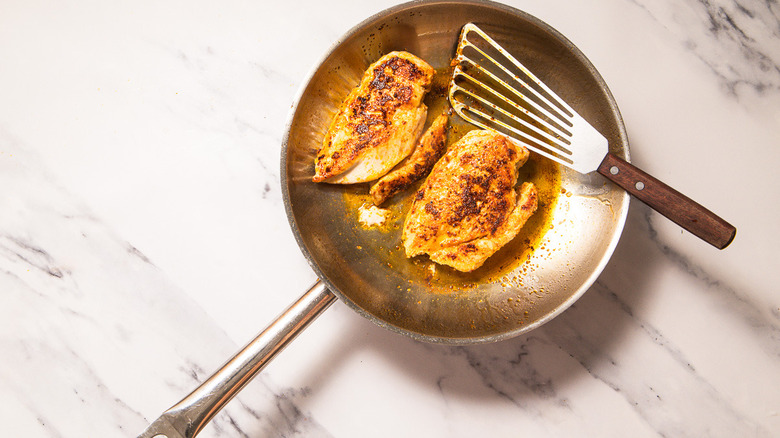
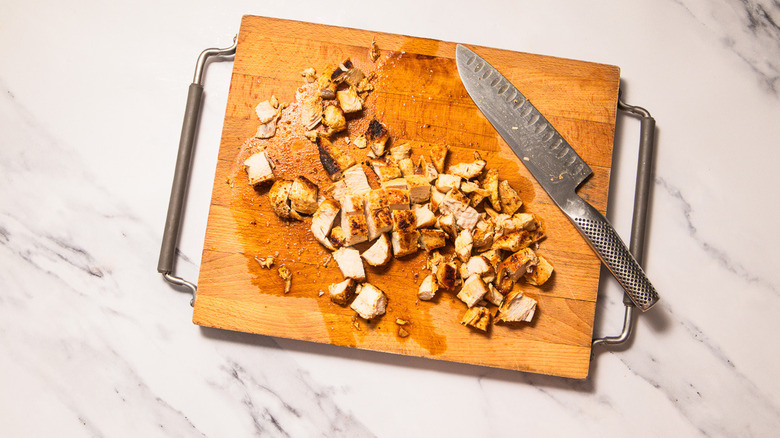
- Chicken Preparation: The seasoning mix—comprising olive oil, garlic powder, and smoked paprika—is applied to the chicken breasts, which are then seared over medium-high heat for approximately six to seven minutes per side. A five-minute rest period post-cooking is mandatory to ensure the juices redistribute throughout the meat, preventing the sandwich from becoming soggy.
- Ranch Formulation: The dressing should be whisked until emulsified. Allowing this mixture to rest for several hours—or ideally, preparing it a day in advance—allows the fresh dill, chives, and minced onion to infuse the base, creating a more nuanced flavor profile.
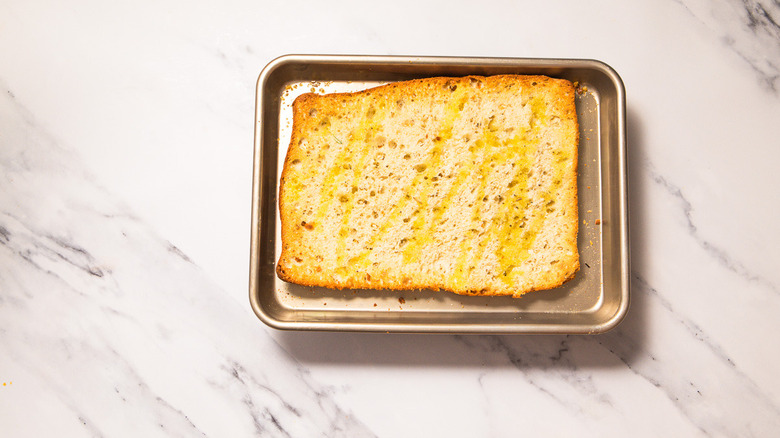
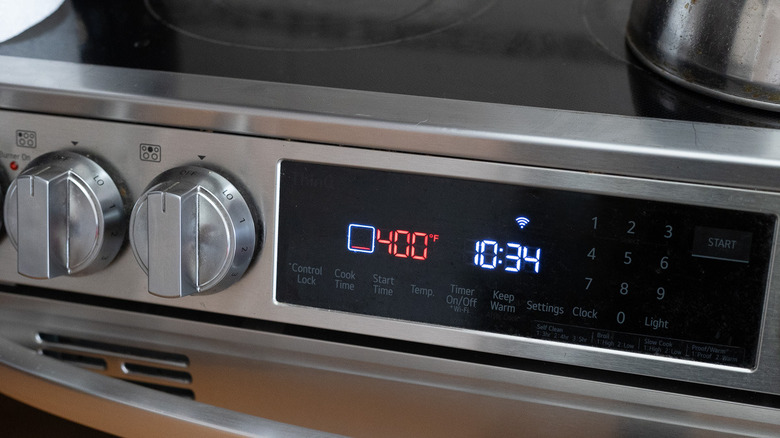
- Bread Treatment: Brushing the focaccia with olive oil and briefly toasting it under a broiler or in a skillet creates a barrier against the moisture of the fillings. This "toasted seal" is critical for long-term freshness, especially if the sandwich is intended for later consumption.
- Assembly and Layering: The layering order is not merely aesthetic; it is functional. The ranch is applied to the interior of the focaccia. Lettuce is placed at the bottom to act as a buffer. The heavy ingredients—chicken, bacon, and hard-boiled eggs—are layered to distribute the weight evenly, while the more delicate elements like avocado and blue cheese are placed toward the top.
- Final Compression: The sandwich is best served by wrapping it tightly in parchment paper or plastic wrap before slicing. This technique compresses the ingredients, ensuring that each bite contains a cross-section of all components.
Nutritional Profile and Dietary Implications
Based on standard ingredient ratios, this sandwich is a nutrient-dense, high-calorie meal. Each serving provides approximately 1,466 calories, with 65.6 grams of protein, making it a significant source of energy. The fat content, totaling 106.9 grams, is primarily derived from the avocado, mayonnaise, and cheese.
From a nutritional standpoint, the sandwich offers a substantial amount of dietary fiber (17.5 grams), largely provided by the avocado and vegetables, which aids in digestion and blood sugar regulation. However, the sodium content, measured at approximately 1,702.2 milligrams, is notable and stems primarily from the cured bacon, blue cheese, and the seasonings used in the chicken and dressing. It is recommended that individuals monitoring their sodium intake consider reducing the amount of bacon or selecting a low-sodium blue cheese alternative.
Adaptations and Culinary Flexibility
The inherent versatility of the Cobb template allows for significant customization. For those seeking a lighter profile, roasted or deli-style turkey can replace the chicken. For diners who find the pungency of traditional Roquefort or blue cheese overwhelming, gorgonzola dolce offers a milder, creamier alternative that maintains the necessary funk without the sharp bite.
The bread can also be swapped based on availability; while focaccia is ideal, a sturdy ciabatta provides a similar crumb and crust ratio. If preparing individual sandwiches rather than a large loaf, sourdough provides a robust flavor that complements the acidity of the ranch.
Logistical Considerations: Make-Ahead Efficiency
The Loaded Cobb Sandwich is highly amenable to advance preparation. When stored in an airtight container and kept refrigerated, the assembled sandwich maintains its quality for up to 24 hours. The dressing, in particular, benefits from sitting, as the buttermilk and herbs continue to develop their profile over time.
The most critical factor in make-ahead success is the management of the avocado and lettuce. To prevent oxidation and wilting, these two components are best added immediately prior to serving. Alternatively, if portability is the primary goal, using a vacuum-sealed storage method can significantly reduce the rate of oxidation, keeping the avocado fresh for longer periods.
Broader Impact on Modern Lunch Culture
The rise of "loaded" sandwich recipes reflects a broader shift in consumer behavior toward high-quality, "elevated" comfort food. By taking a dish typically associated with a sit-down restaurant environment and reformatting it into a portable meal, this recipe addresses the needs of the modern workforce—specifically the demand for lunches that are both satisfying and easy to transport without sacrificing culinary standards.
This dish serves as an example of how classic culinary foundations can be restructured to remain relevant in a fast-paced society. As home cooking continues to emphasize both efficiency and quality, the ability to decompose a complex salad into a durable, handheld form marks a significant intersection of traditional technique and modern lifestyle requirements. The Loaded Cobb Sandwich is not just a recipe; it is a functional redesign of a historical favorite, optimized for the contemporary palate.
