
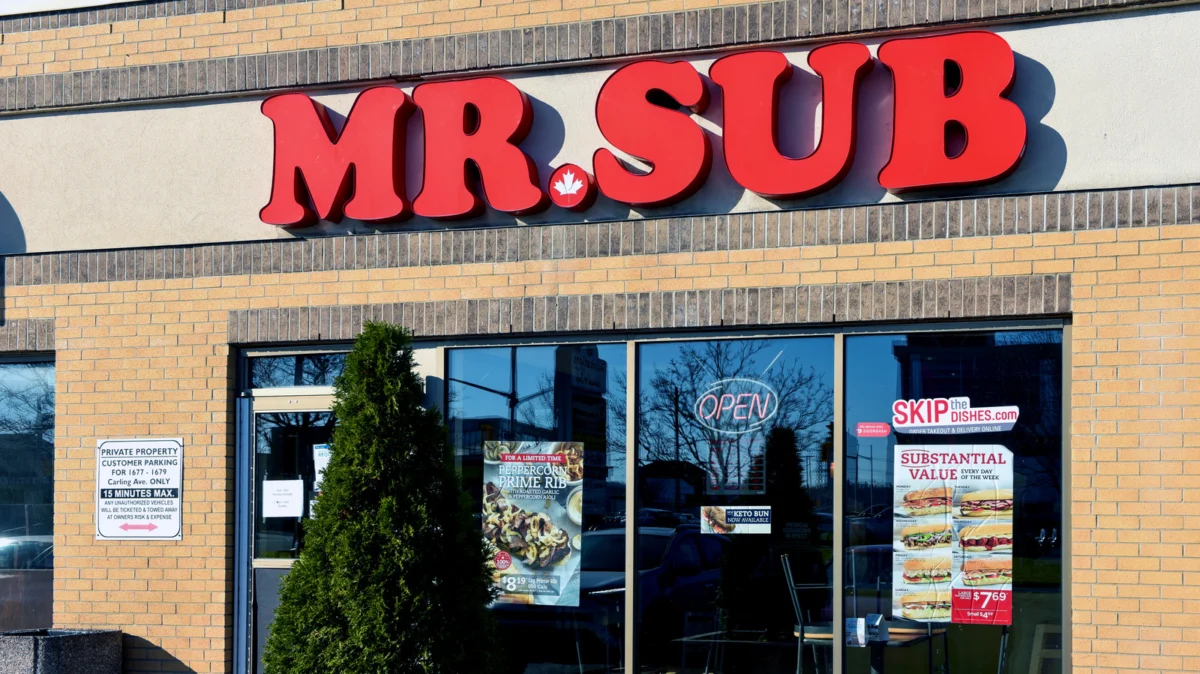
Whether referred to as a hoagie, a grinder, a hero, or a po’boy, the long-form sandwich remains a staple of the North American quick-service restaurant industry. While the United States is home to a diverse array of massive sandwich franchises, Canada possesses its own domestic giant: Mr. Sub. Since its inception in the late 1960s, the chain has occupied a unique space in the Canadian culinary landscape, representing a homegrown alternative to the influx of American fast-food competitors. Despite a history marked by rapid expansion, legal battles, and the evolving demands of the modern consumer, Mr. Sub remains a recognizable fixture of the Canadian suburban and urban experience.
The Genesis: A Victorian Row House in Yorkville
The origin of Mr. Sub—originally branded as Mr. Submarine—is firmly rooted in the modest entrepreneurial spirit of the 1960s. The company was founded in 1968 by Jack Levinson and Earl Linzon. Levinson, a school gym teacher, and Linzon, an accounting clerk, launched their venture with a startup investment of $1,600—an amount equivalent to approximately $14,000 in current economic terms.
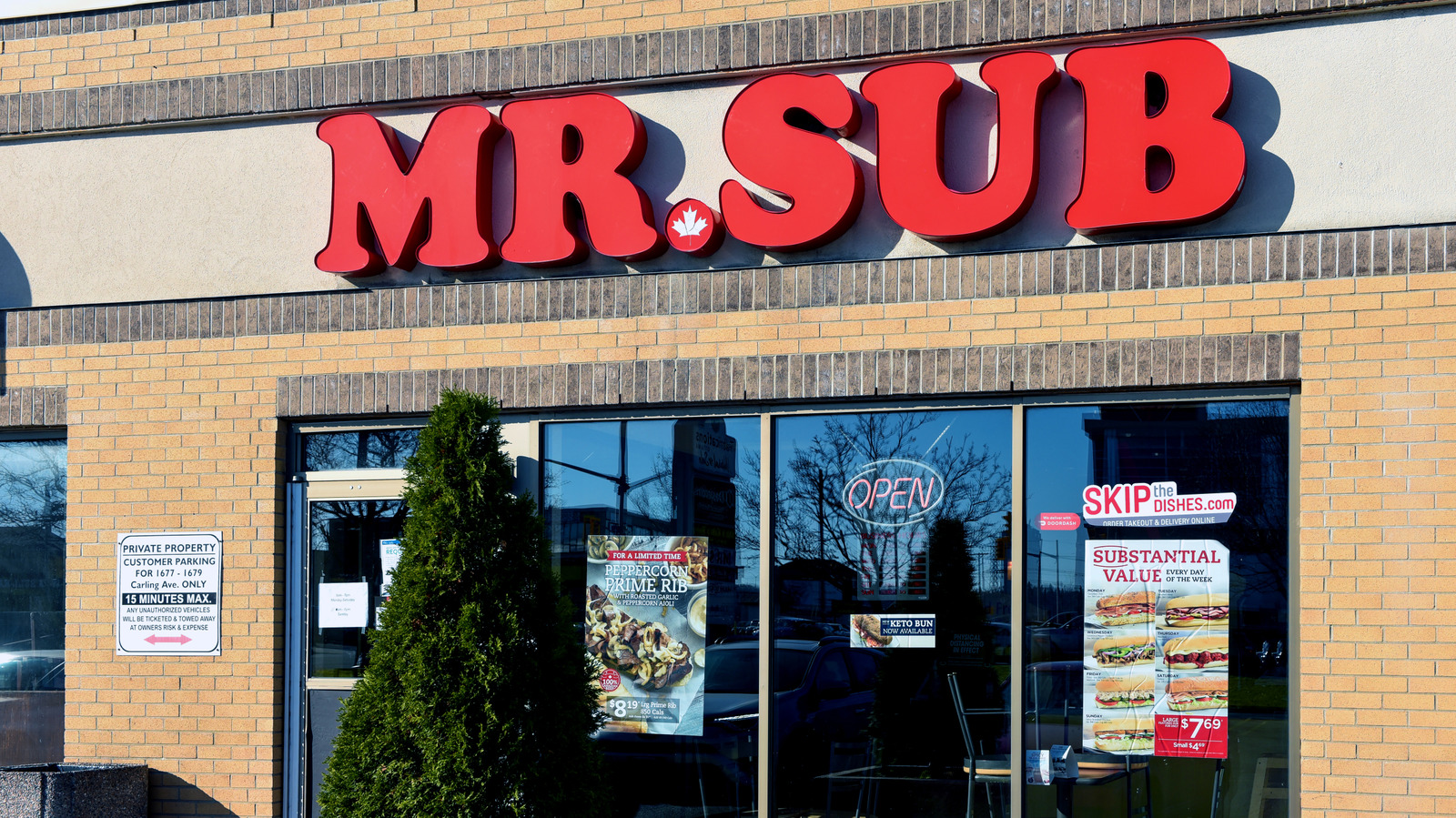
The first location was not an industrial-grade kitchen or a commercial strip mall storefront, but rather the ground floor of a Victorian-style row house in the fashionable Yorkville district of Toronto. At the time, the neighborhood was transitioning from a quiet residential area to a bohemian cultural hub. The storefront, distinguished by a large bay window, served as the pilot location for their sandwich concept. The business operated under a precarious six-month lease, as the founders were uncertain whether the Canadian public would embrace the "submarine sandwich" concept.
The early days were defined by a distinct lack of pretension. The shop featured a sign on the front steps attempting to deter loitering, a request that was frequently ignored by the bustling local crowd. Despite the humble nature of the initial lease, the immediate popularity of the product forced a shift in strategy. The founders found that demand exceeded their capacity, leading them to open a second location within five months of the first. By 1972, the duo began franchising the concept, marking the transition from a local boutique shop to a national brand.
Evolution of the Menu: From Simplicity to Modern Variety
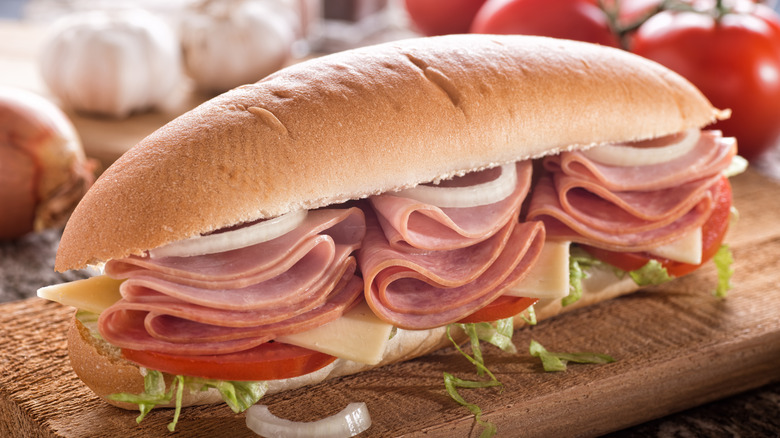
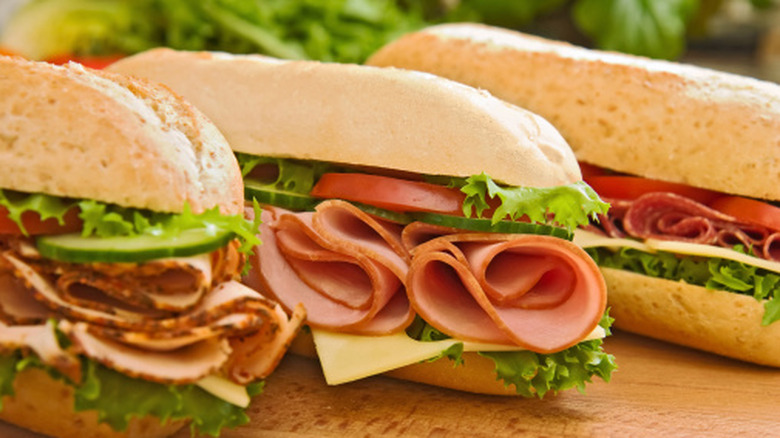
In its early years, Mr. Sub operated with a highly disciplined menu. The original offering consisted of only seven sandwich varieties: assorted cold cuts, Italian salami, ham, cheese, spiced loaf, tuna, and the "Super Sub." The latter, which offered double portions of meat and cheese, was the chain’s premium item, priced at $1.38.
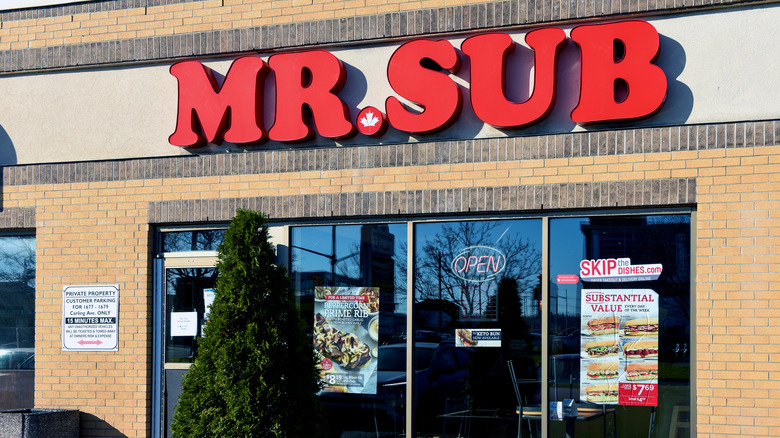
For over two decades, this limited menu served the brand well, as the concept of a "sub shop" was relatively new to Canadian consumers and required little diversification. However, the 1990s brought an influx of American competition, most notably the rapid expansion of Subway and Quiznos. The entry of these global powerhouses forced Mr. Sub to pivot from its minimalist roots to a more comprehensive menu strategy.
To remain competitive and retain its market share, the brand expanded its offerings to 18 varieties, eventually incorporating salads and various desserts. Today, the menu has evolved to include 26 different sandwich options, ranging from traditional deli meats to contemporary vegetarian and seafood-based selections. This transition reflects the broader shift in the fast-food industry, where consumers increasingly demand variety and dietary customization, forcing long-standing brands to constantly innovate or risk obsolescence.
Market Presence and Competitive Landscape
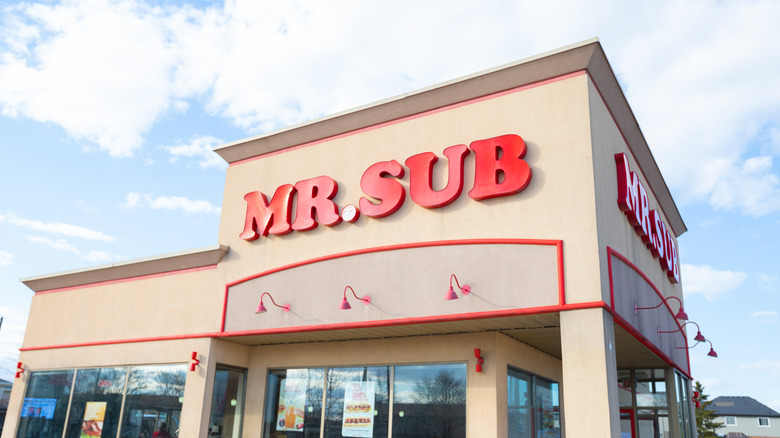
Unlike many global food chains that prioritize rapid international growth, Mr. Sub has remained primarily focused on its domestic market. With over 200 locations across Canada, the brand maintains a high degree of national visibility. Its international footprint is notably small, with a handful of locations in India, Dubai, and Saudi Arabia.
This domestic concentration stands in stark contrast to global competitors. At the peak of its Canadian presence, Mr. Sub faced intense pressure from Subway, which boasted roughly 2,000 Canadian locations at its height. While Mr. Sub once defined the category for Canadian consumers, the arrival of brands like Jersey Mike’s and Firehouse Subs has further segmented the market. The consolidation of the fast-casual sandwich industry has forced Mr. Sub to focus on its brand identity as a "proudly Canadian" alternative. While the chain has seen a decline in market share compared to the late 1990s and early 2000s, it retains a loyal customer base that views the brand as a piece of Canadian culinary history.
Legal and Operational Challenges
The history of Mr. Sub is not without significant turbulence. Two specific incidents—one related to public health and the other involving criminal activity—highlight the complexities of managing a large-scale franchise operation.
In 2008, the Canadian food industry faced a crisis when Maple Leaf Foods, a major supplier, was forced to recall products due to a listeria outbreak. The fallout for Mr. Sub was severe; franchisees were unable to secure meat products for several weeks, resulting in significant revenue losses and reputational damage. The resulting litigation, which reached the Supreme Court of Canada, saw franchisees seeking damages from the supplier for their financial losses. The Court ultimately ruled against the franchisees, establishing a legal precedent that while a supplier has a duty of care to ensure product safety for the end-consumer, this duty does not extend to covering the lost profits of secondary business partners in the supply chain.
In 2009, the brand faced a public relations crisis of a different nature. An investigation into a Toronto-area franchise location revealed that the owner was using the restaurant as a front for the sale of illegal narcotics, including marijuana, hashish, and ecstasy. The subsequent police raid uncovered roughly $112,000 worth of illicit substances. This event underscored the difficulties inherent in oversight within a large franchising network, where the actions of individual operators can significantly impact the public perception of the entire brand.
Advertising and Corporate Accountability
The brand’s challenges were further compounded in 2009 by a controversial marketing campaign. The advertising agency BOS created a commercial that depicted a family dinner where a father reveals his sexual orientation. The spot, intended to highlight the "shock" of certain life events, was widely criticized for being homophobic and in poor taste.
The negative reception was immediate, prompting a public backlash and a coordinated letter-writing campaign demanding the removal of the advertisement. Mr. Sub moved quickly to distance itself from the campaign, pulling the spots from television and the internet. In a formal statement, the company acknowledged that the advertisement failed to align with its corporate values and terminated its relationship with the advertising agency. This incident serves as a case study in corporate crisis management, demonstrating how quickly brand image can be damaged by tone-deaf marketing and the necessity of decisive, transparent action to preserve consumer trust.
The Legacy of a Canadian Staple
Mr. Sub represents more than just a place to purchase lunch; it is a survivor of the changing tides of the North American food industry. From its humble origins in a Victorian row house in 1968 to its current status as a national chain, the company has weathered economic recessions, intense competition from multinational corporations, and significant public relations and legal hurdles.
The brand’s trajectory offers a clear look at the challenges faced by domestic chains when competing against global entities. While the market for submarine sandwiches has become increasingly saturated, Mr. Sub’s ability to remain a recognizable, distinctively Canadian entity suggests that there remains a place for brands that emphasize their history and local roots. As the industry continues to evolve toward digital ordering, delivery services, and hyper-customization, the future of Mr. Sub will likely depend on its ability to leverage its half-century of heritage while meeting the high-tech, high-speed expectations of the 21st-century consumer. For now, it remains a fixture of the Canadian landscape, serving as a reminder of a time when the "sub shop" was a new and exciting arrival on the culinary scene.
