

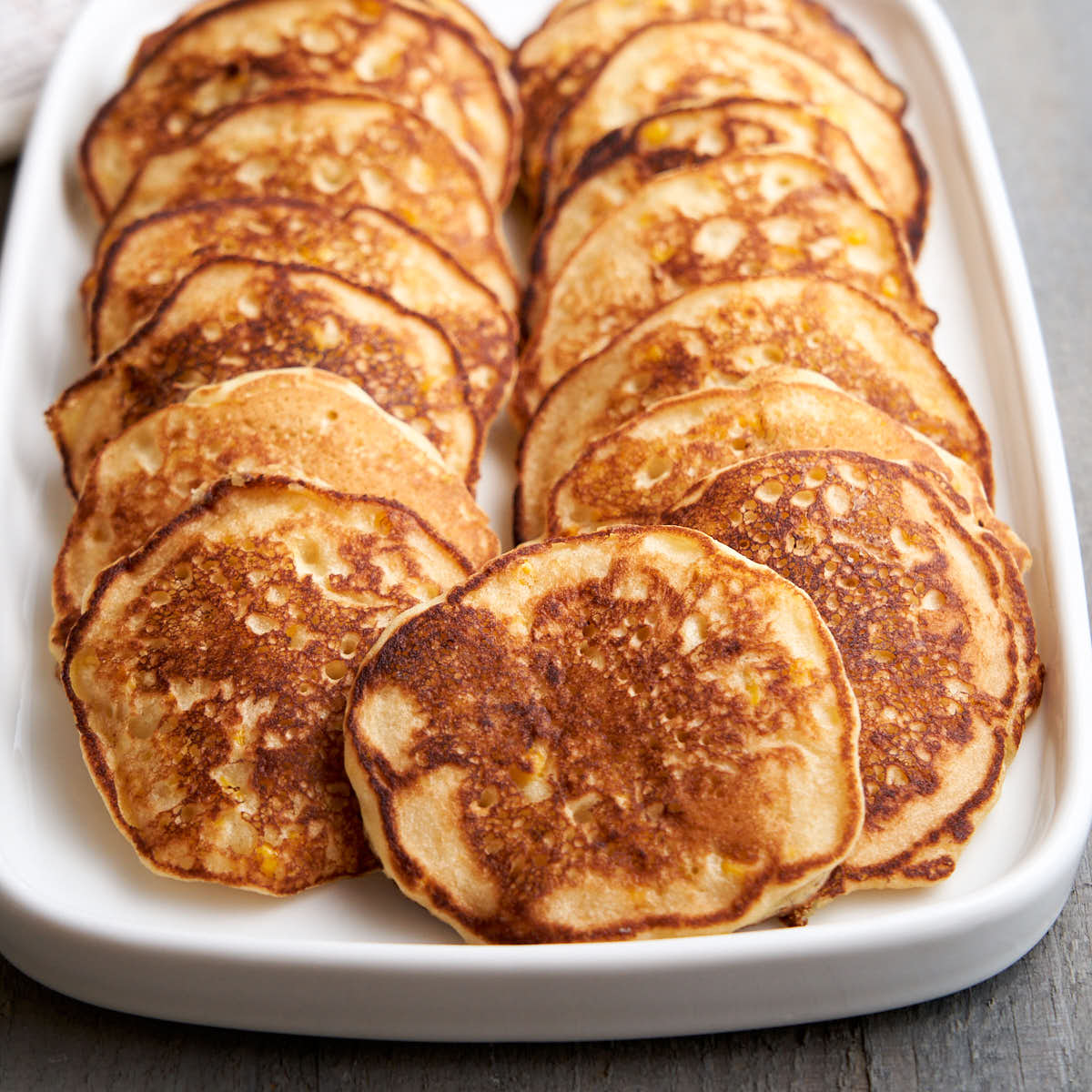
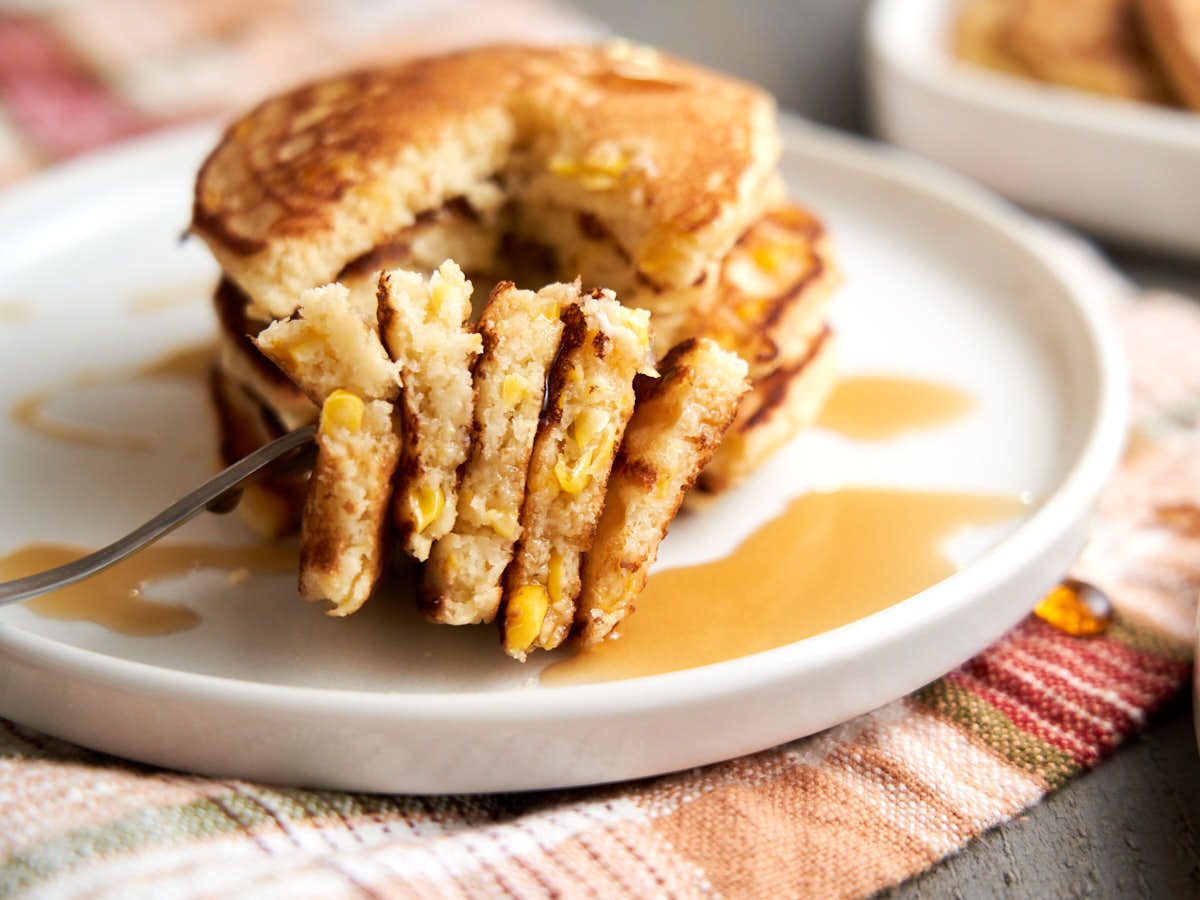
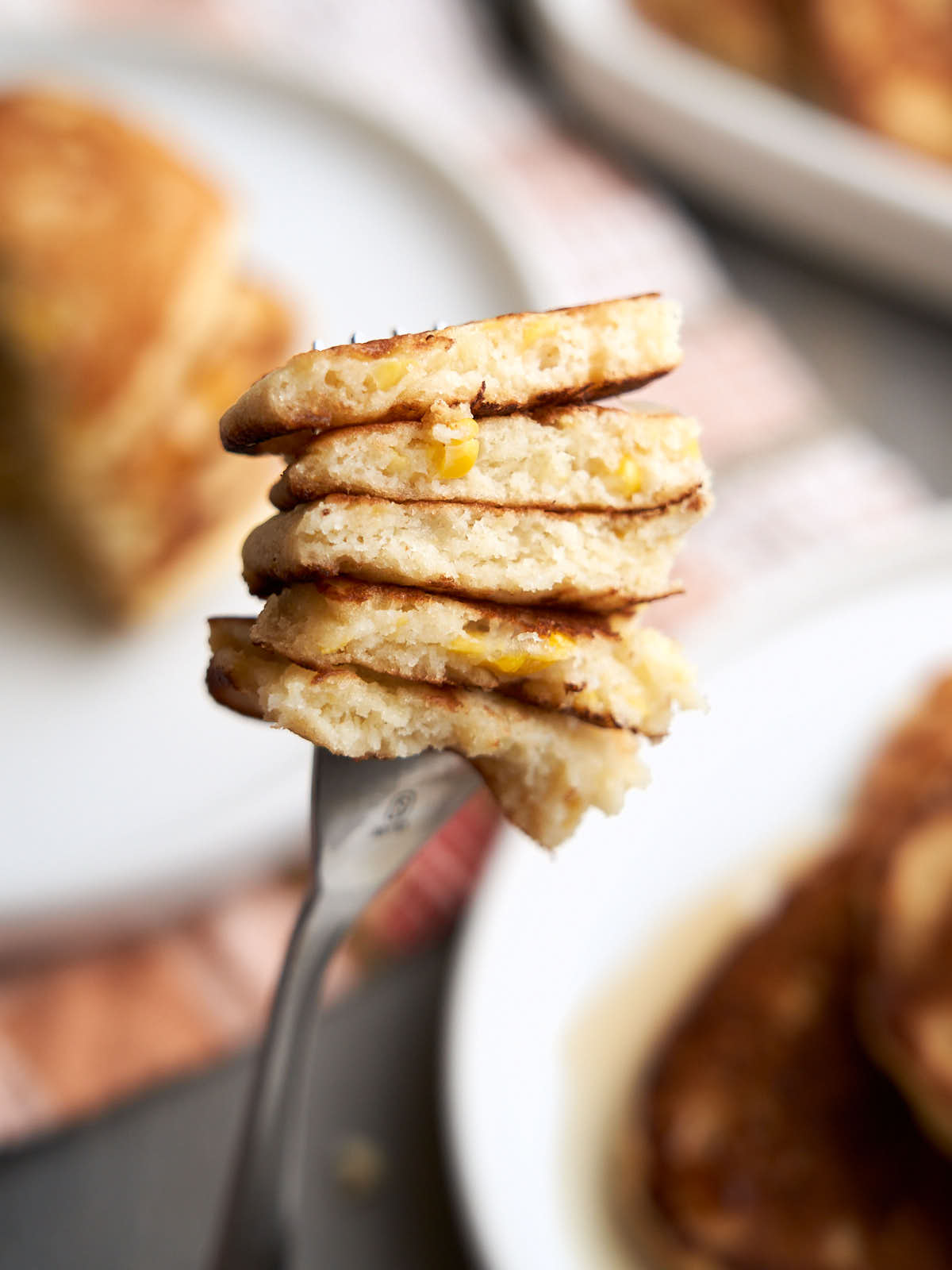
The traditional American breakfast landscape, long dominated by buttermilk, blueberry, and banana pancakes, has increasingly seen the integration of savory-sweet profiles. Among these, the corn pancake, specifically the variety utilizing canned cream-style corn, has emerged as a significant subject of interest for home cooks and culinary researchers alike. By leveraging the unique viscosity and moisture content of creamed corn, this preparation deviates from the standard dry-flour pancake base, resulting in a custard-like interior that mirrors the consistency of traditional corn pudding.
The Science of Texture and Composition
The distinction between a standard pancake and a corn-based variant lies primarily in the moisture-retention properties of the corn starch and the fibrous structure of the kernels. When cream-style corn is introduced into a batter, the liquefied corn solids act as a binding agent that holds significantly more water than standard milk or buttermilk.
Nutritional data suggests that corn-based breakfast items offer a slightly different glycemic profile compared to refined white flour pancakes. While a standard plain pancake can contain upwards of 15 grams of sugar per serving, a corn-based iteration, when prepared with minimal added sweeteners, relies on the natural fructose present in the corn. The resulting product is typically characterized by a denser, more satiating texture. From a culinary standpoint, the use of canned creamed corn is a strategic choice; it provides a uniform distribution of corn flavor while ensuring that the "pudding" consistency is achieved without the need for complex thickening agents.
Historical Context and Evolution
The incorporation of corn into griddle cakes is not a modern invention but rather a nod to indigenous agricultural practices that predated colonial arrival in North America. Historically, "johnnycakes" or "hoe cakes" utilized cornmeal as a primary ingredient due to its accessibility. However, the 20th-century introduction of canned creamed corn—a product where corn kernels are processed with a starchy liquid—allowed for a departure from the gritty texture of traditional cornmeal pancakes.
By the mid-1950s, the popularity of canned goods led to a surge in recipes that combined convenience with comfort food aesthetics. The "pancake-as-pudding" concept gained traction in regional American cooking, particularly in the Midwest and Southern United States, where corn production is a staple of the local economy. This evolution marks a transition from the utilitarian corn bread of the past to the more decadent, brunch-oriented offerings found in contemporary kitchens.
Preparation Methodology and Technical Considerations
For optimal results in preparing these pancakes, culinary experts emphasize the "two-bowl" method. This technique involves the strict separation of dry ingredients—typically all-purpose flour, baking powder, a pinch of salt, and a small amount of sugar—from the wet ingredients, which include the canned creamed corn, eggs, milk, and melted butter.
The chemical reaction between the baking powder and the acidity in the creamed corn creates a lift that is vital for the pancake’s structure. If the batter is over-mixed, the gluten in the flour develops excessively, which can lead to a rubbery pancake rather than the desired light, custard-like interior. Professional kitchen standards suggest folding the ingredients together until just incorporated, leaving small lumps in the batter to ensure tenderness.
The Role of Fat and Heat Management
The cooking process for corn pancakes requires a higher level of attention than standard variants. Because of the sugar content in the creamed corn, these pancakes have a lower smoke point and are more prone to rapid browning.
- Thermal Regulation: Medium to medium-low heat is considered the industry standard for this preparation. High heat often results in a scorched exterior before the interior has achieved the necessary set, leading to an undercooked center.
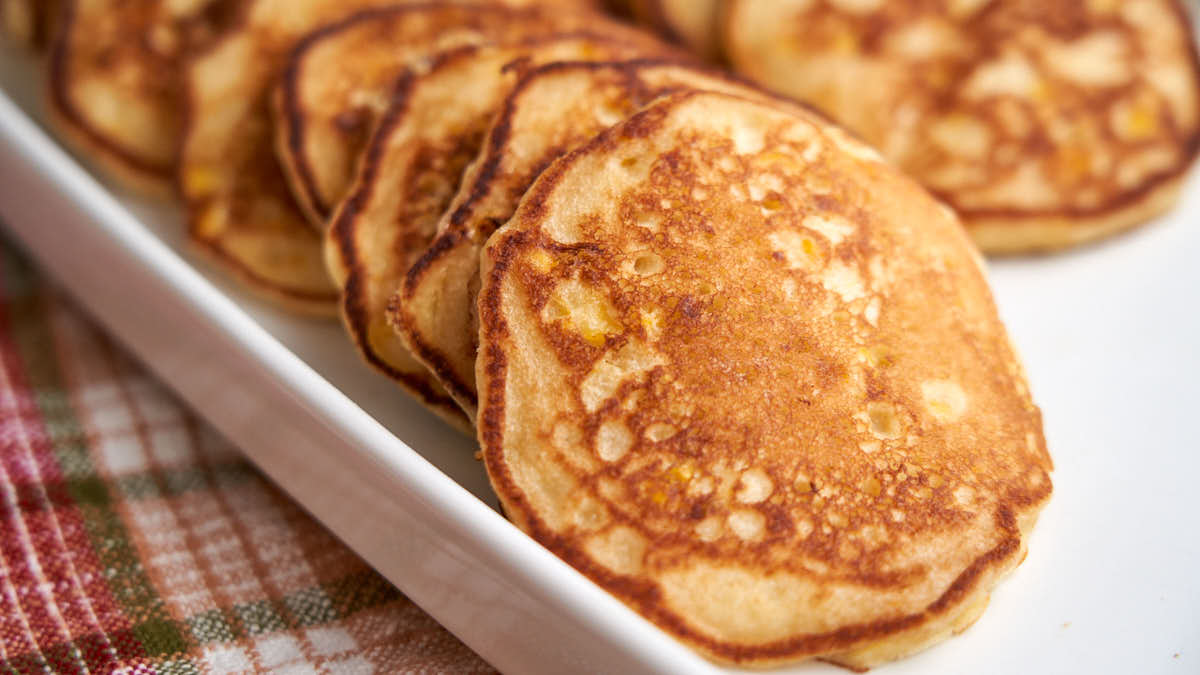
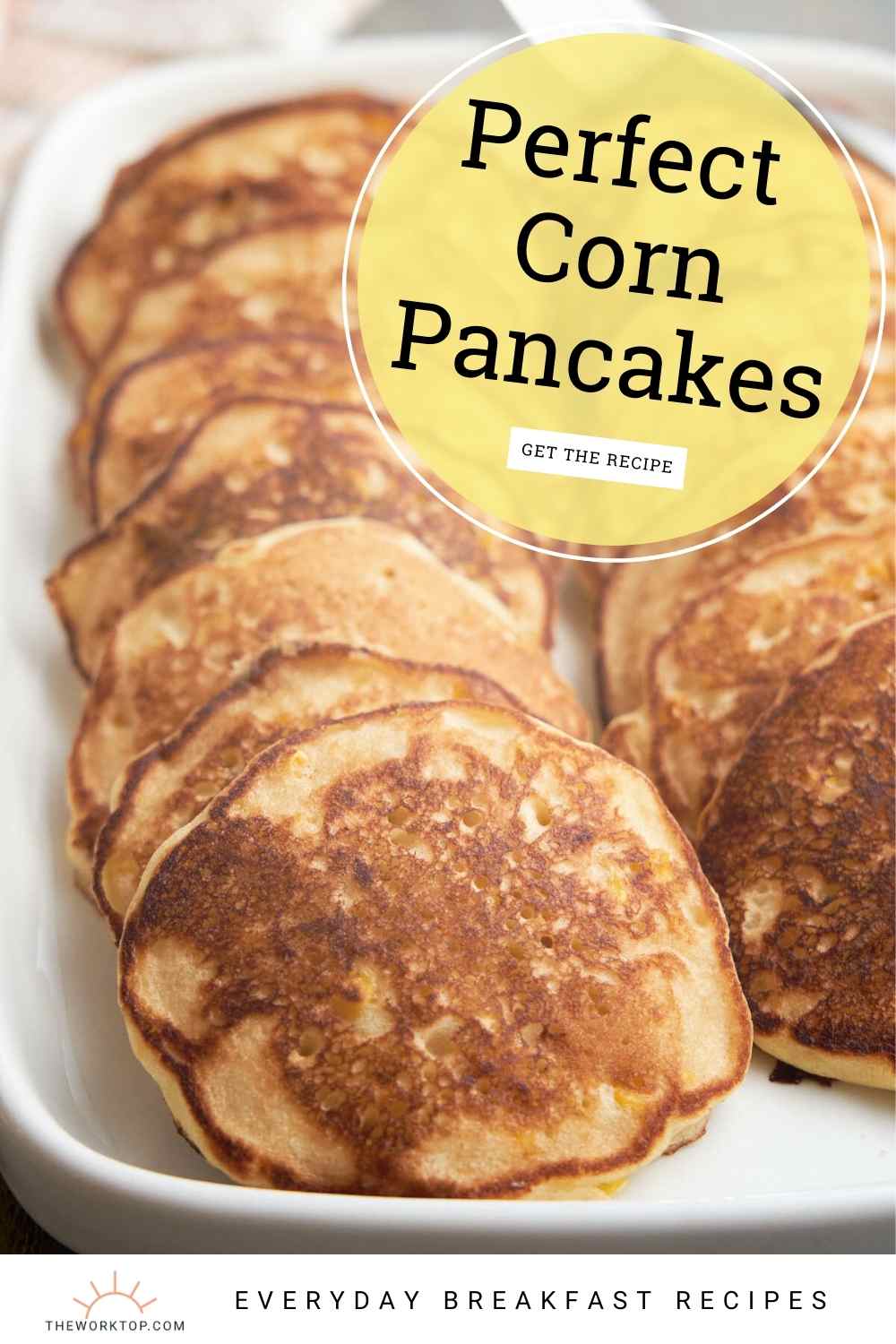
- Surface Interaction: The choice of cooking fat is significant. Using a silicone brush to apply a thin, uniform layer of butter to a cast-iron or aluminum griddle ensures an even distribution of heat. This process facilitates the formation of a "lacy" edge—a hallmark of high-quality griddle cakes where the edges crisp slightly while the center remains soft.
- Flipping Indicators: Unlike standard pancakes, which often require a visual check for bubbles across the entire surface, corn pancakes provide specific indicators of readiness. When the edges appear "dried" and the bottom achieves a light golden hue, the pancake is ready to be flipped. The structural integrity of the corn-heavy batter is more delicate, requiring a wider spatula for a clean turnover.
Comparative Analysis: Savory vs. Sweet
One of the most debated aspects of the corn pancake is its versatility as both a sweet breakfast item and a savory side dish. When served with maple syrup, the earthy notes of the corn provide a sophisticated contrast to the intense sweetness of the syrup. However, the product is equally viable in a savory context. In many regions, these cakes are served as a substitute for toast or biscuits alongside bacon, eggs, or even braised meats.
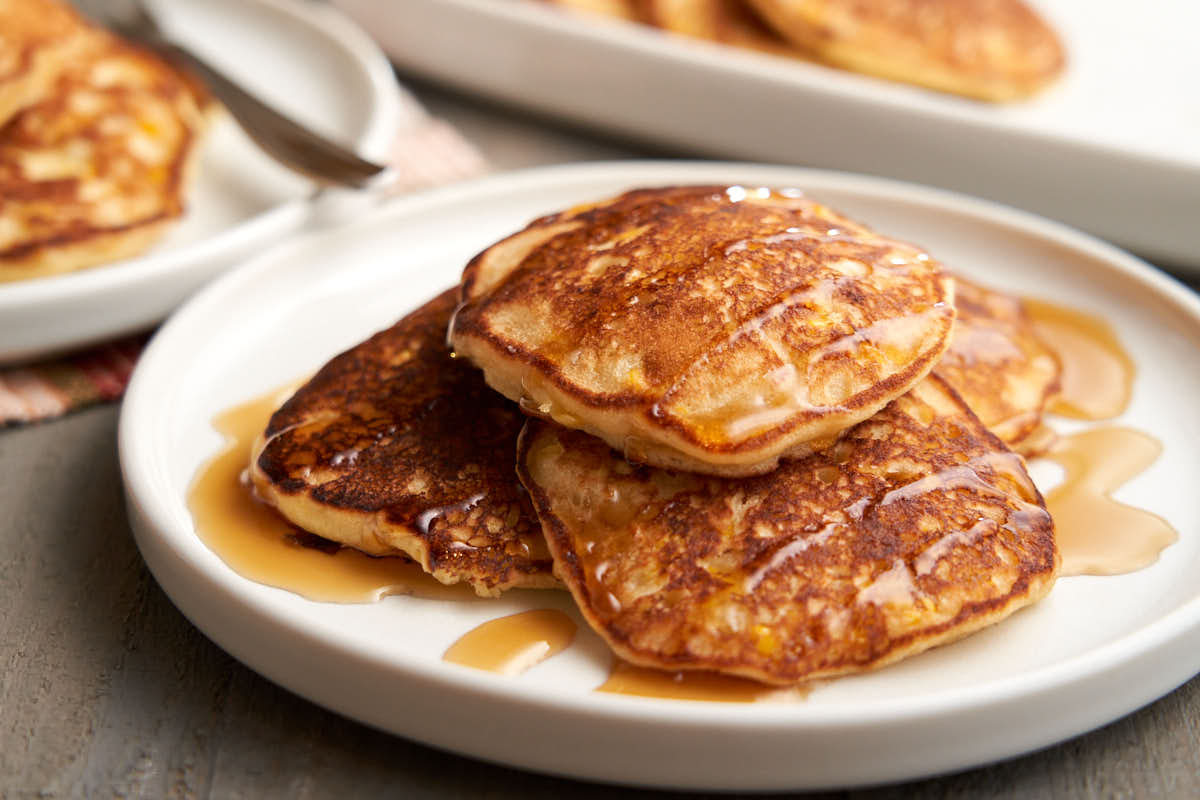
From an analytical perspective, the shift toward savory-sweet combinations in the morning meal reflects broader consumer trends. Data from the breakfast food industry indicates that diners are moving away from purely sugar-laden options in favor of items that offer more complex flavor profiles and higher protein or fiber content. The corn pancake, by virtue of its vegetable content, occupies a middle ground that appeals to this demographic.
Economic and Practical Implications
For the home cook, the reliance on canned creamed corn as a "pantry staple" has economic advantages. Canned goods have a long shelf life and are consistently priced, making this recipe an accessible option for budget-conscious families. Furthermore, the ability to replicate a dish that mimics the texture of a high-end "corn pudding" with minimal labor has bolstered the recipe’s popularity in online cooking communities and social media platforms.

The impact of such recipes on the wider food ecosystem is subtle but measurable. It encourages the use of diverse ingredients in breakfast preparation, moving beyond the standard pancake mix box. By utilizing canned items that are often overlooked, consumers reduce food waste and expand their culinary repertoire with minimal equipment investment.
Conclusion and Future Outlook
The corn pancake, particularly the version utilizing creamed corn, remains a testament to the versatility of American comfort food. As food science continues to inform home cooking, the methods for perfecting such dishes—balancing heat, managing batter consistency, and understanding the role of starches—will likely become more refined.
Whether served as a traditional breakfast accompanied by syrup or as an accompaniment to a savory dinner, the dish maintains its relevance. It stands as an intersection between historical agricultural roots and the modern desire for efficient, flavorful, and accessible home-cooked meals. For those seeking to master the craft, the focus remains on the fundamentals: proper temperature control, patient cooking, and the appreciation of the unique, custard-like texture that sets the corn pancake apart from its counterparts in the world of breakfast cuisine. As consumer preferences continue to evolve, it is probable that we will see further variations on this theme, perhaps incorporating fresh herbs, aged cheeses, or alternative grains to further elevate the humble corn-based griddle cake.
