

The emergence of plant-based culinary innovations continues to reshape the landscape of home cooking, as demonstrated by the recent introduction of an accessible, vegan-friendly recipe for jalapeño corn fritters. Developed for both novice and experienced home cooks, this recipe highlights a shift in modern gastronomy toward utilizing high-quality, plant-based binding agents and pantry staples to replicate the texture and flavor profiles traditionally associated with dairy-heavy comfort foods. Designed to be prepared in under 30 minutes with a total of ten ingredients, the dish offers a practical solution for seasonal entertaining, particularly during peak summer months when fresh produce is readily available.

Culinary Evolution and Plant-Based Innovation
The traditional corn fritter, a staple in various regional American cuisines, has historically relied on eggs for structure and dairy products for moisture. However, the rise of the vegan movement—now a significant factor in global consumer food trends—has pushed professional and amateur chefs to experiment with alternative chemistry. By substituting eggs with flaxseed meal, which acts as an effective binding agent when hydrated, and replacing dairy milk with neutral, unsweetened nut-based alternatives like cashew milk, the recipe maintains structural integrity while adhering to strict vegan parameters.
This evolution is part of a broader trend toward "accessible plant-based cooking," where the goal is not to create highly processed imitation products, but to leverage naturally vegan ingredients to achieve familiar textures. Culinary experts have noted that the use of nutritional yeast provides the savory depth usually derived from dairy, while baking powder ensures the necessary lift for a light, airy crumb. The incorporation of jalapeños introduces a heat component that balances the natural sugars inherent in corn, providing a sophisticated flavor profile that appeals to a diverse range of palates.

Technical Preparation and Methodology
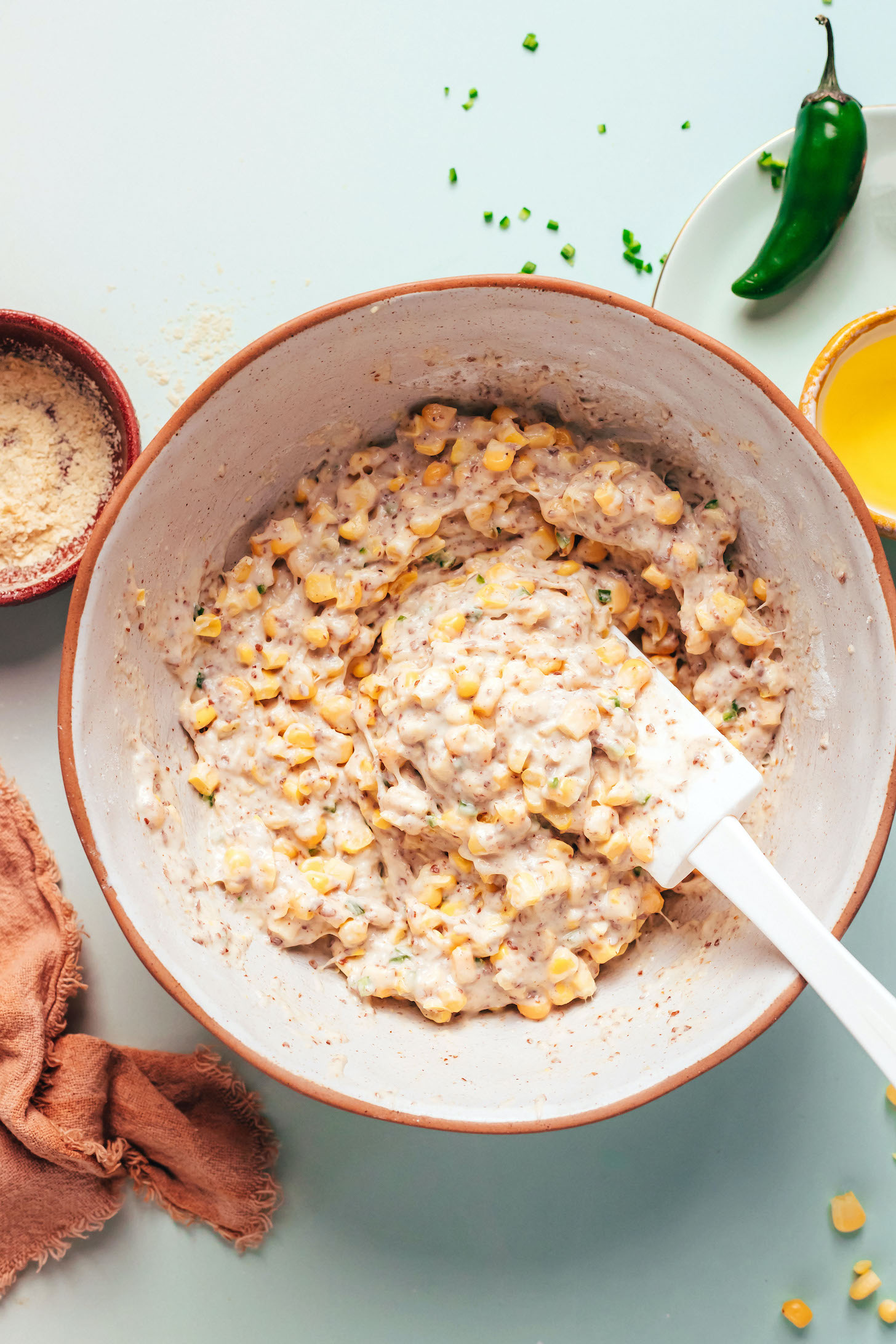
The preparation process is categorized by its efficiency, requiring only a single mixing bowl and a standard cast-iron skillet. The methodology involves creating a thick, uniform batter that balances the starch content—typically sourced from all-purpose or gluten-free flour blends—with the liquid components.
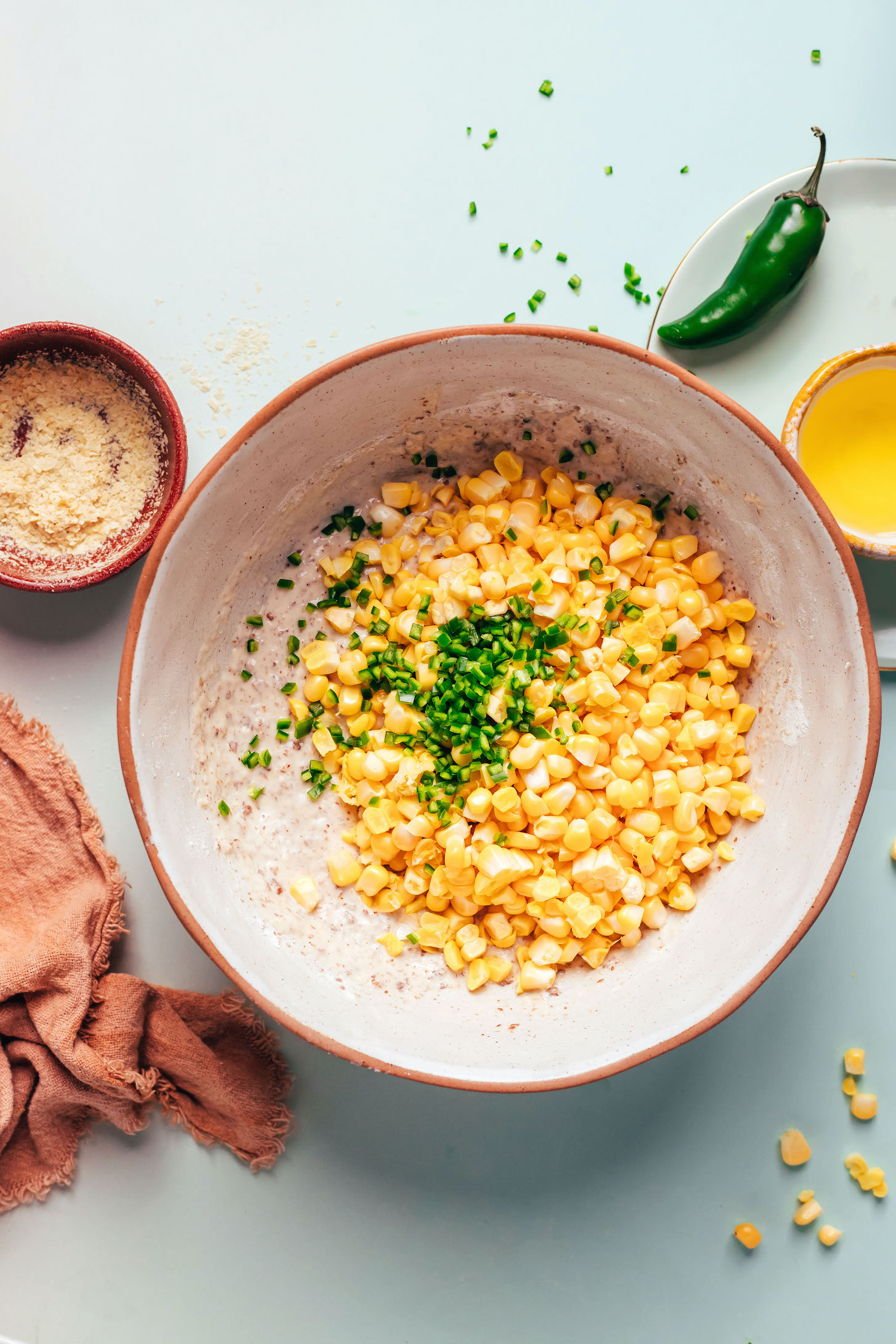
Chronologically, the process begins with the preparation of the flax-egg, allowing it to set to reach the required viscosity. Simultaneously, the dry ingredients—flour, baking powder, salt, garlic powder, and nutritional yeast—are whisked together. Once the base is established, the integration of fresh or thawed, well-dried corn kernels and finely diced jalapeños completes the batter.

The cooking phase employs a shallow-frying technique rather than traditional deep-frying. This adjustment serves two primary purposes: it reduces the total lipid content of the final product and simplifies the cooking process for the home cook, minimizing the hazards associated with large vats of hot oil. By cooking for approximately two to three minutes per side in avocado oil, the fritters develop a crispy exterior while maintaining a tender, moist interior. The selection of avocado oil is notable for its high smoke point, making it a stable and safer choice for the temperatures required to achieve a golden-brown sear.
Nutritional Profile and Dietary Flexibility
A nutritional analysis of the dish reveals a focus on balance. Each fritter, estimated at approximately 103 calories, offers a moderate carbohydrate load of 16.2 grams and 2.4 grams of protein. The absence of cholesterol and the inclusion of fiber (1.9 grams) align with heart-healthy dietary recommendations.
The recipe’s design emphasizes versatility. By explicitly supporting the use of gluten-free flour blends, the recipe addresses the needs of individuals with celiac disease or non-celiac gluten sensitivity. Furthermore, the ability to substitute fresh corn with frozen—provided that the moisture content is carefully managed—ensures that the dish remains viable throughout the year, independent of seasonal agricultural cycles.
Economic and Social Implications
The rise of recipes such as these signals a change in the economic landscape of home dining. As food costs fluctuate, there is an increased consumer demand for meals that are high in perceived value but low in cost. Because the primary components—corn, flour, and basic seasonings—are affordable, the fritters serve as a cost-effective appetizer or side dish for large gatherings.
Furthermore, the social aspect of such recipes cannot be ignored. The "Minimalist Baker" approach, which emphasizes fewer ingredients and less time in the kitchen, caters to a demographic that values culinary engagement but operates under time constraints. This efficiency-focused cooking model has become a primary driver of digital recipe consumption, with social media engagement playing a crucial role in how these techniques are disseminated and validated by the public.
Expert Perspectives on Home Cooking Trends
Food scientists and culinary educators suggest that the success of these types of recipes lies in their predictability. "The modern home cook is looking for a high success rate," says an industry analyst. "By providing clear steps and identifying specific, accessible substitutes, creators are lowering the barrier to entry for plant-based cooking."

The shift toward shallow frying and the use of cast-iron cookware also reflects a return to traditional, durable kitchen tools. This trend suggests that consumers are moving away from single-use appliances and toward versatile, multi-purpose equipment, which is both more sustainable and space-efficient.
Broader Impact on Dietary Habits
The normalization of vegan appetizers at mainstream gatherings suggests that the "plant-based" label is no longer viewed as a restrictive category but rather as a culinary standard. By demonstrating that one can achieve the classic "crispy-on-the-outside, tender-on-the-inside" texture of a traditional corn fritter without animal products, this recipe contributes to the ongoing de-stigmatization of vegan cuisine.

Moreover, the emphasis on fresh, seasonal ingredients—like summer corn and jalapeños—encourages a connection to local food systems. Even when using frozen alternatives during the off-season, the emphasis remains on the quality and preparation of the produce, reinforcing a mindful approach to eating.
Conclusion and Future Considerations
As the culinary landscape continues to evolve, the integration of traditional cooking techniques with modern dietary requirements remains a vital area of development. The jalapeño corn fritter serves as a case study for this synthesis, proving that simplicity does not necessitate a compromise in quality.
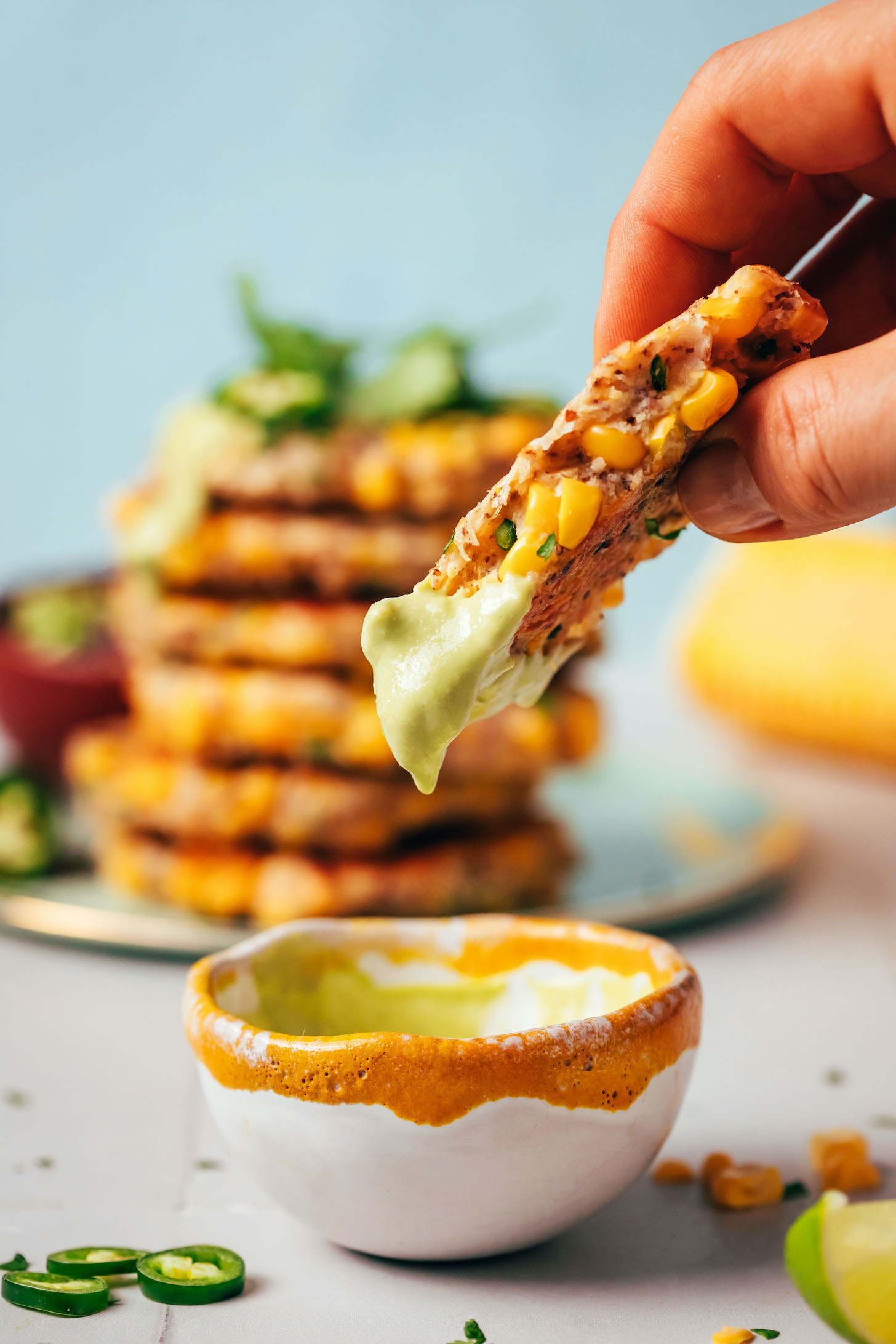
For those looking to expand upon this foundation, the culinary possibilities are extensive. From varying the heat levels of the peppers to experimenting with different flour bases or dipping sauces, the recipe offers a template that encourages experimentation. As consumers continue to seek out recipes that are fast, healthy, and inclusive, it is likely that similar plant-based adaptations will continue to hold a prominent place in the global kitchen, bridging the gap between historical comfort foods and the health-conscious, environmentally aware requirements of the contemporary era. By prioritizing accessibility and flavor, such dishes ensure that the transition toward a more plant-forward diet is not only sustainable for the planet but also rewarding for the palate.
