
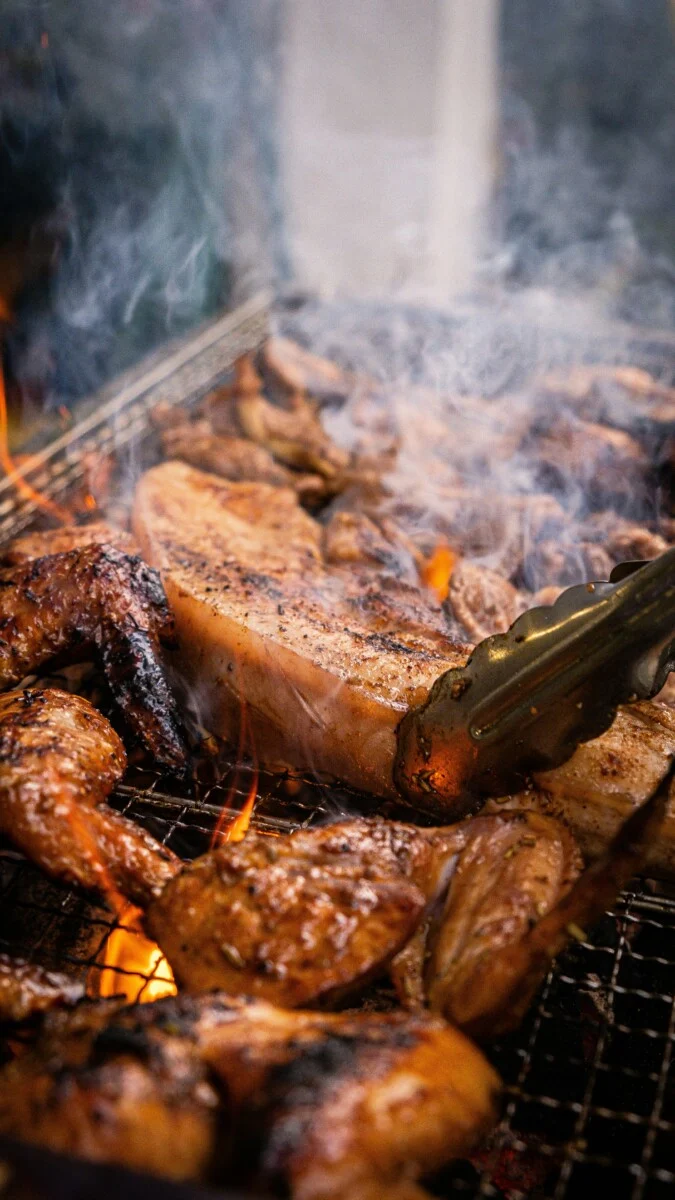
Mastering the art of barbecuing meat to achieve consistently juicy, flavoursome results is a culinary pursuit that eludes many home cooks, often resulting in dry chicken or charred burgers. However, a confluence of expert techniques, rooted in both traditional wisdom and modern food science, can elevate one’s grilling prowess significantly. This article delves into crucial strategies, from judicious meat selection to precise heat management and flavour infusion, designed to transform ordinary barbecues into extraordinary gastronomic experiences.
The Enduring Allure of Barbecue: A Culinary Heritage
Barbecuing, in its myriad forms, is more than just a cooking method; it is a global cultural phenomenon, deeply embedded in human history. Tracing its origins back to prehistoric times when early humans discovered the transformative power of fire on food, barbecue has evolved from a necessity for survival into a celebrated culinary art form. The term itself is believed to derive from the Taíno word "barbacoa," referring to a wooden structure used for slow-cooking meat over an open flame, a practice observed by Spanish explorers in the Caribbean in the 16th century.
Across continents, barbecue traditions reflect local ingredients, climates, and cultural values. From the smoky, slow-cooked meats of the American South, often involving elaborate rubs and sauces, to the asado of Argentina and Uruguay, where prime cuts of beef are grilled over open fires, and the yakitori skewers of Japan, barbecue signifies community, celebration, and the simple pleasure of expertly cooked food. This global reverence underscores the importance of refining techniques to honour such a rich culinary legacy. In recent years, the market for barbecue equipment and specialty meats has seen substantial growth, with global barbecue grill sales projected to reach over $7 billion by 2027, indicative of the enduring passion for outdoor cooking.
The Science of Superior Searing: Key Techniques Unveiled

Achieving truly exceptional barbecued meat hinges on understanding the fundamental principles of cooking and chemistry. Five pivotal strategies consistently emerge as critical for enhancing flavour, moisture, and texture.
1. Foundation of Flavor: The Importance of Meat Selection
The journey to superior barbecued meat unequivocally begins with the quality of the raw ingredient. Culinary experts universally advise against economizing on meat cuts, emphasizing that premium selections provide a significant advantage in taste and texture. High-quality meat, often sourced from reputable local butchers or specialized online purveyors, ensures better marbling, freshness, and often, more ethical and sustainable sourcing practices.
For rapid, high-heat grilling, such as steaks, chops, or quick-cooking poultry, thick, well-marbled cuts are paramount. The fat within the marbling renders during cooking, basting the meat from within and contributing immensely to both flavour and succulence. Cuts like ribeye, sirloin, or pork loin benefit from this approach. Conversely, for low-and-slow smoking techniques, which can extend over many hours, cuts with abundant connective tissue and fat are ideal. Brisket, pork shoulder (butt), and ribs thrive under these conditions. The extended cooking time allows collagen to break down into gelatin, transforming tough cuts into fork-tender masterpieces, with the fat content preventing dryness throughout the prolonged process. Researching the specific cooking requirements for each type and cut of meat is crucial to avoid common pitfalls like undercooking or overcooking. A survey by the National Butcher’s Association revealed that customers who regularly purchase from local butchers report a 30% higher satisfaction rate with their barbecue results compared to those relying solely on supermarket options, attributing it to superior cut quality and personalized advice.
2. Mastering Moisture and Tenderness: The Dry-Brining Advantage
One of the most impactful, yet often overlooked, techniques for enhancing meat quality is dry-brining. This process involves generously salting meat 8 to 12 hours before cooking and allowing it to rest, uncovered, in the refrigerator. The scientific principle behind dry-brining is a sophisticated interplay of osmosis and protein denaturation. Initially, salt draws moisture from the meat’s surface. However, the salt then dissolves in this surface moisture, creating a highly concentrated saline solution. Through osmosis, this solution is subsequently reabsorbed into the meat, carrying the salt deeper into the muscle fibres.

This internal salting achieves several critical objectives. Firstly, the salt denatures some of the muscle proteins, particularly myosin, which helps to loosen the protein structure and increase the meat’s water-holding capacity. This results in significantly juicier meat, as less moisture is lost during the high-heat cooking process. Secondly, the salt enhances the flavour profile not just on the surface, but throughout the entire cut. Thirdly, the dry surface created by the initial moisture extraction promotes the formation of a superior, crispy crust when exposed to the grill’s heat. This "restaurant trick," as it’s often called, is a low-effort, high-reward strategy for achieving a tender interior and a beautifully seared exterior. Food scientists at the Culinary Institute of America have published studies demonstrating that dry-brined meats retain up to 15% more moisture than unbrined counterparts, leading to a perceptibly more tender product.
3. Infusing Aromatic Depths: The Art of Smoke Flavoring
The distinctive character of barbecued food is inextricably linked to the nuanced flavours imparted by smoke. Beyond simply cooking, the controlled introduction of wood smoke adds layers of complexity that are unattainable through other methods. The choice of wood is paramount, as different varieties contribute distinct aromatic profiles. Hickory, for instance, is renowned for delivering a robust, bacon-like flavour that pairs exceptionally well with beef and pork. Apple and cherry woods offer a gentler, subtly sweet, and fruity note, making them ideal for poultry, pork, and even fish. Mesquite, known for its intense, earthy, and somewhat pungent flavour, is best reserved for darker, richer meats like beef brisket or game, where its powerful notes can complement rather than overpower.
For charcoal grills, wood chunks or chips can be placed directly on the hot coals. Gas grill users can still achieve a smoky essence by soaking wood chips in water for 30 minutes (to prevent them from igniting too quickly) and then placing them in a foil packet or a dedicated smoker box directly over the burners, beneath the cooking grates. The critical factor in smoke flavouring is temperature control. The goal is to produce a thin, blue, "clean" smoke, indicative of efficient combustion and the release of desirable flavour compounds. Thick, white, billowing smoke, often referred to as "dirty smoke," indicates incomplete combustion and can impart a bitter, acrid taste to the food. Maintaining a consistent, low smoke output ensures that the food absorbs a deep, complex smoky flavour without becoming overwhelming or unpleasant. The chemical compounds in wood smoke, such as guaiacol and syringol, are responsible for the characteristic smoky aroma and taste, reacting with the meat’s surface to create new flavour molecules.
4. Perfecting the Finish: Strategic Glazing for Caramelization
The application of barbecue glaze or sauce can elevate the final product, providing a tantalizingly sweet, tangy, or spicy coating. However, the timing of this application is crucial to avoid a common grilling mishap: burnt sugar. Many barbecue sauces are rich in sugars, which caramelize and burn rapidly at high temperatures. Applying glaze too early in the cooking process almost invariably results in a thick, charred, and bitter crust rather than a desirable sticky coating.

The optimal strategy is to apply glazes only in the final 5 to 10 minutes of cooking. This allows just enough time for the sugars to caramelize and adhere to the meat, creating a beautiful sheen and a flavourful crust, without succumbing to scorching. Multiple thin layers, brushed evenly onto the meat, are preferable to a single thick application. Thin layers allow for better heat penetration and more uniform caramelization. This late-stage application ensures that the complex flavours of the sauce—whether store-bought or homemade—are preserved and enhanced, providing a delightful contrast to the smoky, savoury meat beneath. The Maillard reaction, responsible for the browning and flavour development of meat, occurs at different temperatures than sugar caramelization. Understanding this distinction allows grill masters to achieve both a perfectly seared exterior and a wonderfully glazed finish.
5. Even Cooking and Crust Development: The Frequent Flip Philosophy
Contrary to the long-held myth that meat should only be flipped once during grilling, culinary research and practical experience consistently demonstrate the benefits of frequent turning. Flipping meat every few minutes, especially during high-heat grilling, promotes significantly more even cooking and helps in developing a consistent, appealing crust across the entire surface.
The rationale is rooted in heat transfer dynamics. When meat rests on the grill, one side is exposed directly to intense radiant heat, while the other is exposed to ambient air. Frequent flipping ensures that both sides are exposed to the direct heat more equally, preventing hot spots from overcooking or drying out one side. This continuous turning also aids in the formation of a uniform crust through the Maillard reaction. By not allowing one side to get excessively hot, it reduces the likelihood of burning while still achieving desirable browning. Furthermore, frequent flipping helps to prevent the meat from sticking to the grates. It is imperative, however, to use tongs rather than a fork for turning. Piercing the meat with a fork allows valuable internal juices to escape, compromising the succulence that these techniques are designed to preserve. For larger cuts destined for slow cooking, less frequent flipping is generally acceptable, as the goal shifts from rapid crust development to gentle, consistent internal cooking.
Expert Perspectives and Broader Implications
"The foundation of exceptional barbecue lies in respecting your ingredients and understanding the science of heat," states Karen Burns-Booth, a respected food writer and culinary expert, whose insights consistently advocate for these refined grilling methods. "Many people think barbecue is just throwing meat on a fire, but it’s an intricate dance between temperature, time, and flavour." This sentiment is echoed by professional pitmasters who stress that attention to detail, from sourcing to seasoning, is what separates good barbecue from truly great barbecue.

The economic implications of these strategies are also noteworthy. While premium cuts from local butchers might initially appear more expensive than supermarket alternatives, the enhanced flavour, reduced waste from overcooking, and superior dining experience often justify the investment. Moreover, the emphasis on techniques like dry-brining and smoke flavouring encourages home cooks to experiment and develop their own signature recipes, fostering culinary creativity and potentially reducing reliance on heavily processed marinades and sauces. The health implications are also positive; properly cooked, juicy meat reduces the formation of harmful compounds associated with charred surfaces, while the use of natural wood smoke can offer a more wholesome flavour profile than artificial smoke flavourings.
Conclusion
Elevating one’s barbecue game from amateur to impressive is entirely achievable through the diligent application of a few key principles. By meticulously selecting high-quality meat, leveraging the tenderizing and flavour-enhancing power of dry-brining, artfully infusing smoke, strategically applying glazes, and employing the technique of frequent flipping, home cooks can consistently produce barbecued meat that is both succulent and bursting with flavour. These techniques, far from being mere tricks, are grounded in culinary science and centuries of grilling tradition, offering a clear path to becoming a true grill master and ensuring that every barbecue gathering is a memorable culinary success. The ongoing evolution of barbecue culture, combined with an increasing appreciation for quality ingredients and precise techniques, guarantees that the pursuit of the perfect grilled meat will continue to inspire and delight for generations to come.
