
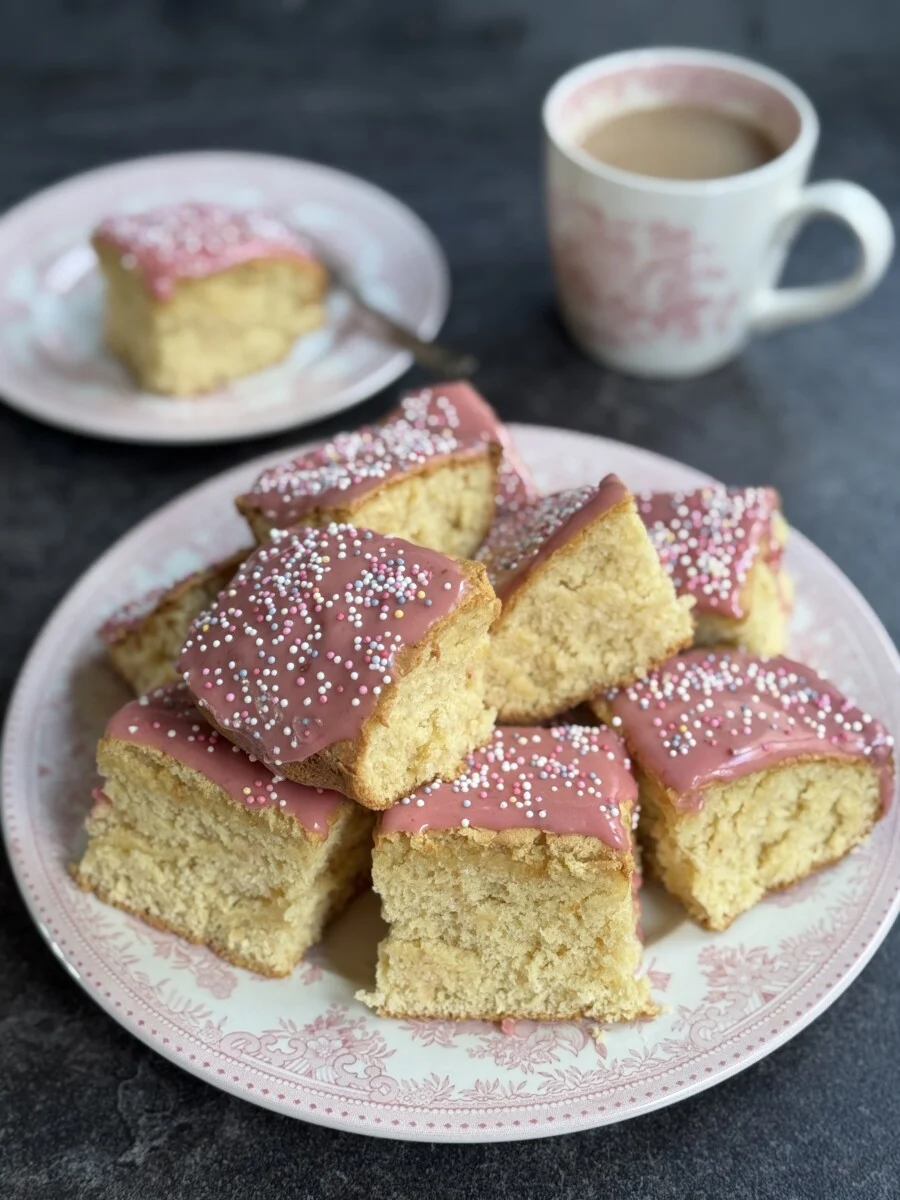
The quintessentially English tradition of cricket tea, a cherished interval in the rhythm of a summer’s day village match, remains a cornerstone of sporting community life. This mid-game repast, far more than a mere refreshment break, embodies sportsmanship, camaraderie, and a quiet celebration of local culture. This article explores the art of crafting an ideal cricket tea, focusing on practical strategies for limited budgets and minimal staffing, drawing insights from seasoned helpers and players.

The Enduring Tradition of Cricket Tea

Cricket, a sport steeped in history, demands endurance from its players and spectators alike, with matches often spanning several hours. The concept of "tea" as a formal interval emerged in the 19th century, evolving from simple provisions to a more elaborate spread that mirrored the British afternoon tea tradition. Unlike the high teas of grand hotels, cricket tea, particularly at the village level, carries a distinctly homely charm. It’s a moment for both competing teams to gather, momentarily setting aside rivalry for shared sustenance, fostering a unique sense of community that transcends the boundary ropes. For many, the anticipation of the cricket tea is as much a part of the match experience as the crack of willow on leather or the cheers from the boundary. It represents a pause, a refuel, and a social anchor in the unfolding drama of the game.

Navigating Modern Challenges: Budget and Manpower

In contemporary village cricket, the enthusiastic spirit of volunteers often forms the backbone of these traditions. However, the task of catering for potentially 20-30 players, officials, and a handful of spectators can be daunting, especially when resources are scarce. The typical budget for such an undertaking often hovers between £40 and £50, a sum that necessitates careful planning and a reliance on homemade provisions. Experienced cricket tea preparers, like Sarah, a veteran "Cricket Mum Cricket Tea Helper and Baker" mentioned in a recent discussion, highlight the challenge of delivering a satisfying spread with just one or two individuals managing the entire operation. Sarah’s personal allocation of £20, matched by a co-helper, underscores the lean financial parameters within which these culinary feats are achieved. Her commitment to using quality ingredients, such as butter over less expensive vegetable spreads, often pushed her slightly beyond the allocated budget, illustrating the dedication to quality that volunteers bring to the table.

Expert Insights: Crafting the Menu

The menu for a perfect cricket tea is a carefully balanced act of providing energy, refreshment, and comforting familiarity. Drawing on years of experience, a consensus emerges around a core set of offerings: sandwiches, cakes, fresh fruit, crisps, and essential beverages like tea and squash.

-
Sandwiches: The Savoury Staples
Sandwiches are paramount, offering easily consumed sustenance for players needing to refuel quickly. Variety is key, catering to different tastes and dietary needs. Traditional fillings include:
- Cheese and Pickle: A classic, robust combination.
- Egg Mayonnaise: Simple, satisfying, and a perennial favourite.
- Ham and Mustard/Tomato: Hearty and familiar.
- Tuna Mayonnaise: A popular choice for its flavour and protein content.
- BLT Sandwiches: As requested by Sarah’s son Tom, this demonstrates the personal touches that often make a cricket tea special.
- Cucumber: Light and refreshing, particularly on a warm day.
- Cream Cheese and Chive: A lighter, flavourful option.
The importance of using fresh, good quality bread and spreading it generously with butter (as Sarah insisted) cannot be overstated for taste and texture. Cutting sandwiches into traditional triangles or fingers makes them easy to handle.
-
Cakes and Bakes: Sweet Energy Boosts
The sweet offerings are equally vital, providing a much-needed sugar rush and comforting treat. Homemade cakes are highly prized for their taste and the effort they represent. Popular choices include:
- Victoria Sponge: A timeless classic, light and airy with jam and cream.
- Lemon Drizzle Cake: Tangy and moist, a refreshing option.
- Coffee and Walnut Cake: A sophisticated choice, often made as a tray bake for easy serving.
- Chocolate Cake (e.g., Evaporated Milk Chocolate Cake, Queen’s Chocolate Biscuit Cake): Rich and indulgent, always a hit.
- Tray Bakes (e.g., Caramel Popcorn and Malteser Rocky Road, Tottenham Cake): Easy to portion and transport, offering varied textures and flavours.
- Scones (Plain, Fruit, Cheese): Served with jam and cream (for fruit scones) or butter (for cheese scones), these are a true tea-time staple.
- Jam Tarts: Small, sweet, and perfectly portioned.
- Flapjacks and Brownies: Dense, energy-rich, and easy to eat.
-
Additional Savouries:
Beyond sandwiches, a few extra savoury items provide balance and heartiness:
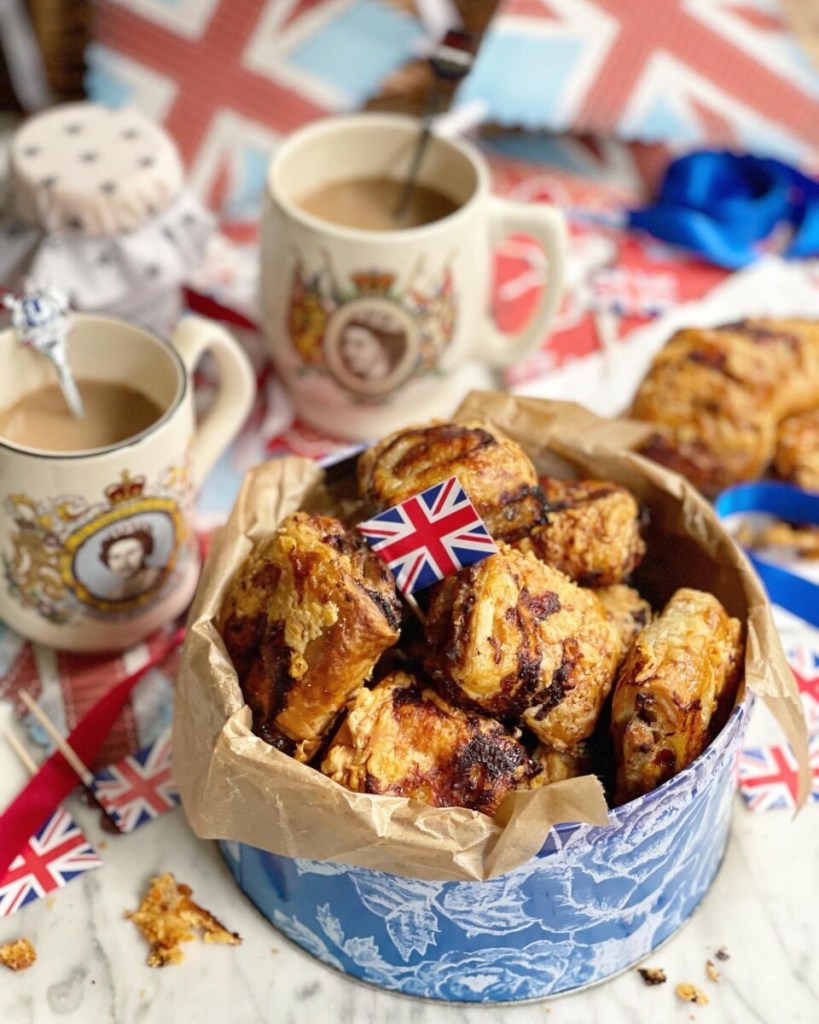
- Sausage Rolls (e.g., Easy Three Ingredient Sausage Rolls, Cheesy Ploughman’s Sausage Rolls): A definite crowd-pleaser, offering substantial protein.
- Quiches/Flans (e.g., Deep Dish Cheese & Tomato Flan, Egg & Bacon Flan): Provide a more substantial savoury option, often prepared in advance.
-
Drinks and Refreshments:
Hydration is paramount for players.
- Tea: Brewed strong and plentiful, often served with milk and sugar.
- Squash: A crucial element, with a specific, amusing, and firm instruction from a cricketer: "make sure there is a good ratio of squash to water!" This highlights the players’ need for flavourful, rehydrating drinks after exertion.
- Water: Always available for those who prefer it plain.
-
Fresh Fruit:
The importance of fresh fruit cannot be overstated, as emphasized by a cricketer’s input. It provides natural sugars, vitamins, and hydration. Sliced oranges, grapes, bananas, and berries are excellent choices, offering light and healthy options amidst the richer fare.
Strategic Planning and Preparation: A Chronology for Success

Effective planning is the linchpin of a successful, budget-friendly cricket tea. Given that most items are homemade and prepared by one or two people, a phased approach is essential.

-
Days Before the Match (2-3 days out):

- Menu Finalisation: Confirm the menu, taking into account any known dietary requirements or allergies among the teams.
- Shopping List Creation: Detail all ingredients needed, separating fresh items from pantry staples.
- Baking Ahead: Many cakes and biscuits can be baked and stored. Items like rocky road, flapjacks, and some sponges can be prepared and kept in airtight containers. Sausage rolls can be made and frozen, then baked on the day.
- Ingredient Sourcing: Take advantage of supermarket deals or local market produce to stay within budget.
-
The Day Before the Match:

- Sandwich Fillings: Prepare fillings like egg mayonnaise, tuna mayonnaise, or chop ingredients for cheese and pickle. These can be stored in the refrigerator.
- Fruit Preparation: Wash and dry fruit like grapes, apples, or berries. Harder fruits like oranges can be pre-sliced.
- Pre-baking/Assembly: Bake any remaining cakes or savouries that keep well overnight.
-
Match Day Morning:

- Sandwich Assembly: This is often the most time-consuming task. Fresh bread should be used, spread generously, and fillings applied. Cut and arrange on platters, covering tightly with cling film to prevent drying out.
- Final Baking: Bake sausage rolls or quiches if they were prepped earlier.
- Drink Preparation: Ensure ample supplies of tea bags, milk, sugar, and squash concentrate. Prepare large jugs of squash with the "good ratio" in mind.
- Packaging and Transport: Carefully pack all food items into sturdy containers. Plates, napkins, cups, and serving utensils must also be accounted for.
- Logistics Check: Confirm transport (a car or van is often essential to move the considerable spread) and timing for delivery to the pavilion.
Cost-Effective Catering: Maximising the £40-£50 Budget

Operating within a tight budget of £40-£50 for potentially 20-30 people requires shrewd purchasing and a commitment to homemade goods.

- Bulk Buying Staples: Ingredients like flour, sugar, butter (or margarine for some items), eggs, and tea bags can often be bought in larger, more economical quantities.
- Seasonal Produce: Utilise seasonal fruits, which are generally cheaper and fresher.
- Homemade Advantage: Baking cakes and making sandwiches from scratch is significantly cheaper than buying pre-made alternatives. It also allows for quality control and tailoring to preferences.
- Smart Savoury Choices: Sausage rolls, quiches, and cheese scones are relatively inexpensive to make in bulk and offer substantial value.
- Crisp Strategy: While avoiding ready-salted, buying multi-packs of crisps offers a variety of flavours at a better price point than individual bags.
- Efficient Drink Mixing: Concentrated squash goes a long way, and tea is a very cost-effective beverage.
The Unspoken Rules and Player Preferences

Cricketers, like any athletes, have specific preferences, often borne out of experience and the physical demands of the game. The "NO ready-salted crisps" directive is not just a whim; it often stems from a desire for more flavourful options after hours in the sun, or perhaps a slight aversion to the simpler flavour profile when more exciting options are available. Similarly, the insistence on a "good ratio of squash to water" underscores the need for effective rehydration that is also palatable. Fresh fruit is valued for its natural sugars and ease of digestion, crucial for sustained energy. These seemingly minor details are, in fact, crucial indicators of a successful tea, reflecting an understanding of the players’ needs and desires.
Community and Tradition: Beyond the Food

Ultimately, the cricket tea is more than just food; it’s a social ritual that strengthens the fabric of village life. It’s where rival players share stories, where young cricketers learn the etiquette of the game, and where volunteers embody the spirit of community service. The efforts of dedicated individuals, like Sarah and other "Cricket Tea Helpers," ensure that this beloved tradition continues, connecting generations and reinforcing the timeless appeal of grassroots cricket. Their meticulous planning and generous spirit, often behind the scenes, are as vital to the match as the players on the pitch. The delivery of the tea, often requiring a car or van to transport the generous spread, marks the culmination of their efforts, bringing a moment of much-anticipated relief and enjoyment to all involved.

As the season progresses, further "Cricket Pavilion Tea Recipes" will be shared, starting with Sarah’s famed BLT Sandwiches, offering more practical guides to mastering this essential culinary tradition. The art of the cricket tea, though seemingly simple, is a testament to careful planning, community spirit, and a deep appreciation for good, honest food.
