
The Evolution of the Stampede Culinary Experience
Dolly Parton’s Stampede, originally opened in 1987 as "Dixie Stampede," was designed to be more than just a dinner theater; it was envisioned as a comprehensive immersion into Appalachian culture and American spirit. Central to this immersion is the meal, which is served without utensils to emphasize a rustic, communal atmosphere. The Tennessee Mountain Stampede Soup is the traditional first course, served in a handle-less mug. Over the past three decades, the soup has become so synonymous with the attraction that it is now sold as a dry mix in gift shops, yet the pursuit of a "from-scratch" home version remains a popular endeavor for those seeking to replicate the authentic flavor profile of the Great Smoky Mountains.
The logistical feat of serving thousands of guests simultaneously requires a recipe that is both consistent and robust. The soup’s popularity stems from its ability to provide a sophisticated, creamy texture while maintaining a profile that appeals to a wide demographic. This balance is achieved through a meticulous combination of a traditional roux and a slow-simmering process that allows the flavors of the vegetables and herbs to meld thoroughly.
Analysis of Ingredients and Flavor Profiles
The architecture of Dolly’s Tennessee Mountain Stampede Soup is built upon a foundation of classic Southern aromatics and modern convenience. Unlike many contemporary creamy soups that rely on canned condensed bases, this iteration utilizes a traditional flour and butter roux to achieve its signature silkiness.
- The Vegetable Base: A hallmark of the recipe is the use of finely chopped mixed vegetables. While the commercial version is prepared in massive quantities, the home-cook adaptation frequently utilizes frozen mixed vegetables—typically a blend of corn, carrots, peas, and green beans. This ensures a consistent sweetness and texture.
- The Starch Component: The inclusion of diced potatoes serves a dual purpose. Beyond providing heartiness, the starch released from the potatoes during the slow-cooking process acts as a secondary thickening agent, enhancing the mouthfeel of the broth.
- Aromatic and Herbal Infusion: The flavor complexity is derived from a blend of garlic and onion powders, supplemented by dried thyme, parsley, and basil. These herbs are synonymous with Appalachian garden cooking and provide an earthy undertone that cuts through the richness of the dairy.
- The Dairy Element: The use of half-and-half, rather than heavy cream, allows the soup to remain light enough for an appetizer while providing the necessary fat content to carry the herbal flavors.
Chronology of Preparation: The Slow Cooker Method
The adaptation of this recipe for the slow cooker reflects the modern shift toward "set-and-forget" meal preparation, which mirrors the slow-simmered techniques of traditional mountain cooking. The process is divided into distinct phases designed to maximize flavor extraction.
Phase I: The Roux and Aromatics
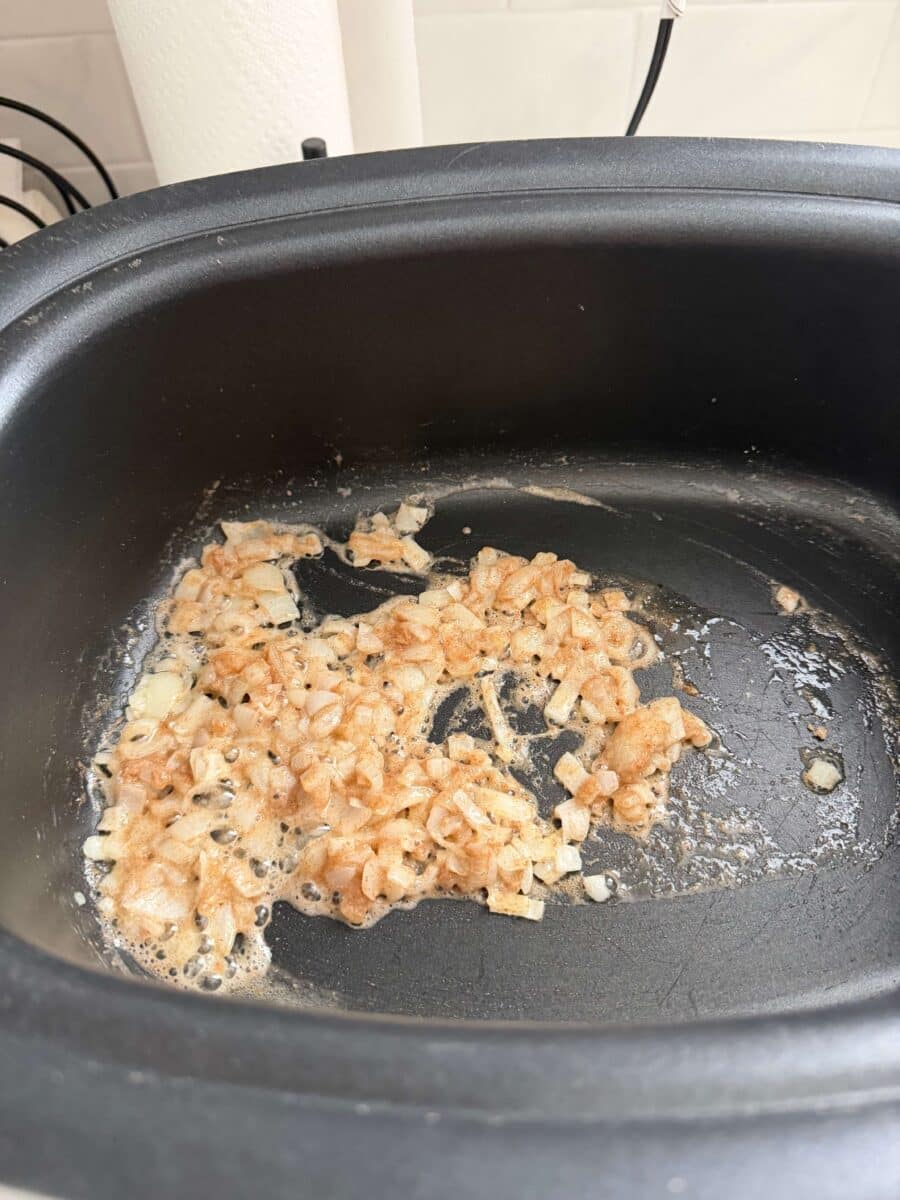
The process begins on the stovetop, a critical step that cannot be bypassed in the slow cooker. Sautéing onions in melted butter until translucent provides the initial flavor base. The addition of flour creates a roux, which must be cooked for several minutes to remove the raw flour taste. This stage is vital for ensuring the soup thickens correctly during the subsequent hours of heat exposure.
Phase II: The Slow Simmer
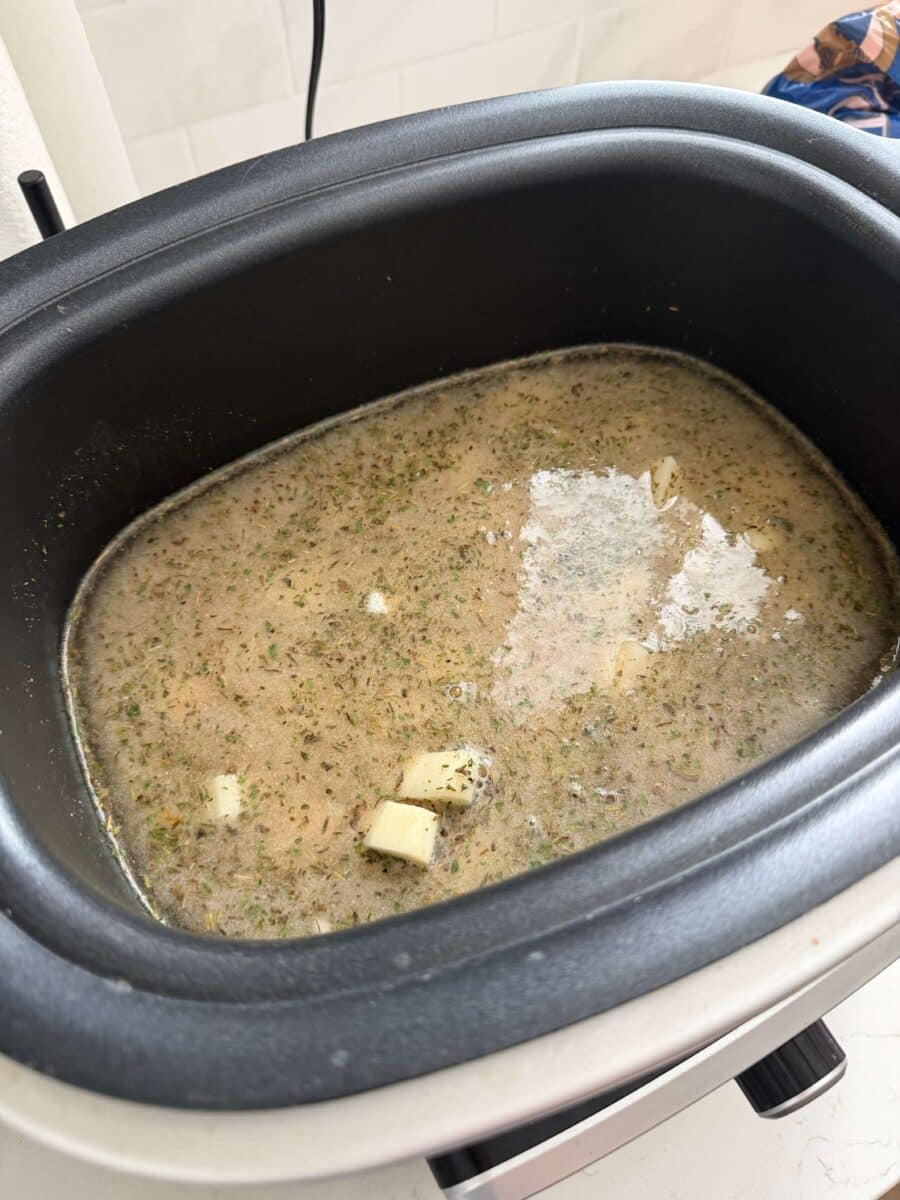
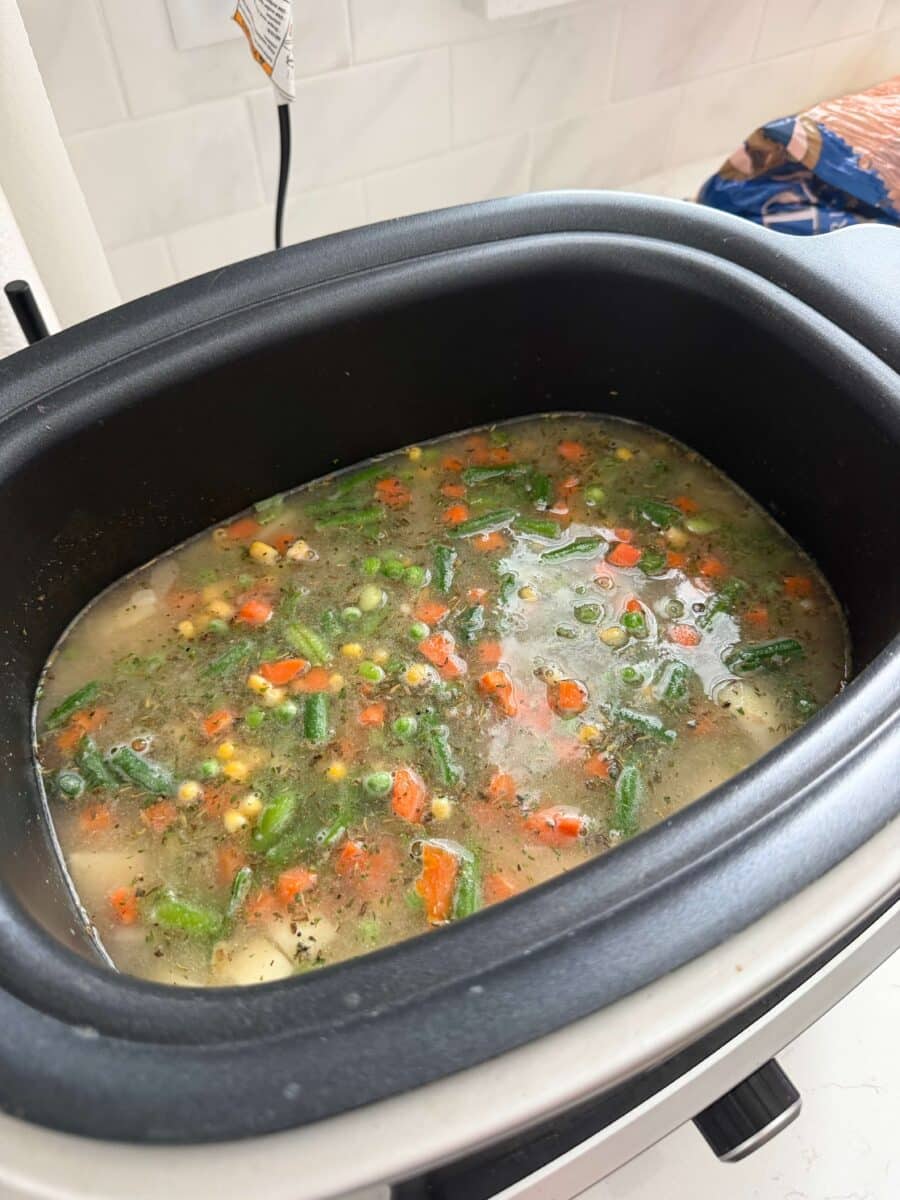
Once the roux is transferred to the slow cooker, it is combined with water and chicken bouillon (or chicken broth). The bouillon provides a concentrated savory note that defines the soup’s backbone. The vegetables, potatoes, and dried herbs are then added. The soup is typically cooked on a low setting for approximately four hours. This duration is sufficient to tenderize the vegetables and allow the potato starches to integrate with the broth without overcooking the more delicate herbs.
Phase III: Texture Refinement
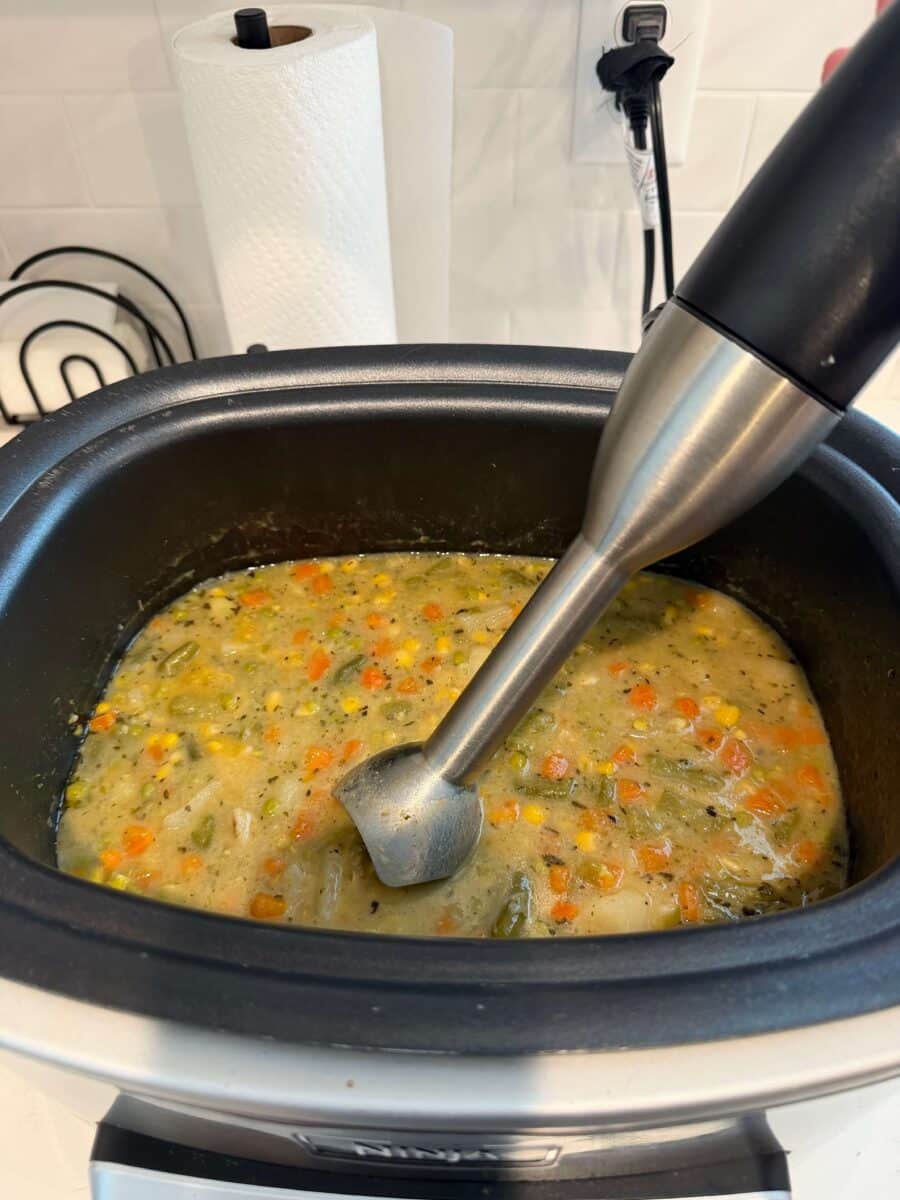
A defining characteristic of the Stampede soup is its smooth yet slightly textured consistency. Home cooks often utilize an immersion blender at this stage. By partially pureeing the mixture, one can achieve the creamy "mug-ready" consistency of the original attraction while leaving enough vegetable chunks to satisfy those who prefer a more rustic "mountain" style.
Phase IV: Tempering and Finishing
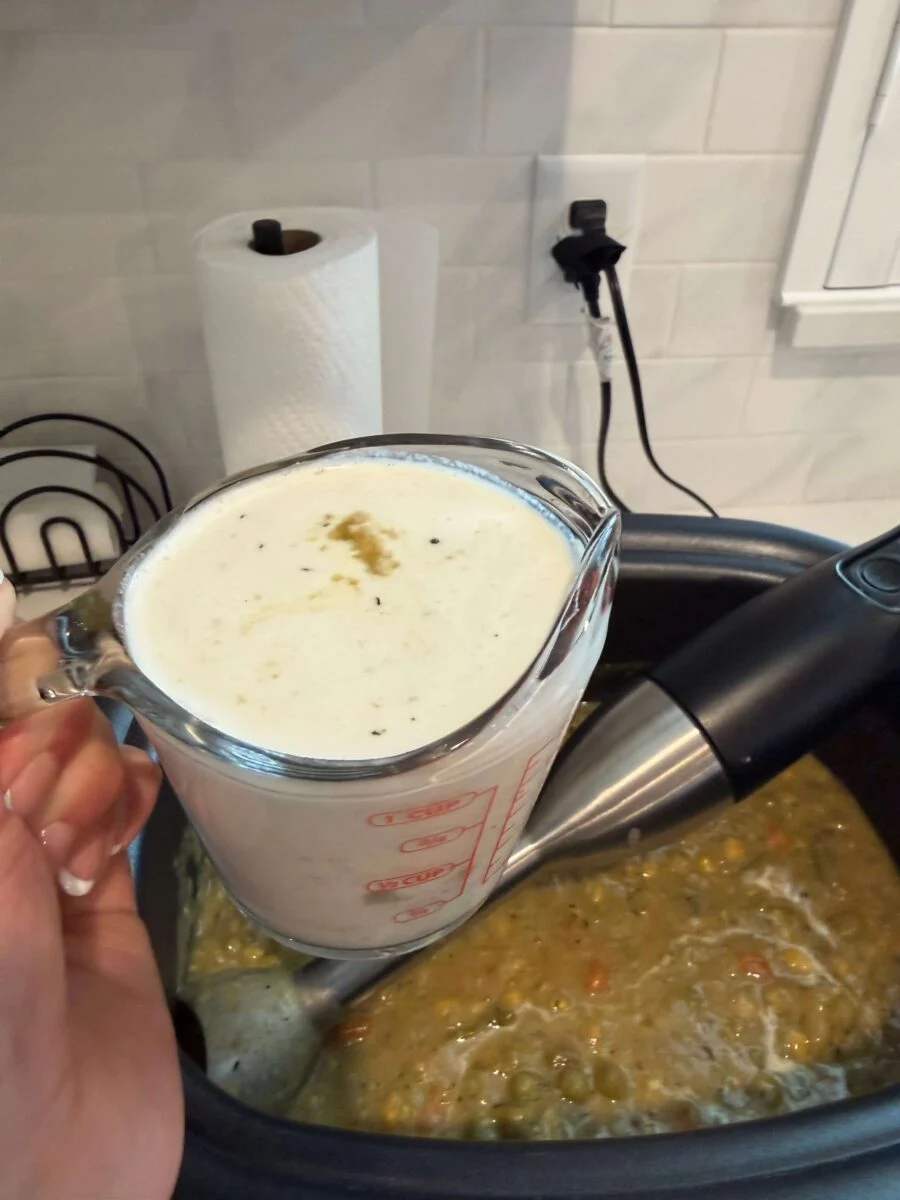
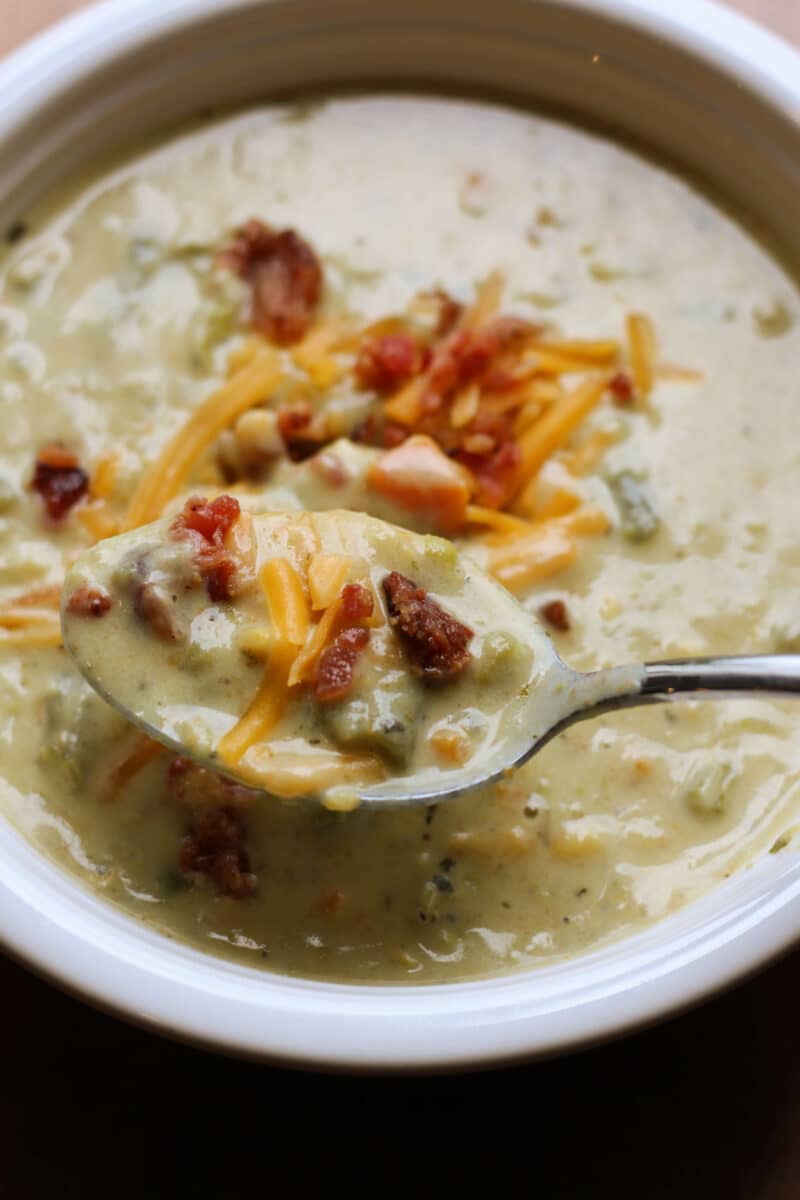
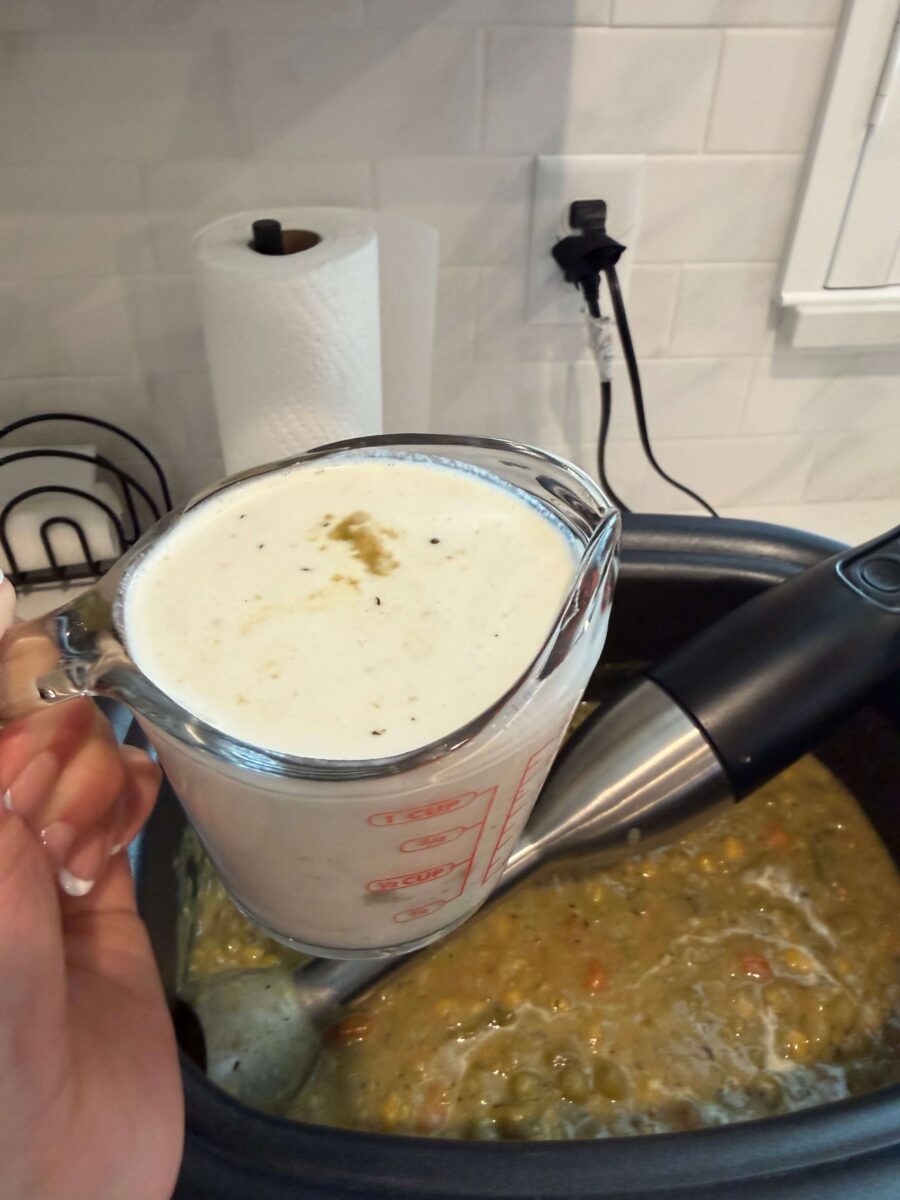
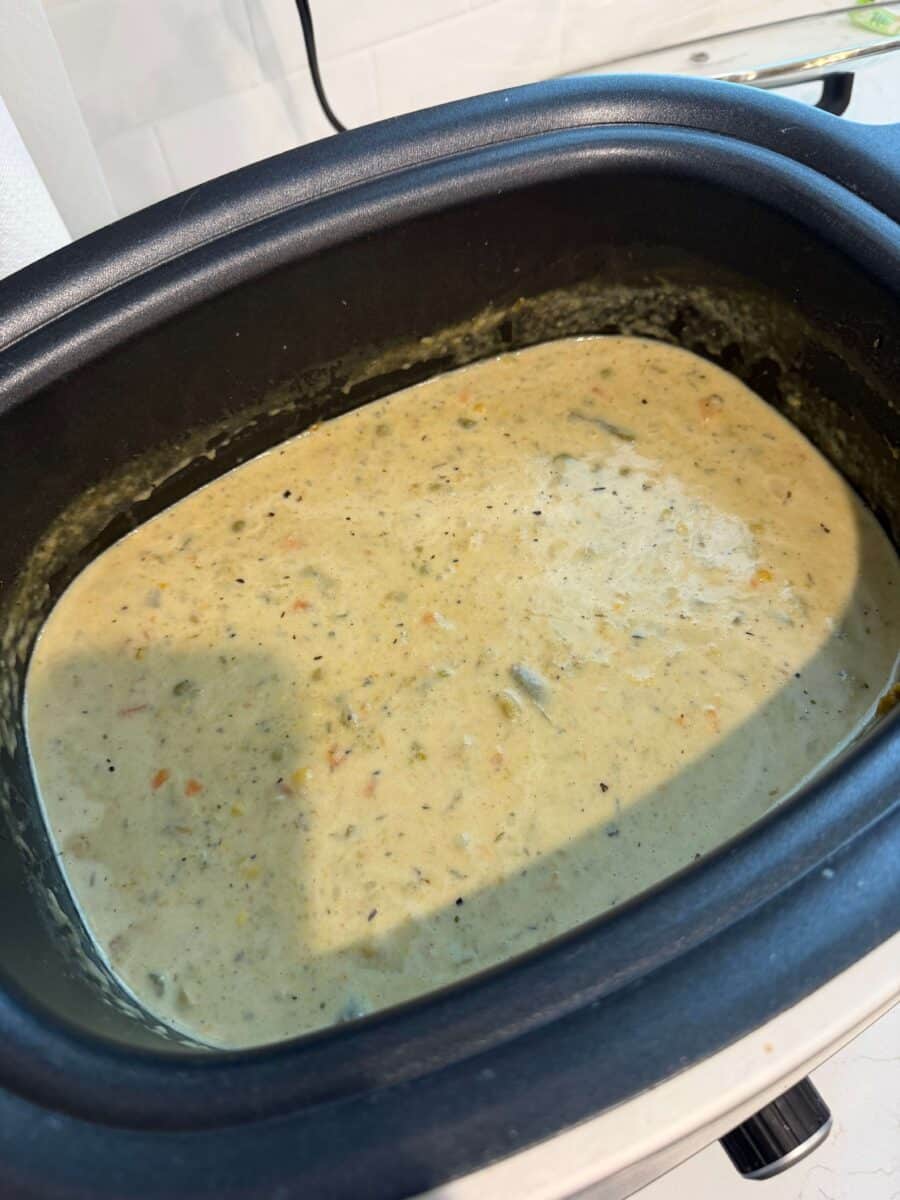
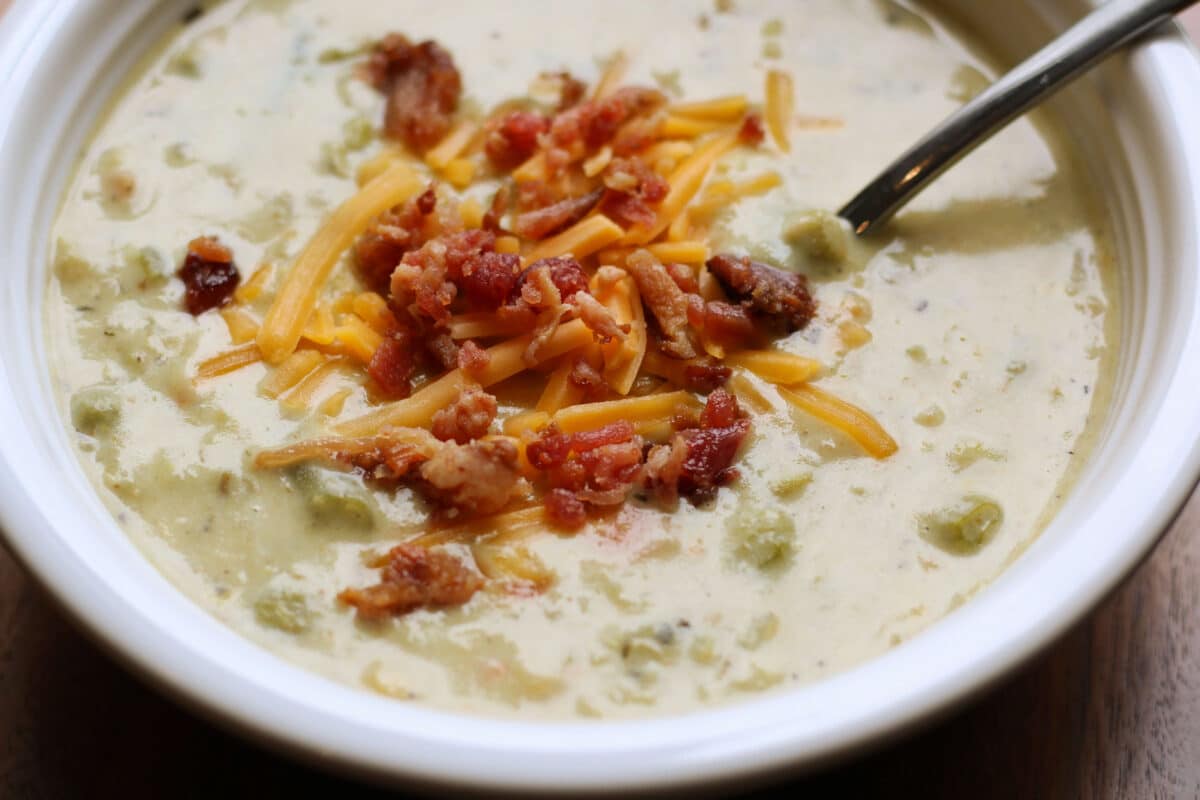
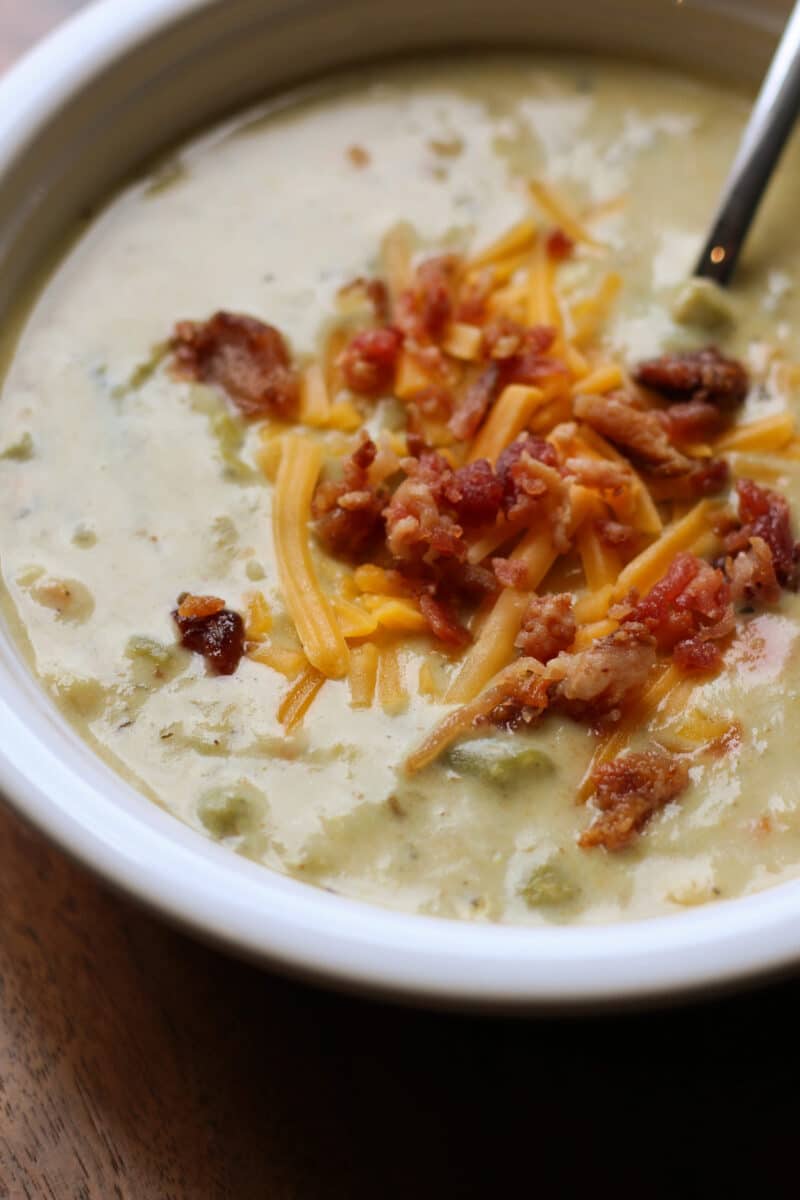
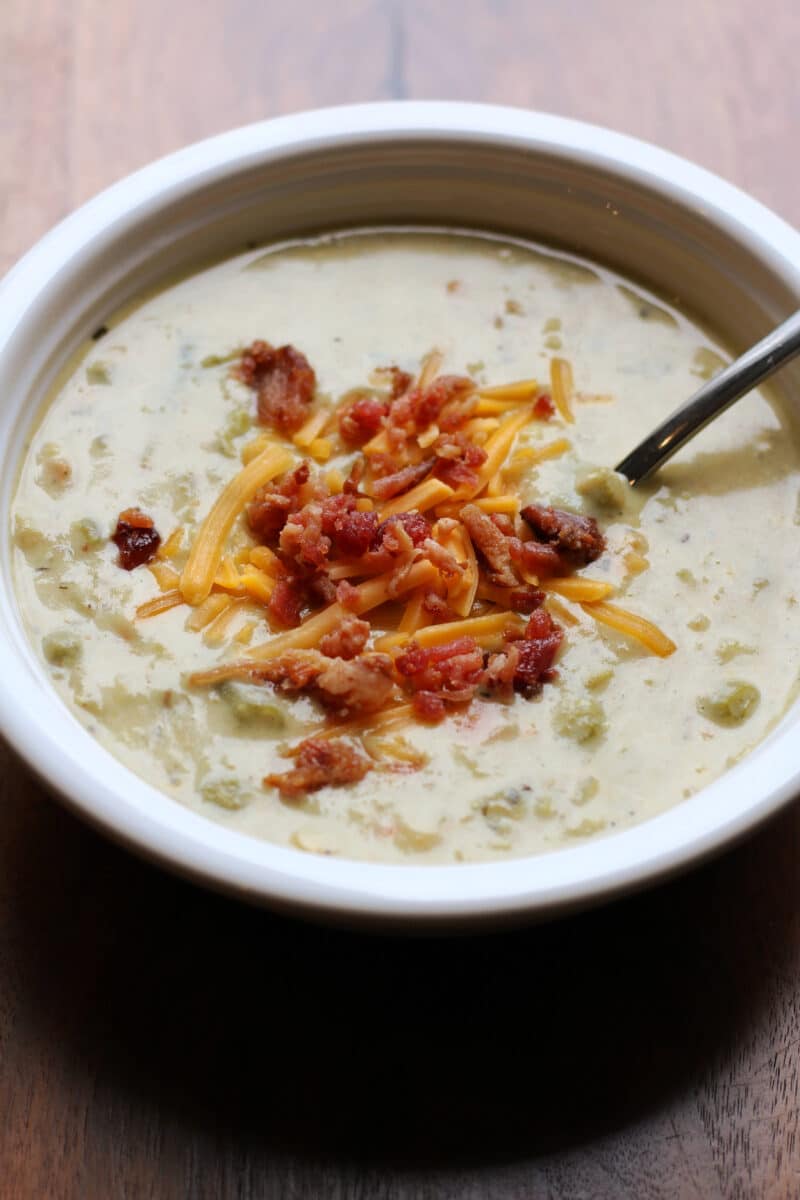
The final addition of half-and-half requires technical precision. To prevent the dairy from curdling when it hits the hot soup, a "tempering" method is employed. A small amount of the hot broth is whisked into the room-temperature cream before the mixture is folded back into the slow cooker. The soup is then finished with high-quality toppings—specifically crispy bacon crumbles and shredded cheddar cheese—which provide a salty, sharp contrast to the mild creaminess of the base.
The Economic and Cultural Impact of the Dolly Parton Brand
The enduring popularity of recipes like the Tennessee Mountain Stampede Soup is a testament to the "Dolly Parton Effect"—a phenomenon where the singer’s personal brand of authenticity and kindness elevates everything associated with her name. In the context of the Pigeon Forge tourism economy, food is a primary driver of revenue. Dollywood and its associated properties have turned Southern comfort food into a high-demand commodity.
Market data suggests that "copycat" recipes for famous attraction foods, such as this soup, drive significant traffic to culinary websites and social media platforms. This digital ecosystem reinforces the brand loyalty of the physical attractions. Furthermore, the soup represents a broader culinary movement that celebrates Appalachian foodways. By highlighting simple ingredients like potatoes, onions, and garden vegetables, the recipe pays homage to the resourceful cooking styles of the Tennessee mountains.
Comparative Culinary Context: The "Dolly Soup" Universe
The Tennessee Mountain Stampede Soup is part of a larger portfolio of recipes associated with Parton, each reflecting a different aspect of her history.
- Stone Soup: Inspired by the folk tale and Parton’s own childhood, this version is more vegetable-heavy and emphasizes a narrative of community sharing.
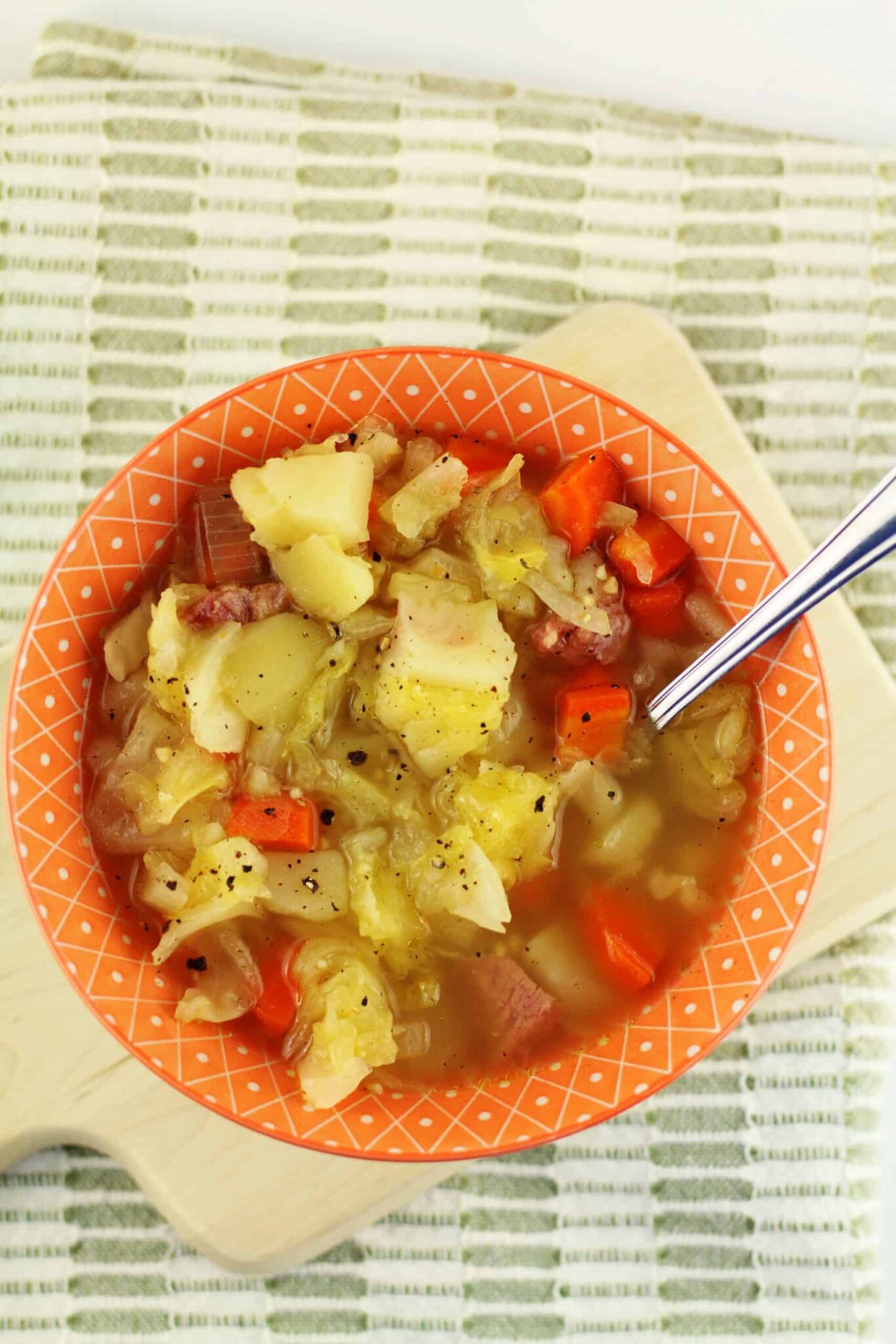
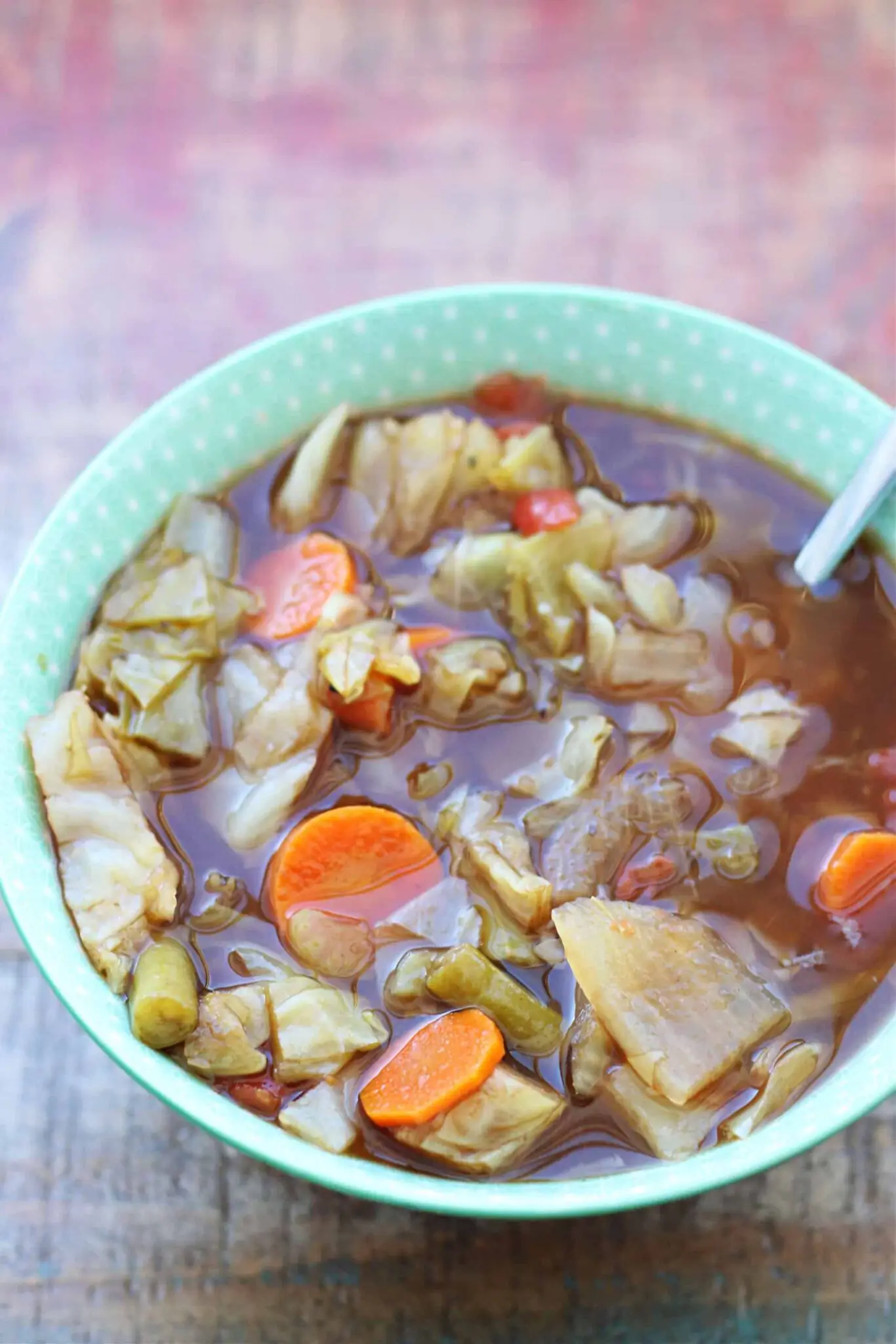
- Dolly’s Diet Soup: A low-calorie cabbage-based soup that gained fame during the 1990s, showcasing the versatility of her culinary influence.
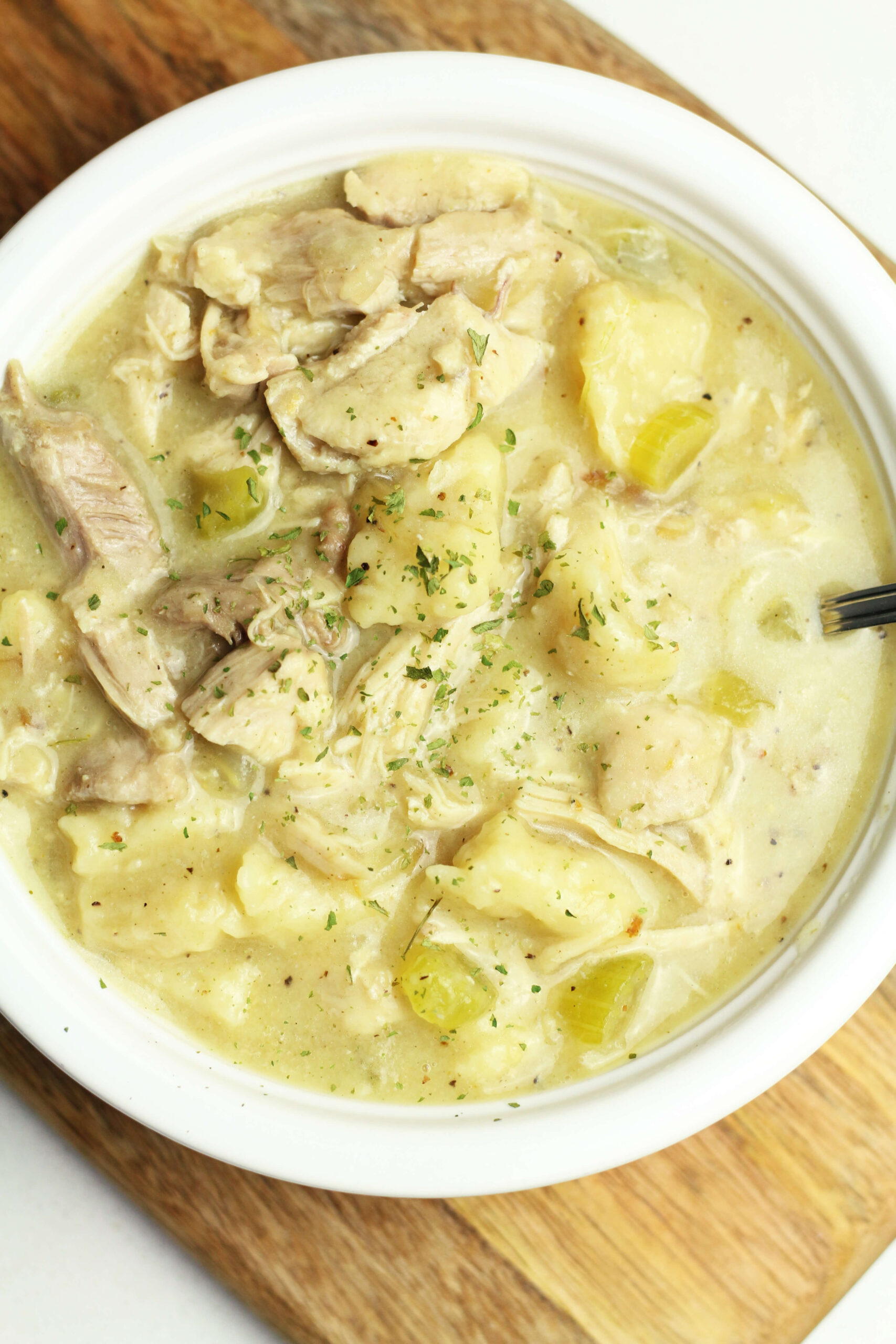
- Chicken and Dumplings: A more decadent, meal-heavy staple that represents the "Sunday Dinner" tradition of the South.
Each of these dishes, particularly the Stampede Soup, serves as a touchstone for fans. They are not merely recipes but are viewed as extensions of Parton’s hospitality.
Implications for the Modern Home Cook
The transition of the Stampede Soup from a theater spectacle to a home kitchen staple highlights the democratization of "secret" recipes in the internet age. For the modern consumer, the ability to replicate a $50-per-plate experience in a $20 slow cooker provides both economic value and emotional satisfaction.
Furthermore, the recipe’s flexibility allows for dietary adaptations—such as using gluten-free flour for the roux or vegetable bouillon for a vegetarian version—without compromising the core identity of the dish. This adaptability ensures that the soup remains relevant in an era of diverse dietary needs.
In conclusion, Dolly’s Tennessee Mountain Stampede Soup is more than a mixture of vegetables and broth. It is a calculated piece of culinary branding that successfully bridges the gap between commercial entertainment and home-cooked comfort. Its legacy is secured not just by its flavor, but by its association with one of America’s most beloved cultural icons and the enduring appeal of the Tennessee mountain lifestyle. As long as travelers continue to flock to the Great Smoky Mountains, this creamy, herb-infused soup will remain a benchmark for Appalachian-inspired hospitality.
