
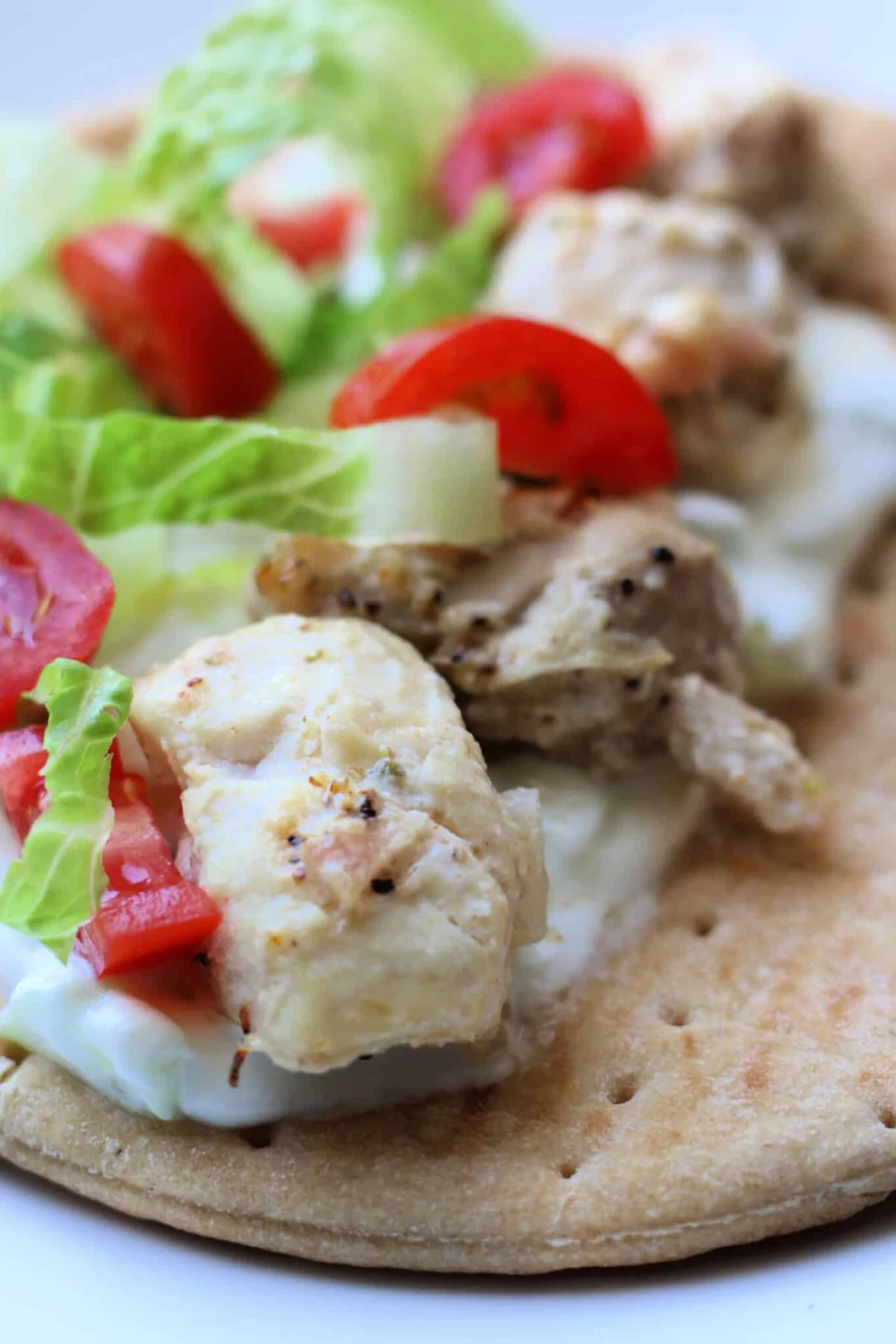
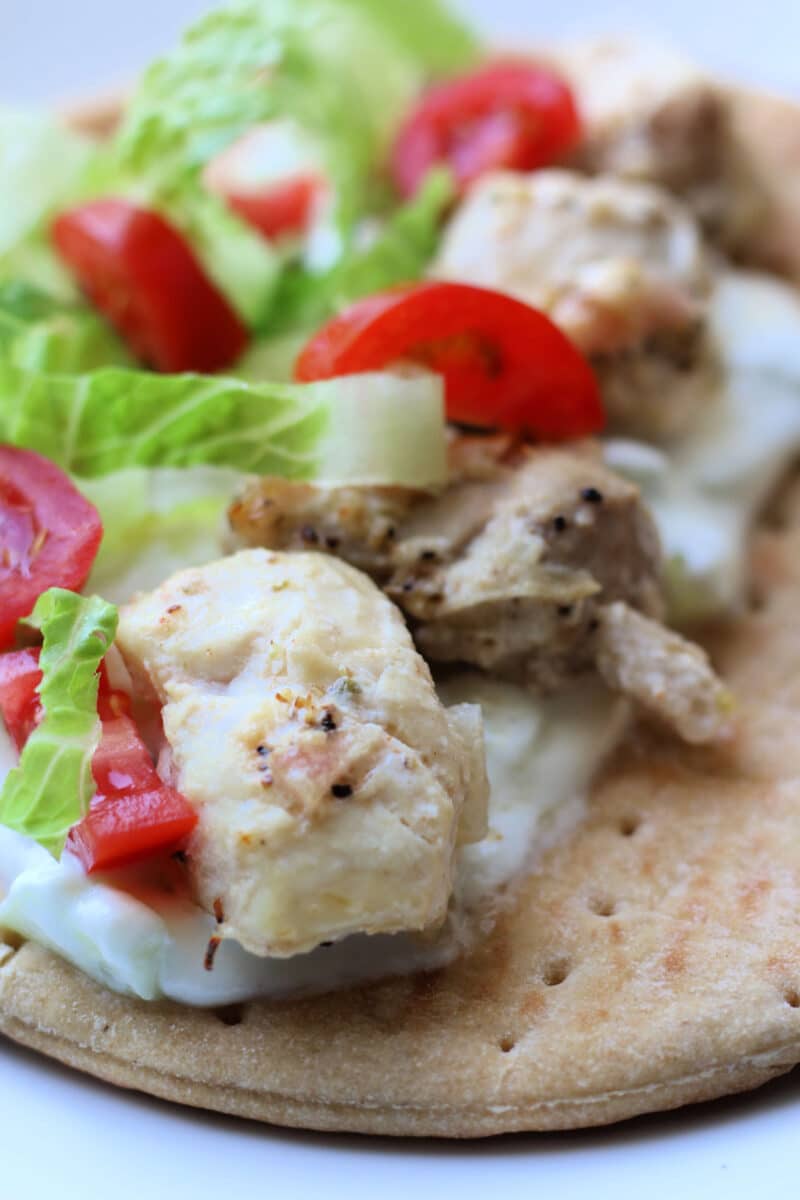
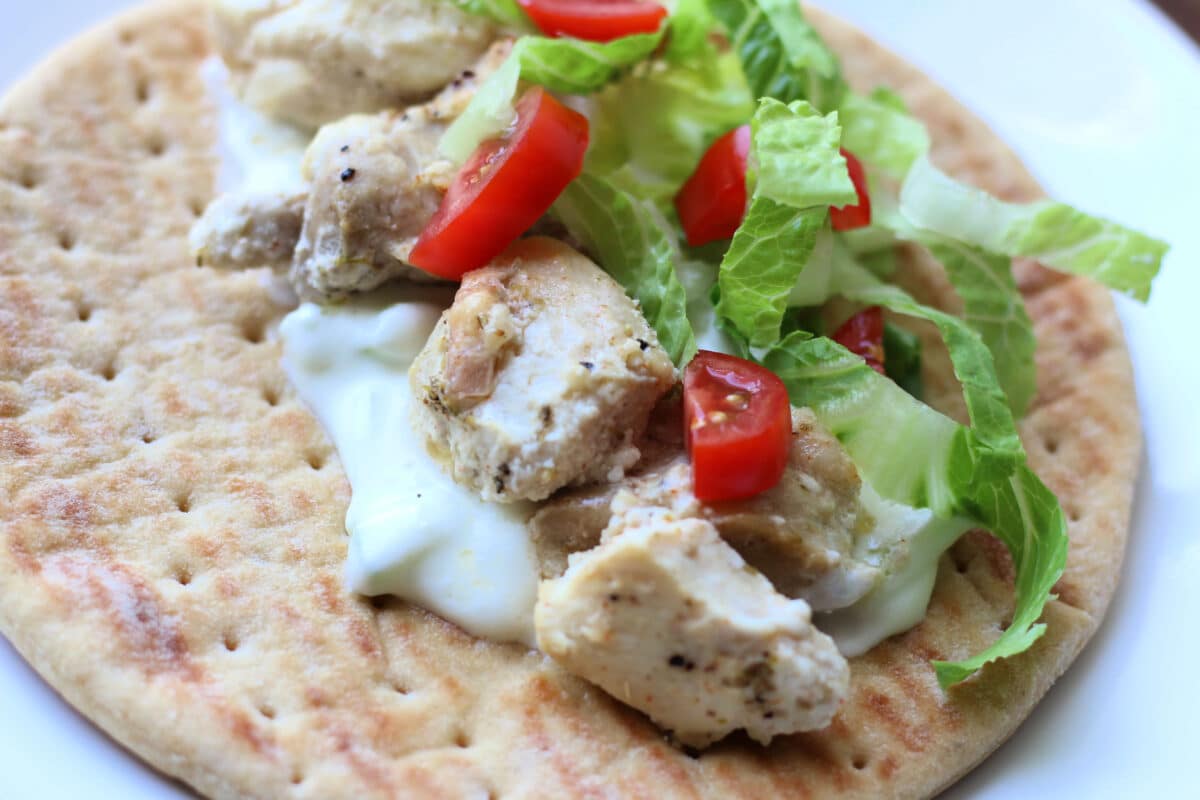
The culinary landscape of home-cooked meals has undergone a significant transformation in recent years, with a marked shift toward efficiency without compromising nutritional integrity. One of the most prominent examples of this trend is the Summertime Sheet Pan Chicken Gyro, a modern adaptation of the traditional Greek street food that leverages contemporary "sheet pan" cooking techniques to deliver a high-protein, vegetable-rich meal. This approach to the classic gyro simplifies the labor-intensive process of vertical rotisserie roasting, making Mediterranean-inspired cuisine accessible to the average household while maintaining the flavor profiles associated with authentic Hellenic gastronomy.
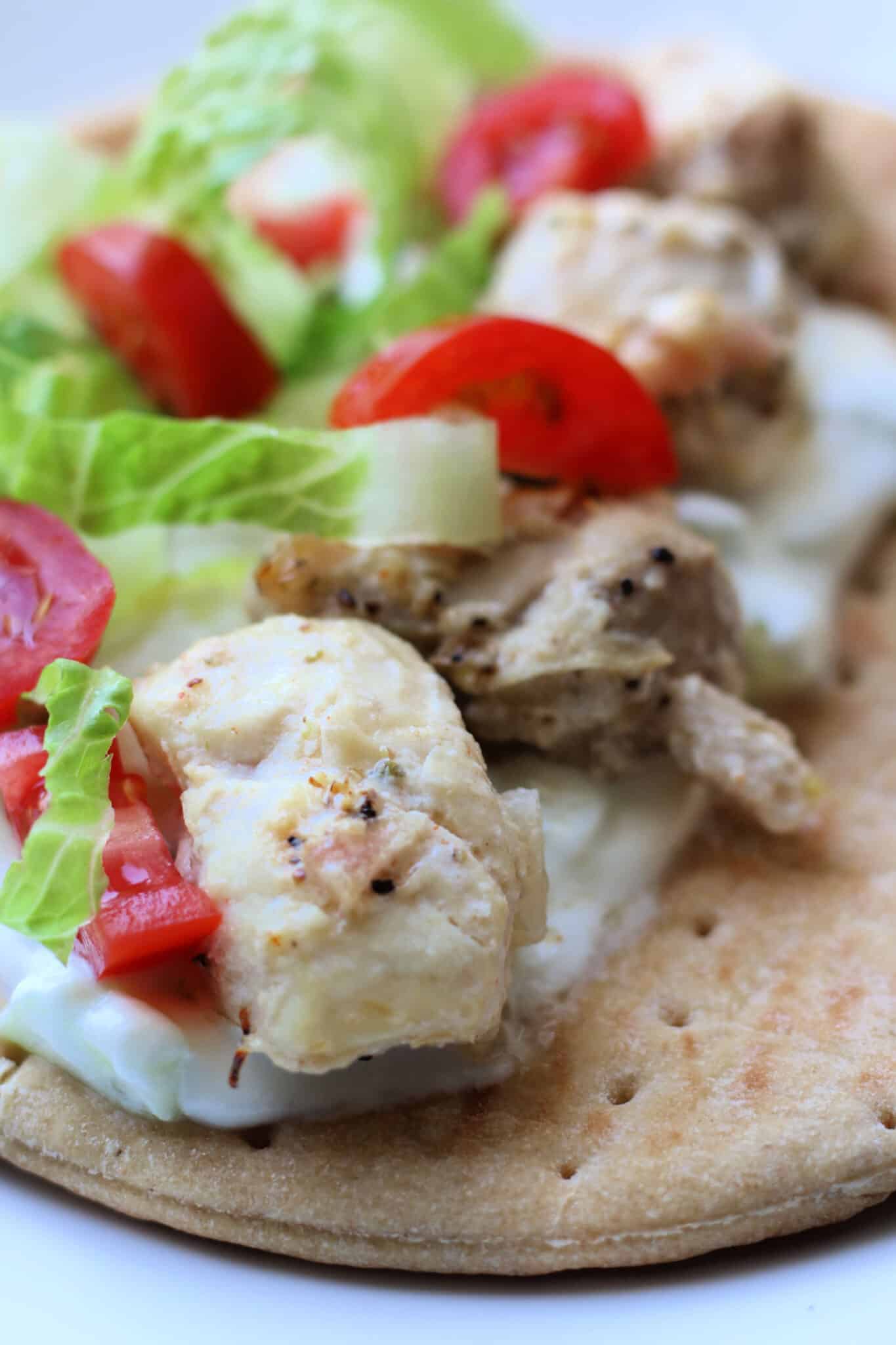
The Evolution of the Home-Cooked Gyro
The traditional gyro, a staple of Greek cuisine, historically relies on a vertical rotisserie where stacks of meat are slowly roasted and shaved into thin strips. For the home cook, replicating this texture and flavor has often proven difficult. However, the sheet pan method has emerged as a scientifically sound alternative. By roasting marinated chicken at high temperatures—specifically 425°F (approximately 218°C)—the meat undergoes the Maillard reaction, a chemical process between amino acids and reducing sugars that gives browned food its distinctive flavor.
The Summertime Sheet Pan Chicken Gyro utilizes this high-heat environment to mimic the charred, tender qualities of rotisserie meat. This culinary strategy is part of a broader movement toward "one-pan" meals, which market research suggests has grown in popularity by over 40% in digital recipe searches since 2020. The appeal lies in the reduction of cleanup time and the ability to cook proteins and vegetables simultaneously, though this specific chicken gyro recipe focuses on maximizing the texture of the poultry.
Procedural Chronology and Culinary Workflow
The preparation of Summertime Sheet Pan Chicken Gyros follows a strict chronological sequence designed to optimize flavor infusion and time management.
Phase I: The Marination Process
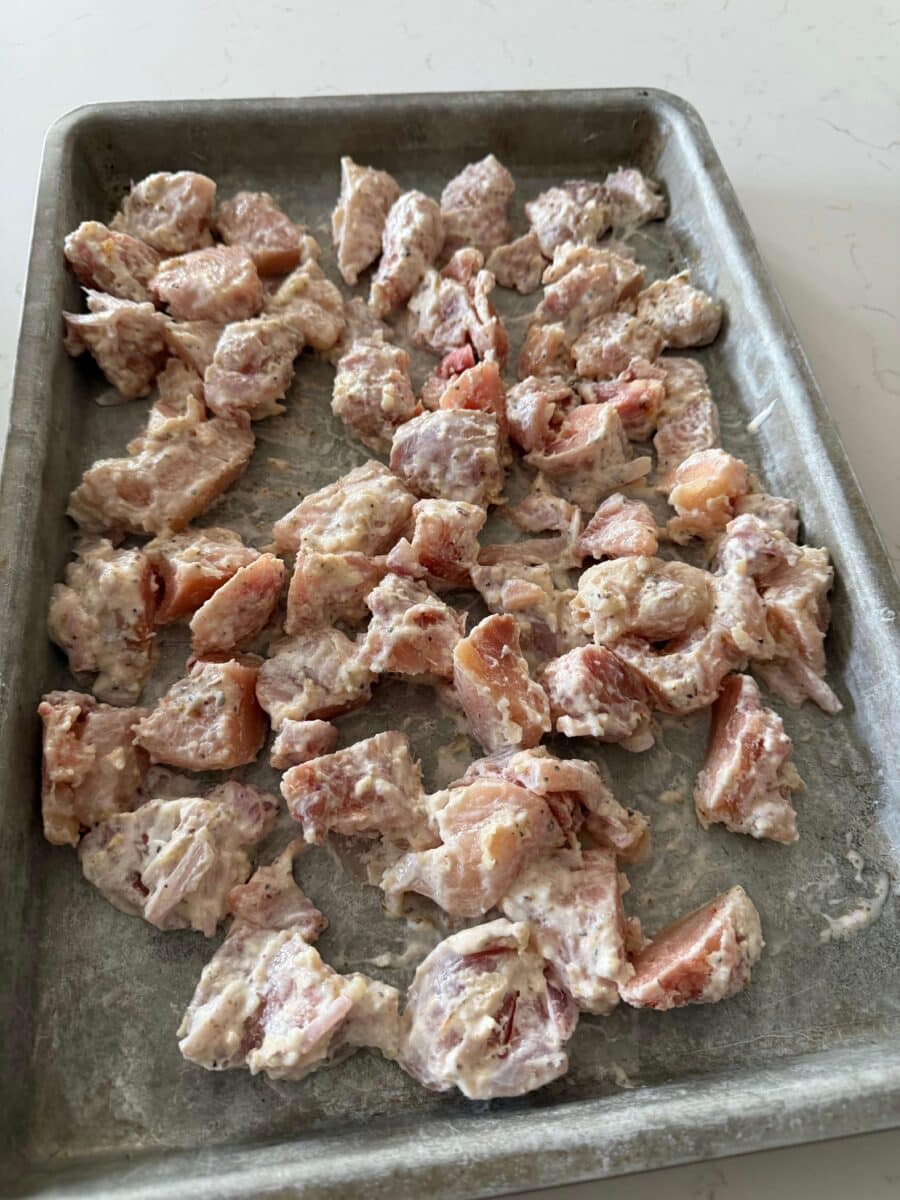
The process begins with the preparation of a Mediterranean marinade. Culinary experts emphasize that the marination period is critical, ranging from a minimum of 15 minutes to a maximum of 24 hours. The marinade typically includes an acidic component, such as lemon juice or vinegar, and fats like olive oil. The acid serves to denature the proteins in the chicken, effectively tenderizing the meat, while the herbs (commonly oregano, garlic, and thyme) provide the aromatic profile characteristic of the Aegean region.
Phase II: High-Heat Roasting
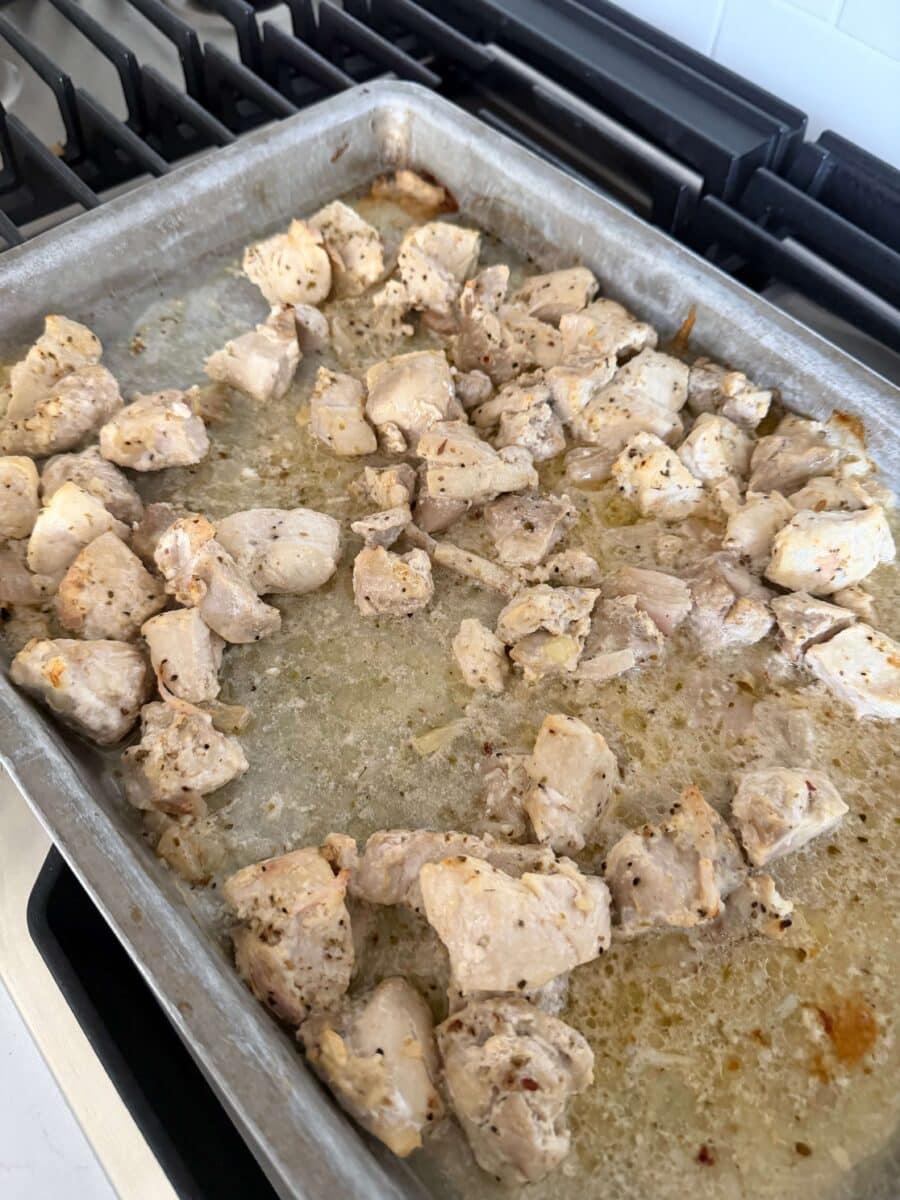
Following the marination, the chicken is spread across a single sheet pan. The oven is preheated to 425°F. The cooking timeline is split into two segments: an initial 15-minute roast, followed by a brief period where the meat is turned to ensure even browning, and a final 5 to 10 minutes of cooking. This dual-stage roasting ensures that the chicken reaches an internal temperature of 165°F (74°C), the USDA-recommended safety threshold, while maintaining moisture.
Phase III: The Integration of Tzatziki and Fresh Elements
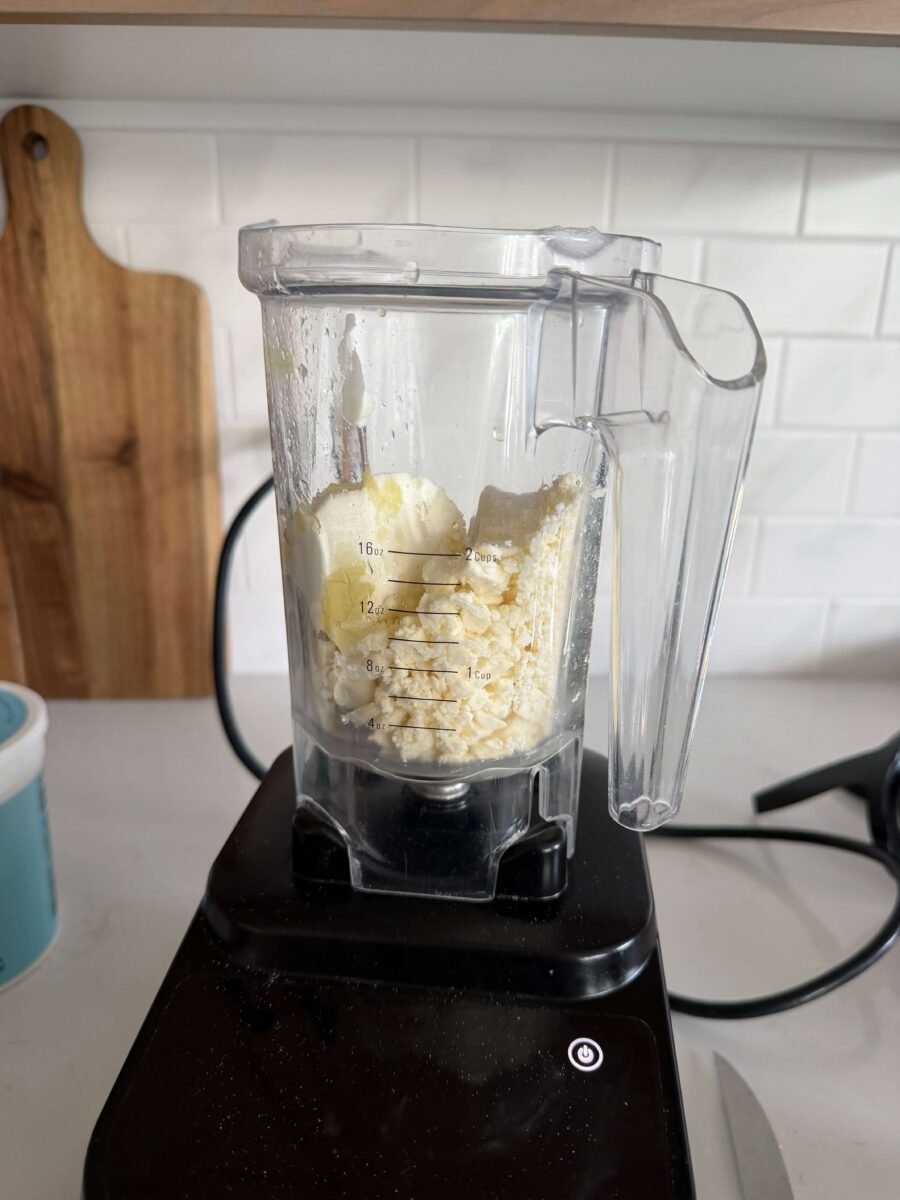
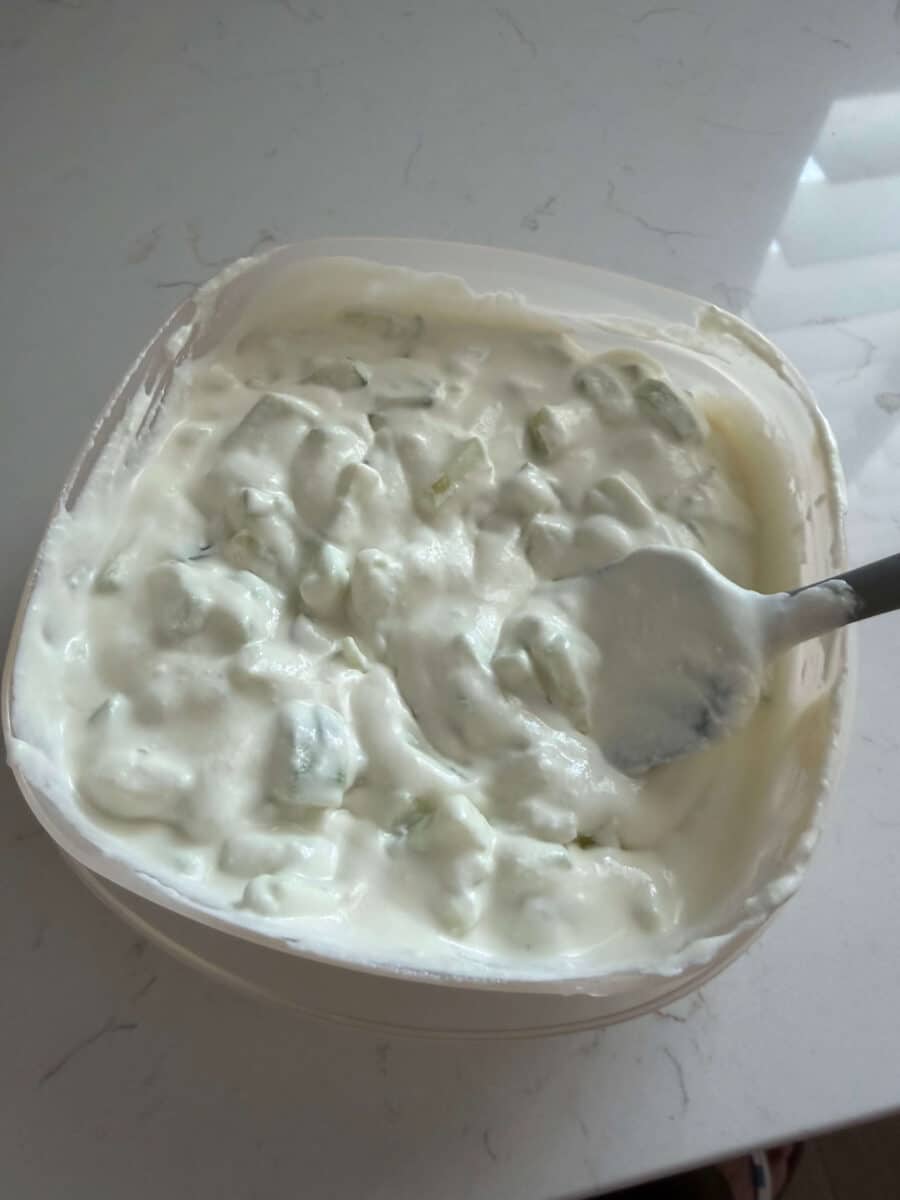
While the chicken roasts, the secondary components are prepared. A central element of this dish is the homemade tzatziki sauce, a yogurt-based condiment. The modern iteration of this sauce often incorporates feta cheese, Greek yogurt, garlic, and lemon juice, blended until smooth before being folded with grated cucumber. This creates a textural contrast between the hot, seasoned chicken and the cold, acidic sauce.
Nutritional Analysis and Supporting Data
The Summertime Sheet Pan Chicken Gyro aligns closely with the Mediterranean Diet, which has been ranked as the "Best Overall Diet" by U.S. News & World Report for seven consecutive years. The nutritional profile of this meal is characterized by lean proteins, healthy fats, and a high volume of fresh produce.
Protein and Probiotics
Chicken breast or thighs serve as the primary protein source. When paired with Greek yogurt in the tzatziki, the meal provides a significant dose of protein along with probiotics. According to data from the National Institutes of Health (NIH), the consumption of fermented dairy products like Greek yogurt supports gut microbiome health and improves calcium absorption.
The Role of Feta and Olive Oil
The inclusion of feta cheese adds a briny complexity and a source of Vitamin B12 and phosphorus. Furthermore, the use of olive oil—a monounsaturated fat—contributes to cardiovascular health. Clinical studies have consistently shown that replacing saturated fats with monounsaturated fats can lead to a reduction in LDL cholesterol levels.
Vegetable Density
The assembly of the gyro requires fresh tomatoes, cucumbers, red onions, and lettuce. These ingredients contribute essential vitamins (A, C, and K) and dietary fiber. The "summertime" designation of the recipe highlights the use of seasonal produce, which typically contains higher nutrient density compared to out-of-season counterparts that have undergone long-distance shipping.
Market Trends and Lifestyle Implications
The rise of recipes like the Summertime Sheet Pan Chicken Gyro reflects broader socioeconomic shifts in food consumption. As the cost of dining out has increased—with the Bureau of Labor Statistics reporting a 5.1% increase in "food away from home" costs over the past year—consumers are increasingly seeking "restaurant-quality" meals that can be prepared in under 45 minutes at home.
The Meal Prep Economy
This specific recipe is highly adaptable for the "meal prep" economy. By doubling the chicken portion and utilizing multiple sheet pans, home cooks can produce enough protein for several days. This efficiency is a key driver in the popularity of the recipe among working professionals and families. The chicken’s versatility allows it to be repurposed for salads, grain bowls, or wraps, further extending the economic value of the initial preparation.
Expert Perspectives on Home Gastronomy
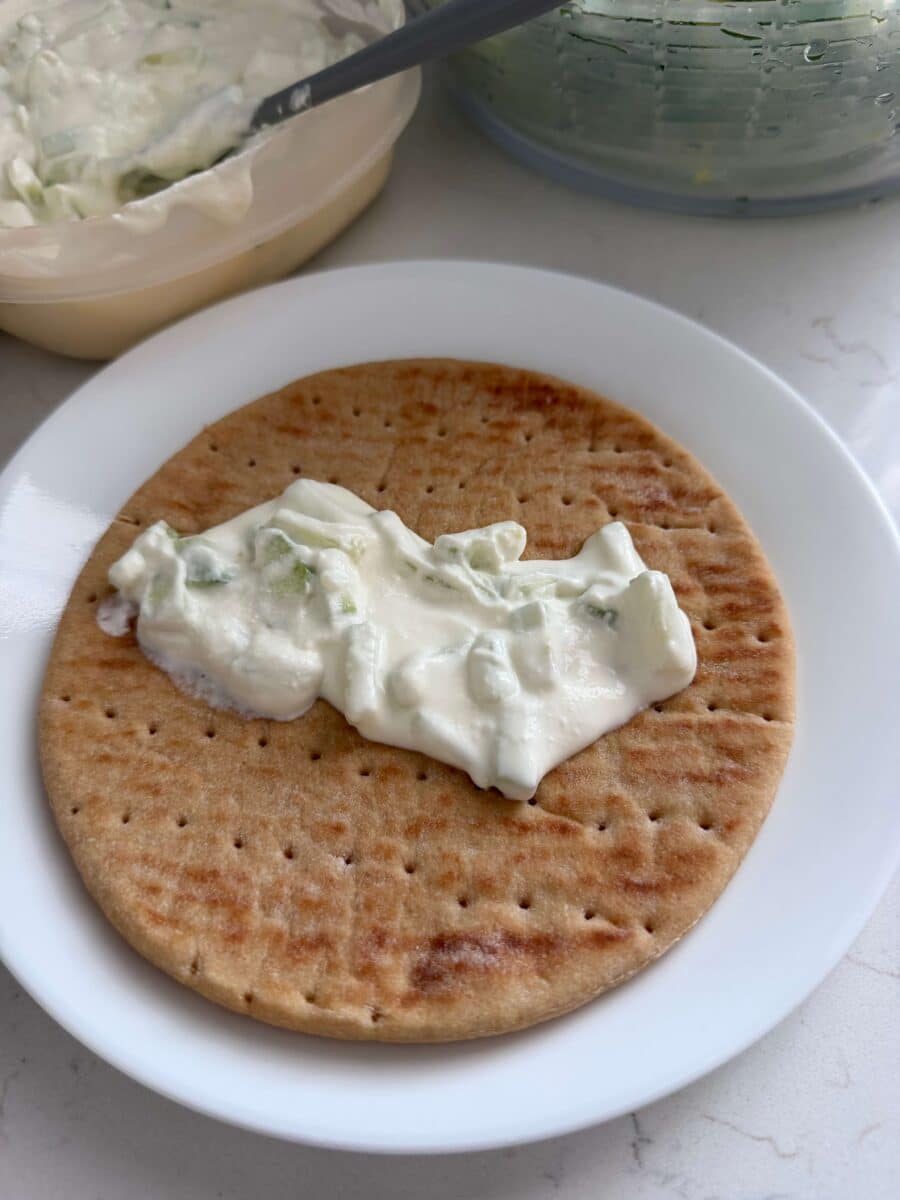
Dietitians and culinary analysts suggest that the "assembly-style" nature of gyros provides a psychological benefit. By allowing individual family members to customize their pita—choosing their own ratios of sauce, meat, and vegetables—the meal promotes a sense of autonomy and can be a successful strategy for introducing children to new vegetables and flavors.
Broader Impact on Global Food Culture
The globalization of the gyro through home-cooking adaptations represents a form of "culinary diplomacy." While the dish remains a symbol of Greek identity, its evolution into a sheet pan staple in North American and European kitchens demonstrates the fluidity of food culture.
The adaptation of the gyro into various formats—such as Greek nachos, green bean casseroles with Mediterranean seasoning, and potato bowls—indicates a sustained interest in the flavor palette of the region. This trend is supported by the growth of the Mediterranean fast-casual restaurant sector, which has seen brands like Cava and Zoe’s Kitchen expand rapidly, further reinforcing the demand for these flavors in the home kitchen.
Technical Considerations for Optimal Results
To achieve the highest quality result, culinary professionals recommend several technical adjustments to the basic sheet pan method:
- Avoid Overcrowding: If the chicken pieces are too close together on the pan, they will steam rather than roast. This prevents the development of the desired crisp edges.
- Cucumber Preparation: For the tzatziki, it is essential to drain the excess water from the grated cucumber using a cheesecloth or fine-mesh sieve. Failure to do so results in a watery sauce that compromises the structural integrity of the pita.
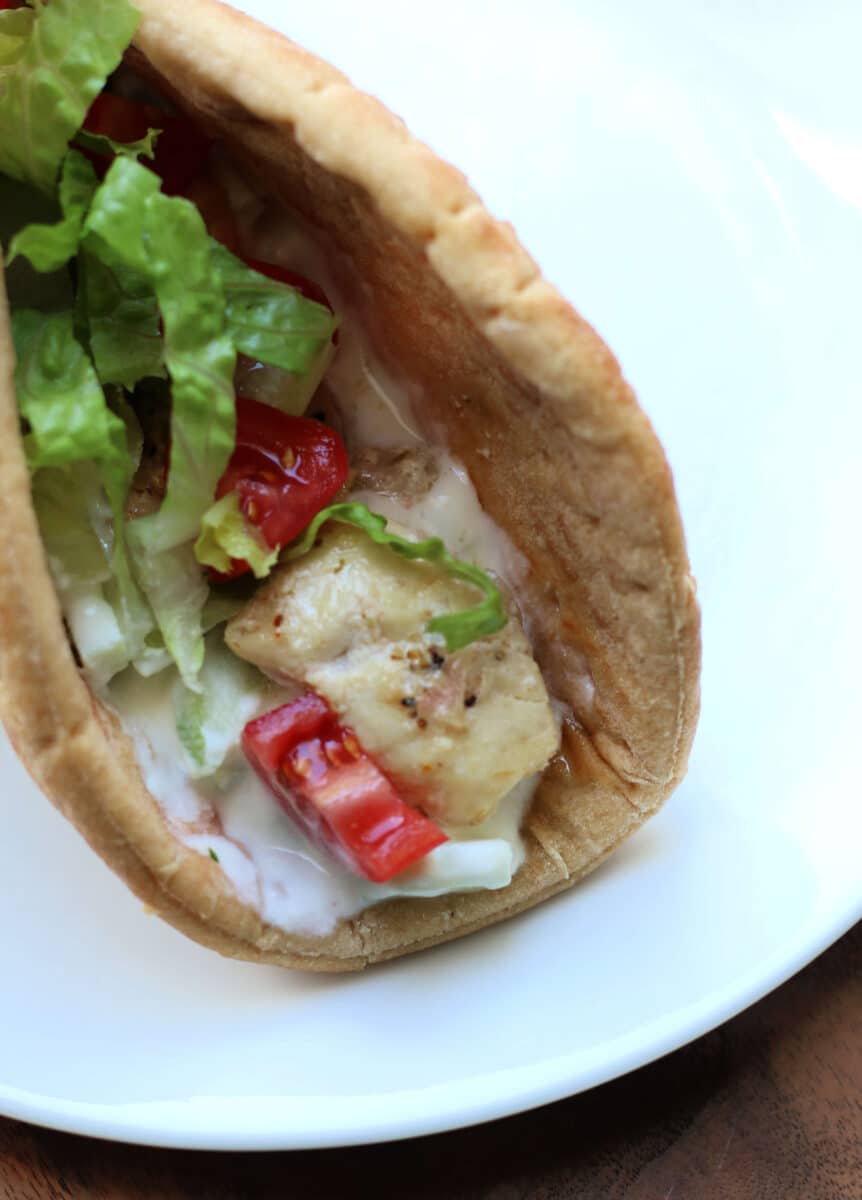
- Pita Warming: To achieve a professional finish, the pita bread should be lightly toasted or warmed in the oven during the final minutes of the chicken’s cooking time. This increases the elasticity of the bread, preventing it from tearing during assembly.
Conclusion and Future Outlook
The Summertime Sheet Pan Chicken Gyro is more than a simple recipe; it is a synthesis of traditional flavor and modern logistical efficiency. It addresses the contemporary need for healthy, cost-effective, and rapid meal solutions while honoring the nutritional principles of one of the world’s most respected diets.
As home cooking technology continues to evolve—with the integration of smart ovens and advanced air-frying capabilities—it is likely that the sheet pan method will remain a foundational technique. The enduring popularity of the chicken gyro suggests that as long as consumers value the intersection of health, flavor, and convenience, Mediterranean-inspired sheet pan meals will remain a staple of the modern culinary repertoire. The data indicates a clear trajectory: the future of home dining is centered on the simplification of complex global flavors into manageable, nutritious, and repeatable formats.
