
The 1970s marked a transformative period for the American fast-food landscape, a decade characterized by unprecedented expansion, innovative menu additions, and the cementing of iconic brands in the national consciousness. As the decade unfolded, fast-food chains moved beyond their initial novelty to become deeply ingrained in the fabric of daily American life. Drive-thrus became more prevalent, catchy jingles filled the airwaves, and the convenience and affordability of quick-service meals made them a go-to option for families and individuals alike. While many of the chains and their core offerings from this era persist today, the menus of the 1970s also featured a number of beloved items that have since faded into culinary history, leaving behind a trail of fond memories and nostalgic cravings. This look back explores some of the most significant and fondly remembered fast-food creations that defined the gastronomic trends and consumer habits of the 1970s.
The Rise of the Fast-Food Empire
The 1970s were a golden age for fast-food conglomerates. Following the rapid growth of the 1960s, companies like McDonald’s, Burger King, and Wendy’s solidified their national presence. This expansion was fueled by demographic shifts, increased car ownership, and a growing demand for convenient meal solutions. The economic climate of the 1970s, marked by periods of inflation and recession, also made the affordability of fast food an attractive proposition for many households. The introduction and widespread adoption of the drive-thru service model revolutionized how consumers interacted with these establishments, offering unparalleled speed and convenience. Advertising campaigns became more sophisticated, employing memorable mascots and jingles that embedded brand loyalty in the minds of a new generation of consumers. This era wasn’t just about selling food; it was about creating an experience and a brand identity that resonated with the American public.
Iconic Flavors That Shaped a Generation
McDonald’s Big Mac: A Double-Decker Legend
The McDonald’s Big Mac, introduced nationally in 1968, truly hit its stride in the 1970s, becoming a flagship item for the Golden Arches. This towering creation, featuring two all-beef patties, special sauce, lettuce, cheese, pickles, and onions, all nestled between three sesame seed buns, was a revolutionary concept at the time. Its unique construction and the proprietary "special sauce" – a creamy, tangy blend that many have tried to replicate – made it instantly recognizable and highly desirable.
The 1970s saw significant marketing efforts bolster the Big Mac’s fame. The introduction of Officer Big Mac, a character with a giant Big Mac for a head, added a whimsical touch to advertising, particularly appealing to younger audiences. In 1974, the iconic "Two all beef patties, special sauce, lettuce, cheese, pickles, onions on a sesame seed bun" jingle was released, a catchy tune that became deeply ingrained in popular culture and is still recognized by many who grew up in that era. This jingle not only reinforced the product’s ingredients but also its memorable name. The Big Mac’s enduring appeal lies in its consistent recipe; while minor tweaks to the sauce have occurred over the decades, the core formula has remained remarkably stable, a testament to its original design’s success. By the end of the 1970s, the Big Mac was not just a menu item; it was a cultural phenomenon.
McDonald’s McDonaldland Cookies: A Sweet Taste of Fantasy
The whimsical world of McDonaldland, launched in the early 1970s, provided fertile ground for creative marketing and beloved menu items. Ronald McDonald and his colorful cast of characters, including Mayor McCheese and Grimace, became household names, appearing in countless television commercials. It was from this imaginative universe that McDonald’s introduced McDonaldland cookies in 1974, often distributed as part of the Happy Meal.
These cookies, shaped like the faces of the McDonaldland characters, were a hit with children. Their simple, buttery, and slightly sweet profile, often described as having a texture akin to shortbread with a hint of lemon, made them a highly anticipated treat. The advent of the Happy Meal in 1979, which included a toy and these distinctive cookies, cemented their status as a childhood favorite. Online forums and social media platforms frequently feature discussions and expressions of nostalgia for these discontinued treats, with many users recalling their addictive crunch and the joy they brought. McDonald’s eventually discontinued McDonaldland cookies in the early 2000s, a decision driven by a broader corporate shift towards healthier menu options and a desire to reduce sugar content in children’s meals. Despite their absence for over two decades, the memory of these character-shaped cookies continues to evoke warm feelings for a generation.
Taco Bell’s Enchirito: A Tex-Mex Fusion Pioneer
Taco Bell, which began its expansion in the 1960s, continued to innovate its menu throughout the 1970s. The Enchirito, a fusion of an enchilada and a burrito, debuted during this transformative decade, offering a unique blend of flavors and textures. This dish featured a soft flour tortilla filled with seasoned beef, refried beans, and onions, all then generously smothered in a rich red enchilada sauce and topped with melted cheddar cheese.
The Enchirito enjoyed a significant run on Taco Bell’s menu, remaining a popular choice for over two decades before its initial discontinuation in 1993. However, customer demand for the item remained high, leading to its reinstatement in 2000. It continued to be a menu staple for another 13 years before being removed again. The item has seen intermittent reappearances, including a brief return in 2023 and another in June 2026, highlighting its enduring popularity among a dedicated fanbase. Early iterations of the Enchirito reportedly included black olives, a component that has been absent in more recent versions. Critiques of the modern Enchirito often point to a less flavorful sauce and a tougher tortilla compared to the original, suggesting that while the concept remains appealing, the execution may have faltered over time. The recurring pattern of the Enchirito’s removal and subsequent return underscores its significant cult following and its place as a nostalgic favorite for many Taco Bell patrons.
Wendy’s Frosty: A Creamy Classic Endures
When Wendy’s opened its doors in 1969, the Frosty was one of the foundational items on its menu, quickly establishing itself as a signature treat. This distinctive dessert, a unique hybrid between a milkshake and soft-serve ice cream, offered a smooth, luscious texture and a subtle blend of chocolate and vanilla flavors. The original chocolate Frosty was an immediate success and has remained a constant on Wendy’s menu for over half a century.
The enduring popularity of the Frosty is evident in the sheer volume of sales; Wendy’s reports selling approximately 300 million Frostys annually. The chain’s commitment to the original recipe is a key factor in its sustained appeal. It wasn’t until 2006 that Wendy’s expanded its Frosty offerings to include a vanilla flavor, a move that proved popular. Since then, the menu has seen a variety of seasonal and limited-edition flavors, including peppermint, pumpkin spice, and orange creamsicle. A comprehensive tasting and ranking of these Frosty variations by Tasting Table highlighted the Oreo Brownie Twist Chocolate Frosty Fusion as a standout, praised for its balanced combination of airy soft serve, rich brownie batter, and cookie pieces. The Frosty’s consistent presence and its ability to adapt with new flavors while retaining its core identity showcase its remarkable staying power in the fast-food dessert market.
Taco Bell’s Green Burrito: A Zesty Departure
Another notable contribution from Taco Bell during the 1970s was the Green Burrito. This offering presented a more adventurous flavor profile compared to many standard fast-food options. The Green Burrito consisted of a flour tortilla filled with refried beans, onions, and shredded cheese, but its defining characteristic was the inclusion of a vibrant verde sauce. This sauce, made from tomatillos, chilis, and spices, provided a tangy and mildly spicy counterpoint to the savory fillings, making it a memorable choice for those seeking a bit more zest.
The Green Burrito was a sensation in its prime but was eventually discontinued in the early 2000s. However, its popularity persisted among devoted fans who discovered a way to recreate it using Taco Bell’s secret menu. By ordering a bean burrito and requesting green tomatillo sauce on the side, customers could achieve a close approximation of the original. In 2024, Taco Bell’s "Decades Menu" brought back the Green Burrito for a limited time, much to the delight of nostalgic customers. Unfortunately, the revival did not entirely meet expectations. Feedback indicated that the portion size was smaller than remembered, and some found the sauce to be lacking. Interestingly, some reviewers noted that the secret menu hack remained a more cost-effective and perhaps even more satisfying way to enjoy the Green Burrito’s flavor profile. This highlights the challenge of replicating beloved, long-lost items and the power of collective memory in shaping consumer perception.
Burger King’s Whopper: The King of Flame-Grilled
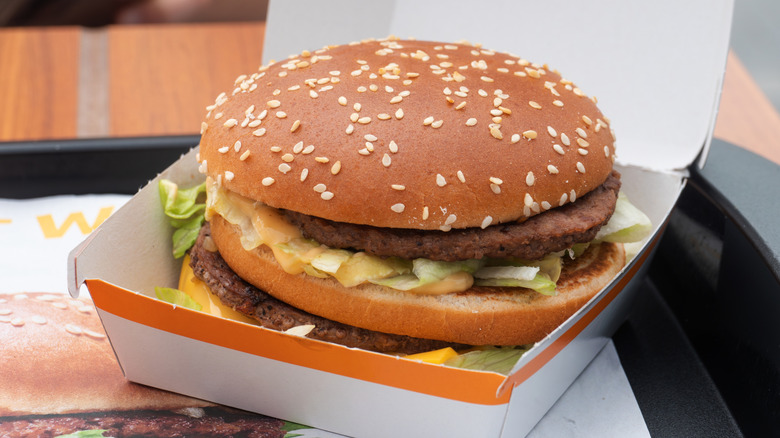
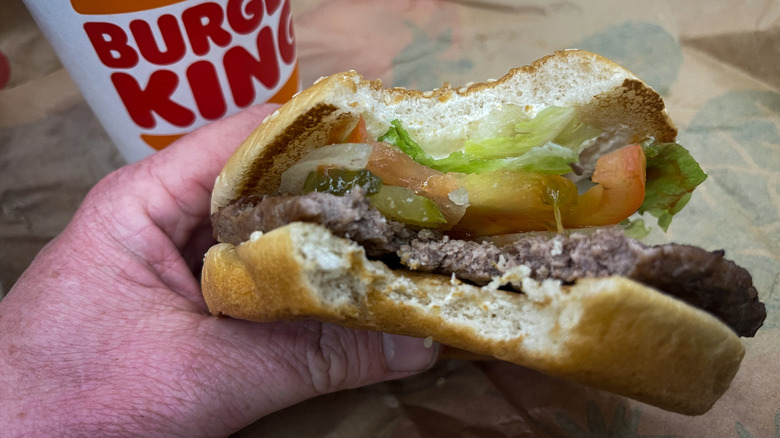
The Burger King Whopper, a true icon of the fast-food industry, has been a cornerstone of the chain’s menu since its introduction in 1957. Designed to be a larger, more substantial burger than competitors offered, the Whopper’s appeal lies in its flame-grilled beef patty, sesame seed bun, and generous array of fresh toppings, including ketchup, mayonnaise, lettuce, pickles, and onions. Its success was instrumental in Burger King’s expansion throughout the 1960s and 1970s, positioning it as a primary rival to McDonald’s.
A key factor in the Whopper’s enduring popularity is its customizability. Diners have always been able to tailor their Whopper by adding or omitting toppings, a level of personalization that resonates with a broad customer base. The flame-grilling process imparts a distinctive smoky flavor that differentiates it from burgers cooked on a flat-top grill. The 1970s saw variations on the Whopper theme, including the Double Meat Whopper, which added an extra patty for those seeking a more substantial meal, and a version that substituted mustard for mayonnaise, offering a tangier alternative. Today, the Whopper family continues to evolve, with options like the Whopper Jr. for a lighter bite, the bacon and BBQ Whopper for a richer flavor, and the plant-based Impossible Whopper, catering to diverse dietary preferences while maintaining the classic Whopper experience.
Burger Chef’s Big Shef: A Rival to the Giants
While perhaps not as universally recognized today as McDonald’s or Burger King, Burger Chef was a formidable presence in the American fast-food scene during the 1970s. Originating in Indianapolis in 1958, the chain experienced its zenith in the 1970s, boasting over 1,000 locations, rivaling McDonald’s in scale at the time. Burger Chef ultimately ceased operations in 1996, fading from the fast-food landscape.
One of Burger Chef’s most celebrated menu items was the Big Shef. This burger bore a striking resemblance to the McDonald’s Big Mac, featuring two beef patties, cheese, shredded lettuce, and a "special sauce," all served on a three-part bun. The Big Shef garnered a dedicated following, with former customers frequently expressing deep nostalgia for its taste and quality. Online discussions often highlight the Big Shef’s superior flavor and Burger Chef’s commitment to using fresh ingredients. The specific recipe for its "special sauce" remains a subject of longing for many who remember it fondly. The absence of Burger Chef means that the Big Shef exists now only in the memories of those who experienced it during its heyday.
Arthur Treacher’s Fish and Chips: A Taste of Britain Across America
Arthur Treacher’s brought a taste of British seaside tradition to the American fast-food market when it launched in 1969. Founded by entrepreneurs aiming to popularize fish and chips, the chain utilized a recipe purportedly sourced from London’s very first fish and chip shop. The core offering was crispy, golden-fried cod served alongside thick-cut fries (chips), a simple yet delicious combination that quickly gained traction.
The 1970s saw Arthur Treacher’s experience rapid expansion, growing to over 800 locations by the end of the decade. Beyond its signature fish and chips, the chain also offered popular hushpuppies – deep-fried, seasoned cornmeal balls with a crisp exterior and a fluffy interior. However, the rising cost of cod in the late 20th century presented significant financial challenges for the company. Coupled with increased competition, this led to widespread closures. Today, only three Arthur Treacher’s restaurants remain, all located in the Cleveland, Ohio area. For many, the chain’s distinctive crispy fish and the essential accompaniment of malt vinegar remain cherished memories, with frequent calls on social media platforms for its return.
The Red Barn: Barn-Shaped Charm and Savory Chicken
The Red Barn, a fast-food chain known for its distinctive barn-shaped architecture, emerged in Ohio in 1961 and expanded to over 300 locations across 19 states. By the late 1970s, it was a significant competitor to larger chains like McDonald’s and Burger King. However, a change in company ownership in the late ’70s preceded its eventual demise in 1988.
While The Red Barn offered burgers like the Big Barney (a Big Mac equivalent) and the Barnbuster (comparable to the Whopper), its fried chicken was particularly acclaimed and is now one of its most missed menu items. Praised for its tender-crisp texture and a unique, savory seasoning blend, many former customers consider it superior to competitors like KFC. Online communities dedicated to The Red Barn often feature discussions on how to recreate the beloved chicken recipe at home. The memories of enjoying the chicken, sometimes on an all-you-can-eat basis, alongside crispy fries and creamy slaw, continue to fuel nostalgia for this once-popular chain.
The fast-food landscape of the 1970s was a dynamic environment that laid the groundwork for many of the industry trends we see today. The items highlighted above represent not just culinary offerings but cultural touchstones that evoke powerful memories and demonstrate the lasting impact of these early fast-food innovations on American society.
