
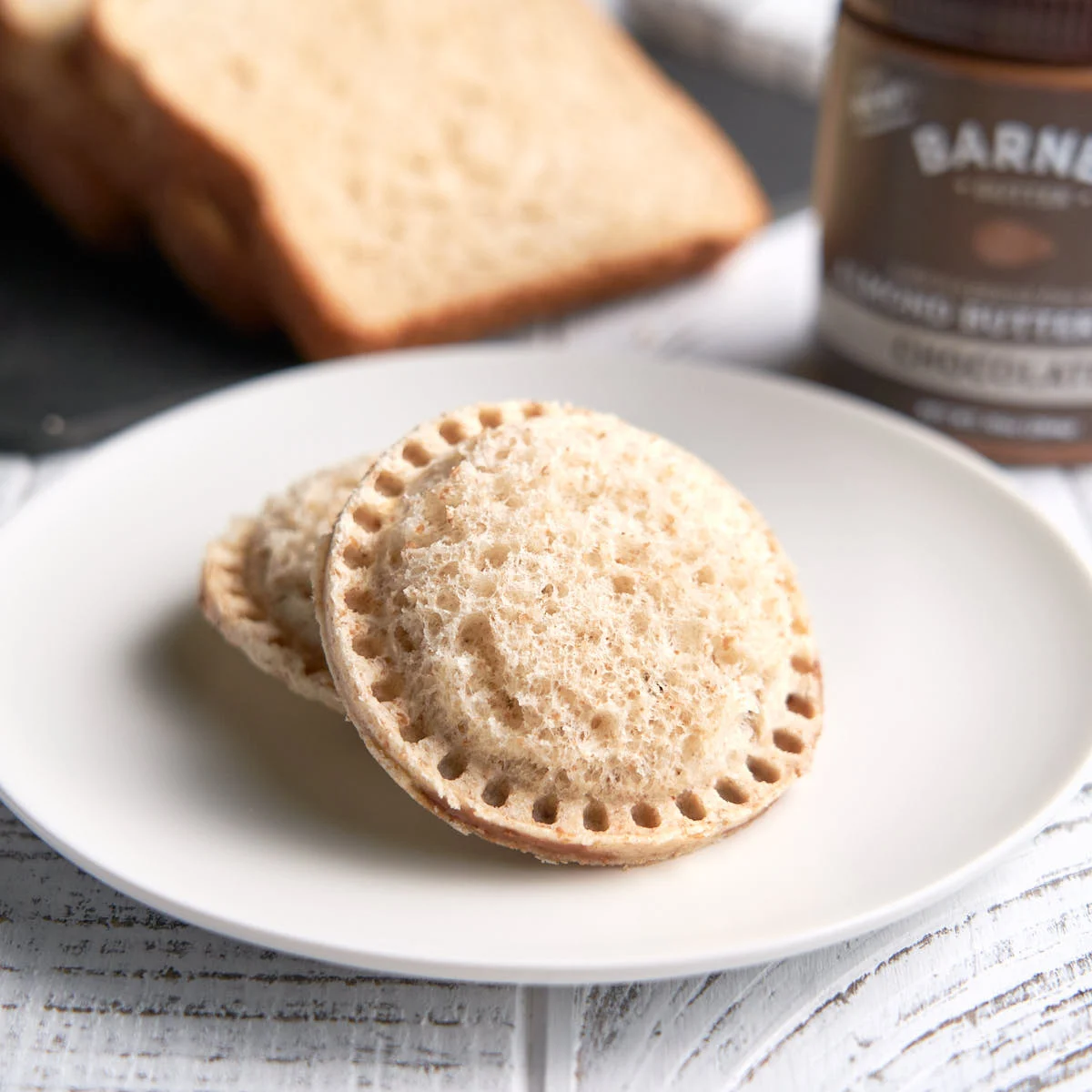
The realm of convenient, pre-packaged snacks often leaves consumers seeking a more wholesome and customizable alternative. This is precisely where the homemade Uncrustable, particularly the chocolate variety, emerges as a compelling option. Leveraging readily available kitchen tools and carefully selected ingredients, families can recreate this beloved treat with enhanced nutritional profiles and superior flavor. This article delves into the process of crafting superior homemade chocolate Uncrustables, exploring ingredient choices, essential tools, and practical tips for achieving a professional-quality result.
The Appeal of the Homemade Uncrustable
The appeal of the Uncrustable lies in its ingenious design: a sealed sandwich that eliminates messy fillings and offers a perfectly portioned, portable snack. For many households, particularly those with children, the store-bought version has become a staple. However, concerns regarding sugar content, artificial ingredients, and ingredient transparency often lead parents to seek homemade solutions. The advent of specialized sandwich cutters and sealers has democratized the creation of these treats, transforming ordinary bread and spreads into delightful, crustless pockets of flavor.

The Foundation: Choosing the Right Chocolate Spread
The success of a chocolate Uncrustable hinges significantly on the quality and composition of the chocolate spread used. While many commercially available options exist, a discerning approach can yield a product that is both delicious and more aligned with health-conscious eating.
Nutella, the ubiquitous chocolate-hazelnut spread, is often the benchmark for store-bought Uncrustables. Its rich flavor is undeniable, but its nutritional profile is frequently a point of concern. A typical serving of Nutella contains a substantial amount of added sugar – often exceeding 20 grams per serving – alongside palm oil and other ingredients that may not align with a health-focused diet.
An increasingly popular and highly recommended alternative for homemade chocolate Uncrustables is Barney Butter’s Almond Butter with Chocolate. This product offers a compelling combination of taste and nutritional benefits. Its smooth texture allows for easy spreading, and crucially, it boasts a significantly lower added sugar content, typically around 2 grams per serving. This dramatic reduction in sugar makes it a more suitable choice for breakfast or snacks, especially for children. The natural sweetness and creamy consistency of the almond butter, complemented by the chocolate, create a balanced flavor profile that many find superior to traditional chocolate-hazelnut spreads. Furthermore, almond butter provides valuable nutrients such as healthy fats, protein, and vitamin E, contributing to a more satisfying and energizing snack.

The Tool of Transformation: The Uncrustable Maker
To achieve the signature look and seal of a commercial Uncrustable, a dedicated sandwich cutter and sealer is essential. While a variety of these tools are available on the market, selecting the right one can ensure a consistent and appealing final product.
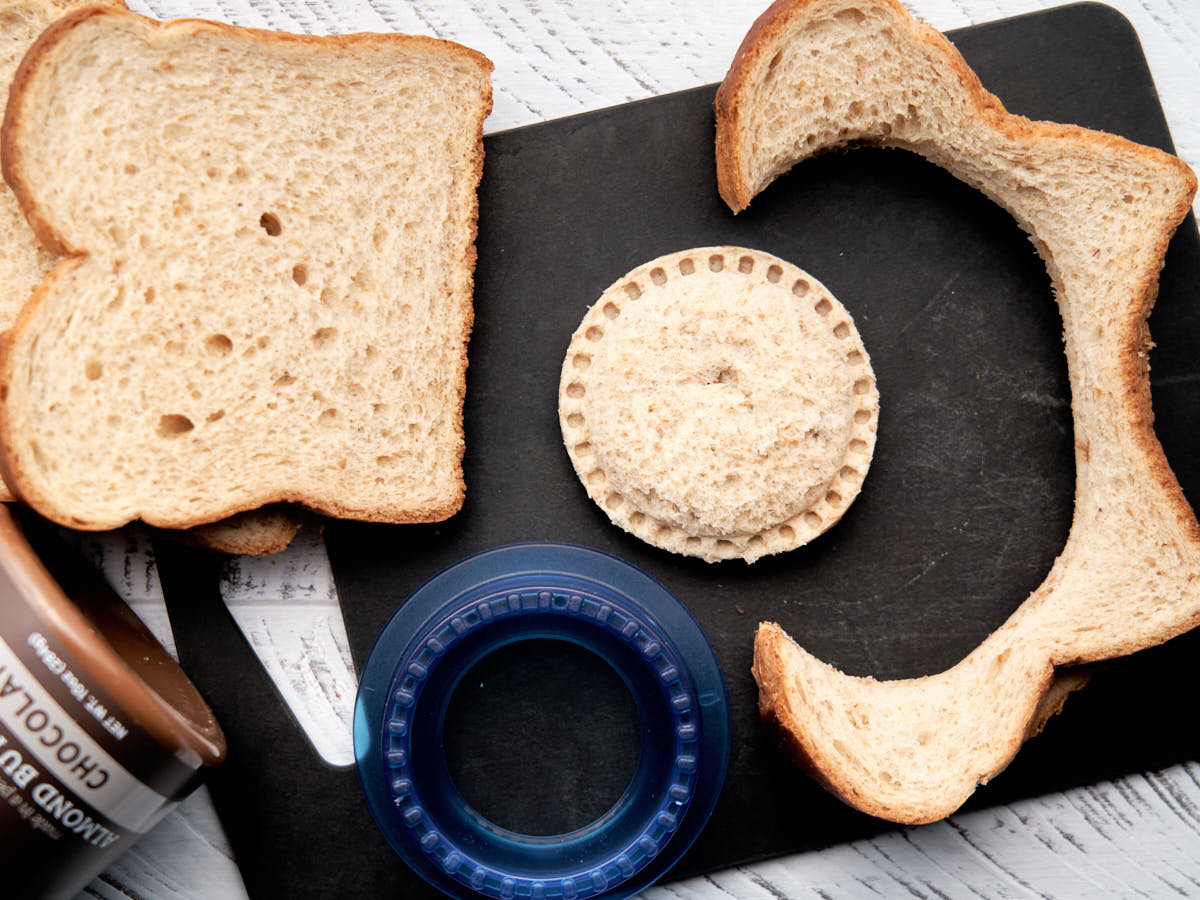
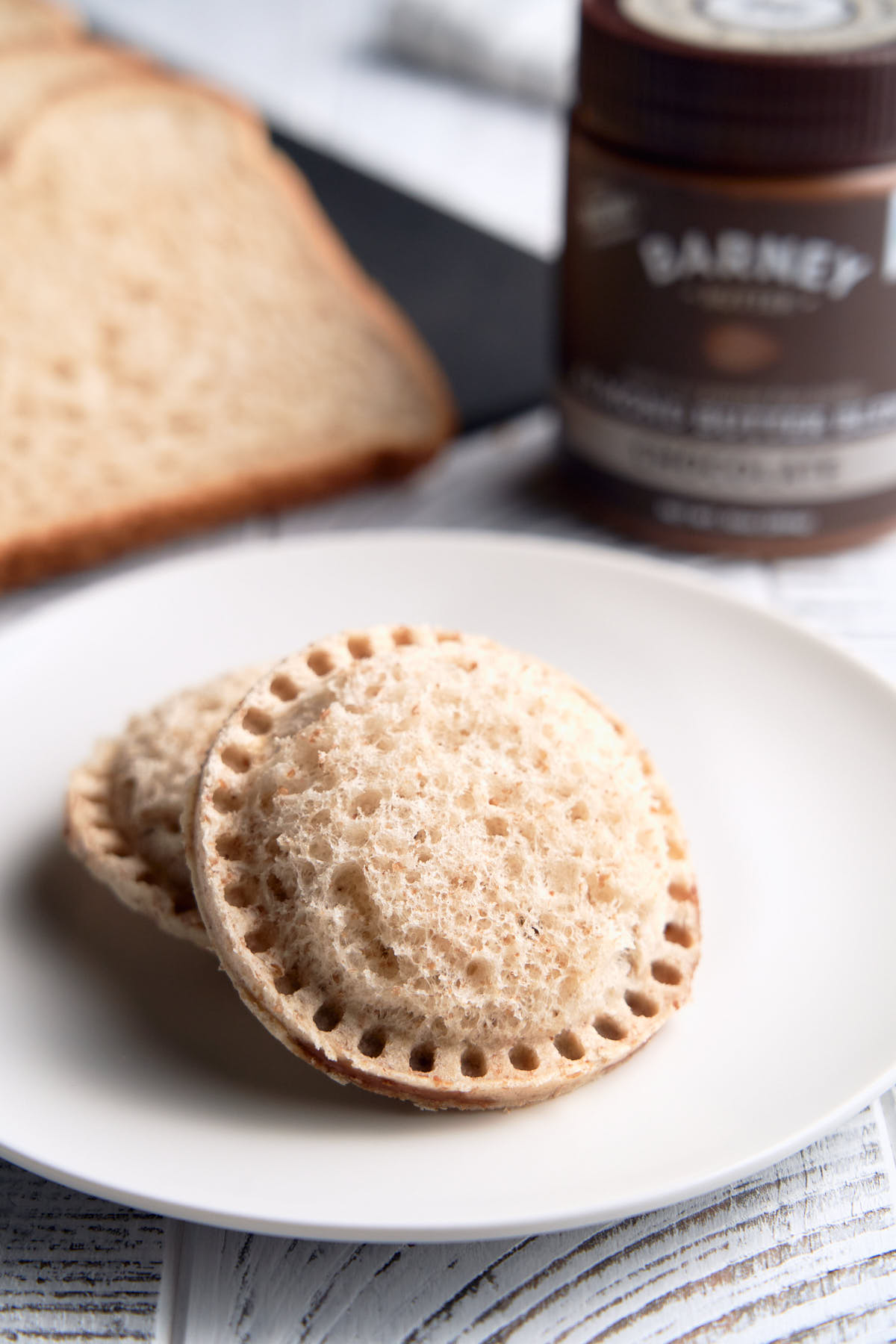
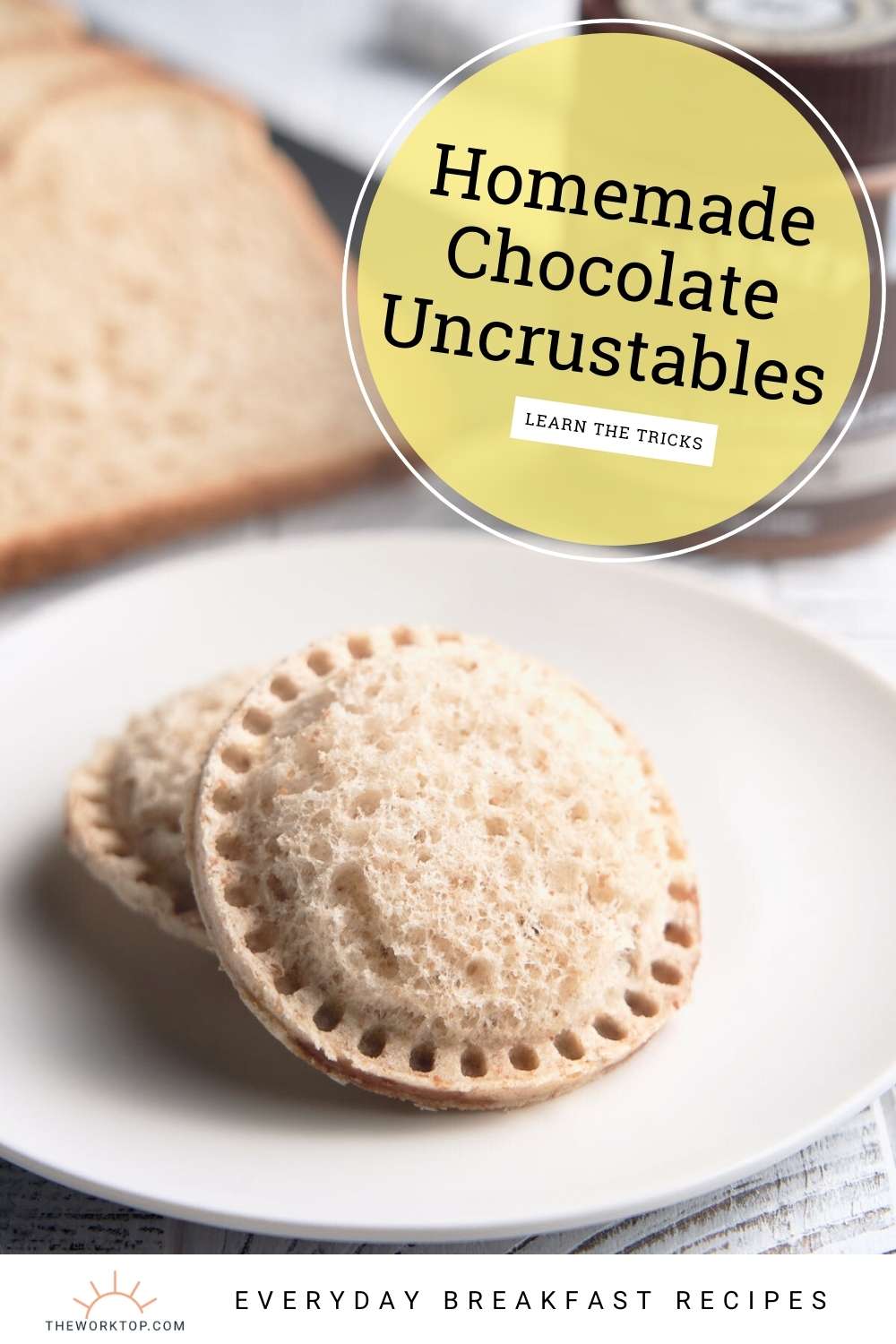
The most effective Uncrustable makers are those that replicate the classic Smucker’s Uncrustables design, featuring a distinct crimped edge. Some less refined models may produce a wavy or uneven seal, which can detract from the desired aesthetic and may not be as secure. A highly regarded option in this category is a model that provides a clean, circular cut for crust removal and a precise sealing mechanism. This two-step process—first cutting the crust with a plain circle cutter and then pressing the sealer mold to create the sealed edge—is straightforward and yields professional-looking results. The investment in a quality maker not only facilitates the creation of perfect Uncrustables but also adds an element of fun and engagement to the food preparation process.
The Art of Assembly: Crafting the Perfect Uncrustable
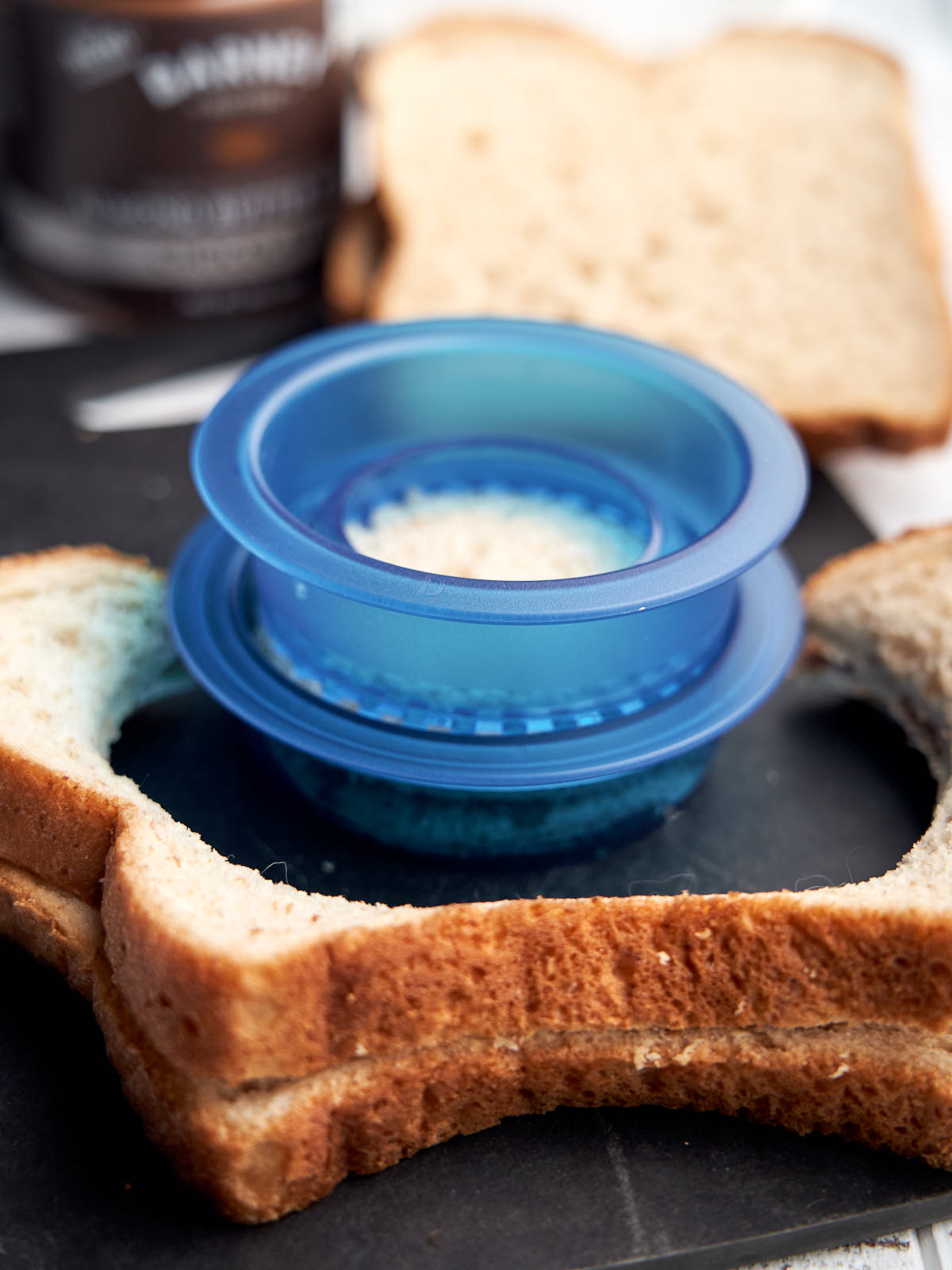
The process of making homemade chocolate Uncrustables is remarkably simple, yet a few key techniques can elevate the outcome.
-
Bread Selection: The choice of bread plays a crucial role. Soft, pliable breads are ideal. Varieties like Wonder Bread or Nature’s Own Honey Wheat tend to work exceptionally well because they resist splitting or cracking during the cutting and sealing process. While whole wheat breads are often preferred for their nutritional value, their denser texture can sometimes be less forgiving with sandwich cutters, potentially leading to the Uncrustable breaking open.
-
Mindful Filling Application: A common pitfall in Uncrustable creation is overfilling. It’s surprisingly easy for the filling to ooze out, especially when the sandwich is pressed. To prevent this, it is advisable to apply the chocolate spread sparingly. Instead of spreading it all the way to the edges of the bread, concentrate the filling in the center of the sandwich. This strategic placement ensures that the spread remains contained within the sealed area, preventing messy leaks onto the crimped edge or the exterior of the Uncrustable.
-
The Cutting and Sealing Technique: Once the bread is prepared with the filling, the Uncrustable maker is employed. The plain circle cutter is used first to remove the crusts, creating a neat, uniform circle. Following this, the sealer mold is pressed firmly onto the bread, effectively crimping and sealing the edges. This action creates the iconic pocket that defines the Uncrustable.
The Historical Context and Market Impact
The concept of the sealed sandwich, while popularized by Smucker’s, has roots in earlier food preservation and preparation techniques. The convenience factor, especially for packed lunches, has always been a driving force. The introduction of the pre-packaged Uncrustable in the late 1990s marked a significant moment in the convenience food market, catering to busy families and individuals seeking quick and easy meal solutions.
The rise of the homemade Uncrustable movement can be seen as a response to evolving consumer demands. Increased awareness of nutritional content, a desire for ingredient control, and the growing popularity of home cooking and baking have all contributed to its resurgence. The market for specialized kitchen gadgets that facilitate home production of previously store-bought items has also expanded, making tools like the Uncrustable maker more accessible and affordable. This trend aligns with a broader shift towards "DIY" food culture, where consumers seek to replicate their favorite convenience foods with healthier, more personalized ingredients.
Nutritional Considerations and Data Analysis
The nutritional advantages of the homemade chocolate Uncrustable, particularly when using a spread like Barney Butter’s Almond Butter with Chocolate, are significant. For instance, comparing the approximate sugar content:
- Nutella: Approximately 21 grams of added sugar per 2-tablespoon serving.
- Barney Butter Almond Butter with Chocolate: Approximately 2 grams of added sugar per 2-tablespoon serving.
This represents a reduction of over 90% in added sugar per serving. Beyond sugar, the almond butter-based spread offers a more favorable macronutrient profile, with healthy monounsaturated and polyunsaturated fats, and a decent protein content. This makes the homemade version a more satiating and nutritionally robust option, particularly for breakfast, where sustained energy is desired.
Broader Implications and Future Trends
The trend towards healthier, homemade versions of popular convenience foods like the Uncrustable reflects a larger consumer movement. As individuals become more informed about the impact of processed foods on their health, there is a growing demand for transparency and control over ingredients. This has led to:
- Increased demand for minimally processed ingredients: Consumers are actively seeking out products with shorter ingredient lists and recognizable components.
- Growth in the "health food" aisle: Retailers are responding by expanding their offerings of natural and organic spreads, snacks, and baking ingredients.
- The rise of food bloggers and influencers: Platforms dedicated to sharing recipes and tips for healthier eating have gained immense popularity, empowering home cooks to experiment and innovate.
- Potential impact on the convenience food industry: As more consumers opt for homemade alternatives, established convenience food manufacturers may face pressure to reformulate their products to meet these evolving health standards.
Conclusion
The homemade chocolate Uncrustable offers a delightful and practical solution for those seeking a healthier, tastier, and more customizable alternative to its store-bought counterpart. By carefully selecting a superior chocolate spread, investing in a quality Uncrustable maker, and adhering to simple assembly tips, families can effortlessly create these beloved treats in their own kitchens. This approach not only enhances the nutritional value but also provides a rewarding culinary experience, aligning with the growing consumer desire for wholesome, homemade goodness. The simplicity and satisfaction derived from crafting these perfect chocolate pockets underscore the power of home cooking in adapting popular snacks to meet modern health and taste preferences.
