
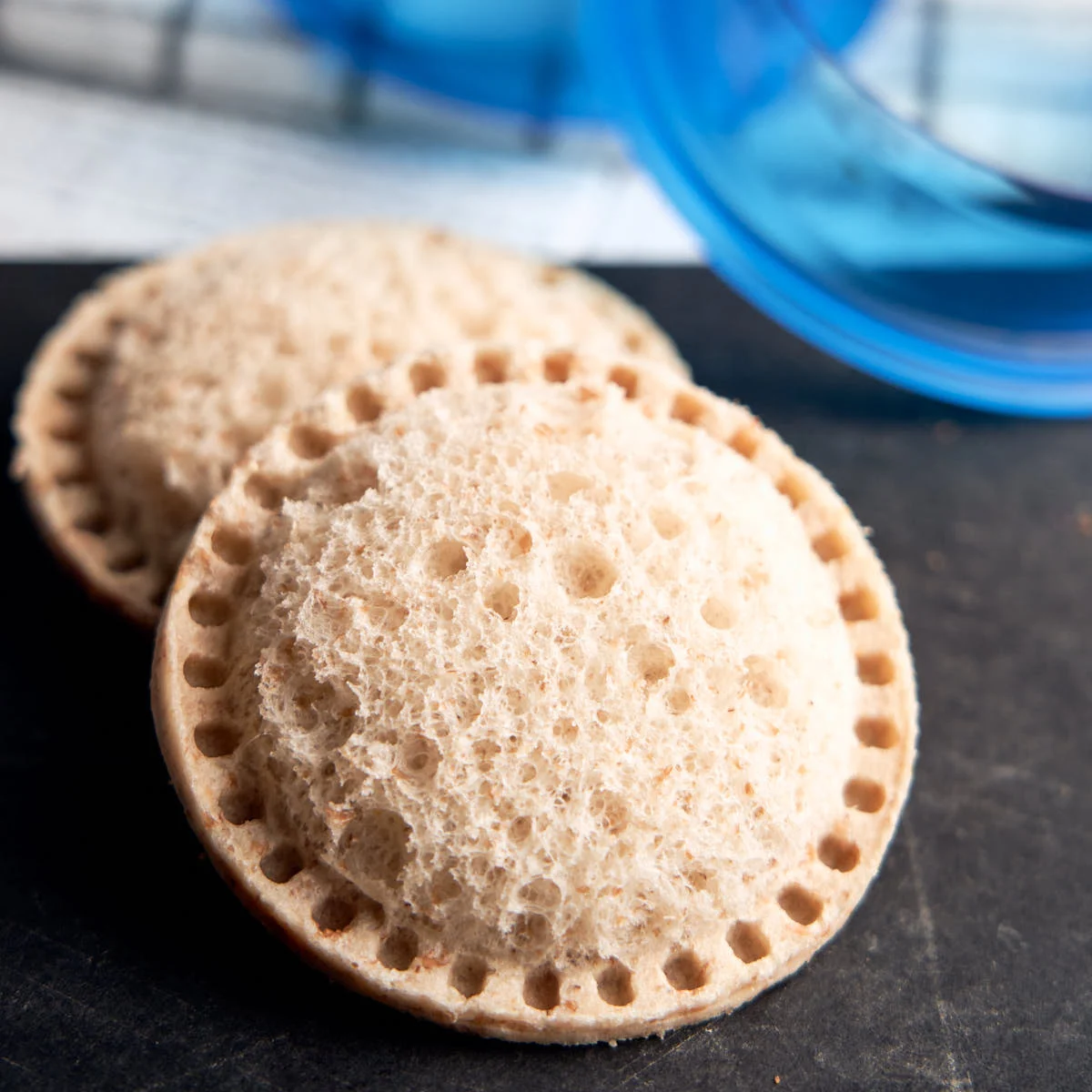
The simple yet beloved Peanut Butter and Honey Uncrustable, a staple for many lunchboxes, is now more accessible and beneficial to create at home. Recent analyses and culinary trends highlight the advantages of DIY versions, ranging from enhanced nutritional control to significant cost savings and a reduction in single-use plastic packaging. This homemade approach empowers consumers to tailor ingredients to their dietary needs and preferences, moving away from the processed formulations often found in commercially produced versions.
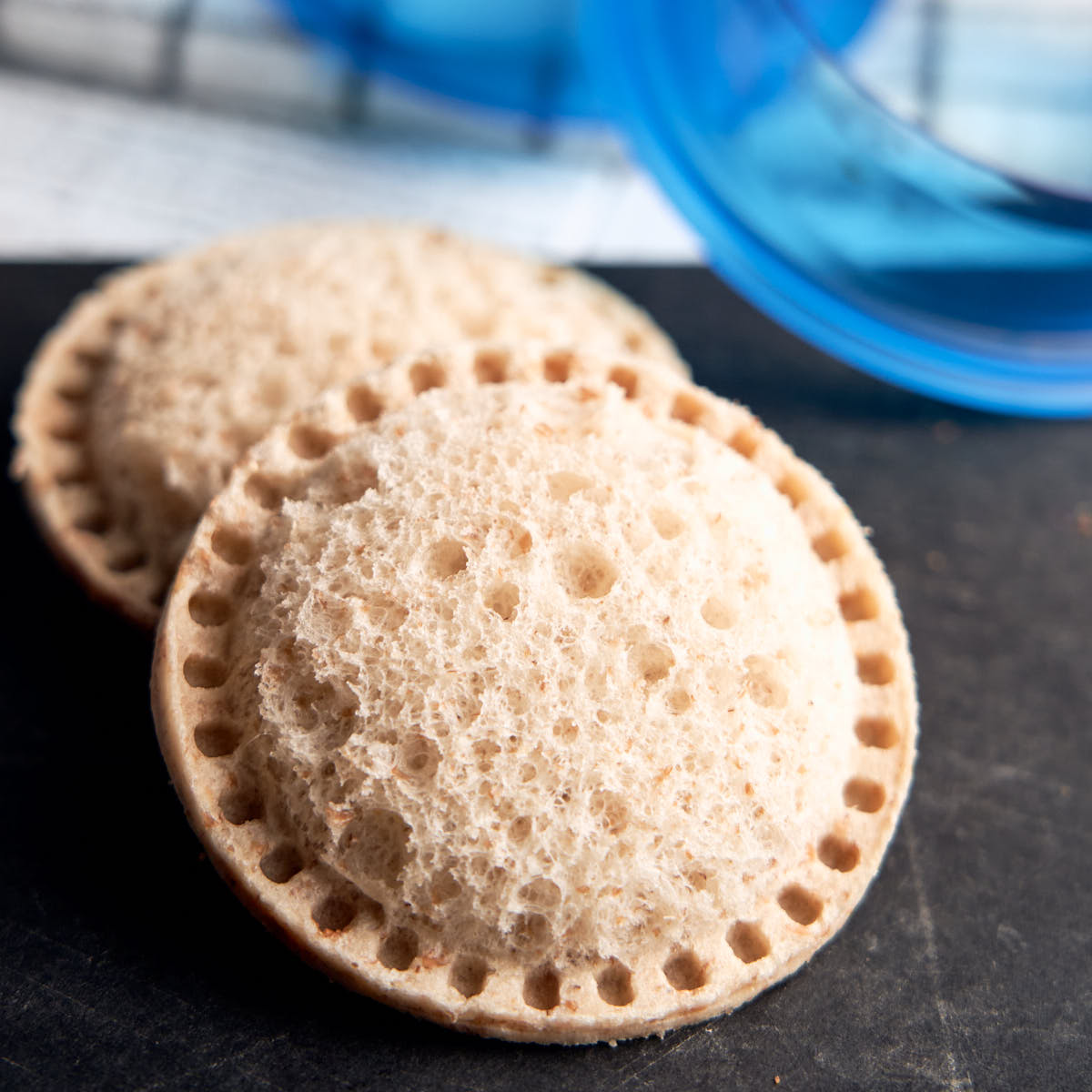
The Rise of the Homemade Uncrustable
The appeal of the Uncrustable lies in its convenient, crustless design and classic flavor combination. However, the growing awareness of ingredient lists and nutritional content has spurred interest in replicating this treat in home kitchens. A comparative look at store-bought versus homemade Uncrustables reveals key differences, primarily centered around ingredient quality and the presence of added sugars.
Commercial Uncrustables often feature a "honey spread" where sugar is listed as the primary ingredient, alongside added sugars in the peanut butter itself. This has led many families to seek alternatives that prioritize whole, less processed ingredients. The homemade approach allows for the selection of natural peanut butter, ideally with no added sugar, and pure honey, offering a cleaner nutritional profile.
Nutritional Advantages and Cost-Effectiveness
The health benefits of opting for a homemade Uncrustable are substantial. By controlling the ingredients, individuals can avoid high-fructose corn syrup and other artificial additives commonly found in processed foods. For instance, choosing a peanut butter where the only ingredients are peanuts and perhaps a touch of salt eliminates unnecessary sugars. Similarly, using pure honey provides natural sweetness without the empty calories of refined sugar.
Beyond health, the economic benefits are also noteworthy. The cost of individual store-bought Uncrustables can accumulate quickly, especially for families with multiple children. A batch of homemade Uncrustables, made with readily available pantry staples like bread, peanut butter, and honey, significantly reduces per-unit expenses. This cost-effectiveness, combined with the ability to make larger quantities at once, makes it an attractive option for budget-conscious households.
Furthermore, the environmental impact is a growing concern. Store-bought Uncrustables are typically individually packaged, contributing to plastic waste. By making them at home, families can reduce their reliance on single-use plastics, opting for reusable containers for storage and transport.
The "Uncrustable Maker" Phenomenon
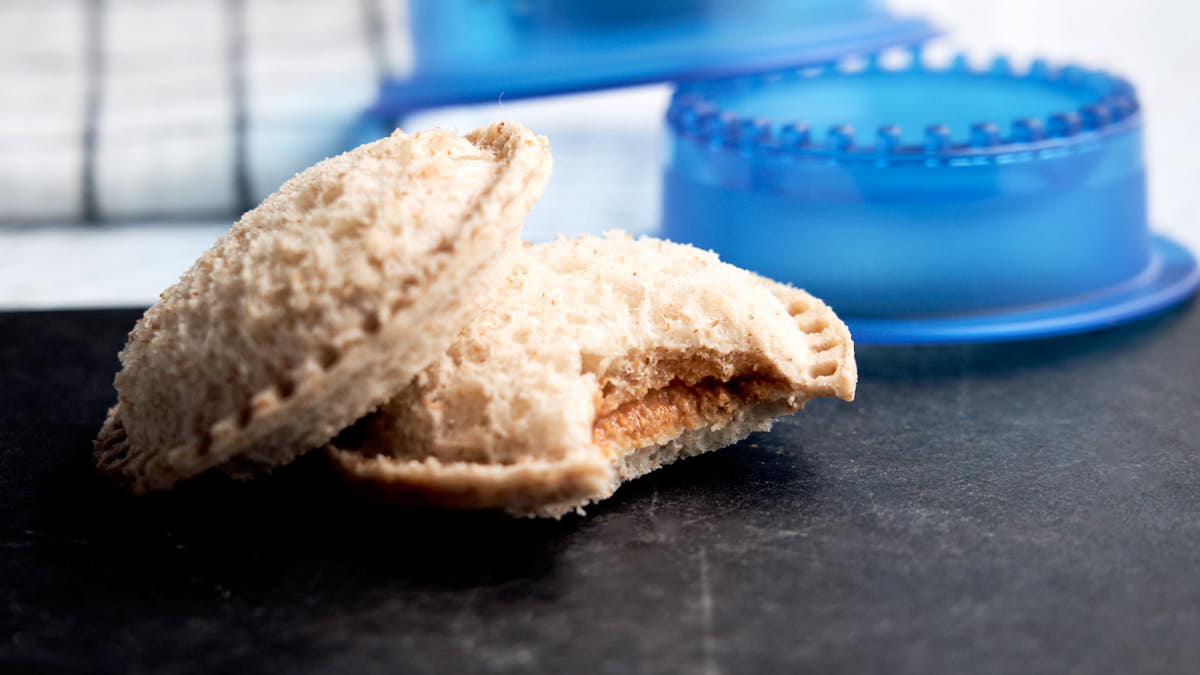
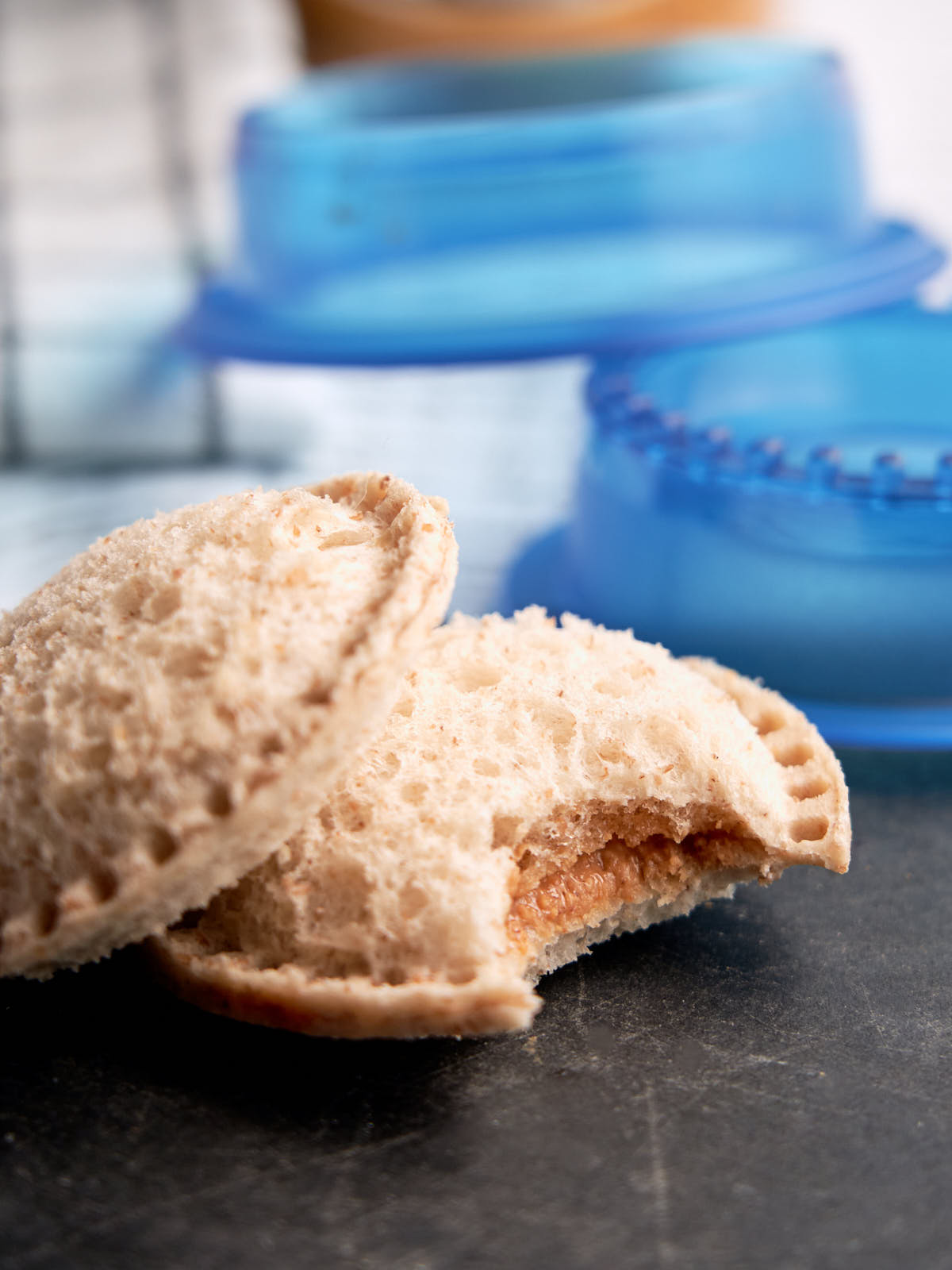
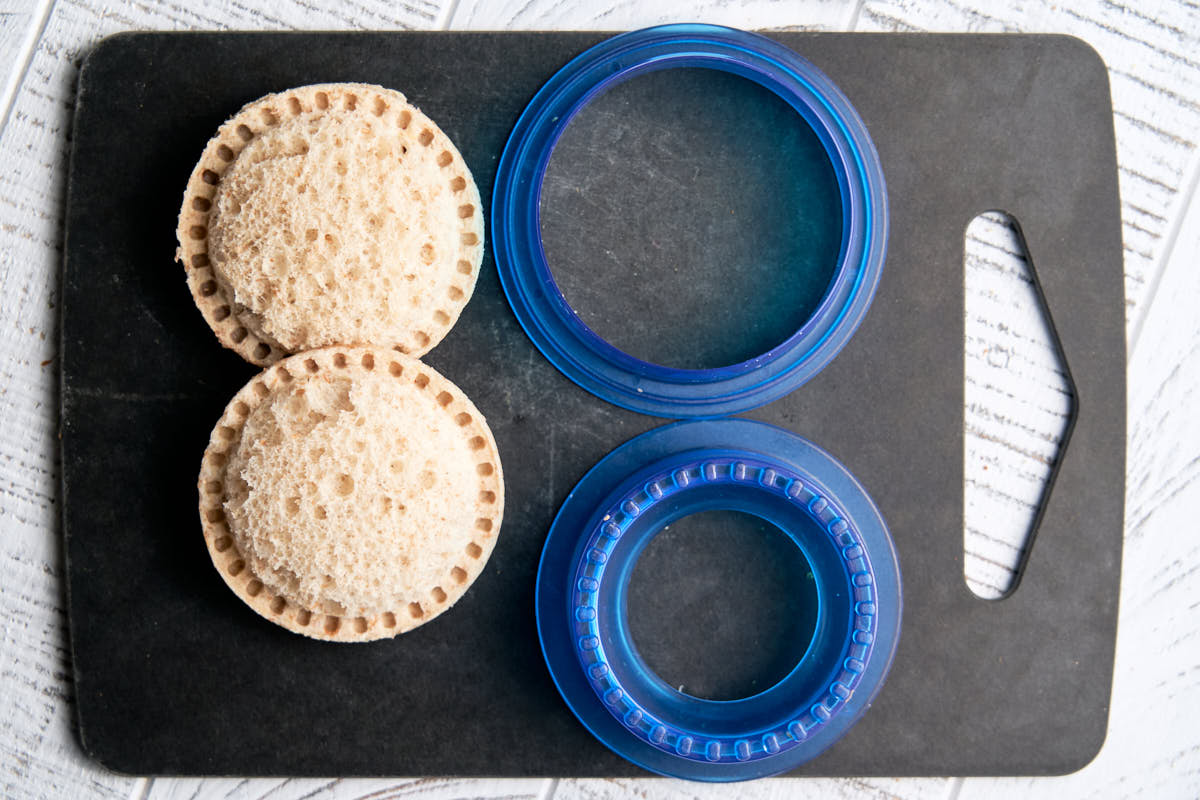
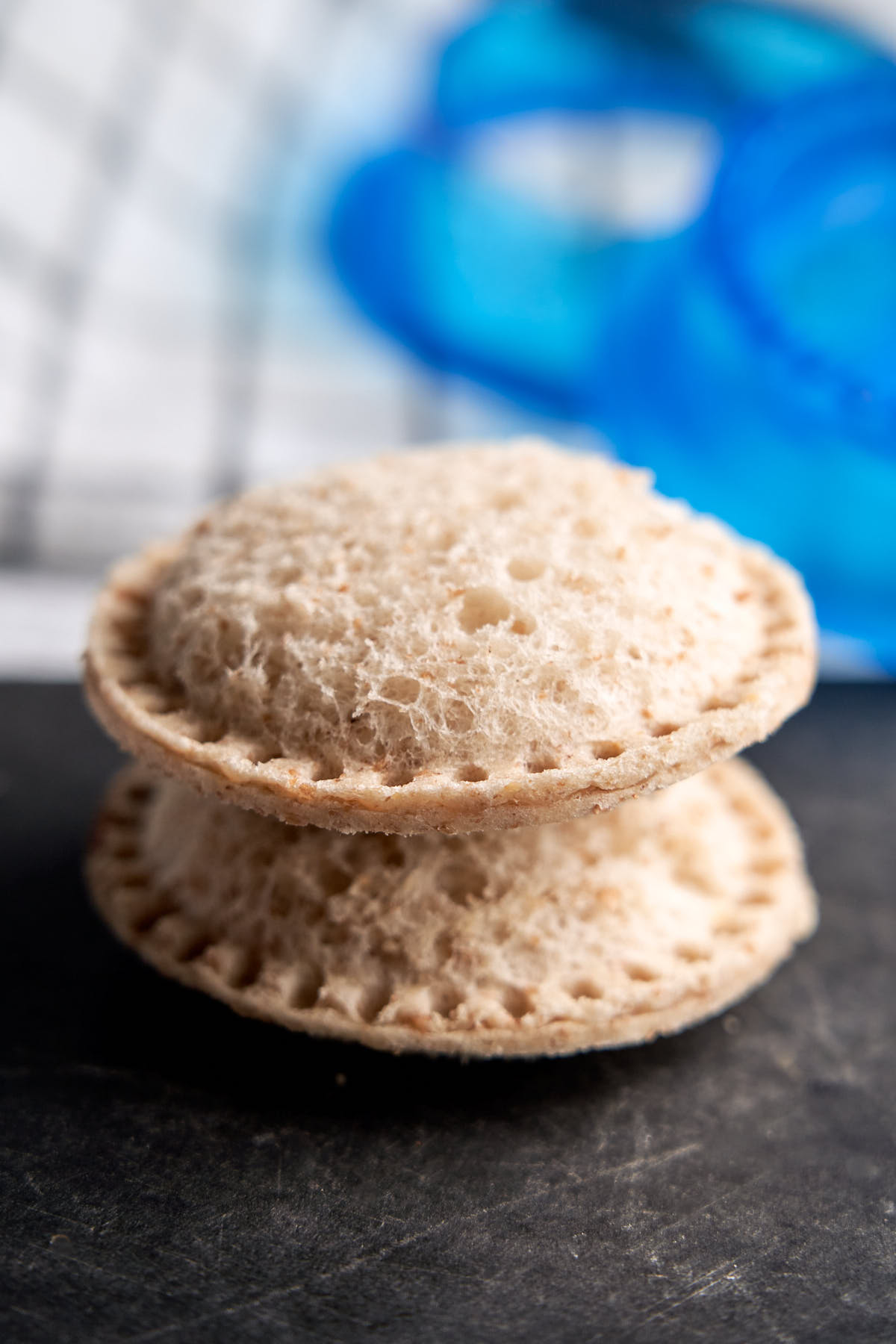
A key enabler of the homemade Uncrustable trend is the availability of specialized kitchen tools. The "Uncrustable maker," a sandwich cutter and sealer, has gained popularity for its ability to efficiently create the signature sealed edges of the popular snack. These tools typically consist of two parts: a cutter that removes the crusts and a sealer that crimps the edges of the bread together, ensuring the filling stays contained.
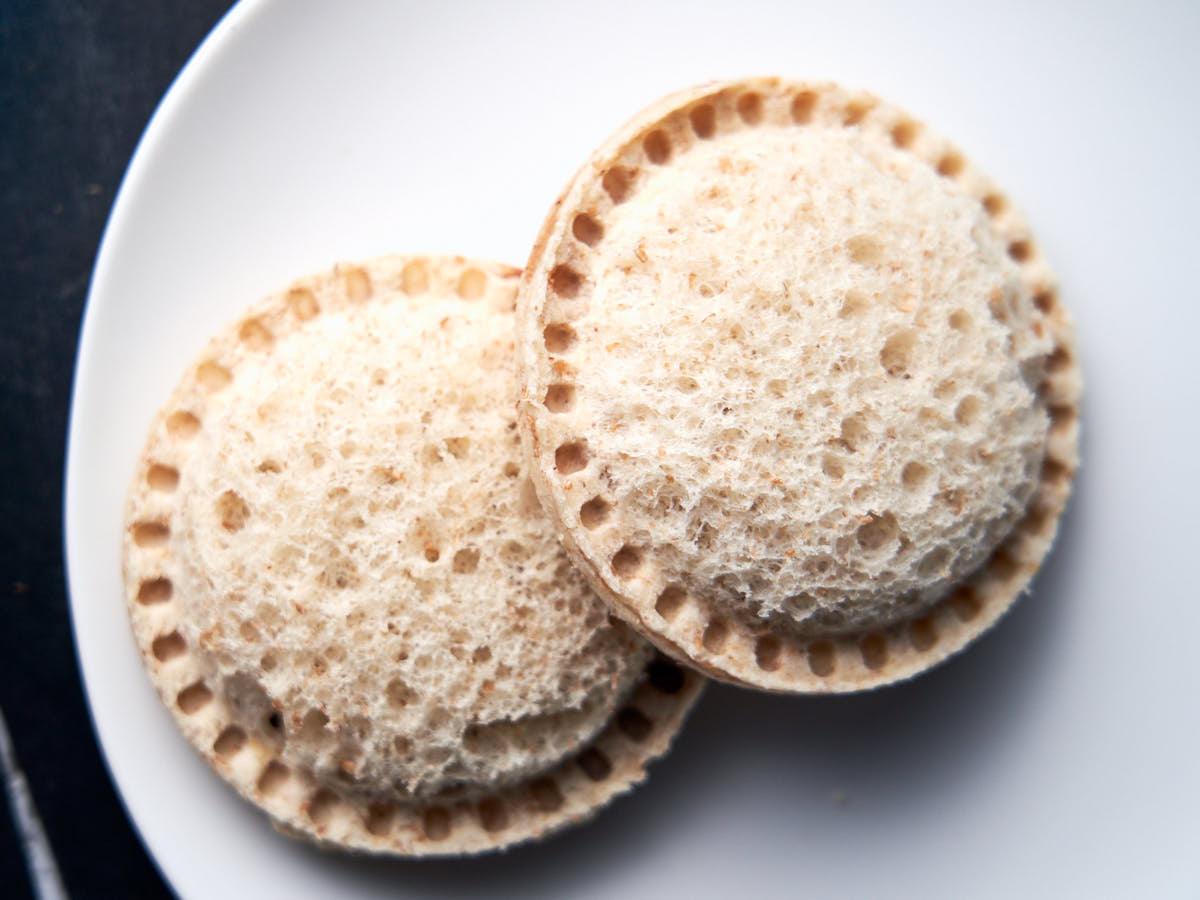
Online marketplaces, such as Amazon, offer a variety of these makers, with varying designs and functionalities. Consumer reviews often highlight models that replicate the classic Smucker’s Uncrustables edge shape, distinguishing them from tools that may produce a wavy edge. The widespread adoption of these tools underscores the desire for a convenient and aesthetically pleasing homemade product.
Beyond the Classic: Versatile Ingredient Options
While peanut butter and honey is a beloved combination, the versatility of the homemade Uncrustable extends to a wide array of fillings. This adaptability allows for catering to different tastes and dietary needs, including allergies and preferences.
- Nut Butter Variations: Beyond traditional peanut butter, almond butter, cashew butter, or sunflower seed butter can be used for those with peanut allergies or seeking different flavor profiles.
- Sweeteners: While honey is a popular choice, maple syrup or agave nectar can also be used as natural sweeteners.
- Fruity Additions: For a touch of fruitiness, a thin layer of fruit preserves, jam, or even mashed banana can be incorporated. It is advisable to use preserves with minimal added sugar for a healthier option.
- Savory Options: While less common for the "Uncrustable" format, experimenting with savory fillings like cream cheese and chives or thin slices of cheese could yield interesting results, though sealing may require a slightly different approach.
Addressing Leftover Bread Crusts
A common question arising from the homemade Uncrustable process is the fate of the removed bread crusts. Rather than discarding them, resourceful home cooks have found several practical and appealing uses:
- Croutons: Bread crusts can be cubed and pan-fried in olive oil or butter with herbs and spices to create homemade croutons. These add a delightful crunch to salads or can be enjoyed as a standalone snack. Popular seasoning combinations include garlic powder, onion powder, Italian herbs, and a pinch of salt.
- Breadcrumbs: By toasting the crusts lightly and then processing them in a food processor or blender, a coarse or fine breadcrumb mixture can be created. These breadcrumbs are useful for coating chicken or fish, adding texture to casseroles, or as a binder in meatballs.
- Direct Consumption: For those who enjoy the taste of bread crusts, they can simply be eaten as a snack, perhaps even as a light breakfast for children who might find two full slices of bread to be too much.
This mindful approach to food utilization aligns with principles of reducing food waste and maximizing the value of purchased ingredients.
Broader Implications and Consumer Trends
The popularity of homemade Uncrustables reflects a larger societal shift towards conscious consumerism. There is a growing demand for transparency in food production, a desire for healthier eating habits, and an increased emphasis on sustainable practices. By embracing DIY versions of popular convenience foods, consumers are not only taking control of their diets but also making choices that can benefit their wallets and the environment.
The accessibility of recipes and kitchen tools online further fuels this trend. Platforms dedicated to food blogs and social media provide a constant stream of inspiration and practical guidance, empowering individuals to explore new culinary endeavors. The "Uncrustable maker" serves as a tangible example of how simple kitchen gadgets can facilitate healthier and more economical food preparation at home, contributing to a more self-sufficient and informed approach to daily meals.
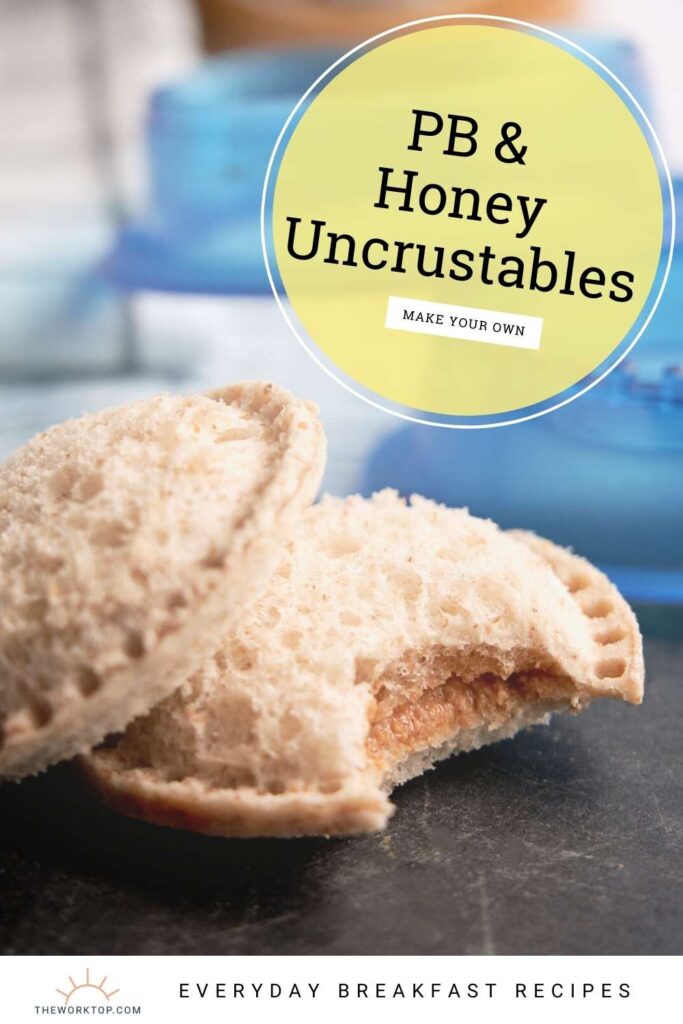
In conclusion, the humble Peanut Butter and Honey Uncrustable, when made at home, transforms from a convenience food into a testament to informed, cost-effective, and environmentally conscious food preparation. The ease of creation, coupled with the ability to customize ingredients, solidifies its position as a favored homemade treat for families seeking both taste and wellness.
