
Since its inception in the early 1980s, Culver’s has cultivated a loyal following, expanding from its Wisconsin roots to become a beloved fast-casual chain with over 1,000 locations across the United States. This steady growth, fueled by a commitment to fresh, made-to-order meals, particularly its signature ButterBurgers and frozen custard Concrete Mixers, has positioned Culver’s for further expansion. However, as the chain continues to welcome new patrons, employees are sharing insights into common customer behaviors that, while perhaps unintentional, can hinder the dining experience for both staff and fellow diners. A deep dive into discussions on platforms like Reddit reveals a consistent set of customer actions that Culver’s team members wish patrons would reconsider.
The Foundation of Culver’s Success: Quality and Customer Service
Founded by Craig and Lea Culver, along with Lea’s parents, George and Ruth Culver, in 1984 in Sauk City, Wisconsin, Culver’s was built on the principle of serving high-quality food with genuine hospitality. This ethos has remained central to its brand identity as it has grown. The chain is renowned for its made-to-order approach, meaning that unlike many fast-food establishments that rely on pre-prepared ingredients, Culver’s cooks its burgers and other items as they are ordered. This dedication to freshness is a cornerstone of its appeal, attracting a broad demographic, including those who appreciate a step above typical fast food. However, this commitment to quality also means that certain processes, particularly in the drive-thru, require a degree of patience from customers.
Operational Realities: What Staff Wish You Knew
The daily operations of a Culver’s restaurant, like any busy food service establishment, involve a delicate balance of efficiency, quality control, and customer interaction. While employees are trained to provide excellent service, certain customer habits can inadvertently create friction and inefficiency. These issues, often stemming from a lack of awareness of the operational demands, are frequently discussed within employee circles.
Tidiness and Respect: The Unspoken Expectations
One of the most frequently cited pet peeves among Culver’s employees revolves around the state of dining areas after customers have finished their meals. While no one expects patrons to perform a full clean-up, a basic level of consideration for the shared space is greatly appreciated.
- The Messy Table Dilemma: Numerous Reddit threads highlight the frustration of employees encountering tables left strewn with food wrappers, empty cups, sauce containers, and other remnants of a meal. This not only creates an unappealing environment for subsequent diners but also adds a significant workload for staff who are already managing other tasks. One employee expressed their internal dismay, stating, "I scream internally every time." Another perspective offered was, "It’s gotta be people who never worked fast food in [their] life thinking it’s just our job to clean after them." This sentiment suggests a disconnect between customer perception and the realities of restaurant operations, where shared responsibility for maintaining cleanliness is a key component of a positive dining experience.
- Consequences of Neglect: In some instances, employees have resorted to directly addressing customers who leave excessive messes. One Redditor shared, "High schoolers try that all the time by me. I just call out loud and make them come back to clean it," adding, "You have to embarrass them so they stop." This indicates that while employees aim for professionalism, persistent disregard for basic courtesy can lead to more direct interventions.
Navigating the Menu: Precision in Ordering
Culver’s boasts a distinctive menu with unique item names that are integral to its brand. Misunderstanding or misremembering these names can lead to confusion and, at times, frustration for both customers and staff.
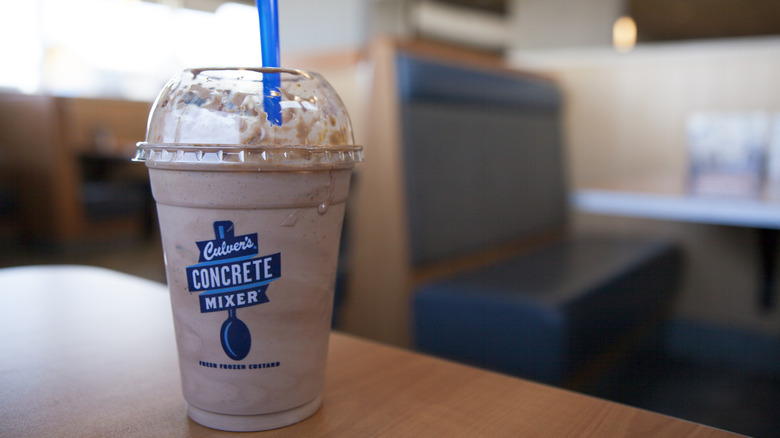
- The "Concrete Mixer" Conundrum: A particularly recurring issue is the misnaming of Culver’s signature frozen custard dessert, the Concrete Mixer. Employees express exasperation when customers refer to it as a "cement mixer," a term that is both inaccurate and, for some, a source of significant annoyance. One employee lamented that they "lose brain cells" with each such misnaming. Furthermore, customers often confuse Concrete Mixers with similar items from other chains, such as Dairy Queen’s Blizzards, Sonic’s Blasts, or McDonald’s McFlurries. This can lead to ordering errors and delays as staff attempt to clarify the correct item.
- Distinguishing "Concrete" from "Shake": Another point of contention is the confusion between a "Concrete" and a "shake." Employees emphasize that these are distinct offerings, and customers who order a "Concrete Shake" and then become upset when staff inquire about their preference often cause unnecessary friction. Clarity in ordering ensures accuracy and a smoother transaction.
The Final Countdown: Orders Near Closing Time
The end of a long shift can be a taxing period for any restaurant worker, and Culver’s is no exception. The influx of large orders just before closing time can significantly prolong the workday and impact employee morale.
- The "Feeding a Football Team" Scenario: Employees frequently express their dismay at customers placing substantial orders in the final minutes before closing. One poignant plea from a Reddit user summarized the sentiment: "Dear customers, please stop ordering enough food to feed 3 entire schools 5 minutes before we close, we just want to go home after a 12 hour shift." This is not an exaggeration; reports exist of orders for dozens of burgers, fries, and drinks placed mere minutes before the restaurant’s closing time, necessitating employees to stay well past their scheduled shifts.
- Impact on Staff Well-being: The cumulative effect of these late, large orders can lead to extended work hours, increased stress, and a diminished sense of work-life balance for the kitchen staff. This practice, while perhaps viewed by customers as simply getting a meal before the establishment closes, has tangible implications for the well-being of the employees.
The Virtue of Patience: A Scarce Commodity?
In a fast-paced world, the desire for immediate gratification is prevalent. However, in the context of Culver’s, where quality takes precedence, patience from customers is a virtue that significantly eases the burden on staff.
- The Impatient Diner: A common complaint among Culver’s workers is dealing with impatient customers. This manifests in various ways, from customers who repeatedly attempt to order after being asked to wait a few moments, to those who express frustration about waiting in line. One employee pointed out the logic: "When you see a huge line, and decide to stay in it, that’s on you, not me. We in the store have no control on how much the guest in front of you orders or how long they take to order. That is on your fellow Culver’s addict."
- Understanding the Process: The made-to-order nature of Culver’s food means that there will inherently be some wait time, especially during peak hours. This is a trade-off for the freshness and quality that customers seek. Understanding this operational reality can foster greater patience and a more positive interaction.
The Drive-Thru Dynamic: Communication and Courtesy
The drive-thru is a critical component of Culver’s customer service, and certain communication breakdowns can lead to unnecessary complications and stress.
- The Perils of Shouting: Employees report that being shouted at in the drive-thru, even if not intended aggressively, is a significant pet peeve. A common scenario involves customers raising their voices when their order isn’t immediately understood, despite the employee’s polite request for repetition. One worker shared, "My personal [favorite is] whenever I say ‘I’m so sorry could you repeat that?’ [on] drive and then they SCREAM AT ME. For no reason." This suggests that a calm and clear communication style is essential for effective interaction.
- Escalation of Rudeness: In more severe cases, rudeness and aggression can lead to employees refusing service. One Redditor stated, "I straight up say ‘I am not taking your order’ and walk away, go back and alert a manager and have them deal with it." This underscores the importance of respectful communication in all customer interactions.
The Greeting Ritual: A Matter of Respect
The initial moments of an interaction can set the tone for the entire experience. For Culver’s employees, a simple greeting can make a significant difference.
- Ignoring the Welcome: A quiet but pervasive annoyance for staff is when customers ignore their greeting and immediately rattle off their order. This can feel dismissive and lacking in basic courtesy. One employee expressed, "I want to strangle every guest that ignores drive-thru greeting and just rattles off their order immediately." They added, "I do my best to listen to you, I’d at least like the basic respect you try to listen to me too."
- The Name Game: The requirement to ask for customer names, while sometimes perceived as an unnecessary step by patrons, is a corporate directive aimed at ensuring order accuracy and improving the customer experience. Employees who are ignored when asking for a name can find the process more difficult and prone to error.
Streamlining the Drive-Thru: The Pull-Forward Protocol
The efficiency of the drive-thru is paramount, especially during busy periods. A simple action by customers can have a substantial positive impact.
- The "Pull Forward" Imperative: A consistent request from Culver’s employees is for customers to pull their vehicles completely forward into an empty space after placing their order. This action is crucial for several reasons. Firstly, it helps to alleviate congestion in the drive-thru lane, allowing subsequent vehicles to move more freely. Secondly, and critically, it directly impacts the drive-thru time metrics that are often tracked by management. Employees can be penalized for "taking too long for orders" if a customer fails to pull forward, forcing staff to repeatedly ask them to move, thereby inflating the time recorded for the order. This points to a systemic issue where customer actions have direct performance implications for employees.
The Diet Root Beer Dilemma: A Foamy Frustration
Even seemingly simple menu items can present unexpected challenges for restaurant staff.
- The Foamy Pour: While a popular choice for many, the diet root beer at Culver’s is reported by some employees to be notoriously difficult to pour without excessive foaming. Despite employing various techniques, including tipping the cup and swirling, the beverage can still emerge as a disproportionate amount of foam. This can be a time-consuming and frustrating aspect of order fulfillment, leading some employees to wish customers would opt for other beverages. One employee described it as "99% foam and very annoying."
Clarity is Key: Specificity in Ordering
With a diverse menu, the need for clear and specific orders cannot be overstated. Ambiguity can lead to mistakes and delays.

- Beyond the General Request: Employees often encounter customers who are not specific enough when placing their orders. For example, simply asking for "a ButterBurger" without specifying the type can cause confusion. Similarly, not stating preferences for dining in or to-go, or failing to mention the need for condiments at the drive-thru speaker, can lead to extra steps and potential delays. Providing all necessary information upfront significantly streamlines the ordering process for both the customer and the staff.
- Impact of Vague Wording: As one employee noted, "I was just put in Front of House, and I swear to God, I’ve made mistakes on orders because of the way people are wording them." This highlights the direct correlation between customer clarity and order accuracy.
The Menu Marathon: Timely Decisions at the Drive-Thru
The drive-thru experience is a dynamic one, and customer preparedness plays a significant role in its overall efficiency.
- Menu Scrutiny at the Speaker: A recurring issue, particularly during busy evening hours, is customers taking an extended period to decide on their order while at the drive-thru speaker. This can cause significant backups, leading to frustration for those waiting in line. Many customers understand this frustration, with one noting, "Culver’s is already not a very fast experience, but people who don’t have their order anywhere near ready make it worse."
- Strategic Decision-Making: To mitigate these delays, customers are encouraged to familiarize themselves with the menu before reaching the speaker. This allows for a quicker and more efficient ordering process, benefiting everyone involved. Resources such as online menus or even a quick glance at the menu board upon arrival can significantly improve the drive-thru experience.
