
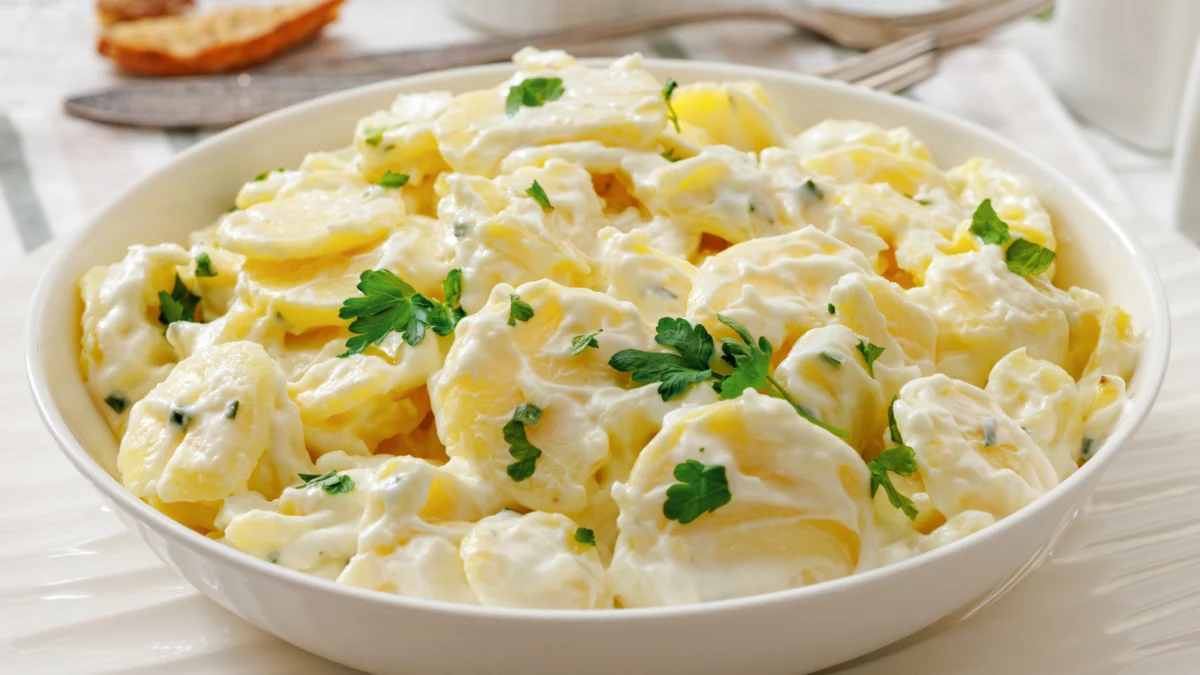
The quintessential summer cookout often features a generous dollop of potato salad, a comforting classic that, in its most familiar American iteration, can sometimes overwhelm the palate with its rich, creamy, and often mayonnaise-laden dressing. This inherent heaviness, while satisfying for some, can detract from the lighter, brighter flavors that many seek during warmer months. However, a culinary tradition from the Nordic region offers a compelling alternative: Norwegian-style potato salad. This variation masterfully reinterprets the beloved dish, delivering all the satisfying creaminess and depth of flavor without the burdensome richness, primarily through the strategic incorporation of sour cream.
The foundation of the Norwegian approach lies in its dressing, which diverges significantly from the American standard. Instead of relying exclusively on mayonnaise, the Norwegian version employs a harmonious blend of mayonnaise and sour cream. This dual approach introduces a crucial element of acidity from the sour cream, which cuts through the richness and adds a refreshing tang. The inclusion of lemon juice further amplifies this brightness, its zesty notes dancing alongside the other components, infusing the salad with an invigorating freshness. While mayonnaise provides a smooth, emulsified base, the sour cream lends a delightful tang and a subtly lighter texture to the dressing. Traditional spices like black pepper and ground mustard are still integral, offering a savory counterpoint that balances the inherent sweetness of the potatoes and the tang of the dairy components. This careful calibration of ingredients creates a dressing that is both decadent and refreshingly light, a departure from the often-monolithic heaviness of its American counterpart.
Beyond its flavor profile, the combination of mayonnaise and sour cream significantly enhances the textural experience of Norwegian potato salad. The silky smoothness of the mayonnaise is beautifully complemented by the creamy swirls of sour cream, resulting in a dressing that coats the potatoes in a velvety, luxurious embrace. This enriches the tender, starchy bite of the potatoes, making each mouthful a delightful interplay of textures and tastes. The result is a salad that feels both indulgent and remarkably light, a testament to the power of thoughtful ingredient pairing.
The Art of the Norwegian Potato Salad: From Humble Beginnings to Summer Staple
The journey of Norwegian potato salad begins, as with many global variations, with the humble potato. In Norway, this dish is a celebrated staple of the summer season, intrinsically linked to the availability of "new potatoes." These young tubers, harvested during the region’s peak growing period, possess a distinct characteristic: they retain a desirable firmness even when boiled to tenderness. This structural integrity is crucial for potato salad, preventing the potatoes from becoming mushy and ensuring a satisfying bite. Furthermore, new potatoes often exhibit a subtle sweetness, a natural flavor that adds another layer of complexity to the dish without the need for excessive seasoning. Many Norwegians also opt to leave the skins on their new potatoes, a practice that not only adds a rustic visual appeal but also introduces subtle earthy undertones that complement the other ingredients.
The versatility of Norwegian potato salad extends to its accompanying ingredients, which can be adapted to personal preference and seasonal availability. Traditional additions often include finely diced pickles, which contribute a welcome crunch and briny acidity; thinly sliced red onions, offering a sharp, pungent contrast; and crisp celery, providing textural variation and a mild, fresh flavor. Some recipes also incorporate the sweetness of apples, which can add a surprising and delightful fruity note. For those seeking a more substantial dish, hard-boiled eggs are a popular addition, lending protein and a creamy texture. Furthermore, the culinary landscape of Scandinavia offers a wealth of inspiration for protein additions, with smoked salmon and flaked cod being particularly well-suited to the delicate flavors of this potato salad. These elements, when combined with the thoughtfully crafted dressing, transform the potato salad from a simple side dish into a complex and satisfying culinary creation.
Enhancing the Norwegian Potato Salad Experience: A Spectrum of Flavor Possibilities
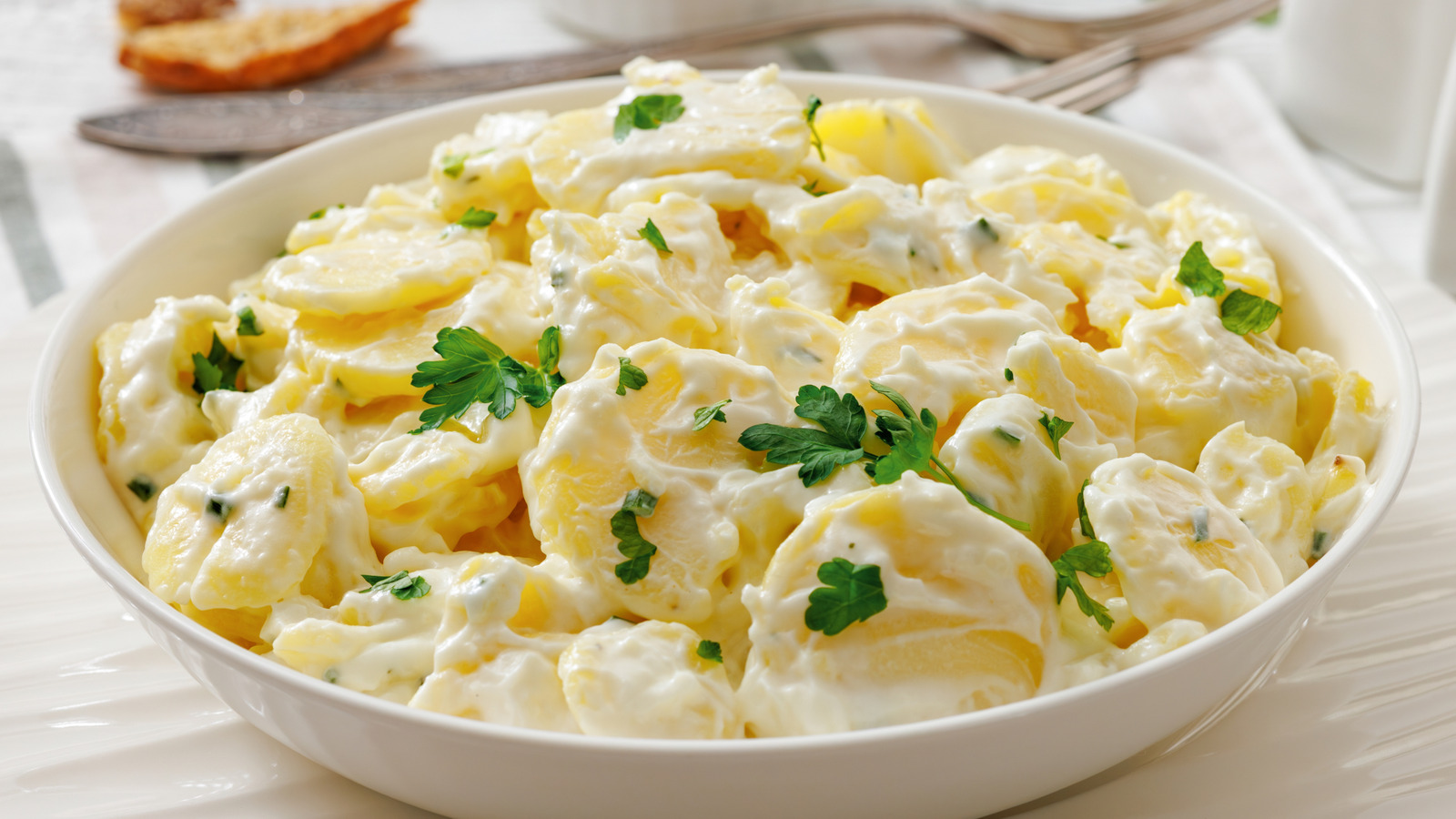
The beauty of Norwegian potato salad lies not only in its inherent lightness but also in its remarkable adaptability. The core dressing, typically a balanced ratio of mayonnaise and sour cream, serves as an excellent canvas for a variety of flavor enhancements. The inclusion of aromatics, such as finely minced chives or dill, can introduce fresh, herbaceous notes. The pickle juice, often reserved from the jarred pickles, adds a concentrated burst of brine and acidity that elevates the overall taste.
For those who favor a more pronounced tang, Greek yogurt emerges as an exceptional alternative or complement to sour cream. Its inherent sharpness can provide a more assertive acidic profile, a desirable trait for palates that appreciate a bolder flavor. The quest for a nuanced mustardy note is also readily accommodated. Whether through the use of mustard powder, which offers a concentrated and pungent kick, or the smooth, refined flavor of Dijon mustard, this condiment is a time-honored companion to potato salad. The introduction of a touch of curry powder can further elevate the salad, infusing it with exotic warmth and a subtle, complex spiciness that pairs surprisingly well with the creamy base and tender potatoes. These optional additions underscore the democratic nature of Norwegian potato salad, allowing for personalization and catering to a wide range of culinary preferences.
The Global Context: Potato Salads Through a Comparative Lens
The emergence of Norwegian potato salad as a distinct entity is best understood within the broader context of potato salad’s global evolution. While the American version, with its heavy reliance on mayonnaise, has achieved widespread recognition, other cultures have developed their own unique interpretations, each reflecting local ingredients, culinary traditions, and taste preferences.
In Germany, for instance, potato salads often feature a vinaigrette-based dressing, with vinegar and oil replacing the creamy components, resulting in a lighter, more piquant salad. French potato salad, known as "salade de pommes de terre," frequently incorporates a Dijon vinaigrette, hard-boiled eggs, and herbs like parsley and chives. In Eastern European cuisines, potato salads can be richer, sometimes including ingredients like herring or sour cream, but with a distinct emphasis on dill and other fresh herbs.
The Norwegian approach, by strategically blending mayonnaise with sour cream, carves out a unique space in this global culinary tapestry. It acknowledges the appeal of the creamy texture that mayonnaise provides while mitigating its potential for heaviness through the introduction of sour cream’s characteristic tang and lighter mouthfeel. This approach can be seen as a response to a modern desire for lighter, more refreshing versions of comfort food classics, a trend that has gained significant traction in recent years. Consumers are increasingly seeking out dishes that offer both satisfaction and a sense of well-being, and Norwegian potato salad fits this bill perfectly.
Nutritional Considerations and Healthier Alternatives
From a nutritional standpoint, the shift towards sour cream and a more balanced dressing in Norwegian potato salad offers distinct advantages over traditional mayonnaise-heavy versions. While mayonnaise is primarily composed of oil and egg yolk, contributing a high fat content, sour cream, especially in its lower-fat varieties, offers a reduced fat profile with a significant protein boost and a lower calorie count per serving.
According to USDA data, a tablespoon of regular mayonnaise contains approximately 90 calories and 10 grams of fat. In contrast, a tablespoon of full-fat sour cream contains around 26 calories and 2.6 grams of fat, while light sour cream offers even fewer calories and less fat. This fundamental difference in nutritional composition allows for a more voluminous and satisfying salad with a lighter caloric impact.
The inclusion of lemon juice and vinegar (often from pickles) also plays a role in perceived lightness and can aid in digestion. The acidity helps to break down fats and can contribute to a feeling of satiety without the heaviness associated with solely relying on oil-based dressings. Furthermore, the emphasis on fresh ingredients like new potatoes, onions, and celery provides essential vitamins, minerals, and fiber, contributing to the overall healthfulness of the dish.
This nutritional profile makes Norwegian potato salad an attractive option for individuals seeking to manage their calorie intake or make healthier choices without sacrificing flavor or satisfaction. It aligns with broader dietary trends that prioritize whole foods, balanced macronutrients, and mindful consumption.
Broader Implications: A Culinary Trend Towards Lighter Indulgences
The growing appreciation for Norwegian-style potato salad signifies a broader culinary shift towards reinterpreting traditional comfort foods in lighter, more health-conscious ways. As consumers become more aware of the impact of their dietary choices on their well-being, the demand for dishes that offer both indulgence and a sense of lightness continues to grow.
This trend is not limited to potato salad; it is evident across various categories of comfort food. Creamy soups are being lightened with vegetable purees and reduced-fat dairy, rich pasta dishes are being infused with more vegetables and whole grains, and decadent desserts are being reimagined with fruit-forward flavors and reduced sugar content.
The success of Norwegian potato salad serves as a case study in how culinary traditions can be adapted to meet contemporary demands. By understanding the core appeal of a dish – in this case, the creamy, satisfying nature of potato salad – and then applying thoughtful modifications, it is possible to create a version that is both familiar and refreshingly new. This approach not only caters to evolving consumer preferences but also ensures the longevity and relevance of classic dishes in a changing culinary landscape. The adoption of such lighter, yet equally flavorful, alternatives by home cooks and restaurants alike suggests a lasting impact on summer dining and beyond, encouraging a more balanced and enjoyable approach to beloved culinary staples.
