
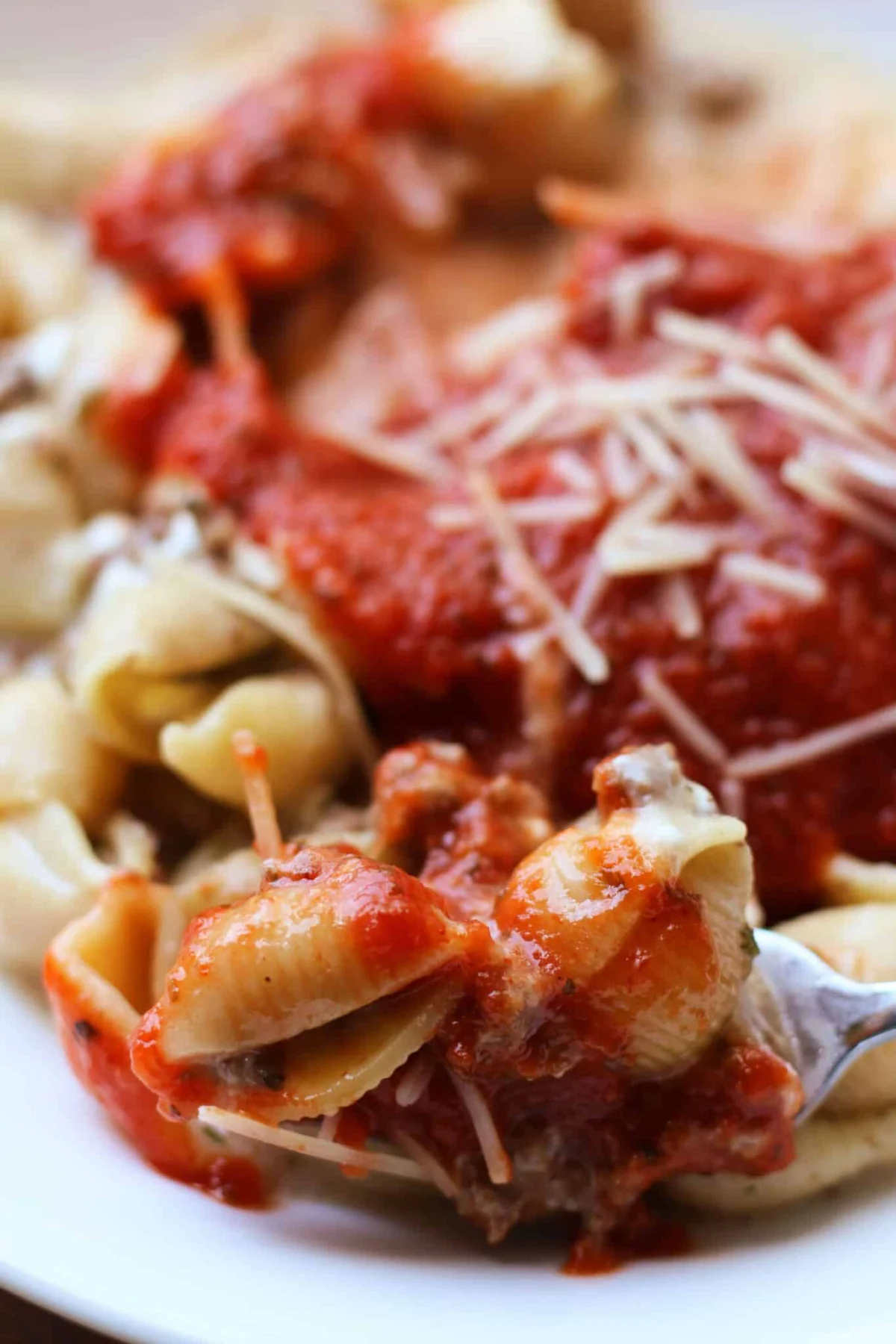
The resurgence of Amish-inspired recipes in mainstream digital media highlights a broader consumer trend toward "new nostalgia." This movement prioritizes the heavy, satiating ingredients of the rural Midwest—such as ground beef, egg-based pastas, and rich dairy—while utilizing modern appliances to mitigate the labor-intensive nature of historical farmhouse cooking. The Classic Amish Hamburger Casserole stands as a primary example of this trend, utilizing a sophisticated multi-stage cooking process that ensures textural integrity and flavor depth.
The Historical Context of Amish Culinary Logic
To understand the structural composition of the Classic Amish Hamburger Casserole, one must examine the socio-economic roots of Amish cooking. Historically, Amish meals were designed to provide maximum caloric density for manual laborers. Ingredients were sourced directly from the farm: beef from the cattle, dairy from the herd, and grains from the harvest. The "casserole" or "hot dish" format became a staple because it allowed for the efficient use of leftovers and provided a communal vessel that could feed large families.
The original Dorcas Peachy recipe, which serves as the foundation for this modern iteration, relied on the slow melding of fats and starches. In the contemporary adaptation, the use of the Instant Pot introduces the science of pressure cooking to this tradition. Under high pressure, the boiling point of water increases, forcing moisture and seasoning into the center of the pasta shells and ground beef much faster than atmospheric cooking. This results in a dish where the pasta is not merely coated in sauce but is infused with the beef broth and aromatic seasonings.
Chronology of Preparation and Technical Execution
The production of the Classic Amish Hamburger Casserole follows a strict chronological sequence designed to maximize the Maillard reaction and ensure the stability of the dairy-based finishing sauce.
Phase I: The Sauté and Aromatic Development (Minutes 0–10)
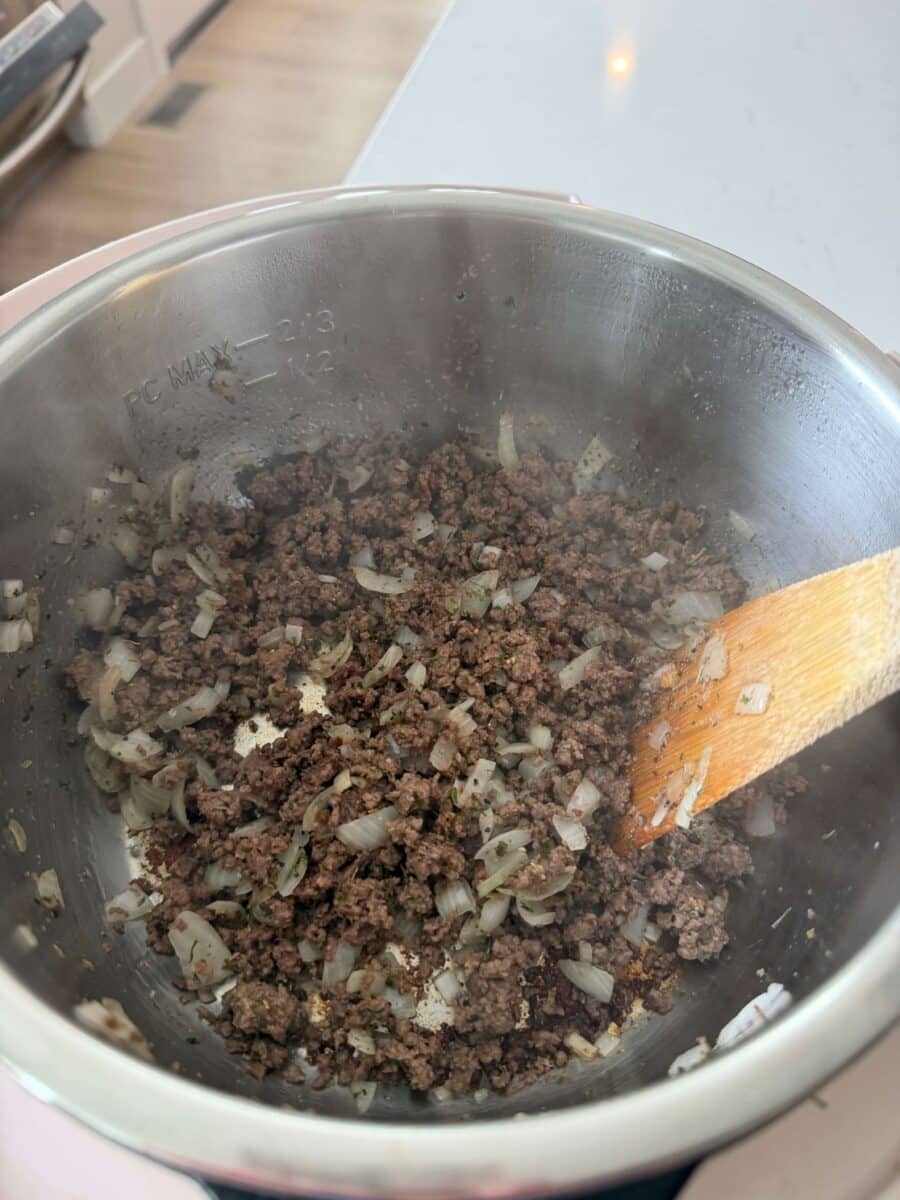
The process begins with the "Sauté" function of the multi-cooker. Ground beef is introduced to the hot inner pot along with diced onions. This stage is critical for developing the base flavor; the browning of the beef creates complex sugars and savory notes that define the dish’s profile. Once the beef is fully browned and the onions are translucent, excess lipids are drained to prevent the final sauce from becoming greasy. A precise blend of salt, black pepper, garlic powder, Italian seasoning, and dried parsley is then incorporated, ensuring the spices are bloomed in the remaining heat.
Phase II: Deglazing and Pressure Integration (Minutes 10–20)
Before the pressure cycle begins, the pot is deglazed with beef broth. This step is functionally essential to prevent the "Burn" notice on modern electric pressure cookers; by scraping the bottom of the pot, the cook releases the fond—the caramelized bits of meat and onion—into the liquid. The pasta shells are then added. Unlike traditional boiling, the pasta is submerged but not stirred, allowing it to cook evenly within the pressurized steam environment.
Phase III: The Pressurization Cycle (Minutes 20–25)
The device is sealed and set to high pressure for a duration of four minutes. While the timer is brief, the total time includes the period required for the pot to reach pressure. During this window, the collagen in the beef further breaks down, and the pasta starches begin to gelatinize, creating a natural thickening agent for the broth.

Phase IV: Emulsification and Finishing (Minutes 25–30)
Following a five-minute natural pressure release (NPR) to prevent the pasta from bursting, the remaining steam is vented. The final stage involves the "creaming" of the casserole. A combination of sour cream, cottage cheese, and mozzarella is stirred into the hot mixture. The residual heat melts the cheese and emulsifies the sour cream into the beef broth, creating a velvety, cohesive sauce.
Analysis of Ingredient Selection and Substitution
The ingredient profile of the Classic Amish Hamburger Casserole is a study in textural contrast. The use of cottage cheese, a hallmark of mid-century Midwestern cooking, provides small pockets of protein-rich curd that withstand the heat better than cream alone. When paired with mozzarella, it creates a "stretch" and "body" that defines the casserole’s mouthfeel.

A notable deviation from standard pasta recipes is the post-cooking addition of pizza sauce. According to culinary analysts, adding a tomato-based sauce after the pressure cycle, rather than during it, preserves the "bright" acidity of the tomatoes. This acidity serves as a necessary counterpoint to the heavy fats found in the ground beef and sour cream. Furthermore, the use of beef broth instead of water for the cooking liquid ensures that the pasta absorbs savory umami notes rather than remaining neutral.
Economic and Social Implications for Modern Households
The popularity of the Classic Amish Hamburger Casserole can be partially attributed to its economic efficiency. As of mid-2024, food inflation has significantly impacted the purchasing power of the average household. Ground beef remains one of the more accessible animal proteins, and pasta is a shelf-stable, low-cost carbohydrate. By combining these with common dairy staples, the recipe provides a high-volume meal that can easily be doubled to feed six to eight people, bringing the cost per serving significantly lower than that of takeout or processed convenience foods.

Furthermore, the "one-pot" nature of the recipe addresses the "time poverty" experienced by modern working families. By reducing the number of dishes and the active monitoring time, the Instant Pot version of this Amish classic aligns with the contemporary need for "set-it-and-forget-it" solutions that do not sacrifice the quality of home-cooked nutrition.
Broader Impact: The Preservation of Regional Identity
The transition of Amish recipes to digital platforms like "365 Days of Crockpot" and "Amish 365" represents a vital form of cultural preservation. As traditional Amish communities remain relatively insulated, their culinary contributions are often at risk of being lost to the broader public. Digital food historians and bloggers act as intermediaries, translating these "folk recipes" into formats compatible with modern lifestyle technology.
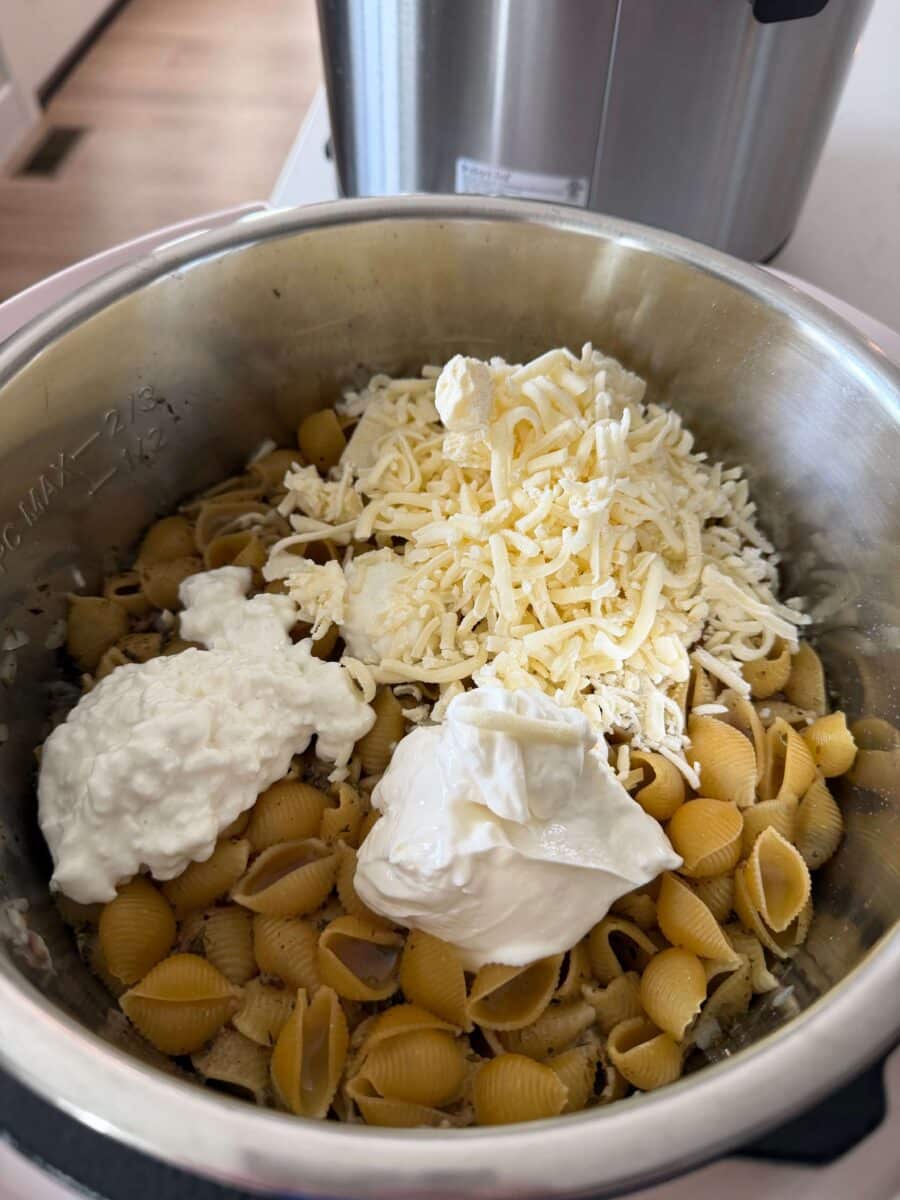
This specific casserole has sparked a series of variations that further demonstrate the versatility of the beef-and-pasta framework. Related dishes such as the "Summer Company Casserole," which introduces corn and beans, or the "Million Dollar Beef and Noodles," which incorporates cream cheese and frozen egg noodles, show the iterative nature of this cuisine. Each variation maintains the core Amish philosophy: utilize what is available, prioritize satiety, and cook for the community.
Technical Tips for Optimal Results
To ensure the success of the Classic Amish Hamburger Casserole, culinary experts suggest several technical adjustments:

- Pasta Selection: While shells are traditional, large elbow macaroni or rotini can be substituted. However, the cooking time may need to be adjusted by one minute depending on the thickness of the pasta wall.
- Grease Management: Draining the beef is non-negotiable. Excess fat can interfere with the emulsification of the sour cream and cottage cheese, leading to a broken sauce.
- Liquid Ratios: The ratio of broth to pasta is calibrated for the Instant Pot’s sealed environment. Adding too much liquid will result in a soup-like consistency, while too little will cause the pasta to remain undercooked.
Conclusion: The Future of Heritage Cooking
The Classic Amish Hamburger Casserole is more than a simple dinner; it is a testament to the enduring appeal of agrarian flavors in a high-tech world. It proves that tradition is not static but is a living, breathing entity that can adapt to new tools and faster paces. As more families seek ways to reconnect with "authentic" food without spending hours in the kitchen, the intersection of Amish culinary logic and pressure-cooking technology is likely to expand. This dish serves as a blueprint for the future of home cooking: rooted in history, optimized by science, and designed for the modern table.
