
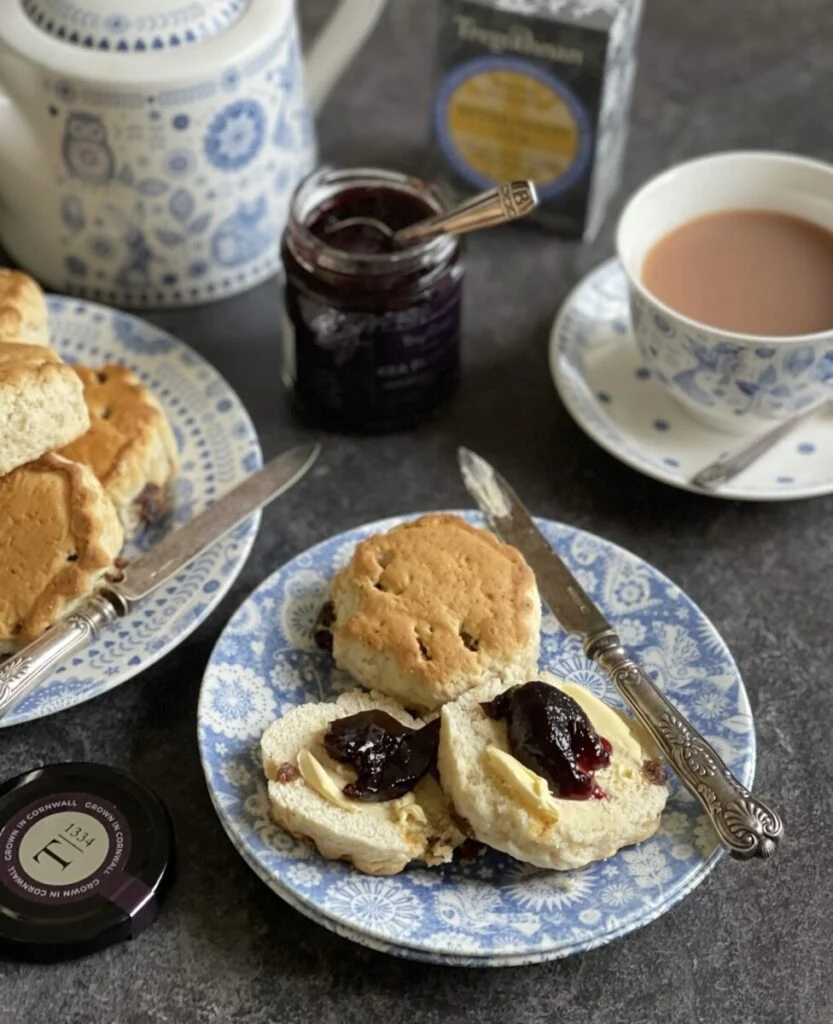
On May 27, 2026, acclaimed food writer Karen Burns-Booth unveiled her innovative recipe for Earl Grey Fruit Scones, a creation directly inspired by her immersive experience at the Tregothnan Estate in Cornwall. These distinctive scones are characterized by their deep infusion of Earl Grey tea, imparting a unique bergamot flavour that elevates a British classic. The recipe, initially developed for Viking Cruises’ "Explore Magazine," offers a sophisticated twist on the traditional fruit scone, emphasizing quality ingredients and a connection to Britain’s burgeoning tea-growing heritage.

The Genesis of a Flavour: Tregothnan Estate’s Influence

The inspiration for these aromatic scones stems from Burns-Booth’s visit to the Tregothnan Estate near Falmouth, Cornwall, in 2021. This excursion was part of her journey aboard the Viking Venus, a luxury ocean cruise ship known for its culturally rich itineraries. Describing the experience as "steep but invigorating," Burns-Booth recounted walking through bucolic country lanes, past beehives, and over wooden stiles, ultimately reaching the estate’s famed tea terraces. This picturesque journey, offering sweeping views of the River Fal, provided a profound connection to the landscape and its unique agricultural offerings. The estate itself, a pioneer in British tea cultivation, is situated in a microclimate ideally suited for growing tea plants, making it a landmark in the history of British agriculture. Tregothnan’s success in cultivating tea has garnered international attention, with its product once hailed as the "new Darjeeling," underscoring its quality and significance.

A Deep Dive into British Tea Cultivation

The Tregothnan Estate holds a singular place in British horticultural and culinary history. While tea has been consumed in Britain since the mid-17th century, primarily imported from Asia, the notion of commercially growing tea on British soil was long considered an impossibility. However, the unique microclimate of Tregothnan, characterized by its sheltered valleys and high rainfall, proved conducive to tea cultivation. The estate began experimenting with tea plants in the early 2000s, leveraging its extensive botanical knowledge. This pioneering spirit culminated in 2005 with the first significant crop of home-grown tea, marking a pivotal moment for British agriculture and solidifying Tregothnan’s status as the UK’s first and only commercial tea plantation. This achievement not only provided a novel product but also laid the groundwork for a niche industry, blending traditional British estate management with innovative agricultural practices. The estate now produces a range of teas, including its renowned Earl Grey, which forms the heart of Burns-Booth’s new scone recipe.

The Distinctive Flavour of Earl Grey Tea

Earl Grey tea, globally recognized for its distinctive citrusy aroma, is a black tea flavoured with oil of bergamot. Bergamot, a fragrant citrus fruit native to Southern Italy, provides the tea with its characteristic bright, floral, and slightly spicy notes. The origin of Earl Grey tea is steeped in legend, with one popular account attributing its creation to Charles Grey, 2nd Earl Grey and Prime Minister of the United Kingdom in the 1830s. The story suggests a Chinese mandarin blended tea with bergamot to mask the taste of lime in the water at his estate, Howick Hall. Regardless of its exact origins, Earl Grey quickly became a favourite among the British aristocracy and later, the wider public, synonymous with sophisticated tea culture.

In Burns-Booth’s Earl Grey Fruit Scones, this iconic flavour is integrated in multiple ways. Not only is the scone dough infused with the tea, but the dried fruit used in the recipe is also soaked in hot Earl Grey tea. This technique serves a dual purpose: it imbues the fruit with an additional layer of citrusy and floral notes, enhancing the overall bergamot profile, and simultaneously plumps the fruit, ensuring a moist and tender texture within the scone. This thoughtful approach highlights the versatility of Earl Grey tea beyond just a beverage, positioning it as a key flavouring agent in baking.

The Cultural Significance of Scones and Cream Tea

Scones are a cornerstone of British culinary tradition, inextricably linked with afternoon tea and the ritual of the "cream tea." This beloved repast typically consists of scones, clotted cream, and jam, accompanied by a pot of freshly brewed tea. The serving order of jam and cream, however, is a subject of passionate debate between two neighbouring English counties: Devon and Cornwall. In Devon, the tradition dictates that clotted cream is spread first, followed by jam. Conversely, in Cornwall, the local custom, staunchly upheld, insists on jam first, then clotted cream. Karen Burns-Booth, in her recipe notes, explicitly aligns with the Cornish tradition, stating, "Don’t forget it’s jam first in Cornwall too!" This seemingly minor detail underscores the deep regional pride and culinary heritage associated with the cream tea experience. The Earl Grey Fruit Scones are designed to be served in this classic manner, offering a gourmet twist on a cherished national pastime.

The popularity of scones extends across various social strata in the UK, from humble village tea rooms to opulent five-star hotels. They represent comfort, tradition, and a moment of indulgence. The addition of Earl Grey tea to the scone recipe introduces a layer of refinement and a contemporary appeal, potentially attracting a new generation of enthusiasts while still honouring the timeless essence of the treat.

The Culinary Journey of Karen Burns-Booth

Karen Burns-Booth, a prolific food writer and recipe developer, has carved a niche for herself through her expertise in British and European cuisine, often drawing inspiration from her travels. Her contributions to "Viking’s Explore Magazine" consistently feature specially created recipes alongside evocative travel stories, seamlessly blending culinary art with geographical discovery. Her work emphasizes the importance of provenance and the narrative behind food, making her a natural fit to highlight Tregothnan Estate’s unique story.

Her Earl Grey Fruit Scones recipe is more than just a list of ingredients and instructions; it’s a testament to her philosophy of infusing dishes with a sense of place and history. By selecting Tregothnan Earl Grey tea, she not only endorses a premium British product but also brings a tangible piece of Cornish heritage into kitchens worldwide. While she notes that any high-quality Earl Grey tea can be used, her original choice emphasizes the connection to the estate that sparked her creative process. This approach resonates with a growing consumer interest in locally sourced, ethically produced, and narratively rich food experiences.

Nutritional Profile and Versatility

Each serving of these Earl Grey Fruit Scones (based on a yield of 10 scones) provides approximately 249 calories, 8g of total fat (4g saturated, 3g unsaturated), 54mg of cholesterol, 230mg of sodium, 39g of carbohydrates (1g fiber, 10g sugar), and 6g of protein. This nutritional breakdown positions the scones as an indulgent treat, best enjoyed as part of a balanced diet.

Beyond their traditional cream tea pairing, these scones offer versatility. They can be served simply with butter, a variety of jams (such as Victoria Plum, High Dumpsie Dearie, or classic Strawberry, as highlighted by Burns-Booth’s other recipes), or even a light drizzle of honey. The subtle yet distinct bergamot flavour profile makes them an excellent accompaniment to a wide range of beverages, from strong black teas to delicate herbal infusions, or even a glass of sparkling wine for a celebratory touch.

Broader Implications: Culinary Trends and Regional Identity

The development and promotion of recipes like the Earl Grey Fruit Scones reflect several significant trends in the culinary world. Firstly, there is a growing appreciation for provenance and the story behind ingredients. Consumers are increasingly interested in understanding where their food comes from and the unique qualities that regional products offer. Tregothnan Estate’s tea, as a rare British-grown product, fits perfectly into this narrative, celebrating local innovation and quality.

Secondly, the recipe highlights the evolving nature of traditional dishes. While scones are a classic, infusing them with a distinct flavour like Earl Grey tea demonstrates how heritage recipes can be modernized and elevated without losing their essential character. This fusion of tradition with contemporary twists appeals to a broad audience, from purists to adventurous foodies.

Finally, the collaboration between a food writer, a cruise line, and a local producer underscores the interconnectedness of tourism, agriculture, and gastronomy. Cruise excursions that offer deep dives into local culture and produce, like the visit to Tregothnan, enhance the travel experience and provide inspiration for culinary creations. This symbiotic relationship helps to promote regional economies, raise awareness of unique local products, and enrich the global culinary landscape. The Earl Grey Fruit Scones, therefore, are not merely a delightful baked good but a symbol of culinary innovation rooted in British heritage and global exploration.
