
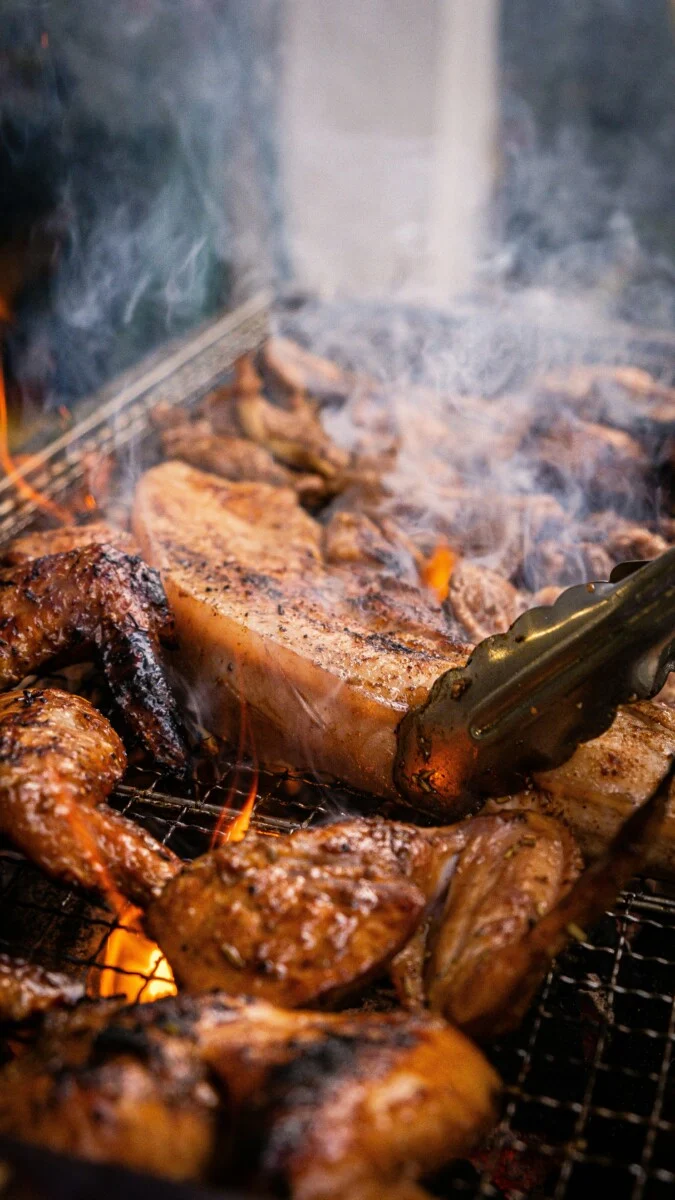
The pursuit of perfectly barbecued meat is a culinary journey many embark on, yet few consistently master. The common pitfalls of charred exteriors, dry interiors, and uneven cooking often deter aspiring grill masters. However, achieving succulent, flavourful results that impress guests and elevate any outdoor gathering is entirely within reach by adhering to a few fundamental principles rooted in culinary science and time-honoured techniques. This article delves into the critical strategies that transform ordinary grilling into an extraordinary experience, offering insights typically reserved for professional pitmasters and seasoned chefs.
The Foundation: Selecting Superior Cuts
The journey to exceptional barbecued meat begins long before the grill is lit: it starts with the selection of the meat itself. The quality of the raw ingredient is paramount and directly influences the final taste, texture, and juiciness of the cooked product. Opting for high-quality meat over cheaper, often inferior supermarket cuts is the single most impactful decision a griller can make. Local butcher shops, renowned for their expertise and often superior sourcing, or reputable online butchers, offer a distinct advantage. These purveyors typically provide access to premium grades of meat, often from sustainable or ethically raised animals, which inherently possess better flavour and tenderness.
Understanding Meat Grades and Marbling
For quick, high-heat grilling methods, such as searing steaks or chops, thick, tender cuts are ideal. These cuts, often from less-exercised parts of the animal, benefit from a shorter cooking time and retain moisture effectively under intense heat. Look for cuts with a good degree of marbling – the intramuscular fat streaks that melt during cooking, basting the meat from within and contributing significantly to both flavour and succulence. In the United States, USDA Prime and Choice grades signify higher levels of marbling, indicating superior quality. Conversely, for slow-smoking over several hours, cuts with more connective tissue and substantial marbling, like brisket or pork shoulder, are preferred. The extended low-and-slow cooking process allows the collagen in these cuts to break down into gelatin, rendering the meat incredibly tender and juicy, while the fat keeps it moist throughout the long cook. Researching specific cooking times and ideal temperatures for different types and cuts of meat is crucial to avoid undercooking or overcooking.
The Butcher’s Advantage
A skilled butcher offers invaluable guidance, helping customers select the best cuts for their intended cooking method and providing insights into preparation. They can also offer custom cuts or specialty meats not readily available in conventional grocery stores, further enhancing the potential for a unique and memorable barbecue. The investment in quality meat pays dividends in flavour and satisfaction, establishing a robust foundation for grilling success.
The Science of Juiciness: The Power of Dry Brining

Once the meat is selected, preparing it for the grill is the next critical step. One of the most effective, yet often overlooked, techniques for transforming ordinary meat into something truly special is dry brining. This process involves generously sprinkling coarse sea salt over the meat and allowing it to rest uncovered in the refrigerator for an extended period, typically 8 to 12 hours, or even up to 24 hours for larger cuts. This method is a common secret among restaurant chefs for achieving consistently tender, flavoursome, and perfectly seasoned meat.
Beyond Surface Flavor: The Osmotic Process
The science behind dry brining is fascinating and highly effective. Initially, the salt on the surface of the meat draws out moisture through osmosis. This moisture then dissolves the salt, creating a concentrated brine on the meat’s surface. Over time, this salty liquid is reabsorbed back into the meat, carrying the dissolved salt deep into the muscle fibres. This internal salting not only seasons the meat from within but also alters its protein structure. The salt helps to denature proteins, causing them to loosen and unwind, which increases the meat’s water-holding capacity. This scientific phenomenon results in meat that is significantly more tender and, crucially, retains more moisture during the high heat of grilling, preventing it from drying out. The uncovered resting period also allows the surface of the meat to dry slightly, which is instrumental in developing a beautiful, flavourful crust, or "bark," when it hits the hot grill.
A Restaurant Secret for Home Grills
While wet brining involves submerging meat in a saltwater solution, dry brining is often preferred for grilling because it concentrates flavour without adding excess water that can dilute taste and hinder crust formation. This overnight preparation step requires foresight but minimal effort, making it an accessible technique for home cooks looking to elevate their grilling game. The implications for consistency and quality are significant; by ensuring internal seasoning and enhanced moisture retention, dry brining mitigates common grilling failures and guarantees a more satisfying eating experience.
Crafting Aromatic Depths: Mastering Smoke Infusion
The distinctive, irresistible flavour of barbecued food is inextricably linked to smoke. However, merely subjecting meat to smoke is not enough; mastering smoke infusion involves understanding how different wood types impart unique flavour profiles and how to control the smoking process for optimal results. This technique elevates barbecue from simple cooked meat to a complex symphony of flavours.
The Palette of Wood Flavors
Different woods contribute distinct aromatic compounds to the smoke, creating a diverse flavour palette. For instance, hickory wood is celebrated for its strong, bacon-like flavour, making it a classic choice for beef and pork, imparting a bold, robust character. Mesquite, another strong wood, delivers an intense, earthy flavour particularly well-suited for dark meats like beef brisket or game, requiring careful application to avoid overwhelming the palate. On the sweeter side, fruitwoods like apple and cherry are excellent for adding a subtle, mild sweetness and often a beautiful reddish hue to pork, poultry, and even fish. Oak offers a medium-strength smoke, versatile enough for most meats, providing a rich, traditional barbecue flavour. Pecan is milder than hickory but richer than fruitwoods, offering a nutty, sweet profile that pairs wonderfully with chicken and pork. Experimenting with these woods allows grillers to tailor the smoke flavour to specific meats and personal preferences, unlocking a new dimension of taste.

Techniques for Consistent Smoke
For charcoal grills, wood chunks or chips can be placed directly on the hot coals. For gas grills, which lack the natural smoky element, a smoke box filled with soaked wood chips can be placed under the metal grill grates. Soaking the chips prolongs their burn time, producing smoke rather than immediate combustion. The key to effective smoke infusion is maintaining "thin blue smoke," which indicates clean combustion and desirable flavour compounds. Thick, white, billowy smoke often signifies incomplete combustion and can impart a bitter, acrid taste to the food. Controlling the grill’s temperature is crucial for consistent, low smoke rather than large, overpowering clouds. This careful management ensures that the food develops a deep, smoky depth without being overwhelmed by harsh flavours. The art of smoke infusion is a nuanced dance between wood selection, temperature control, and air circulation, culminating in a flavour profile that is both complex and deeply satisfying.
The Art of the Finish: Strategic Glaze Application
The final flourish for many barbecued meats is a luscious glaze, typically a BBQ sauce, which adds a layer of sweet, tangy, or spicy flavour and a beautiful sheen. However, the timing of glaze application is paramount; it is a common mistake among amateur grillers to apply glazes too early, leading to disappointing results. The sugars in most BBQ sauces caramelize and then burn quickly at high temperatures, resulting in a charred, bitter crust instead of a sticky, flavourful coating.
Preventing the Burn: The Maillard vs. Caramelization Balance
The optimal time to apply a glaze is during the final few minutes of cooking. At this stage, the meat is nearly cooked through, and the grill’s heat can be slightly reduced, allowing the sugars in the glaze to caramelize gently without carbonizing. This late application strategy ensures that the sugars undergo desirable caramelization, developing complex sweet and savoury notes, while the proteins on the meat’s surface continue to undergo the Maillard reaction, contributing to a rich brown crust. Applying only very thin layers of glaze with a brush, rather than thick dollops, also helps prevent burning and allows for an even coating. Multiple thin applications can build up a desirable sticky layer without the risk of charring.
Elevating Flavor and Texture
The choice of glaze can significantly impact the final flavour profile. Whether it’s a store-bought sauce or a homemade concoction, glazes can introduce complementary elements such as sweetness from brown sugar or molasses, tang from vinegar or citrus, and heat from various peppers. The creation of a warm, sticky, and slightly caramelized coating not only enhances the meat’s flavour but also improves its textural appeal. This strategic application of glazes is a testament to the meticulous attention to detail that separates good barbecue from truly exceptional barbecue, demonstrating an understanding of how ingredients interact under heat to achieve culinary perfection.
Even Heat, Perfect Crust: The Philosophy of Frequent Flipping

One of the most persistent myths in grilling circles is the admonition to flip meat only once. This advice, often given with the best intentions, can actually hinder the development of an evenly cooked and perfectly crusted piece of meat. Modern culinary science and the practices of experienced pitmasters advocate for frequent flipping as a superior technique for most grilling scenarios.
Dispelling the Single-Flip Fallacy
Turning meat every few minutes, rather than just once, promotes more even cooking throughout the cut. When meat rests on a hot grate for an extended period, one side heats up rapidly, potentially creating "hot spots" where the exterior can dry out or burn before the interior is cooked. Frequent flipping distributes the heat more uniformly across both surfaces, allowing the meat to cook more consistently from edge to edge. This continuous movement also facilitates the development of a more even and desirable crust (the Maillard reaction) across the entire surface of the meat, rather than just on two distinct sides. It prevents localized charring and encourages a beautiful, uniform browning.
Tools and Techniques for Optimal Turning
The choice of tool for flipping is also important. Tongs are universally recommended over forks. Piercing the meat with a fork allows precious internal juices to escape, leading to a drier product. Tongs, on the other hand, grip the meat gently without puncturing its surface, preserving moisture within. While frequent flipping is beneficial for most cuts cooked at higher temperatures, there is an exception for very large cuts of meat being slow-cooked or smoked. In these cases, less frequent turning might be appropriate to allow for a longer, undisturbed exposure to smoke and consistent low heat. For most steaks, chops, and smaller cuts, however, embracing the "flip often" philosophy is a game-changer for achieving juicy, tender, and beautifully crusted results.
Historical Context: The Enduring Legacy of Barbecue
Barbecue is more than just a cooking method; it is a cultural phenomenon with roots stretching back millennia. The practice of cooking meat over an open fire or hot coals is as old as humanity itself, a fundamental method for making food digestible and safe. The word "barbecue" itself is believed to derive from the Taíno word "barbacoa," referring to a wooden structure used to slow-cook food over a fire, observed by Spanish explorers in the Caribbean.
Over centuries, barbecue evolved globally, adapting to local ingredients and traditions. In the American South, it became an integral part of community gatherings, often involving whole hogs slow-cooked for days, reflecting a blend of African, Native American, and European culinary influences. Regions developed distinct styles: the vinegar-based sauces of the Carolinas, the sweet and spicy glazes of Kansas City, the dry rubs of Memphis, and the rich beef traditions of Texas. This rich history underscores barbecue’s role not just as sustenance, but as a social ritual, a celebration of community, and a culinary art form passed down through generations. The modern grill, whether charcoal, gas, or pellet, represents the latest evolution in this ancient tradition, offering precision and convenience while striving to capture the timeless flavours of fire-cooked meat.

The Broader Impact: Elevating Culinary Standards
The widespread embrace of refined barbecue techniques has significant implications for both home cooking and the broader culinary industry. The market for grilling equipment, specialty meats, and artisanal sauces has seen substantial growth, driven by consumers’ increasing desire for high-quality, flavourful food prepared at home. According to industry reports, the outdoor cooking market continues to expand, with millions of households investing in sophisticated grills and smokers. This trend indicates a growing appreciation for the craft of barbecue, moving beyond simple hot dogs and burgers to more complex and gourmet preparations.
Culinary experts and food scientists continue to explore and validate the efficacy of techniques like dry brining and controlled smoke infusion, further integrating these once niche "secrets" into mainstream cooking education. Renowned pitmasters, once local heroes, now share their wisdom through cookbooks, television shows, and online platforms, democratizing access to advanced grilling knowledge. This collective pursuit of barbecue perfection not only enhances individual dining experiences but also fosters a vibrant community of enthusiasts dedicated to mastering the art of cooking with fire. The economic impact extends to local butcher shops, specialty wood suppliers, and condiment manufacturers, all benefiting from an informed and engaged consumer base. As sustainability and ethical sourcing become increasingly important, the focus on high-quality, thoughtfully selected meats also aligns with broader trends in conscious consumption.
Conclusion: A Journey to Grilling Mastery
Achieving the best tasting barbecued meat is not a matter of chance but a deliberate application of proven techniques. From the initial selection of premium cuts and the transformative power of dry brining, to the nuanced art of smoke infusion, the strategic timing of glaze application, and the science-backed practice of frequent flipping, each step plays a crucial role. These principles, when understood and implemented, elevate the act of grilling from a simple outdoor chore to a true culinary art. By embracing these secrets, home cooks can consistently produce barbecued meat that is not only juicy and tender but also bursting with complex, unforgettable flavours, ensuring every barbecue is a memorable feast. The journey to grilling mastery is one of continuous learning and experimentation, promising delicious rewards for those willing to refine their craft.
