
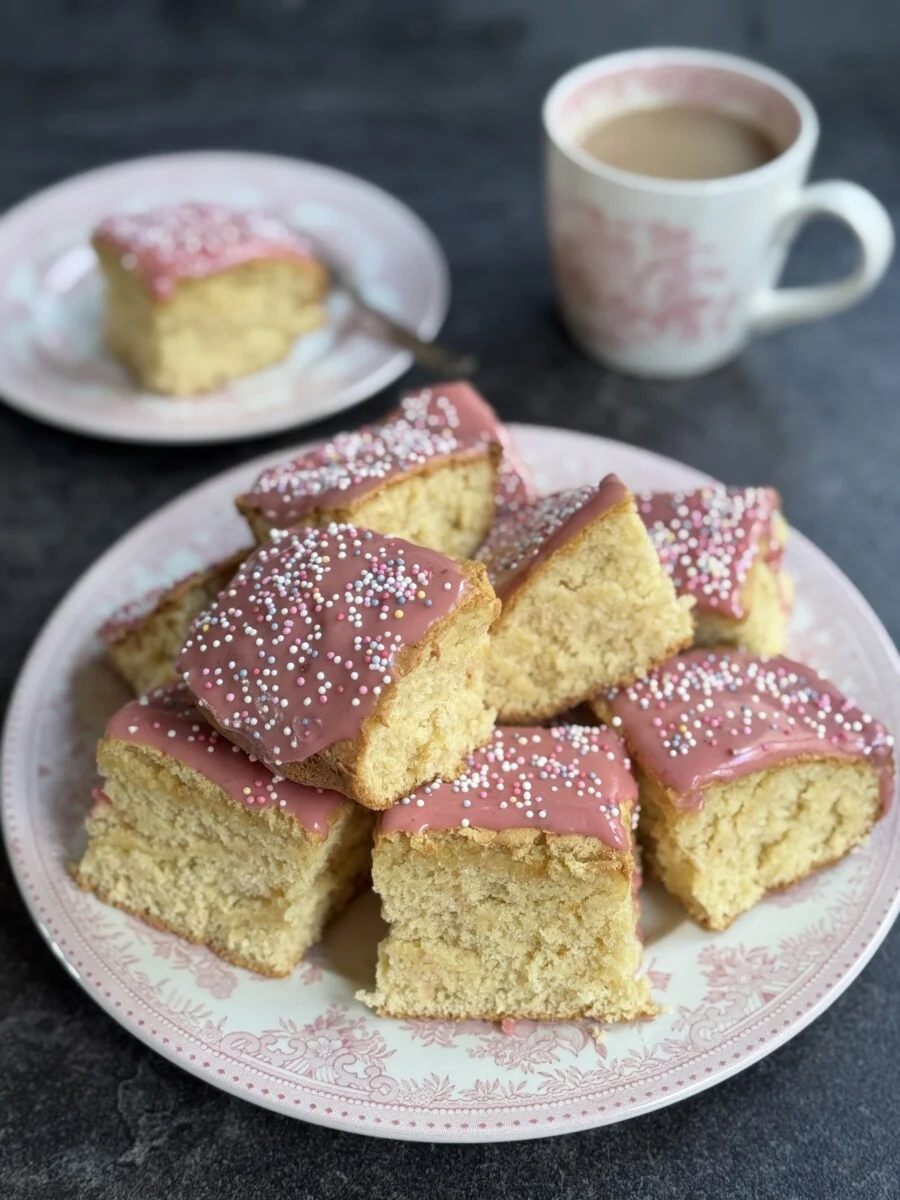
The cherished tradition of the cricket tea stands as a quintessential element of English village cricket, offering a vital mid-innings reprieve that is as much about community and camaraderie as it is about sustenance. This culinary interlude, typically prepared on a limited budget and often by just one or two dedicated individuals, forms the heart of the village match experience, contrasting sharply with the commercialized offerings of professional cricket. This article delves into the art of crafting the ideal cricket tea, drawing on practical advice from seasoned helpers and players, and outlining a strategic approach to menu planning, budgeting, and execution.

Historical Context and Cultural Significance of Cricket Tea

The tradition of "tea" in cricket dates back centuries, evolving from simple refreshments offered during long breaks in play to the elaborate spreads seen today. In its essence, the cricket tea is a direct reflection of British afternoon tea culture, adapted for the sporting field. It serves as a social fulcrum, bringing together players, officials, and spectators from both competing teams to share a meal, exchange pleasantries, and discuss the game’s progress in a relaxed setting. Unlike the high-stakes, globally televised international and county matches, where catering is handled by professional outfits, village cricket relies heavily on volunteer efforts. This grassroots involvement imbues the cricket tea with a unique charm, fostering a sense of shared responsibility and community spirit that is integral to the amateur game. The gentle thwack of willow on leather, the sun-drenched green pitch, and the anticipation of the tea break are indelible images that define this particular English summer pastime.

Expert Insights: Crafting the Menu on a Budget

The challenge of creating a perfect cricket tea often lies in balancing quality, quantity, and cost, usually within a tight budget of approximately £40 to £50 for both teams and officials. This task frequently falls to dedicated volunteers, affectionately known as "Cricket Mums" or "Cricket Tea Helpers and Bakers." One such veteran, Sarah, who routinely orchestrated cricket teas with just a single helper, provides invaluable insights into managing this delicate balance. Her experience highlights that while the budget is a constraint, ingenuity and a focus on homemade items can elevate the offering significantly.

Sarah’s primary recommendations, echoed by a current cricketer (her daughter’s brother-in-law), underscore the fundamental components: a robust selection of sandwiches, an array of tempting cakes and sweet bakes, fresh fruit for refreshment, savouries like sausage rolls, and, of course, ample tea and squash. The cricketer’s specific, and rather amusing, directives — "NO ready-salted crisps" and "make sure there is a good ratio of squash to water" — speak volumes about the nuanced expectations and preferences of players after several hours on the field. The inclusion of fresh fruit is also consistently emphasized as crucial for hydration and a lighter option.

Navigating the Budget: Maximizing Value and Quality

For many cricket clubs, the allocated budget for tea hovers around £40 to £50. Sarah detailed her previous budget of £20 per helper, totaling £40, which she found "more or less covered everything." However, her insistence on using butter over cheaper vegetable spread for sandwiches often meant she would slightly exceed this amount. This decision, though minor, highlights a common dilemma for volunteer caterers: whether to prioritize cost-cutting measures or maintain a certain standard of quality and taste that contributes to the overall enjoyment and tradition. The emphasis on homemade items, from cakes to sausage rolls, not only helps manage costs but also adds a personal touch and ensures freshness, often preferred by players and spectators alike. This homemade approach also allows for greater control over ingredients, catering to various dietary needs where possible.

The Essential Spread: A Detailed Menu Breakdown

A truly successful cricket tea offers a balanced array of options, catering to diverse tastes and providing both energy and refreshment.

-
Sandwiches: The Foundation: These are arguably the most critical component, providing essential carbohydrates. A variety of fillings is key, typically served on a mix of white and brown bread with crusts removed for ease of eating and presentation. Popular choices include:

- Cheese and Onion
- Egg Mayonnaise
- Ham and Mustard or Pickle
- Tuna Mayonnaise
- Chicken Salad
- Coronation Chicken
- Prawn Mayonnaise
- BLT (Bacon, Lettuce, Tomato) – a particular favourite as requested by Sarah’s son, Tom, often a highlight.
- Cucumber and Cream Cheese (especially on warmer days)
- A Trio of Afternoon Tea Sandwich Fillings (e.g., salmon & dill, cheese & chutney, ham & tomato) offers elegance and variety.
-
Savouries: Hearty Additions: Beyond sandwiches, a good cricket tea includes more substantial, often warm, savouries. These are particularly appreciated for their comforting and energy-boosting qualities.

- Sausage Rolls: A perennial favourite, often made from scratch with flaky pastry and well-seasoned sausage meat. Variations like "Easy Three Ingredient Sausage Rolls" or "Cheesy Ploughman’s Sausage Rolls" offer creative twists.
- Quiches and Flans: Deep-dish options such as Cheese & Tomato Flan or Egg & Bacon Flan provide a substantial vegetarian or meat option, respectively.
- Cheese Scones: Savoury scones, like the "Vintage BeRo Cheese Scones," are a popular alternative to traditional sweet scones.
-
Sweet Treats: The Indulgent Finale: This is where the "baker" aspect of the cricket tea helper truly shines. Homemade cakes and bakes are eagerly anticipated.

- Tray Bakes: Easy to make and serve, these include classics like Victoria Sponge, Lemon Drizzle Cake, Coffee Walnut Tray Bake Cake, Chocolate Cake, and "Easy Tottenham Cake."
- Scones: Both fruit scones (like "Buckingham Palace Fruit Scones" or "Be-Ro Victoria Scones") and plain scones, served with jam and cream, are traditional crowd-pleasers.
- Rocky Road: "Caramel Popcorn and Malteser Rocky Road" offers a modern, fun twist.
- Tarts and Loaves: Jam Tarts and Quick and Easy Spice Cake (Tea Loaf) are simple yet satisfying.
- Biscuits/Cookies: A selection of homemade biscuits or cookies adds to the variety.
-
Drinks and Refreshments: Hydration is paramount.

- Tea: Strong black tea, with milk and sugar readily available, is non-negotiable. Decaffeinated options are also increasingly offered.
- Squash: A choice of fruit squashes (e.g., orange, blackcurrant) is essential, with careful attention paid to the water-to-squash ratio to ensure adequate flavour without being overly sweet.
- Water: Plain water should always be available, especially on hot days.
- Crisps: A variety of flavours is expected, with a strict adherence to the unwritten rule of avoiding plain ready-salted. Salt and Vinegar, Cheese and Onion (not to be confused with sandwich filling!), and Prawn Cocktail are common choices.
- Fresh Fruit: Grapes, bananas, apples, and oranges are easy to prepare, healthy, and refreshing.
Logistics and Community Endeavour

The practicalities of delivering a cricket tea extend beyond just cooking. Transportation is a key consideration, with a "Car or Van Essential!" to ferry the substantial spread from kitchen to pavilion. Often, the tea is prepared in advance, with final touches applied at the ground. The smooth operation of a cricket tea is a testament to the organizational skills and dedication of the volunteers involved. It’s a collective effort, often involving coordination with other club members for equipment, setup, and cleanup. The glimpse into a cricket tea, as showcased by Newenden CC’s Instagram reel, offers a visual appreciation of the effort and abundance involved.

Implications and the Enduring Appeal

The enduring tradition of the cricket tea highlights the power of community and volunteerism in sustaining local sports. Despite budget constraints and the labour-intensive nature of preparing such a spread, the tea remains a cherished part of the game. It fosters a unique social environment, bridging the competitive divide on the field with shared enjoyment off it. The upcoming sharing of specific "Cricket Pavilion Tea Recipes," such as Sarah’s requested BLT sandwiches, further underscores the personal touch and legacy embedded in these culinary contributions. The cricket tea is more than just a meal; it is a symbol of local identity, sportsmanship, and the enduring appeal of amateur cricket, ensuring that the heart of the village game continues to beat strongly, one delicious bite at a time.
