
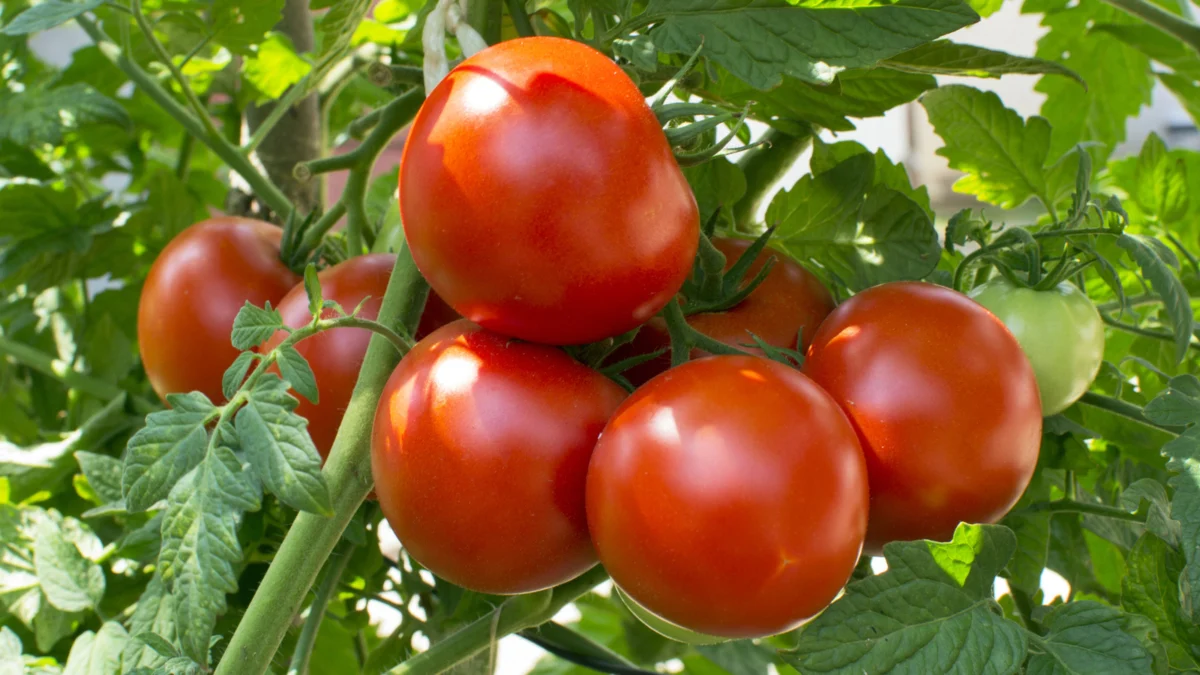
For many home gardeners, the practice of repurposing kitchen scraps for plant nourishment is a time-honored tradition. Coffee grounds, in particular, have garnered a reputation as a potent, natural fertilizer, often touted for their ability to invigorate a variety of plants. Blueberries, for instance, are known to benefit significantly from the addition of coffee grounds to their soil, thriving in the slightly acidic environment they help create. However, for those cultivating the beloved tomato plant, this popular gardening hack might prove counterproductive, potentially hindering growth rather than promoting it. Tomatoes, alongside other members of the Brassica family such as broccoli and cauliflower, are among the plants that can be negatively impacted by coffee ground fertilizer. The residual grounds can compact the soil, impeding root development and aeration. More critically, the caffeine content and inherent acidity of coffee grounds can disrupt the soil’s delicate pH balance, and in some cases, even lead to root burn, a condition where the plant’s root system is damaged by excessive acidity or salts.
Fortunately, a readily available and gentler alternative for nourishing tomato plants may already be residing in the refrigerator: yogurt. This common dairy product offers a more nuanced approach to fertilization, providing essential nutrients in a form that is readily absorbed by tomato vines, while also offering protective benefits against common plant diseases.
The Nutritional Benefits of Yogurt for Tomato Plants
The humble yogurt, particularly plain, unsweetened varieties, offers a surprising array of benefits for tomato cultivation. Its primary contribution lies in its rich nutrient profile, which directly supports robust plant growth and fruit development.
- Calcium: Yogurt is a good source of calcium, a vital macronutrient for plants. Calcium plays a crucial role in building strong cell walls, which contributes to the structural integrity of the plant. For tomatoes, adequate calcium is essential for preventing blossom end rot, a common disorder characterized by a dark, leathery rot on the blossom end of the fruit, often caused by calcium deficiency or inconsistent watering.
- Magnesium and Phosphorus: These minerals are also present in yogurt and are critical for photosynthesis and energy transfer within the plant. Magnesium is a central component of chlorophyll, the pigment responsible for capturing sunlight. Phosphorus is essential for root development, flowering, and fruiting, directly impacting the yield and quality of tomatoes.
- Lactic Acid Bacteria: Beyond mineral content, yogurt, especially live or probiotic varieties, contains beneficial lactic acid bacteria. These microorganisms perform several key functions in the soil. They can help break down organic matter, making nutrients more accessible to the plant’s roots. Crucially, these beneficial bacteria can also act as a natural defense mechanism, outcompeting harmful pathogens that cause diseases like root rot and powdery mildew. This probiotic effect creates a healthier soil environment, promoting overall plant resilience.
Application and Dosage: A Delicate Balance
The method for applying yogurt as a fertilizer is straightforward, but requires a degree of moderation to avoid unintended consequences. Gardeners are advised to dilute plain yogurt with water before application. A common recommendation is to mix approximately one tablespoon of yogurt with one cup of water. This diluted solution can then be poured around the base of the tomato plant. The dilution helps ensure even distribution of nutrients and prevents the thick, creamy texture of yogurt from potentially clumping the soil.
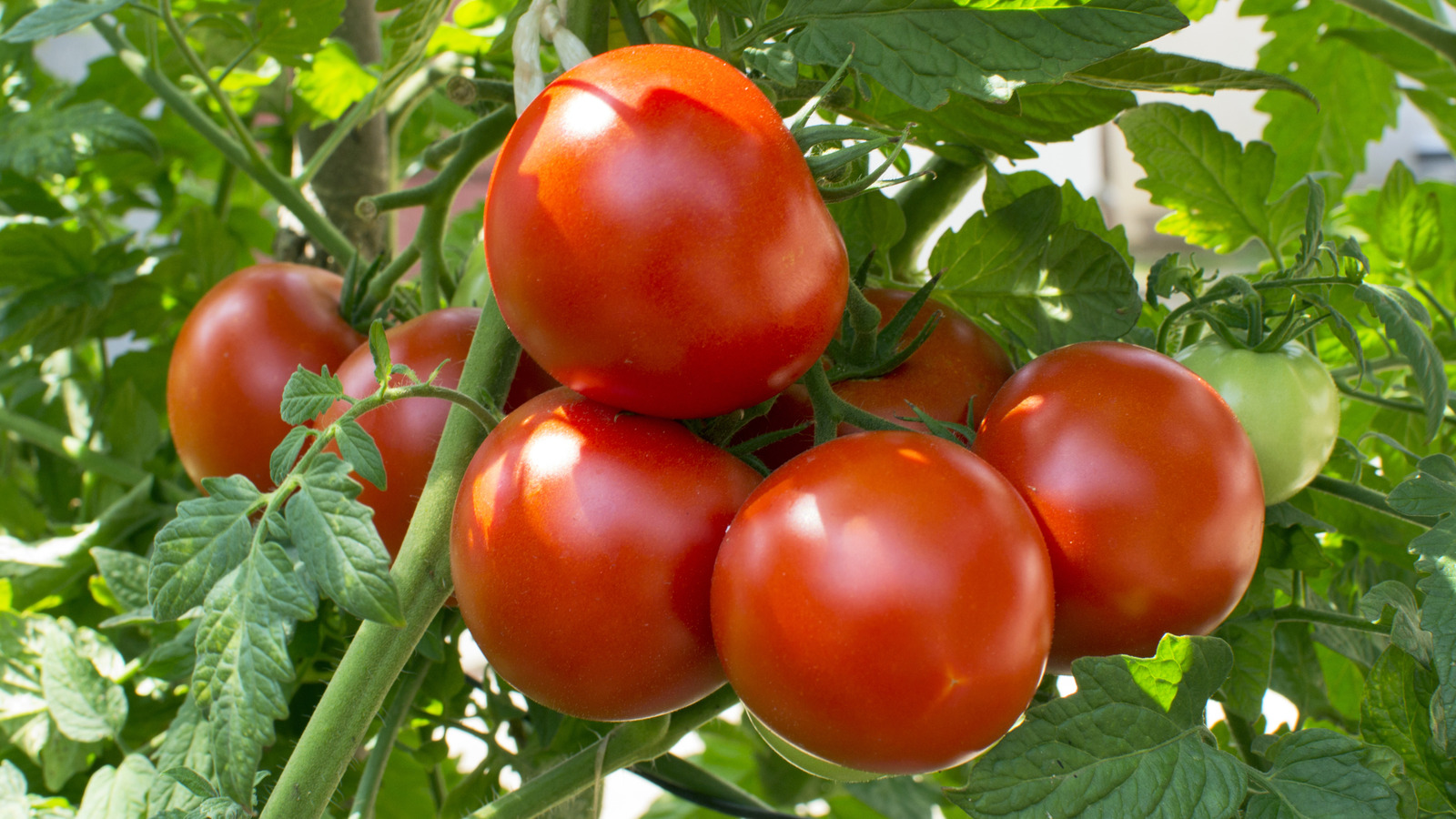
The frequency of application is also a key consideration. Experts suggest reapplying the yogurt mixture once or twice a month. This consistent, yet not excessive, feeding schedule can provide a steady supply of nutrients without overwhelming the plant or altering the soil chemistry too drastically.
The Importance of Soil Analysis Before Application
While yogurt offers a promising alternative to potentially harmful coffee grounds, its effectiveness and safety are intrinsically linked to the existing conditions of the garden soil. Before embarking on a yogurt fertilization regimen, a thorough understanding of the soil’s composition, particularly its pH level and existing nutrient profile, is paramount.
- pH Testing: Tomato plants have specific pH preferences, generally thriving in slightly acidic to neutral soil. The optimal pH range for tomatoes is typically between 6.2 and 6.8. Soil pH testing kits, readily available at garden centers and online retailers, can provide valuable insights into the soil’s acidity or alkalinity. A popular option, like the Yamron digital soil meter, can offer readings for pH, moisture, temperature, and light intensity, providing a comprehensive overview of the growing environment.
- Nutrient Imbalances: Yogurt, while beneficial, does contain phosphorus and calcium. If a soil test reveals that the garden soil is already rich in these minerals, excessive application of yogurt could lead to an overabundance. High levels of phosphorus, for example, can interfere with the plant’s ability to absorb other essential micronutrients like iron and zinc. Similarly, too much calcium can create an imbalance that hinders the uptake of magnesium. Discolored leaves, often appearing mottled or yellowed, can be a symptom of such nutrient imbalances.
- Yogurt’s pH Contribution: It is important to note that yogurt itself has an acidic pH, typically capping out around 4.6. While beneficial in moderation, a consistent and heavy application of yogurt-based fertilizer could potentially lower the overall soil pH. If the soil’s pH drops below the optimal range for tomatoes, it can significantly limit the plant’s ability to absorb vital nutrients, even if those nutrients are present in the soil. This underscores the need for careful application and regular monitoring of soil conditions.
Beyond the Fridge: Understanding Tomato Plant Nutrition
The cultivation of healthy, productive tomato plants is a multifaceted endeavor that extends beyond simple fertilization. A deep understanding of their environmental needs and nutritional requirements is crucial for success.
Historical Context of Soil Enrichment: For centuries, gardeners have sought to improve soil fertility through various methods. Early practices involved the use of animal manure, composted organic matter, and crop rotation. The advent of synthetic fertilizers in the 20th century revolutionized agriculture, offering concentrated nutrients that could be precisely applied. However, growing awareness of environmental sustainability and the potential downsides of synthetic chemicals has led to a resurgence of interest in organic and natural fertilization methods. The coffee ground and yogurt examples represent this ongoing exploration of readily available, often overlooked, resources for plant care.
Scientific Basis for Nutrient Uptake: Plant nutrient uptake is a complex biochemical process. Roots absorb water and dissolved mineral ions from the soil. The availability and form of these ions are critical. For instance, nitrogen, phosphorus, and potassium are primary macronutrients required in large quantities. Secondary macronutrients like calcium, magnesium, and sulfur, and micronutrients such as iron, manganese, and zinc are needed in smaller amounts but are equally vital for plant health. Fertilizers, whether synthetic or organic, aim to supplement these nutrients in the soil. The key lies in providing them in a bioavailable form and in the correct proportions to avoid toxicity or deficiency.
Broader Implications for Sustainable Gardening: The trend towards utilizing household byproducts like yogurt for gardening reflects a broader shift towards sustainable practices. This approach not only reduces waste but also lessens reliance on manufactured products, which often have a significant environmental footprint in their production and transportation. By embracing such methods, home gardeners can contribute to a more circular economy, transforming waste into valuable resources.
Potential for Further Research and Innovation: The anecdotal success of yogurt as a fertilizer highlights the potential for further scientific investigation into other common household items. Exploring the microbial communities present in fermented foods, the mineral content of various food scraps, and their impact on different plant species could uncover a wealth of novel and eco-friendly gardening solutions. This could lead to the development of more targeted and effective DIY organic fertilizers, empowering gardeners to nurture their plants with readily available and environmentally responsible inputs.
In conclusion, while the allure of using coffee grounds for garden enrichment is widespread, tomato growers may find a more beneficial partner in their kitchen’s dairy section. Plain yogurt, when applied judiciously and with an understanding of soil conditions, offers a gentle yet effective way to provide essential nutrients, bolster plant health, and potentially ward off common diseases, ultimately contributing to a more bountiful and sustainable harvest. The key lies in informed application, recognizing that even the most beneficial of amendments require a balanced approach to truly help plants thrive.
