
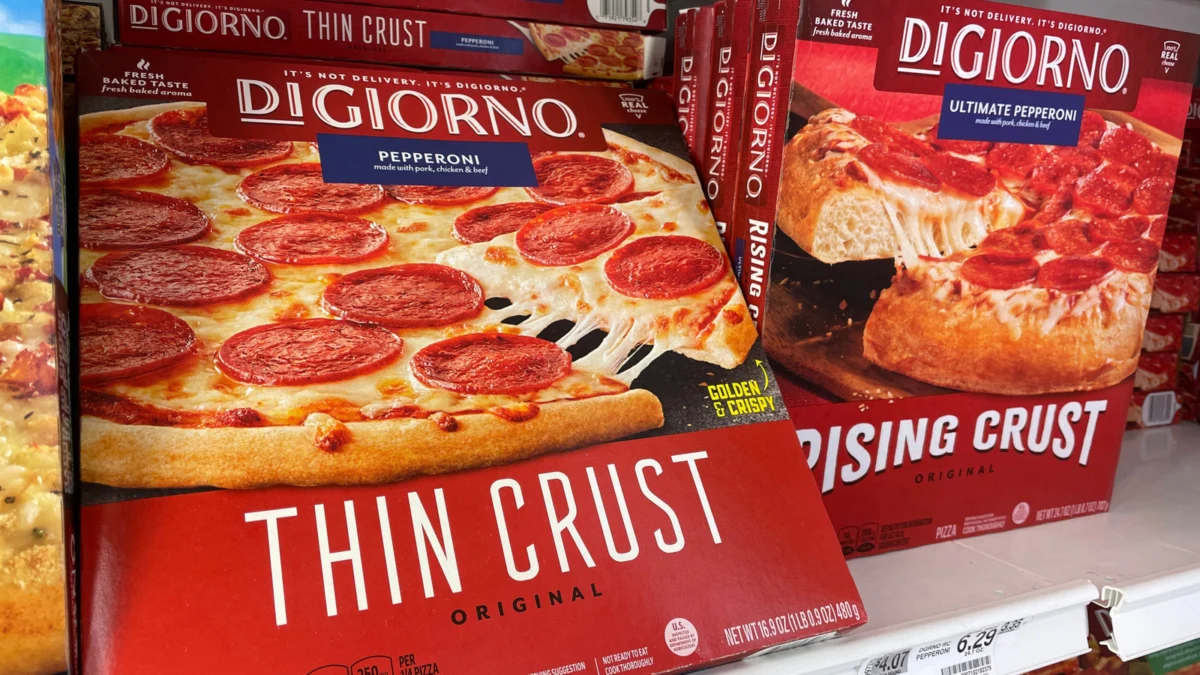
For many households, the convenience of a frozen pizza, particularly from a brand like DiGiorno, has become a staple for weeknight meals or impromptu gatherings. These freezer aisle favorites offer a quick and accessible solution for a hot meal when time or energy is limited. However, the inherent nature of frozen foods often means a compromise on the depth and complexity of flavor compared to their freshly prepared counterparts. This has led to a widespread interest in simple yet effective methods to elevate the taste of frozen pizzas, transforming them from a passable meal into something truly satisfying. One such method gaining traction, particularly within online culinary communities, involves the strategic application of seasonings before baking. This technique, championed by home cooks and food enthusiasts, promises to unlock a significantly richer flavor profile, bridging the gap between convenience and gourmet appeal.
The concept of enhancing frozen pizza flavor is not new, but the specific approach of pre-baking seasoning has resonated with a broad audience. Discussions on platforms like Reddit reveal a consensus among users that this simple addition is a game-changer. The prevailing sentiment is that a well-seasoned frozen pizza can indeed approach the quality of a homemade pizza. This enhancement doesn’t require elaborate culinary skills or exotic ingredients; rather, it leverages common pantry staples to imbue the pizza with layers of taste that are often lacking in the factory-produced product. The core idea is to supplement the existing components – sauce, cheese, and toppings – with aromatic herbs, pungent spices, and savory powders that complement and intensify the overall flavor experience.
The Foundation of Flavor: Why Pre-Baking Seasoning Works
Frozen pizzas, by design, prioritize shelf stability and ease of preparation. This often results in a flavor profile that is somewhat generalized, aiming for broad appeal but lacking the nuanced depth found in artisan or homemade pizzas. The primary components – tomato sauce, processed meats, and cheese blends – can sometimes present as one-dimensional, with saltiness being the dominant characteristic. Introducing additional seasonings before baking addresses this by:
- Adding Complexity: Dried herbs like oregano, basil, and thyme introduce aromatic notes that are characteristic of traditional Italian cuisine.
- Boosting Umami: Ingredients such as garlic powder, onion powder, and Parmesan cheese contribute to the savory "umami" taste, a fundamental element of deliciousness.
- Introducing Spice: Red pepper flakes or other chili-based seasonings offer a pleasant heat that can cut through richness and add an exciting dimension.
- Enhancing Crust Flavor: The crust, often a neutral canvas, can be transformed into a flavorful component with the right seasonings, especially when combined with a fat like olive oil.
The act of baking itself plays a crucial role. When seasonings are applied before the pizza enters the oven, they have an opportunity to meld with the melting cheese and bubbling sauce. The heat activates the essential oils in dried herbs and spices, releasing their full aromatic potential. Furthermore, a light coating of olive oil, often recommended as a precursor to seasoning, helps these dry ingredients adhere to the crust and also aids in achieving a crispier, more golden-brown finish, further enhancing the sensory appeal of the final product.
Community Insights: A Consensus on Culinary Enhancement
The widespread adoption of this simple seasoning technique can be observed in online forums and social media discussions dedicated to food and cooking. A notable example is a recent thread on Reddit’s r/LifeProTips, where users shared their strategies for upgrading frozen foods. The consensus on frozen pizza was particularly strong. One participant articulated a common approach: "Frozen pizza gets an instant upgrade with oregano, basil, red pepper flakes, garlic powder, or a light sprinkle of Parmesan." This sentiment was echoed by another user who elaborated on their personal method: "For frozen or premade pizzas I brush the crust with olive oil to help it brown/crisp. Then I’ll add some toppings, seasonings like garlic/onion powder and oregano."
These anecdotal accounts highlight a shared understanding within the home cooking community that frozen pizza is not a finished product but rather a foundation that can be significantly improved with minimal effort. The suggested ingredients – oregano, basil, red pepper flakes, garlic powder, onion powder, and Parmesan cheese – are all readily available and relatively inexpensive. Their synergistic effect creates a more balanced and robust flavor profile, moving beyond the basic saltiness and richness of the original pizza. The addition of olive oil to facilitate seasoning adherence and improve crust texture is another frequently cited tip, demonstrating a practical, results-driven approach to frozen pizza enhancement.
Tailoring Flavors: Strategic Seasoning for Specific DiGiorno Varieties
DiGiorno offers a diverse range of frozen pizzas, each with its own distinct ingredient profile. This variety presents an opportunity for nuanced seasoning, allowing consumers to tailor their enhancements to complement specific pizza types. Understanding the existing flavor components of each variety can guide the selection of complementary seasonings.
Meat-Centric Pizzas: Amplifying Savory Notes
Many popular DiGiorno pizzas, such as the "Meat Lover’s," "Three Meat," "Four Meat," and "Italian Meat Trio," feature a combination of pepperoni, sausage, salami, and sometimes crumbled beef. These pizzas are already rich in savory and salty flavors. To further enhance them, consider:
- Dried Italian Herb Blends: A generous sprinkle of a pre-made Italian seasoning blend, or a custom mix of oregano, basil, rosemary, and thyme, will reinforce the classic pizza flavor.
- Aged Cheeses: Beyond the mozzarella typically found on frozen pizzas, adding grated Parmesan, Asiago, or Pecorino Romano before baking introduces a sharp, nutty, and intensely savory (umami) dimension.
- Umami Boosters: For those seeking an even deeper savory flavor, dried porcini mushroom powder is an exceptional ingredient. Its intense earthy and umami notes can profoundly elevate meat-heavy pizzas. McCormick’s "Umami Seasoning" blend, which combines dried mushrooms and onions, offers a convenient way to achieve a similar effect.
Cheese-Focused Pizzas: Creating Aromatic and Zesty Contrasts
Pizzas like the "Four Cheese" offer a creamy and rich base that can benefit from contrasting flavors. The possibilities here are virtually limitless:
- Ranch Seasoning: A dusting of dried ranch seasoning mix before baking can introduce a tangy, herbaceous, and slightly creamy element that pairs surprisingly well with cheese. This could be further complemented by a drizzle of barbecue sauce after baking for a sweet and smoky contrast.
- Taco Seasoning: For a bold flavor twist, a packet of taco seasoning can transform a cheese pizza. After baking, topping it with fresh cilantro, a dollop of sour cream, and a dash of hot sauce creates a Tex-Mex inspired delight.
- Everything Bagel Seasoning: This popular blend of sesame seeds, poppy seeds, dried garlic, dried onion, and salt offers a complex textural and savory profile. Applying it generously to an olive oil-brushed crust before baking, and then topping with pickled red onions after it emerges from the oven, creates a sophisticated and flavorful experience.
Specialty Pizzas: Embracing Unique Combinations
Even pizzas with more specific flavor profiles, like DiGiorno’s "Hawaiian" pizza, can be enhanced with creative seasoning. The sweet pineapple and salty ham combination provides a unique starting point:
- Tajín Clásico Seasoning: This Mexican condiment, a blend of mild chili peppers, lime, and sea salt, offers a bright, tangy, and slightly spicy counterpoint to the sweetness of the pineapple and the saltiness of the ham. Its zingy profile can cut through the richness of the cheese and create a more vibrant taste.
- Chipotle Powder: For a smoky and spicy kick, a dusting of chipotle powder before baking can add a new dimension to a Hawaiian pizza. This complements the ham and adds a pleasant warmth.
- Fresh Herbs: After baking, a scattering of fresh basil leaves can add a burst of fresh, aromatic flavor that ties the ingredients together and provides a refreshing contrast.
The Broader Context: Frozen Food Innovation and Consumer Demand
The trend of enhancing frozen foods reflects a broader evolution in consumer expectations and the frozen food industry itself. Historically, frozen meals were often perceived as a last resort, valued primarily for their convenience rather than their culinary merit. However, as food technology has advanced and consumer palates have become more sophisticated, there is a growing demand for frozen options that offer both convenience and quality.
This demand has spurred innovation within the frozen food sector. Brands are increasingly focusing on higher-quality ingredients, more diverse flavor profiles, and improved preparation methods. Simultaneously, consumers are actively seeking ways to personalize and elevate their frozen food experiences, turning to simple DIY techniques to bridge any remaining quality gaps. The widespread discussion and adoption of pre-baking seasoning for frozen pizzas is a clear indicator of this trend, demonstrating a proactive approach by consumers to maximize their enjoyment of convenient meal solutions.
The implications of this culinary trend extend beyond mere taste improvement. It speaks to a growing consumer engagement with food, even in its most convenient forms. It highlights a desire for control and customization, empowering individuals to adapt mass-produced items to their personal preferences. This movement towards "hacking" or enhancing convenience foods signifies a shift from passive consumption to active participation in the culinary process, even for those with limited time or expertise. The humble frozen pizza, through the simple addition of seasonings, becomes a canvas for creativity, proving that delicious and satisfying meals are achievable for everyone, regardless of their busy schedules.
