
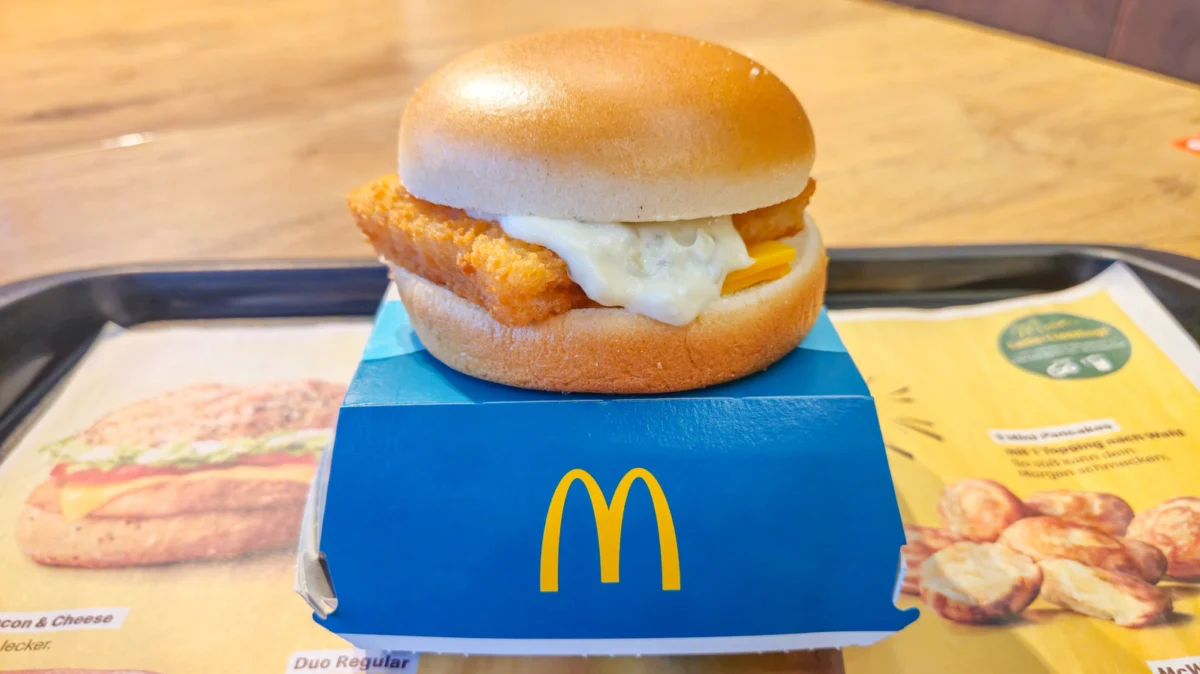
McDonald’s, a titan of the fast-food industry, has cultivated a global recognition for its diverse menu, yet certain items often eclipse others in public perception. While the Big Mac and Quarter Pounder frequently dominate discussions of the chain’s most iconic offerings, the Filet-O-Fish, a deceptively simple sandwich, often resides in a less celebrated corner of the menu. Despite its understated presence, this golden-hued creation has garnered attention from culinary professionals, offering a unique perspective on its enduring appeal and surprising complexities. This article delves into the nuanced opinions of several chefs regarding the McDonald’s Filet-O-Fish, exploring its ingredients, culinary merits, and its unexpected place in the fast-food landscape.
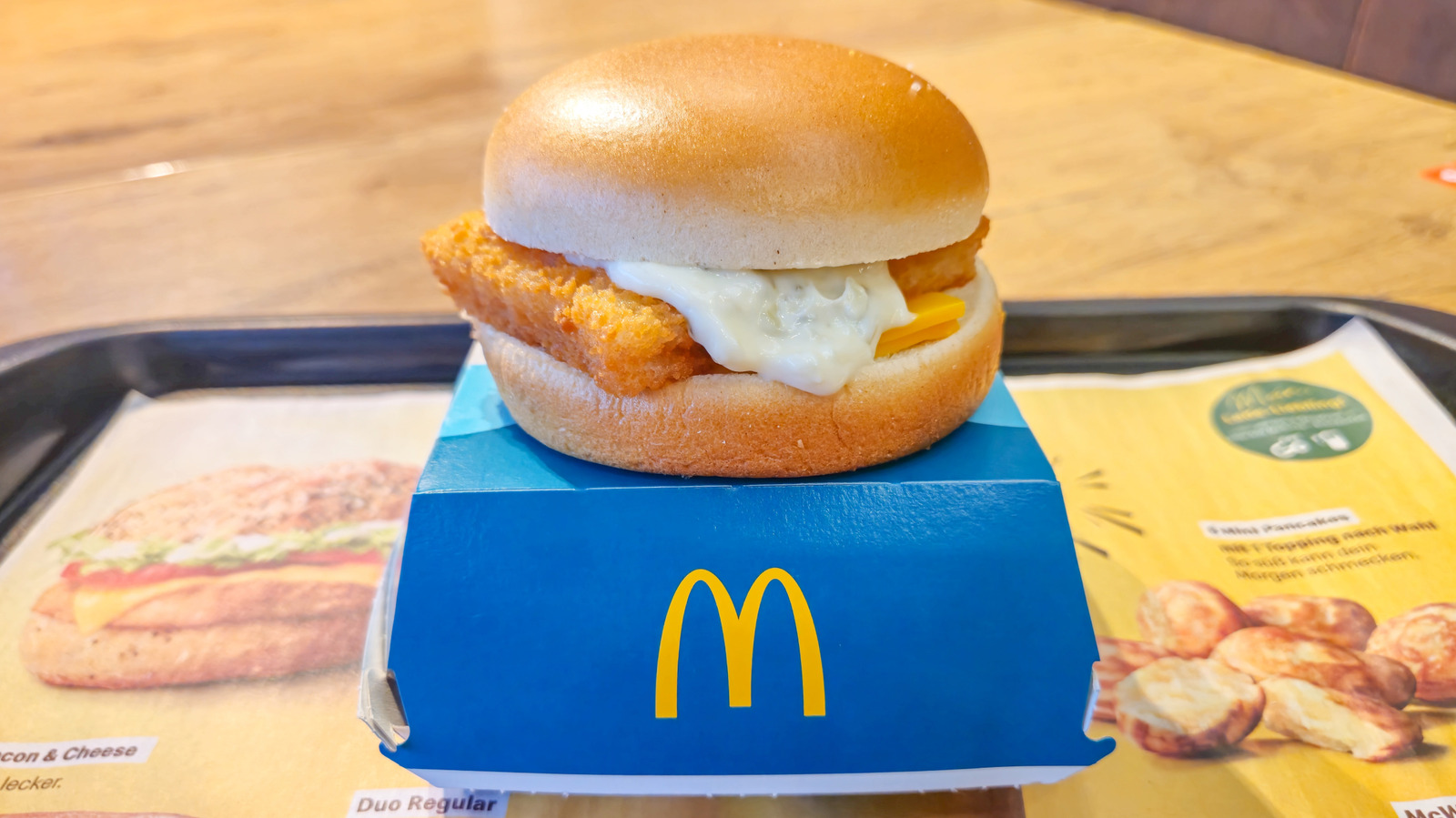
The Filet-O-Fish, a sandwich that features a fried fish patty, a slice of American cheese, and a generous dollop of tartar sauce, sandwiched between a steamed bun, might seem basic to some. However, for those who appreciate its distinct flavor profile, it stands as a testament to effective fast-food design. Its enduring presence on the McDonald’s menu, since its introduction as a Lenten special in 1962 and its permanent addition in 1965, speaks to a consistent demand and a successful formula. This longevity, spanning over six decades, is a significant factor in its iconic status, even if it doesn’t always receive the same fanfare as its beef-centric counterparts.
The Strategic Simplicity of Alaska Pollock
One of the most frequently cited aspects of the Filet-O-Fish by culinary experts is its choice of fish. The sandwich typically features Alaska Pollock, a decision that is not arbitrary but rather a strategic move to appeal to a broad demographic. According to Mark McShane, a chef and food safety expert at Level 3 Food Hygiene Certificate, the mild and delicate flavor profile of pollock is key to its widespread acceptance. "The sandwich uses a white fish (usually Alaska Pollock)," McShane explains, "which has a mild taste and a delicate flavor profile that will appeal to the widest number of people and will not have an overpowering ‘fish’ taste."
This culinary choice aligns with McDonald’s overarching strategy of mass appeal. By selecting a fish with a neutral flavor, the company ensures that the sandwich is accessible to consumers who might be hesitant about strong seafood tastes. This approach allows other components of the sandwich, particularly the tartar sauce, to take center stage, creating a balanced and broadly palatable experience. For consumers who may shy away from more "fishy" seafood options, the Filet-O-Fish offers a gateway into enjoying a fish sandwich without the intensity often associated with other marine fare.
A Surprisingly Marketable Combination
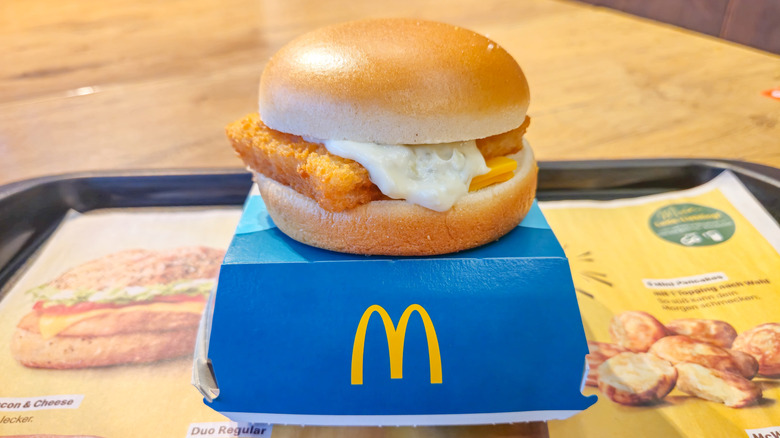
The specific combination of ingredients in the Filet-O-Fish has proven to be remarkably resilient and, perhaps surprisingly, influential. Paul Osborne, chief operations officer and head chef at Santa Barbara Fish Market in Goleta, California, notes the sandwich’s significant impact on the culinary landscape. "The Filet-O-Fish is one of the most imitated sandwiches I see in restaurants," Osborne states. "The combination of cheese (don’t tell my Italian grandmother), crispy fish, and tartar sauce is highly marketable and often imitated."
This observation highlights the sandwich’s success in creating a desirable flavor and texture profile. The interplay between the crispy fish, the creamy cheese, and the tangy tartar sauce, all enveloped in a soft bun, offers a satisfying sensory experience. This formula has become a benchmark, inspiring similar creations in various eateries, demonstrating McDonald’s ability to innovate and set trends within the fast-food industry. The sandwich’s success is not merely in its individual components but in their synergistic combination, which has resonated with consumers and inspired a generation of imitators.
An Unlikely Pairing: Chardonnay and Filet-O-Fish
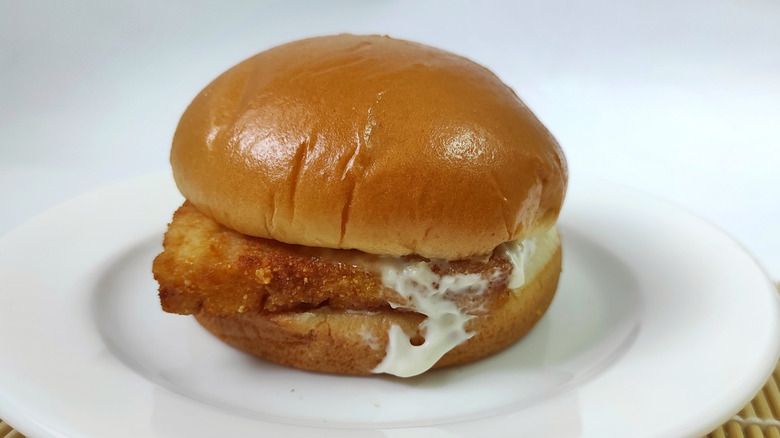
Beyond the sandwich itself, culinary professionals have also explored its potential as a dining accompaniment. Chef Bryce Palmer, executive chef at Sequoia Grove Winery, offers an intriguing perspective on beverage pairings, suggesting that the Filet-O-Fish can surprisingly complement certain wines, notably Chardonnay. "Fried fish and chardonnay have always worked well together, whether it’s from a drive-thru or a seafood restaurant. It sounds a little unexpected, but it really works," Palmer remarks.
Chardonnay’s versatility allows it to adapt to the Filet-O-Fish’s flavor profile. An oaked Chardonnay, with its buttery and citrus notes, can enhance the creaminess of the tartar sauce and cheese while its acidity cuts through the richness of the fried fish. Even sparkling Chardonnay, often found in Blanc de Blanc Champagne, can offer a sophisticated contrast. This unexpected pairing underscores the idea that even seemingly humble fast food can engage with the nuances of fine dining, suggesting a broader culinary appreciation for the Filet-O-Fish than its fast-food origins might imply.
The Hallmark of Consistency in a Variable World
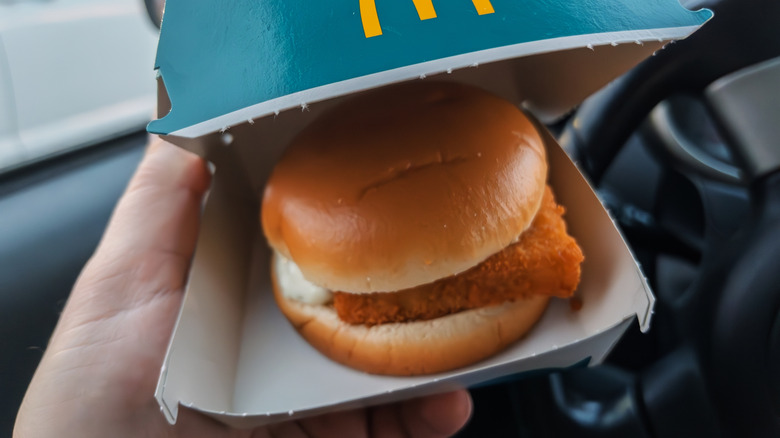
In an era where consumer expectations for consistency are paramount, the Filet-O-Fish stands out as an exceptionally reliable menu item. Mark McShane emphasizes this point, noting the immense challenge of maintaining such uniformity across a global chain. "Over the years, McDonald’s has perfected its recipe for this sandwich, and thus their customers know exactly what they are going to get when they order the Filet-O-Fish," he explains. "It is extremely hard to maintain consistency across all of your locations at the same level as McDonald’s."
This unwavering consistency, established over decades of operation, is a significant factor in the sandwich’s enduring popularity. It provides a sense of familiarity and comfort for consumers, assuring them of a predictable experience regardless of their location. This reliability is a core strength of the McDonald’s brand, and the Filet-O-Fish exemplifies this commitment to delivering a consistent product, solidifying its status as a comfort food classic.

Embracing Simplicity: The Sandwich That Knows Itself
The Filet-O-Fish is often praised for its lack of pretense. It does not attempt to be a gourmet creation, but rather an honest, straightforward fast-food item. Chef Bryce Palmer articulates this sentiment, stating, "I don’t think the Filet-O-Fish gets enough credit. It’s not trying to impress anybody—it’s just a solid sandwich. The fish stays crispy, the tartar sauce does what it’s supposed to do, and for whatever reason, that slice of American cheese belongs there. Every once in a while, that’s exactly what I’m in the mood for."
This appreciation for its unpretentious nature speaks to the sandwich’s ability to meet a specific consumer need: a satisfying, accessible, and uncomplicated meal. While it may not be the choice for those seeking an elevated culinary experience, its strength lies in its simplicity and its ability to deliver on its core promise of a crispy, flavorful, and affordable fish sandwich. It fulfills a niche without aspiring to be something it is not, a quality that many chefs find commendable.
The Tartar Sauce: The Unsung Hero
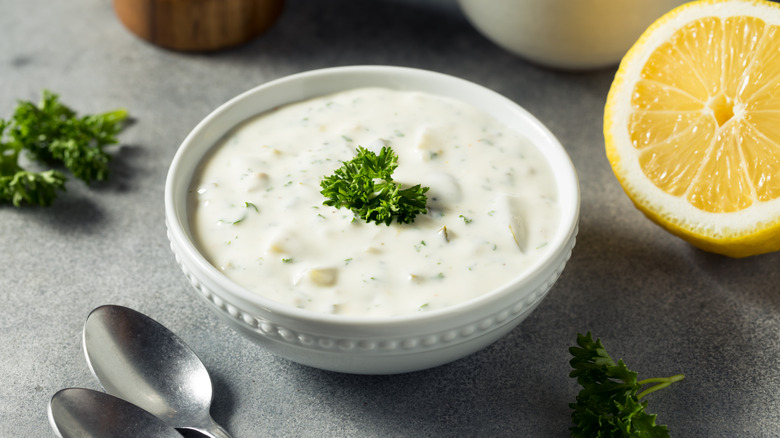
While the fish patty is the foundation, and the bun provides the vessel, the tartar sauce is frequently identified as the true star of the Filet-O-Fish. Mark McShane points to its crucial role in elevating the sandwich’s flavor profile. "The true highlight of the sandwich is the tartar sauce," he asserts. "The tartar adds rich, creamy flavor from the mayonnaise, some tanginess from the pickles, and a subtle sweetness to help round out the flavors of the mild fish."
The tartar sauce provides the sandwich with its essential creaminess, acidity, and herbaceous notes. In a sandwich with so few components, the tartar sauce shoulders the responsibility of delivering complexity and depth. Without an adequate amount of this flavorful condiment, the Filet-O-Fish can indeed taste bland. This reliance on the tartar sauce highlights how seemingly minor elements can play a disproportionately significant role in the overall success of a dish, especially in a minimalist fast-food context.
The Enigmatic Role of American Cheese
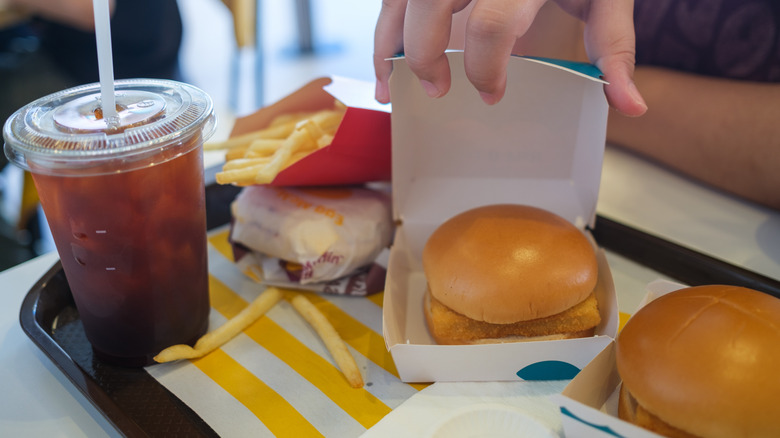
The presence of a slice of American cheese on the Filet-O-Fish has sparked debate among culinary professionals, with some questioning its contribution to the sandwich’s overall flavor. Chef Joe Nierstedt of Katsubo, while acknowledging the sandwich’s comforting reliability, expresses a degree of bewilderment regarding the cheese’s purpose. "Is that cheese doing anything?" Nierstedt muses. "Absolutely not," he concludes.
American cheese, known more for its meltability and creamy texture than its distinct flavor, offers a subtle richness to the Filet-O-Fish. However, as Nierstedt suggests, its impact on the taste profile is minimal, especially when contrasted with the more prominent flavors of the fish and tartar sauce. While it contributes to the sandwich’s creamy mouthfeel, some may find it superfluous, particularly if they are not seeking that particular textural element. Fortunately for those who feel this way, the cheese is easily removable, allowing for a customized Filet-O-Fish experience.
Avenues for Enhancement: Chefs’ Perspectives on Improvement
Despite its long-standing success, several chefs see potential for refinement in the McDonald’s Filet-O-Fish. Mark McShane, while appreciating the sandwich’s strengths, outlines several areas where improvements could elevate the dish. "I would like to see a slightly thicker filet, a more aggressive seasoning on the breading, a tartar sauce with more fresh dill, capers, or lemon zest, and possibly a little more acidity to add brightness to each bite," he suggests.
These proposed enhancements aim to introduce greater flavor complexity and textural interest. A thicker filet would provide a more substantial bite, while more robust seasoning on the breading could add depth. The suggestion for a tartar sauce with fresh dill, capers, or lemon zest points to a desire for brighter, more vibrant flavors that could cut through the richness of the fried fish and complement the mildness of the pollock.

The potential for McDonald’s to implement such changes remains a subject of speculation. Given the chain’s focus on cost-effectiveness and standardized production, it is uncertain whether significant overhauls to ingredients or preparation methods are on the horizon. The current discourse surrounding the perceived decline in quality at some fast-food establishments suggests that a shift towards more premium ingredients or artisanal preparations might be challenging for McDonald’s to undertake without fundamentally altering its business model. Nevertheless, these expert opinions offer a fascinating glimpse into how a familiar fast-food icon could be reimagined, even as it continues to satisfy millions with its tried-and-true formula.
