
An Insight into a Versatile and Nutritious Breakfast Option
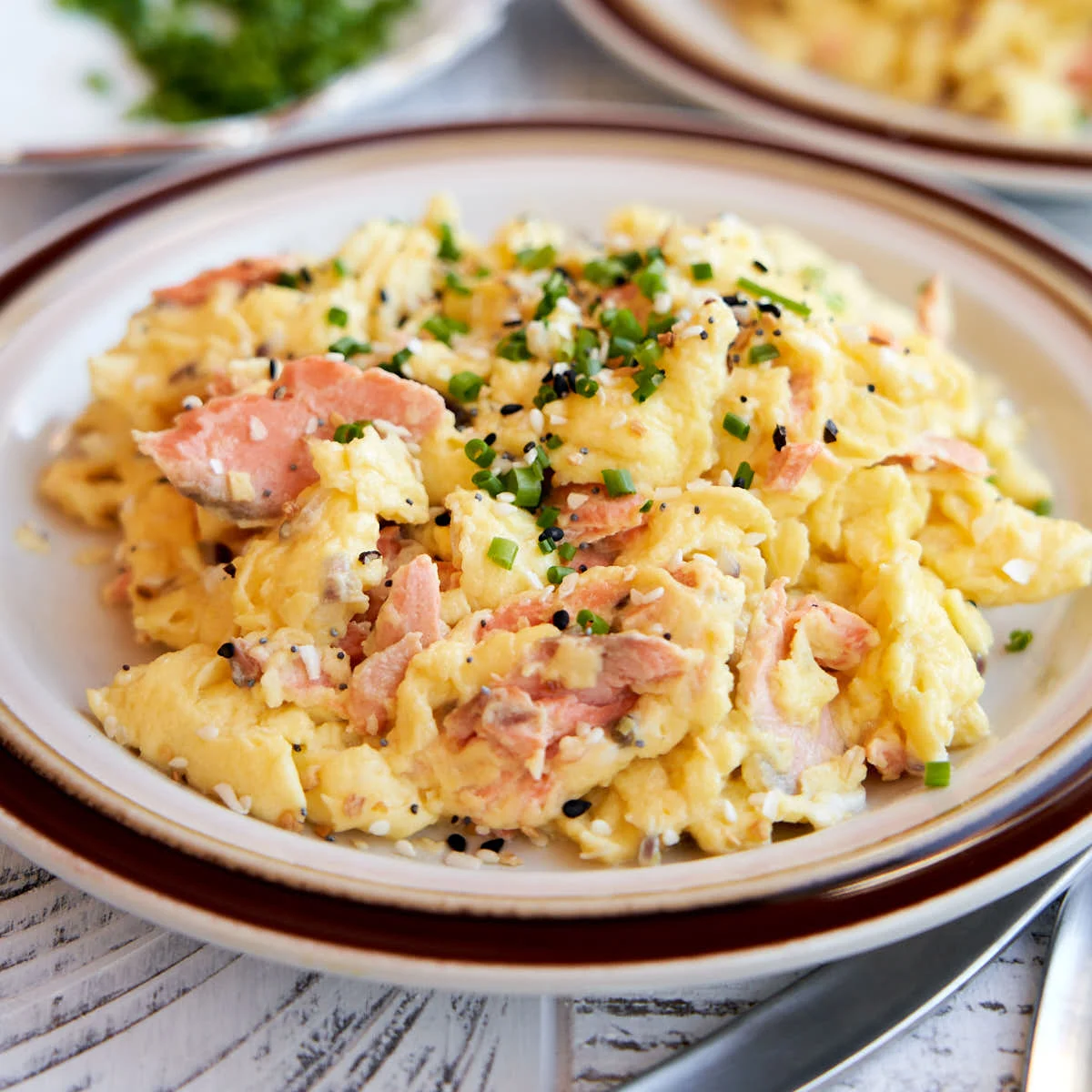
The humble combination of salmon and eggs, often relegated to the realm of simple leftovers transformed into a quick meal, is emerging as a surprisingly sophisticated and highly nutritious breakfast choice. This article delves into the preparation, benefits, and culinary versatility of salmon and eggs as a breakfast staple, highlighting its appeal for both busy weekdays and relaxed weekend brunches.
The Appeal of Salmon and Eggs: More Than Just Leftovers
At its core, salmon and eggs represent an elegant solution to the common culinary challenge of utilizing leftover ingredients. The inherent richness and protein content of salmon, when paired with the creamy texture of well-prepared scrambled eggs, creates a satisfying and energizing start to the day. This dish is particularly lauded for its speed of preparation, making it an ideal option for individuals with demanding morning schedules. However, its inherent appeal extends beyond mere convenience; the combination offers a sophisticated flavor profile that can elevate a standard breakfast into a weekend brunch treat. The straightforward nature of the recipe also lends itself to scalability, allowing for easy adaptation to feed larger groups with minimal fuss.
Nutritional Powerhouse: Unpacking the Benefits
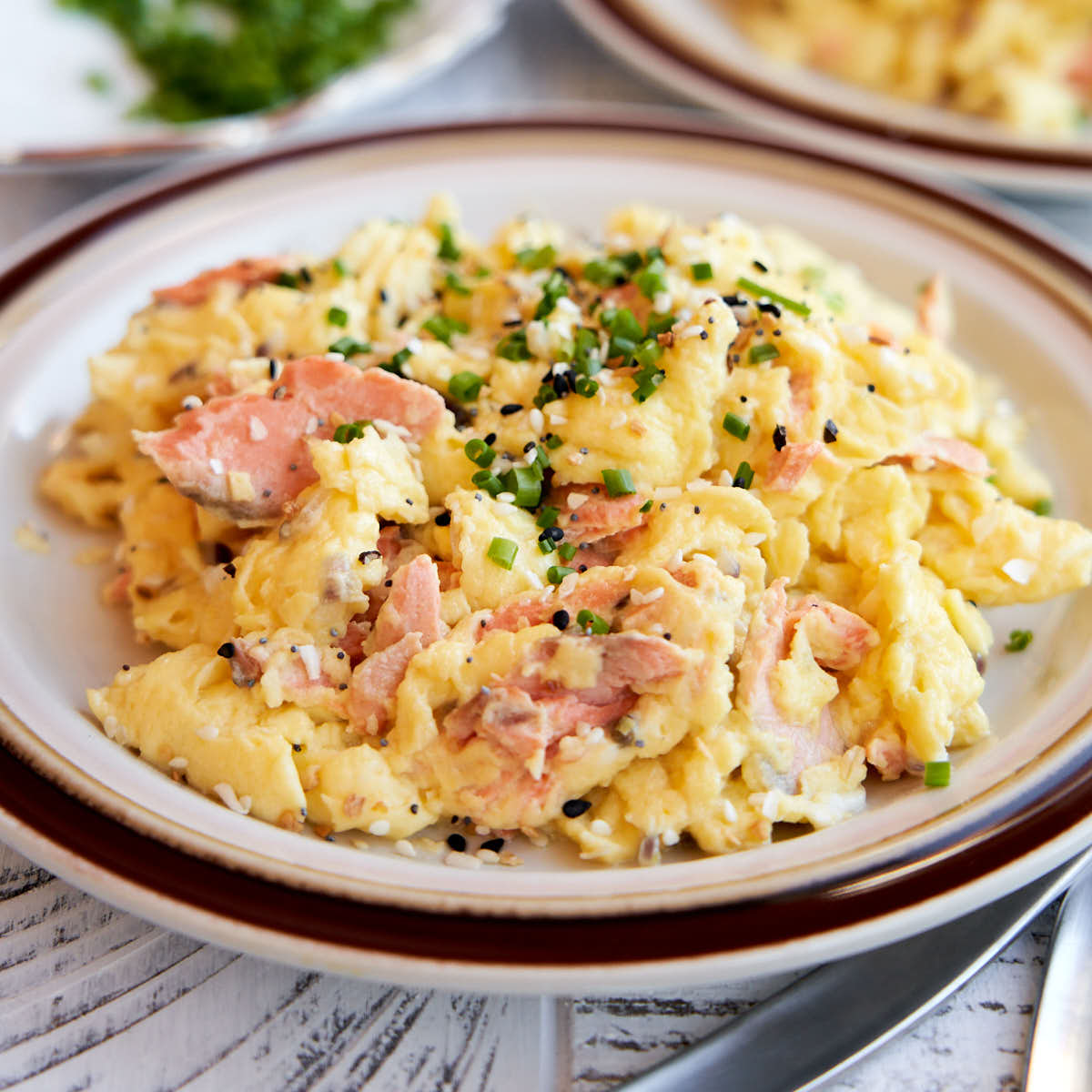
The nutritional profile of salmon and eggs makes this breakfast a powerhouse of essential nutrients. Salmon, a fatty fish, is renowned for its high content of omega-3 fatty acids, specifically EPA and DHA. These essential fatty acids are critical for brain health, cardiovascular function, and reducing inflammation throughout the body. Studies published in journals like the American Journal of Clinical Nutrition have consistently demonstrated the positive impact of omega-3s on cognitive function, mood regulation, and the prevention of chronic diseases. Furthermore, salmon is an excellent source of high-quality protein, which is vital for muscle repair and satiety, helping to keep hunger at bay throughout the morning.
Eggs, another breakfast cornerstone, are a complete protein source, meaning they contain all nine essential amino acids. They are also rich in vitamins and minerals, including vitamin D, vitamin B12, selenium, and choline. Choline, in particular, is crucial for brain development and function, and plays a role in liver function and metabolism. The combination of these two ingredients thus provides a synergistic nutritional boost, offering sustained energy release and a wealth of health benefits.
Mastering the Art of Fluffy Scrambled Eggs: Key Techniques
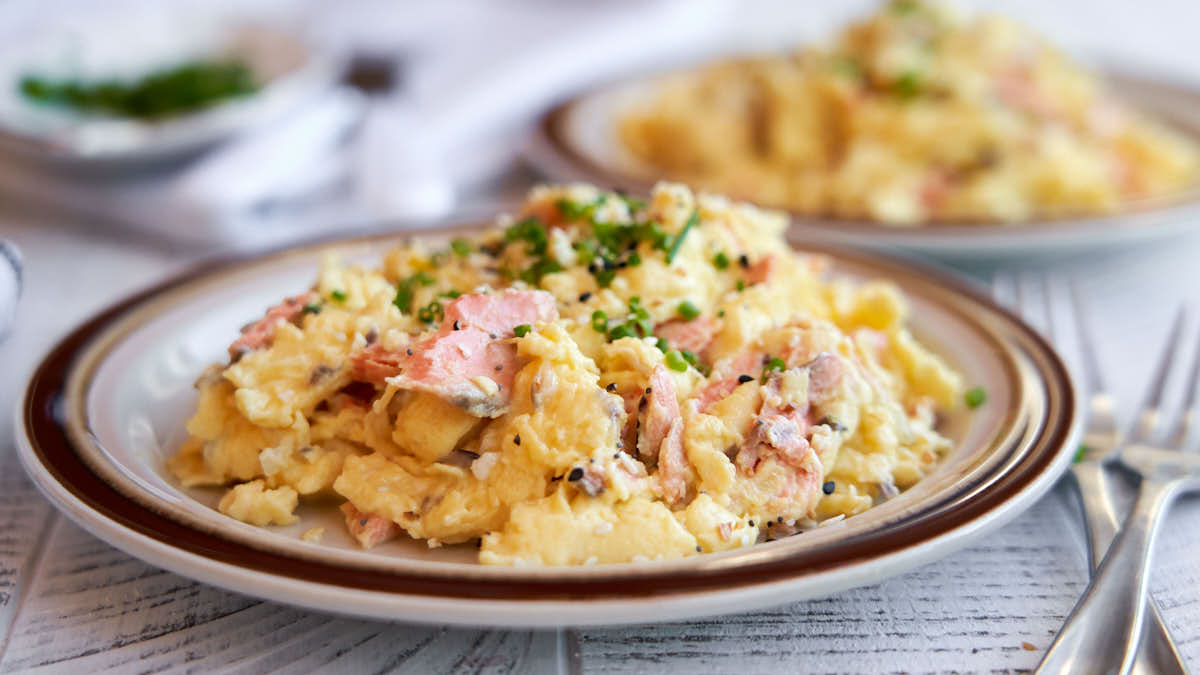
Achieving the perfect texture for scrambled eggs is paramount to enjoying this dish. The author emphasizes two critical techniques: the use of half-and-half and thorough egg beating.
-
The Role of Half-and-Half: Incorporating half-and-half, a dairy product with a fat content typically between 10.5% and 18%, is crucial for achieving creamy, non-rubbery eggs. The fat content in half-and-half emulsifies with the egg proteins, preventing them from coagulating too tightly, which can lead to a tough texture. While whole milk can be substituted in a pinch, it lacks the richness of half-and-half, resulting in a less luxurious mouthfeel. For those seeking an exceptionally rich and smooth egg experience, this ingredient is deemed non-negotiable.
-
The Importance of Thorough Beating: The process of beating the eggs is twofold in its importance. Firstly, it ensures that the egg yolks and whites are thoroughly combined, preventing streaky, unevenly colored eggs. The goal is to achieve a uniform pale yellow hue, indicating complete emulsification. The author advises beating for an additional 30 seconds beyond what might seem sufficient to eliminate any visible streaks or gloopy lumps. Secondly, beating introduces air into the egg mixture. This aeration creates tiny air pockets that expand during cooking, contributing to the light and fluffy texture of the final scrambled eggs. Using a whisk is recommended for optimal aeration, though a fork can also be used with more time and effort.
Integrating Salmon for Optimal Flavor and Texture
The integration of salmon into the scrambled eggs requires a thoughtful approach to preserve both the fish’s delicate texture and the eggs’ creamy consistency.
-
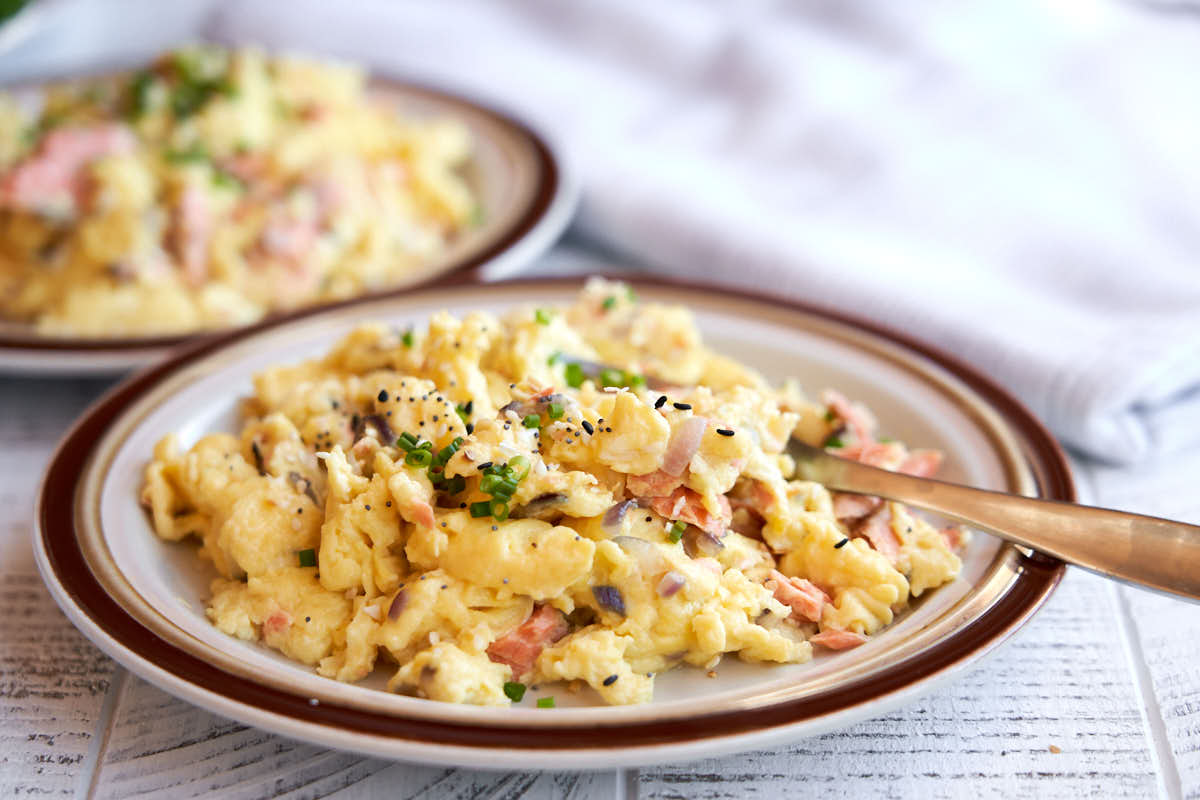
Room Temperature is Key: Allowing leftover salmon to reach room temperature before incorporating it into the eggs is a subtle yet significant step. Cold salmon can rapidly cool down the cooking eggs, disrupting the cooking process and potentially leading to unevenly cooked eggs.
-
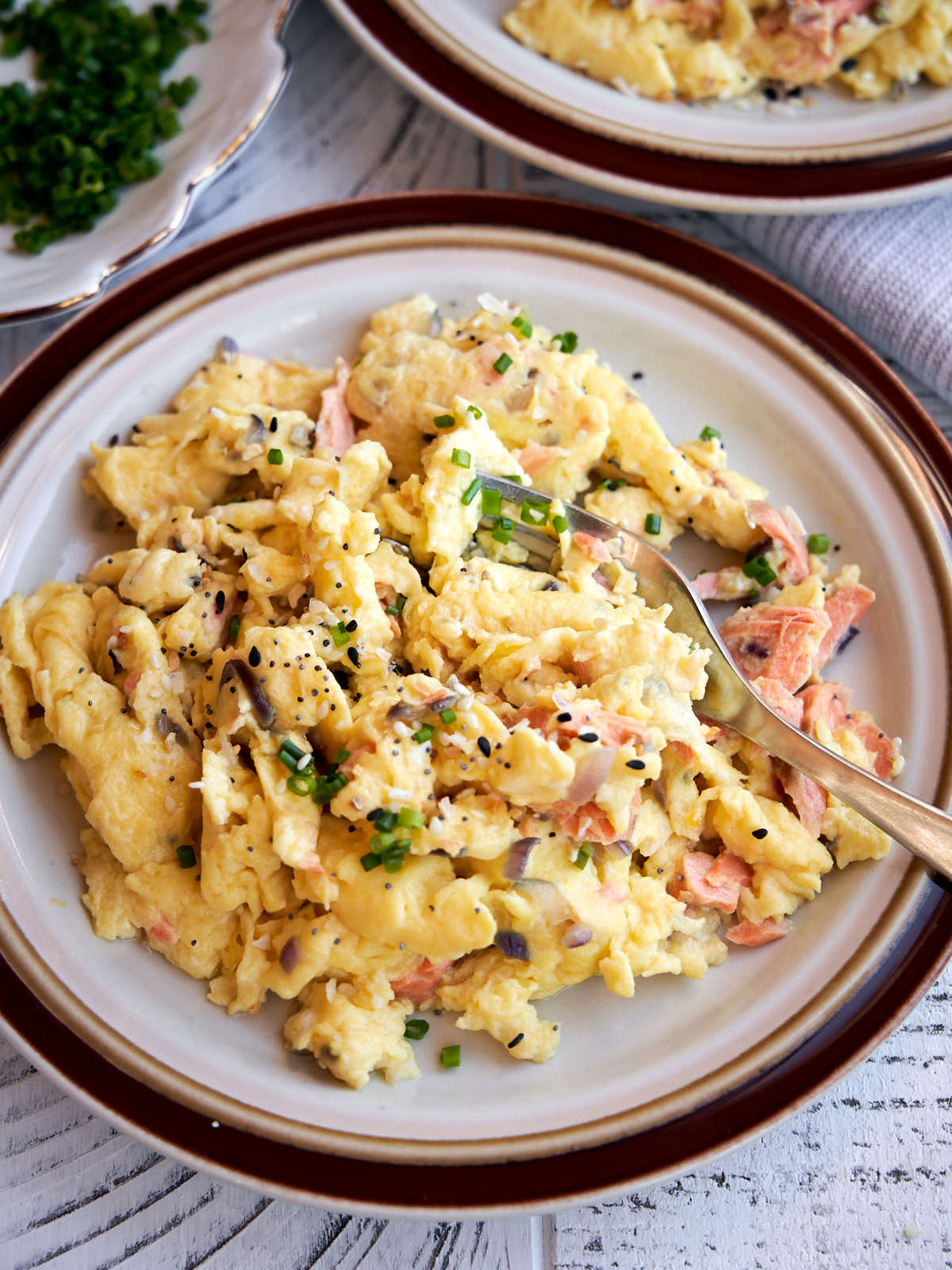
Timing is Everything: Adding the salmon towards the end of the egg-cooking process is essential to prevent overcooking the fish. The ideal moment to introduce the salmon is when the eggs are still wet but beginning to form curds. This allows sufficient time for the salmon to gently warm through without drying out. Furthermore, the slightly wet nature of the eggs at this stage helps the fish adhere to the scramble, ensuring it is evenly distributed throughout the dish.
The Finishing Touches: Elevating the Experience
The final embellishments play a crucial role in transforming a simple salmon and eggs dish into a culinary delight.
-
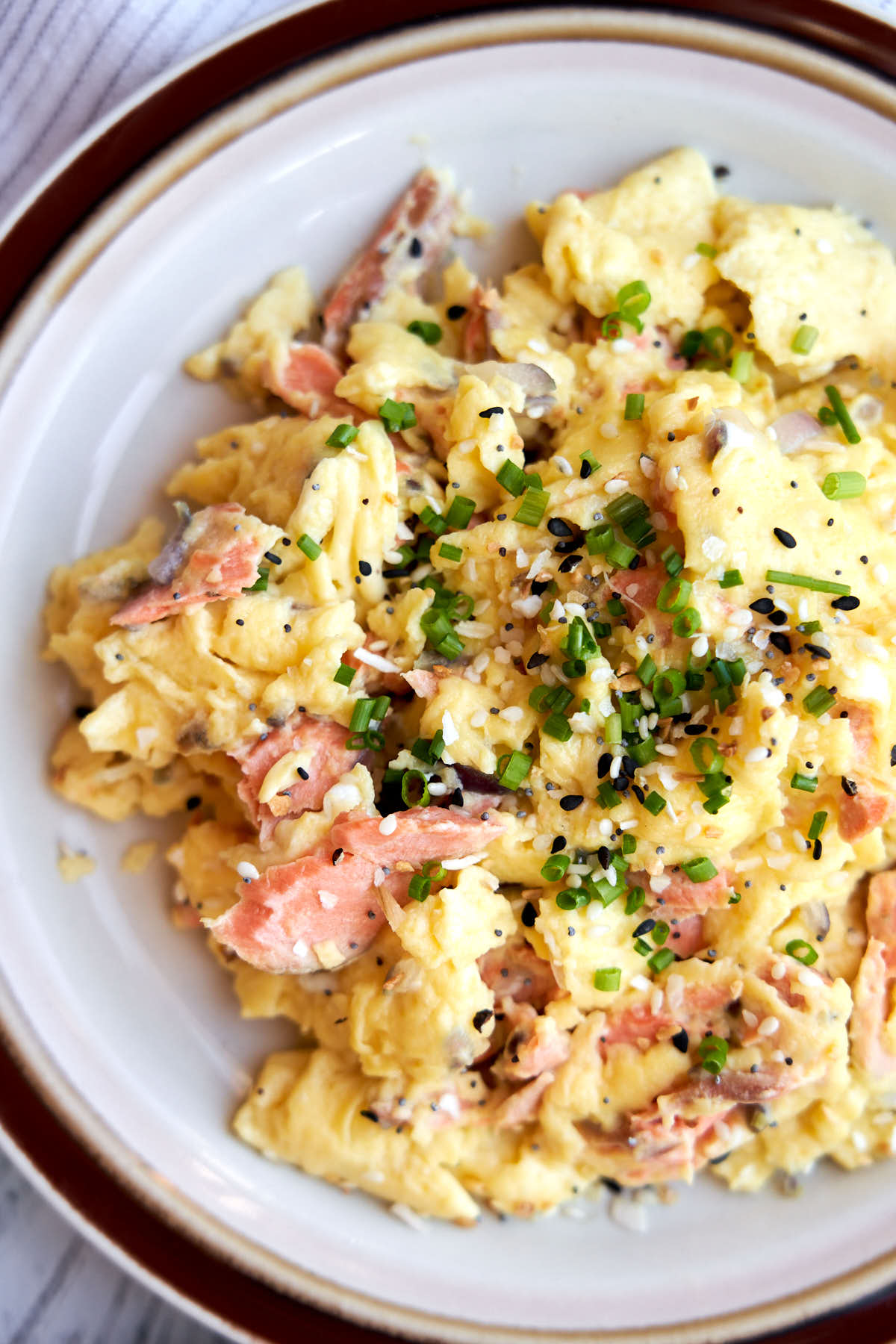
Everything But the Bagel Seasoning: The author strongly advocates for topping the finished dish with "Everything but the Bagel" seasoning. This popular blend, typically containing sesame seeds, poppy seeds, dried garlic, dried onion, and salt, provides a complex savory flavor and a delightful textural contrast to the soft eggs and flaky salmon.
-
Fresh Chives: For a burst of color and a subtle oniony freshness, fresh chives are recommended. For those who may not always have fresh herbs on hand, the author notes the convenience of freeze-dried chives, which offer a long shelf life and retain much of their flavor.
Choosing the Right Salmon: A Matter of Preparation
The versatility of this recipe is underscored by its adaptability to various types of cooked salmon.
-
Leftover Cooked Salmon: The most practical and intended use of this recipe is with leftover cooked salmon from a previous meal. Baked or pan-fried salmon fillets are ideal, as they offer a firm texture that flakes well into the eggs.
-
Freshly Cooked Salmon: In the absence of leftovers, a simple fillet of salmon can be cooked specifically for this breakfast. The cooking method does not need to be elaborate; a basic preparation will suffice.
-
What to Avoid: It is crucial to note that smoked salmon is not suitable for this recipe. Its high salt content would overpower the delicate flavors of the eggs, and its inherent curing process would lead to a dry, undesirable texture when added to the hot eggs. The recipe is specifically designed for flaked, cooked salmon, not cured or smoked varieties.
Broader Implications and Culinary Trends
The resurgence of dishes that creatively utilize leftovers, like this salmon and eggs recipe, reflects a growing awareness of sustainable food practices and a desire for resourceful cooking. As food prices continue to fluctuate, consumers are increasingly looking for ways to maximize the value of their groceries. Recipes that transform seemingly mundane leftovers into appealing meals are gaining traction in culinary circles and online platforms.
Furthermore, the inclusion of fish in breakfast menus aligns with a broader trend towards more diverse and protein-rich morning meals. While traditionally associated with lunch or dinner, the nutritional benefits of fish are being recognized for their capacity to provide sustained energy and cognitive support throughout the day. This shift is evident in the growing popularity of dishes like tuna omelettes and salmon scrambles, catering to health-conscious consumers seeking nutritious and flavorful alternatives to conventional breakfast fare.
The author’s recommendation to try a "Tuna Omelette" as another popular fish-based breakfast option further illustrates this culinary evolution. The inclusion of specific affiliate links for "Everything but the Bagel seasoning" and "freeze-dried chives" points to the increasing integration of specialized ingredients and convenient pantry staples in modern home cooking. These elements enhance both the flavor profile and the practical execution of recipes, making them more accessible and appealing to a wider audience.
In conclusion, the salmon and eggs breakfast offers a compelling combination of taste, nutrition, and convenience. Its simple preparation, coupled with its impressive health benefits and adaptability, positions it as a valuable addition to any breakfast repertoire. As consumers continue to seek out creative and nutritious ways to start their day, this versatile dish is likely to remain a popular and enduring choice.
