
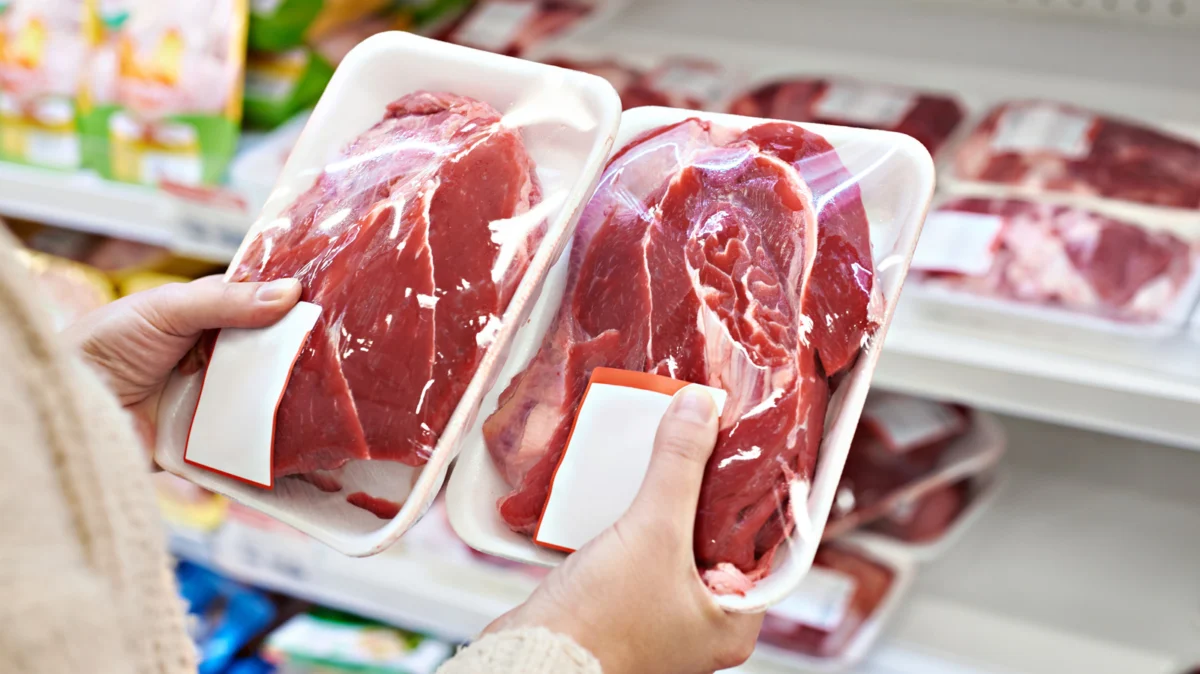
As the mercury climbs and summer’s embrace intensifies, the siren song of backyard barbecues and sun-drenched picnics fills the air. While these leisurely pursuits define the season, they also herald a critical, yet often overlooked, food safety imperative: the handling of perishable goods, particularly raw meat, during transit from the grocery store. The extended daylight hours and warm weather that foster outdoor enjoyment also create an ideal breeding ground for bacteria, turning even routine errands into potential health hazards. Food safety experts universally emphasize a singular, crucial rule: on hot days, meat should not be left unrefrigerated for more than one hour. This guideline is not arbitrary but is deeply rooted in the scientific understanding of microbial growth and the concept of the "Danger Zone" – a temperature range where bacteria proliferate with alarming speed.
The fundamental purpose of refrigeration is to create an environment inhospitable to the microscopic organisms that can cause foodborne illness. By keeping food below 40 degrees Fahrenheit (4 degrees Celsius), the growth of most bacteria is significantly slowed, or even halted. Conversely, temperatures above 140 degrees Fahrenheit (60 degrees Celsius) are generally sufficient to kill many types of bacteria. The perilous territory lies in between these two points, typically defined as the range of 40 to 140 degrees Fahrenheit (4 to 60 degrees Celsius). This is the "Danger Zone," a thermal sweet spot where bacteria can double their populations in as little as 20 minutes under ideal conditions.
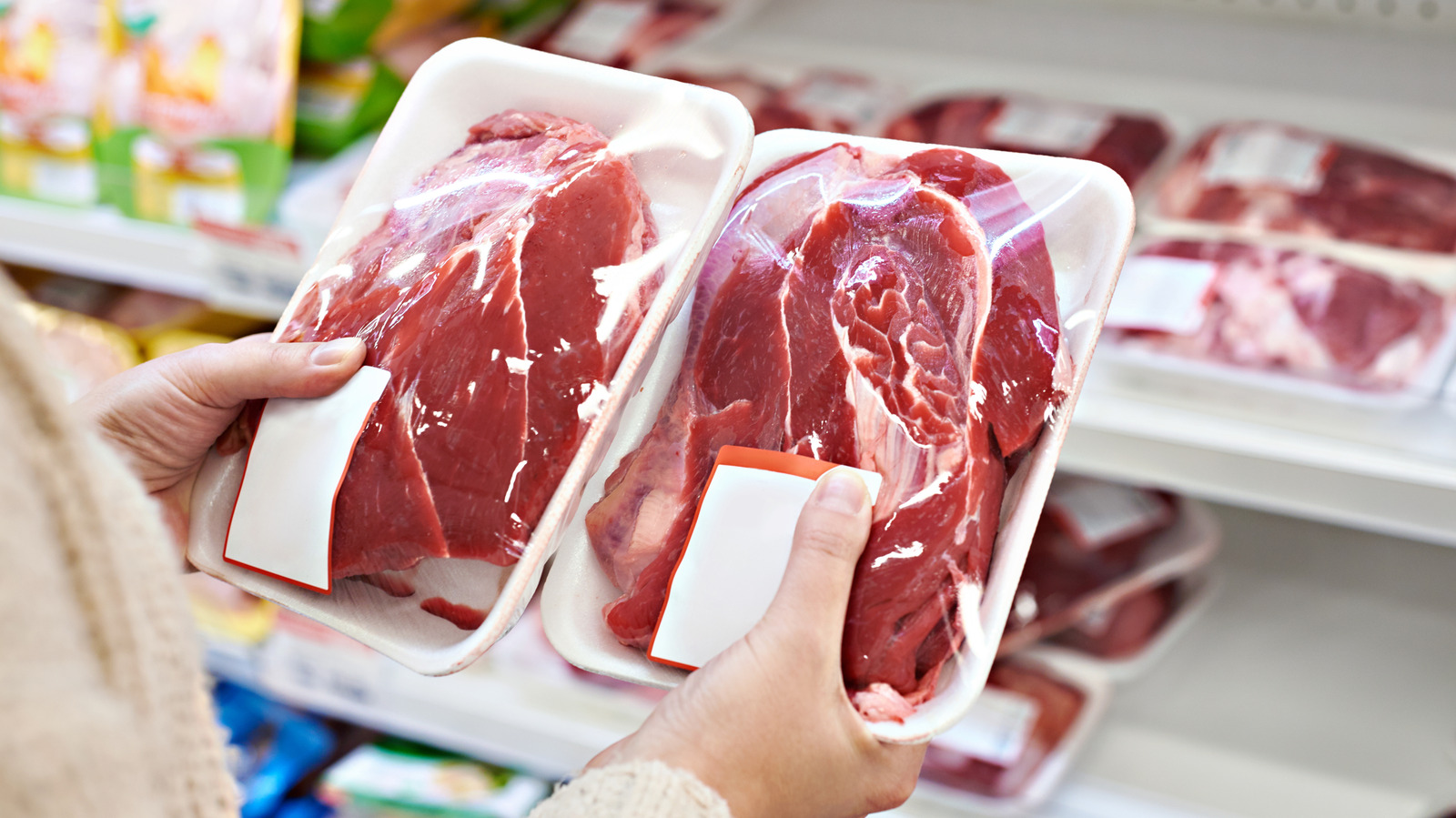
The urgency of this rule escalates dramatically during the peak of summer. When ambient temperatures soar above 90 degrees Fahrenheit (32 degrees Celsius), the U.S. Department of Agriculture (USDA) tightens its recommendation, stipulating that perishable foods, including raw meat, should not remain outside of refrigeration for longer than a single hour. It’s vital to understand that the risk doesn’t manifest as an immediate, all-or-nothing scenario. Rather, each minute that meat spends within the Danger Zone provides bacteria with additional opportunities to multiply. Unlike the appealing abundance of a well-laden barbecue platter, in the realm of microbial contamination, more is unequivocally not better.
The Unseen Clock: Bacteria’s Summer Surge
The clock on food safety begins its relentless tick the moment a package of raw meat is removed from the chilled confines of the grocery store’s display case. Its temperature begins its ascent as it rests in the shopping cart, navigates the often-scorching pathways of the supermarket, waits in the checkout queue, endures the heat of a sun-baked parking lot, and continues its journey home in a warm vehicle. Even upon arrival, a few minutes spent on the kitchen counter during unpacking contribute to this cumulative exposure.
It is a common misconception that bacteria are visible entities actively consuming food. In reality, foodborne pathogens operate through population growth. A few initial microbes are often not a cause for immediate alarm. However, under favorable conditions – namely, warmth, moisture, and time – these initial populations can rapidly escalate to levels that pose a significant health risk. Refrigeration’s primary function is not to eradicate bacteria but to inhibit their reproductive cycle. Therefore, the refrigerator is not a magical reset button, especially if bacteria have already achieved substantial growth. The process of cooling also takes time; meat that has warmed significantly will gradually cool in the refrigerator, passing through that critical window of accelerated bacterial proliferation during the cooling phase as well.
The entire landscape of food safety can be understood as a continuum of risk, intricately influenced by the interplay of time and temperature. During the cooler months, when ambient temperatures may hover closer to refrigerator temperatures, there is a marginally greater margin for error. Microbial growth is inherently slower at temperatures nearer to 40 degrees Fahrenheit. However, on a sweltering summer day, even seemingly small increments of time spent outside of refrigeration can rapidly compound. A brief 10-minute drive home on a mild afternoon presents a different risk profile than a 45-minute commute when temperatures are pushing into the 90s. Furthermore, engaging in additional errands after purchasing perishable items significantly widens this precarious window. For consumers residing at a considerable distance from their grocery store, the use of an insulated cooler bag can be a crucial investment, effectively buying precious time by maintaining a cooler internal temperature. Packing multiple chilled items together can also create a small thermal buffer, slowing the rate at which individual items warm up. The most prudent approach, however, remains a strategic shopping sequence: purchase refrigerated and frozen items last, proceed directly home without delay, and promptly store them in their designated cold environments.
Beyond Spoilage: The Hidden Threat of Pathogens
While the visible signs of spoilage – off-putting odors, slimy textures, visible mold, and color changes – are clear indicators that food is no longer safe for consumption, they represent only one facet of the food safety challenge. The more insidious threat comes from pathogenic bacteria, microorganisms that can cause illness but may not present any outward signs of spoilage. Thorough cooking, generally above 140 degrees Fahrenheit (60 degrees Celsius), is effective in destroying many disease-causing bacteria, such as E. coli and Salmonella, by damaging their cellular structures. However, some bacteria, like Staphylococcus aureus, produce toxins that are heat-stable. These enterotoxins can remain in the food even after cooking, posing a risk. Similarly, Clostridium perfringens, another common culprit, forms spores that can survive cooking temperatures. These spores can germinate and multiply in foods like roasts, stews, and large batches of sauces, particularly if these items are cooled too slowly or held for extended periods at unsafe temperatures.
It is essential to distinguish between spoilage and contamination. Spoilage is a natural biological process of decomposition in organic materials. Spoilage organisms are responsible for the visible and olfactory cues that signal food has deteriorated. Pathogens, on the other hand, are the invisible agents of illness. While spoilage and contamination can sometimes overlap, they are not synonymous. The absence of visible spoilage does not guarantee the absence of harmful pathogens.

Scientific Principles for Everyday Safety
Understanding the underlying science of bacterial growth is not a prerequisite for practicing good food safety, but it certainly empowers consumers to make informed decisions. The fundamental principle is straightforward: bacteria thrive in warm, moist environments and require time to multiply. By systematically removing or limiting one of these variables – temperature, moisture, or time – consumers can significantly impede bacterial growth and enhance their own safety. This is precisely why food safety experts consistently advocate for the prompt transport of meat from the grocery store to the refrigerator, especially on hot days. The less time raw meat spends within the "Danger Zone," the fewer opportunities harmful microbes have to proliferate, thereby minimizing the risk of foodborne illness and transforming a potentially cautionary tale into a safe and enjoyable culinary experience.
The implications of neglecting these simple yet critical food safety practices extend beyond individual discomfort. Foodborne illnesses can lead to severe health consequences, including hospitalization and, in rare cases, death. For vulnerable populations such as young children, the elderly, pregnant women, and individuals with compromised immune systems, the risks are amplified. Public health agencies continually work to educate the public on these matters, recognizing that widespread adherence to basic food safety protocols can significantly reduce the incidence of preventable illnesses and the associated healthcare burdens. The grocery industry also plays a role, ensuring that refrigeration units are maintained at optimal temperatures and that staff are trained in proper food handling procedures to minimize risks within the store environment. Consumers, armed with this knowledge, can become active participants in safeguarding their own health and that of their families.
