
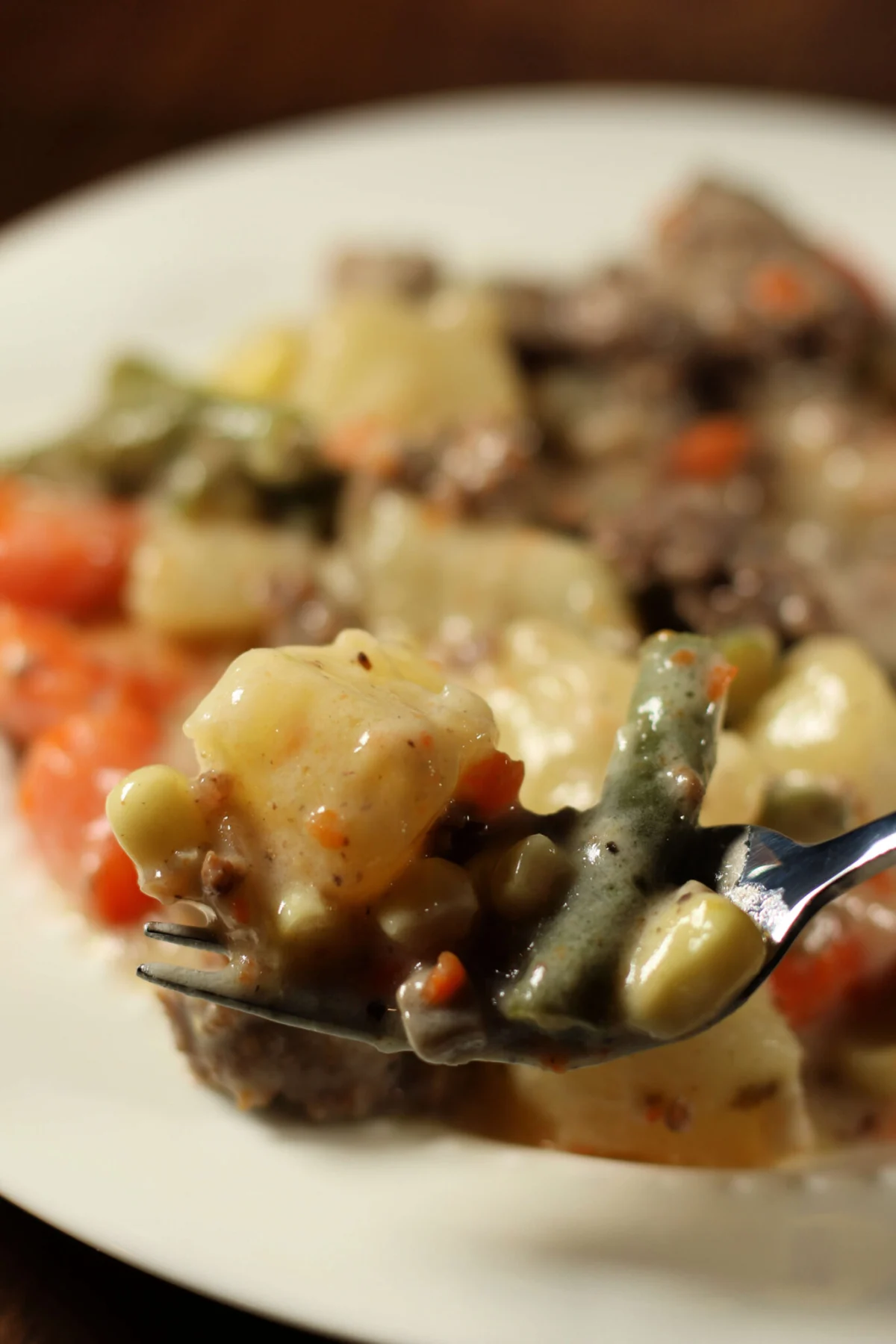
The Evolution of the Amish Culinary Tradition
The roots of the Amish Beef and Potato Casserole are found within the Pennsylvania Dutch and broader Anabaptist communities, where cooking has historically been defined by seasonal availability, self-sufficiency, and the need to provide high-energy meals for manual laborers. Traditionally, such dishes were prepared in heavy cast-iron cookware over wood-burning stoves or in large outdoor ovens. The reliance on root vegetables, particularly potatoes, and farm-raised beef reflects a lifestyle where these ingredients were staples of the household inventory.
As these communities and their descendants moved into the modern era, the recipes underwent a process of "culinary migration." What was once a slow-cooked, labor-intensive meal has been streamlined. The transition from a full-day preparation to a process that takes under thirty minutes is largely attributed to the introduction of the electric pressure cooker, or Instant Pot, which has revolutionized the preparation of starch-based components like potatoes. This evolution highlights a broader trend in domestic science: the preservation of cultural identity through flavor, even as the methodology of preparation shifts toward industrial efficiency.
Technical Methodology and Preparation Workflow
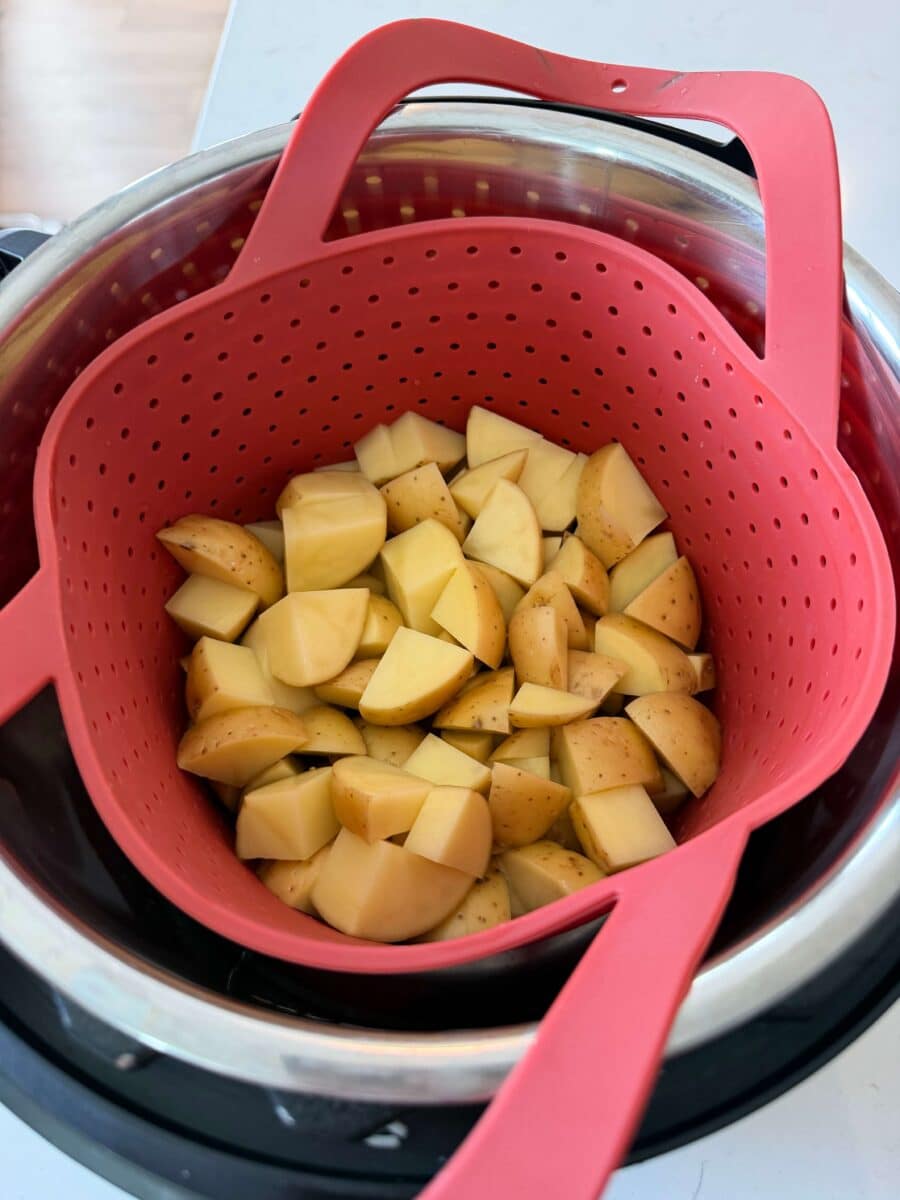
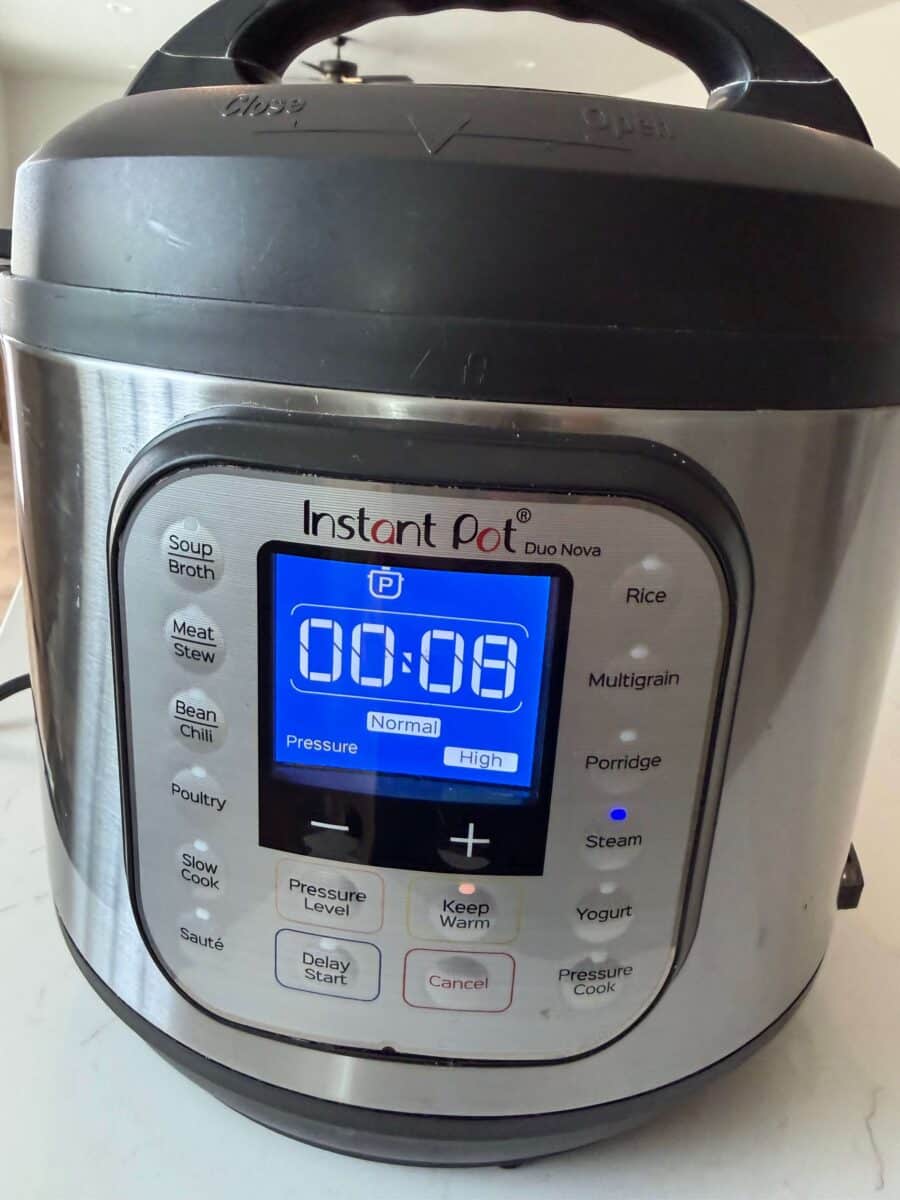
The preparation of the Amish Beef and Potato Casserole involves a dual-pathway cooking strategy that maximizes time management. The process begins with the starch component, where approximately 1.5 cups of water are utilized in a pressure cooker environment to steam potatoes. By placing the potatoes in a steamer basket and applying high pressure for approximately eight minutes, the internal structure of the potato is broken down more uniformly and rapidly than through traditional boiling.
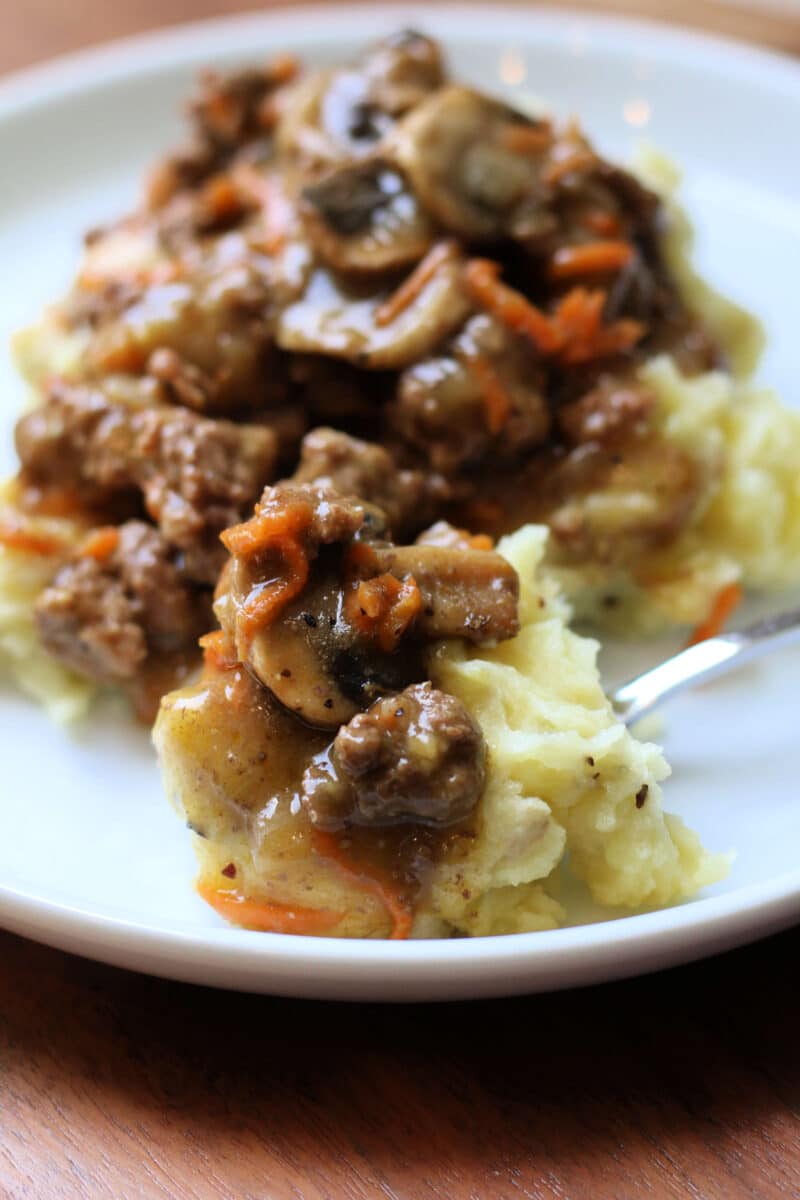
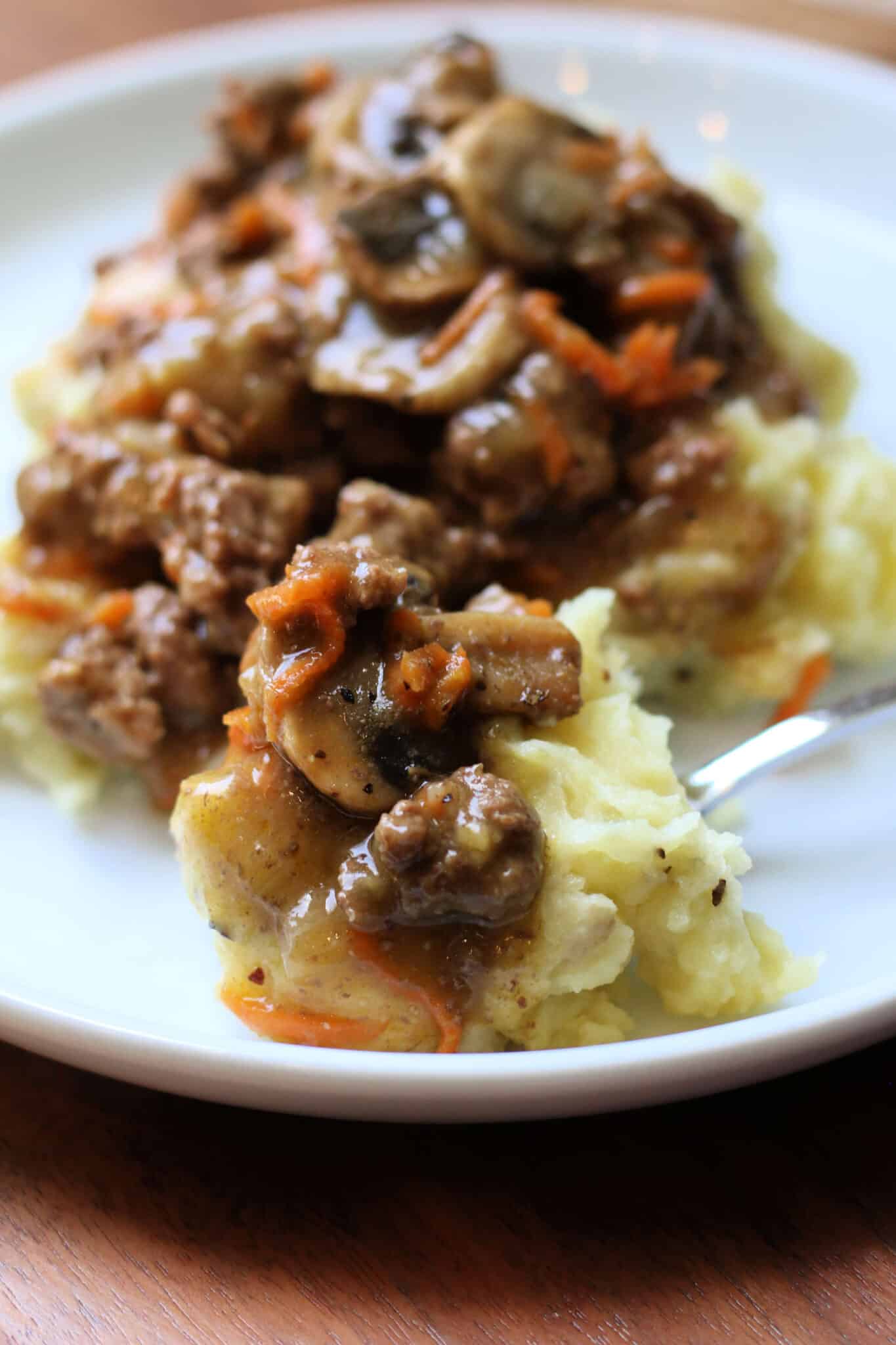
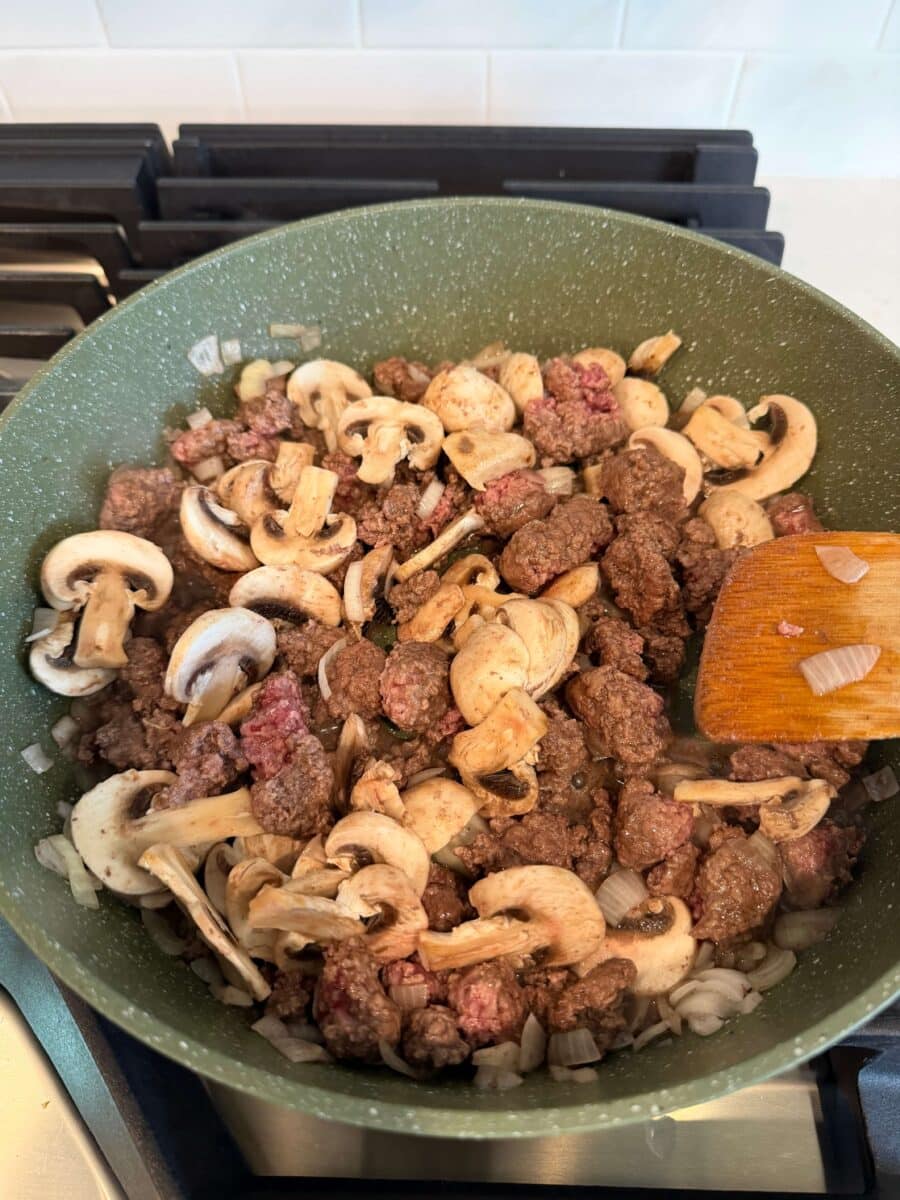
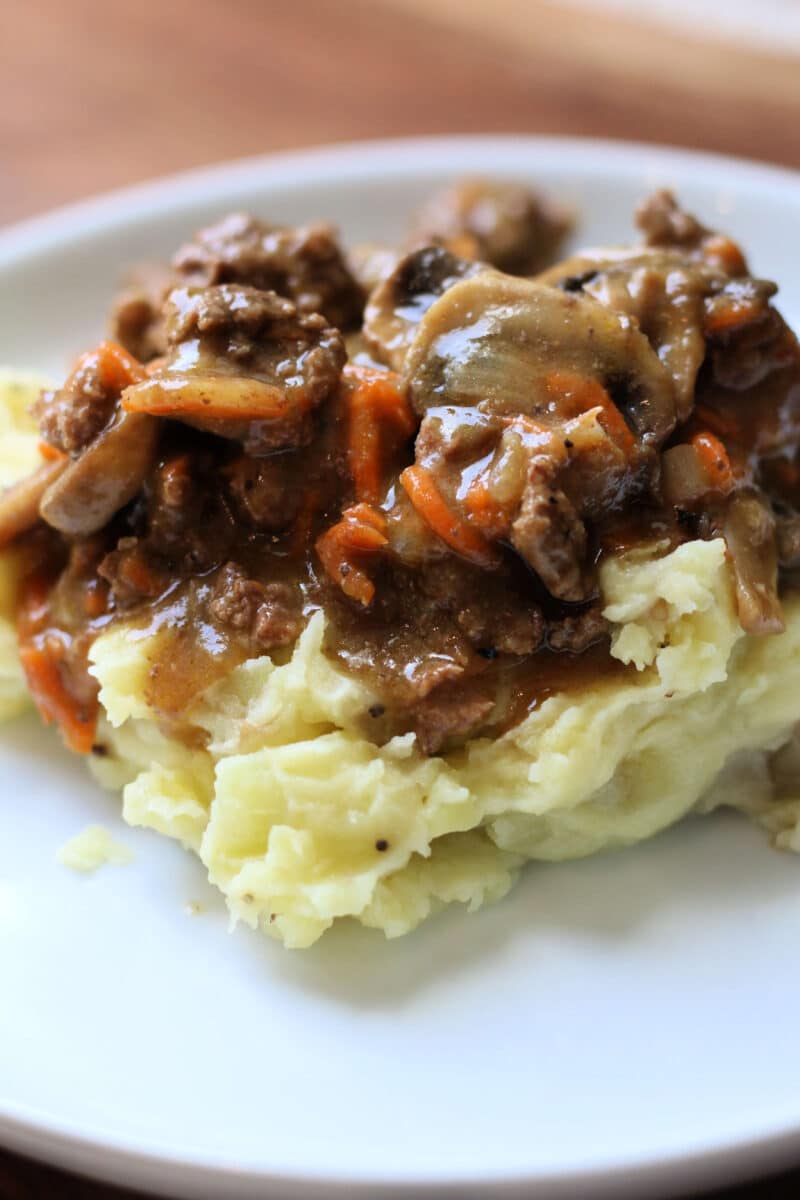
Simultaneously, the protein and gravy component is developed on a stovetop. This phase of the preparation focuses on the Maillard reaction—the chemical reaction between amino acids and reducing sugars that gives browned food its distinctive flavor. Ground beef is seared over medium-high heat and integrated with aromatics, including onions, mushrooms, and carrots. The inclusion of mushrooms serves a dual purpose: it enhances the umami profile of the dish while acting as a "meat extender," a technique historically used during periods of economic scarcity to increase the volume of a meal without increasing the cost of expensive proteins.
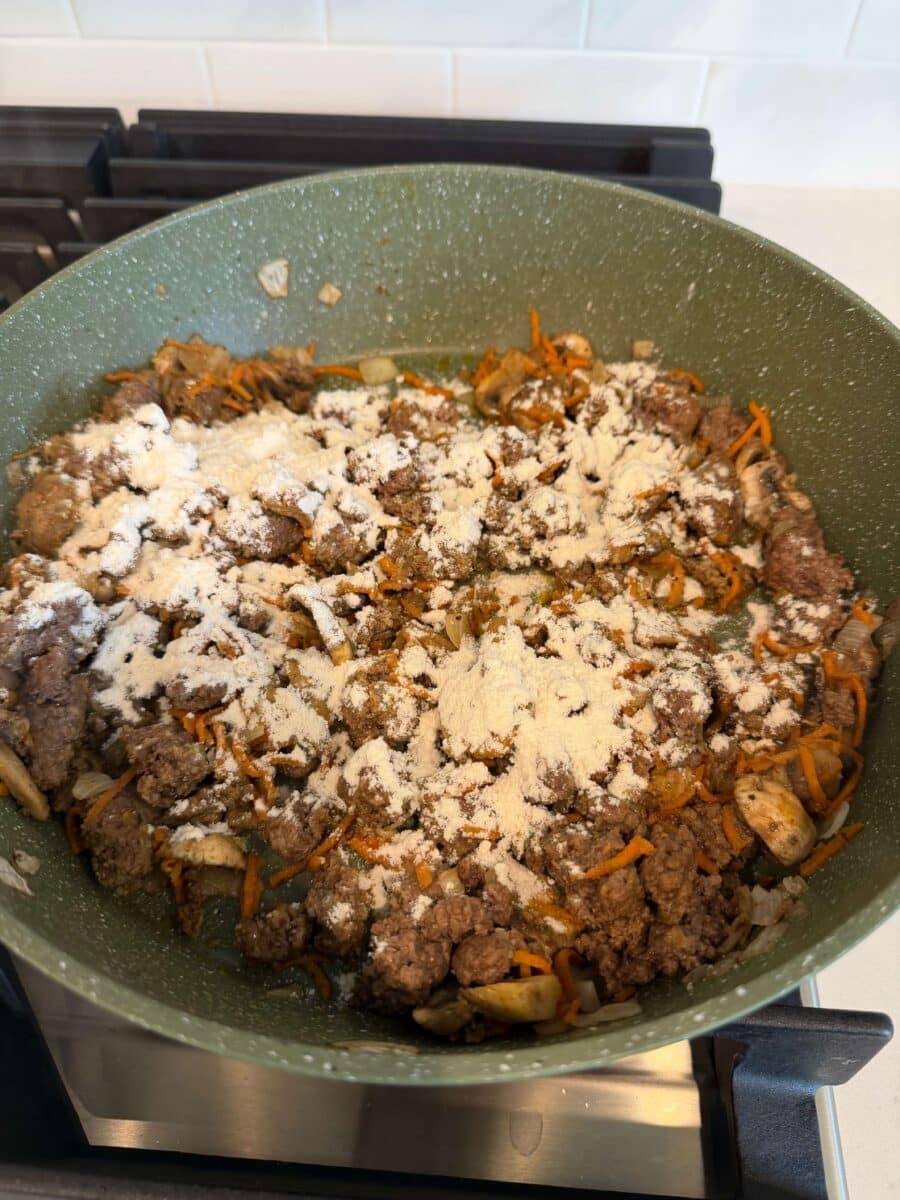
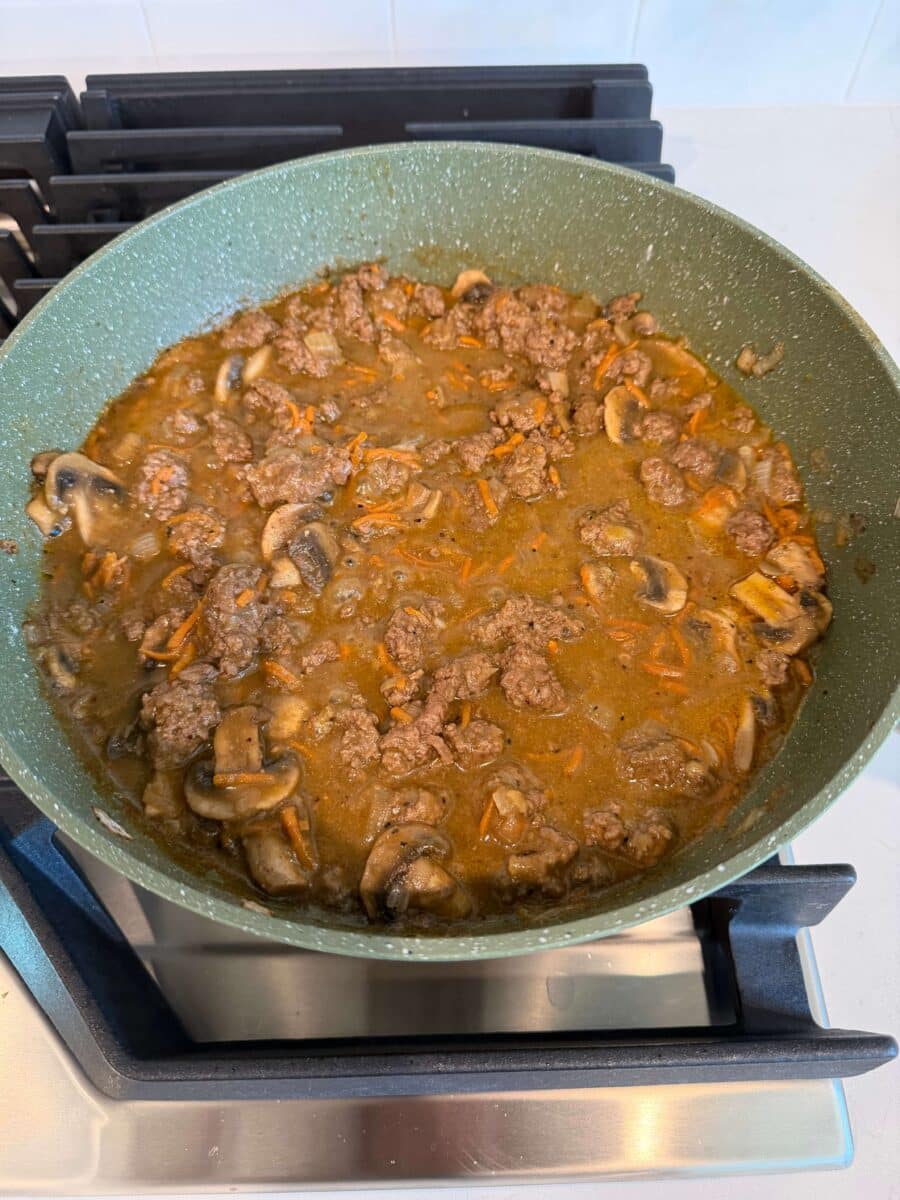
The final structural element of the beef mixture is the creation of a roux-based gravy. By incorporating flour into the rendered fat and beef juices, followed by the gradual addition of beef broth and Worcestershire sauce, a thick, cohesive sauce is formed. This "from-scratch" approach avoids the sodium-heavy preservatives found in commercial canned "cream of" soups, which have frequently replaced traditional gravies in mid-century American casserole variations.
Economic Context and the "Meat Extender" Strategy
In the current economic climate, the Amish Beef and Potato Casserole offers a case study in cost-effective meal planning. According to data from the Bureau of Labor Statistics, the price of ground beef has seen significant fluctuations over the past decade, often outpacing general inflation. Consequently, home cooks have returned to historical methods of stretching protein.
The integration of mushrooms and carrots into the beef base allows for a reduction in the total weight of meat required per serving. Mushrooms, in particular, share a similar texture to ground beef when sautéed, making them an ideal substitute. This strategy not only lowers the price per portion but also increases the fiber and micronutrient content of the dish. Furthermore, the use of potatoes as a primary base provides a low-cost, high-satiety carbohydrate that stabilizes the meal’s overall budget.
Chronology of a Modern Meal: A 30-Minute Timeline
The efficiency of this dish is best understood through a chronological breakdown of its preparation:
- Minute 0–5: Preparation of the potatoes (peeling and dicing) and initiation of the Instant Pot cycle.
- Minute 5–15: Preparation of vegetables (chopping onions, mushrooms, and carrots) and the start of the beef browning process on the stove.
- Minute 15–20: Integration of flour and broth to establish the gravy consistency; the Instant Pot completes its pressure cycle.
- Minute 20–25: Manual pressure release of the Instant Pot; mashing of potatoes with milk and butter to achieve a creamy texture.
- Minute 25–30: Final seasoning adjustments and plating.
This timeline illustrates how modern appliances allow for the simultaneous execution of tasks that would have historically required sequential attention, effectively halving the time required for a multi-component meal.
Cultural Implications and Digital Preservation
The Amish Beef and Potato Casserole is not merely a recipe but a digital artifact. Its popularity on platforms such as "365 Days of Crockpot" and "Amish 365" indicates a growing interest in "slow food" flavors delivered through "fast food" timelines. Culinary historians suggest that the resurgence of Amish-style recipes in digital spaces reflects a collective nostalgia for perceived simplicity and wholesome ingredients.
Furthermore, the "Amish" branding in the culinary world has become synonymous with "authentic" and "handmade," even when the preparation involves high-tech machinery. This paradox—using a computer-controlled pressure cooker to make a "primitive" or "traditional" meal—highlights the adaptability of home cooking. It suggests that while the tools of the kitchen change, the human preference for specific flavor profiles (savory, creamy, and salt-forward) remains remarkably constant across generations.
Nutritional Profile and Dietary Flexibility
From a nutritional standpoint, the casserole is a dense source of macronutrients. A standard serving provides a balance of complex carbohydrates from the potatoes, high-quality protein from the beef, and essential vitamins from the integrated vegetables. However, the dish is also highly modular.
Current dietary trends emphasize the inclusion of diverse vegetable matter. Analysis suggests that the addition of frozen peas, corn, or green beans can significantly alter the glycemic index of the meal, slowing the absorption of sugars from the mashed potatoes. For those monitoring sodium intake, the "from-scratch" gravy allows for precise control over salt levels, an advantage over the processed alternatives used in many "quick" casserole recipes.
Expert Perspectives on the Casserole Format
Sociologists specializing in food studies often point to the casserole as a "social equalizer." Because it combines multiple food groups into a single serving, it reduces the formality of the dining experience and encourages communal eating. In the context of the Amish Beef and Potato Casserole, the "deconstructed" nature—where the beef is ladled over the potatoes rather than baked together—offers a more refined presentation while maintaining the core identity of the casserole.
Home economics experts also note that this specific recipe format minimizes cleanup. By using one pot for the starch and one pan for the protein, the post-meal labor is significantly reduced compared to traditional Sunday roasts that might require roasting pans, multiple saucepans, and serving platters. This efficiency is a critical factor in the recipe’s high retention rate among busy working families.
Conclusion and Broader Impact
The Amish Beef and Potato Casserole stands as a testament to the resilience of traditional flavors in an era of rapid technological change. It demonstrates that the core principles of Amish cooking—economy, satiety, and the use of whole ingredients—can be successfully translated into the language of the modern kitchen.
As food prices continue to be a point of concern for global households, the strategies embedded in this dish—such as the use of mushrooms as a meat extender and the reliance on affordable root vegetables—provide a blueprint for sustainable home cooking. The intersection of the Instant Pot’s precision with the stovetop’s browning capabilities represents the current peak of domestic culinary efficiency. Ultimately, the dish serves as more than just a meal; it is a bridge between the agrarian past and the digital present, ensuring that heirloom flavors continue to have a place at the contemporary table.
