
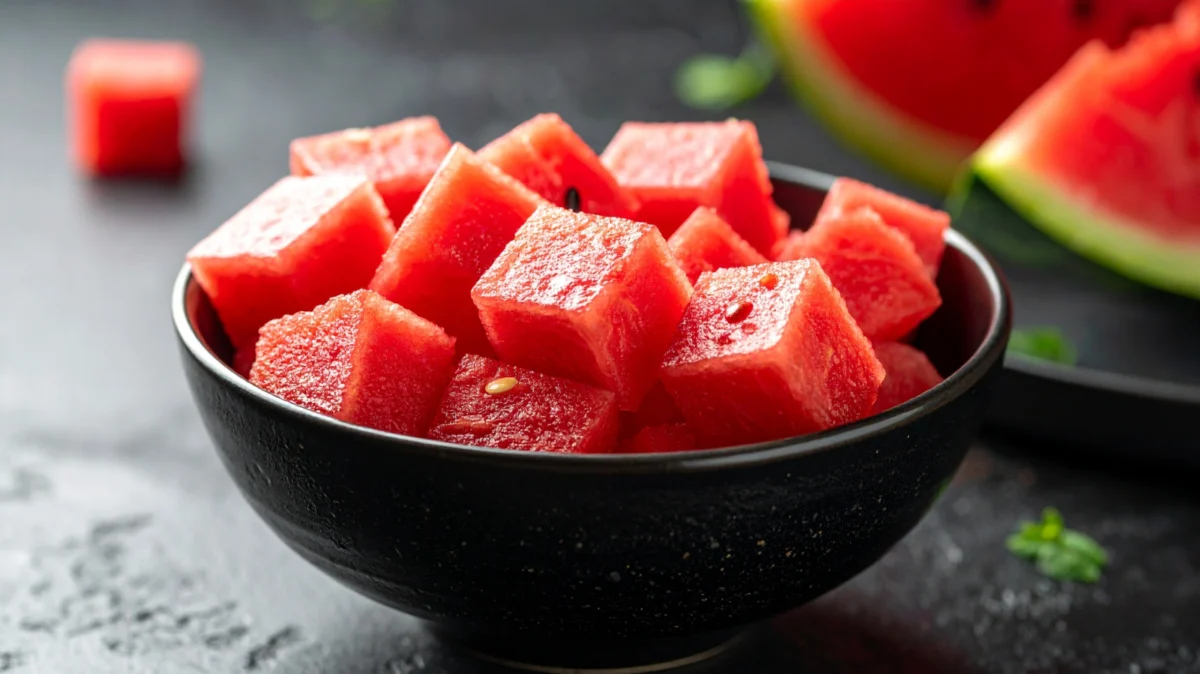
Watermelons, a quintessential symbol of summer, are celebrated for their vibrant color and refreshingly sweet, juicy flesh. These large fruits are perfect for sharing, capable of feeding gatherings ranging from intimate family dinners to large backyard barbecues. While the prospect of preparing a watermelon might seem daunting due to its size, the process of transforming it into convenient, bite-sized cubes is surprisingly straightforward and can be accomplished with just a few essential steps. This guide aims to demystify the process, ensuring that anyone can efficiently prepare watermelon for storage, picnics, or parties.
Mastering the Art of Watermelon Cubing
The fundamental technique for cubing a watermelon begins with creating stable surfaces. First, carefully slice off the rind from both ends of the watermelon. This action yields two flat surfaces, which are crucial for the subsequent steps. Next, position the watermelon on one of the flat ends and proceed to cut it in half lengthwise, making a cut that is parallel to the initial end cuts. This division will allow the melon to lie more stably on your cutting board.
With one half of the watermelon now resting cut-side down, the next critical phase involves removing the rind. Employ a sharp knife, ideally a chef’s knife or a serrated knife, and begin cutting downwards from the exposed top of the melon towards the cutting board. This motion should effectively peel away the rind and the white pith, revealing the bright pink flesh beneath. Continue this process until all the rind and pith have been removed from the entire half.
Once the flesh is fully exposed, the watermelon can be efficiently cut into cubes. First, slice the melon vertically into uniform strips. The width of these strips will determine the approximate size of your final cubes. After creating these vertical strips, make horizontal cuts through them to achieve the desired cubical shapes. This method ensures consistent sizing, making the watermelon easy to serve and enjoy.
Essential Tools for Effortless Preparation
The most challenging aspect of cutting a watermelon often lies in navigating its tough rind. To facilitate this process, having the right knife is paramount. A serrated knife is often recommended for its ability to act like a saw, efficiently cutting through the rind with a back-and-forth motion. Alternatively, an exceptionally sharp chef’s knife can also be a highly effective tool, enabling clean and swift cuts through the melon’s exterior. Investing in a quality knife will not only make the task easier but also safer.
The Science of Selecting the Perfect Watermelon
Unlike many fruits that continue to ripen after being harvested, watermelons reach their peak ripeness on the vine and do not mature further once picked. This means that the quality of the watermelon you purchase is precisely what you will experience. Therefore, selecting an underripe specimen can lead to a disappointing dry and flavorless result. Fortunately, there are several reliable indicators to help you choose a sweet, juicy watermelon every time. These methods encompass visual cues, auditory tests, and tactile assessments, ensuring that your cubing efforts are always rewarded with a delicious fruit.
Visual Indicators: Look for a watermelon that has a creamy yellow or orange-yellow field spot, which indicates where it rested on the ground and received sunlight, signifying ripeness. A duller rind, rather than a shiny one, is also a sign of a mature fruit.
Auditory Tests: Gently tap the watermelon. A ripe watermelon will produce a deep, hollow sound, similar to a drum. A dull thud or a high-pitched sound might suggest it’s underripe or overripe.
Tactile Assessments: Feel the weight of the watermelon. A ripe watermelon will feel heavy for its size, indicating a high water content and juiciness. The stem area should also be dry and slightly concave, not green and fresh, which would suggest it was picked too early.
Innovative Watermelon Cutting Techniques and Enhancements
For those who prefer to bypass the rind altogether when preparing cubes, alternative cutting methods exist. These techniques can also be used to create more decorative shapes for festive occasions. While the simple pleasure of biting into a slice of sweet watermelon is undeniable, its refreshing qualities can be further enhanced. One popular method involves partially freezing the watermelon chunks. By placing the cut cubes in the freezer for approximately 30 minutes, they achieve a delightful slushie-like consistency that intensifies their refreshing appeal without sacrificing their inherent juiciness. This technique is particularly effective for hot summer days.
Optimal Storage for Leftover Watermelon
Proper storage is key to preserving the freshness and texture of cut watermelon. The most effective method for storing leftover watermelon cubes is in an airtight container, kept in the refrigerator. Under these conditions, the cubes can maintain their quality for up to five days before any noticeable degradation in texture occurs. To prevent the cubes from becoming waterlogged in their own juices, an optional but effective strategy involves placing them over a cooling rack set inside a large bowl. This allows excess liquid to drain away, maintaining a firmer texture.
Alternatively, if you don’t wish to cube the entire watermelon at once, you can preserve one half whole. To do this, simply cover the exposed cut side securely with plastic wrap and store it in the refrigerator. This method helps to prevent the flesh from drying out and absorbing odors from other foods.
The Broader Significance of Watermelon Consumption
Watermelon is not only a culinary delight but also a nutritious fruit, offering a good source of hydration due to its high water content, along with vitamins A and C, and the antioxidant lycopene. Lycopene is a carotenoid that gives watermelon its characteristic red color and has been linked to various health benefits, including heart health and protection against certain types of cancer. The ease with which watermelon can be prepared and consumed makes it an ideal food for promoting healthy eating habits, especially during warmer months when people tend to seek out lighter, more hydrating options.
The cultural significance of watermelon is also noteworthy. It is deeply embedded in summer traditions and celebrations across many cultures, often appearing at picnics, barbecues, and outdoor gatherings. Its arrival signals the peak of summer, evoking feelings of nostalgia and communal enjoyment. The simple act of sharing watermelon can foster a sense of connection and shared experience, further enhancing its value beyond its nutritional and culinary attributes.
The efficiency of the cubing method described directly impacts its accessibility for various events. A well-prepared watermelon can be a centerpiece for a potluck, a refreshing snack for children’s parties, or a healthy dessert option for family meals. The ability to quickly and easily prepare such a versatile fruit contributes to its enduring popularity and its status as a summer staple. The information presented here aims to empower consumers to maximize their enjoyment of this beloved fruit, from selection to preparation and storage, ensuring a consistently delightful experience.
