
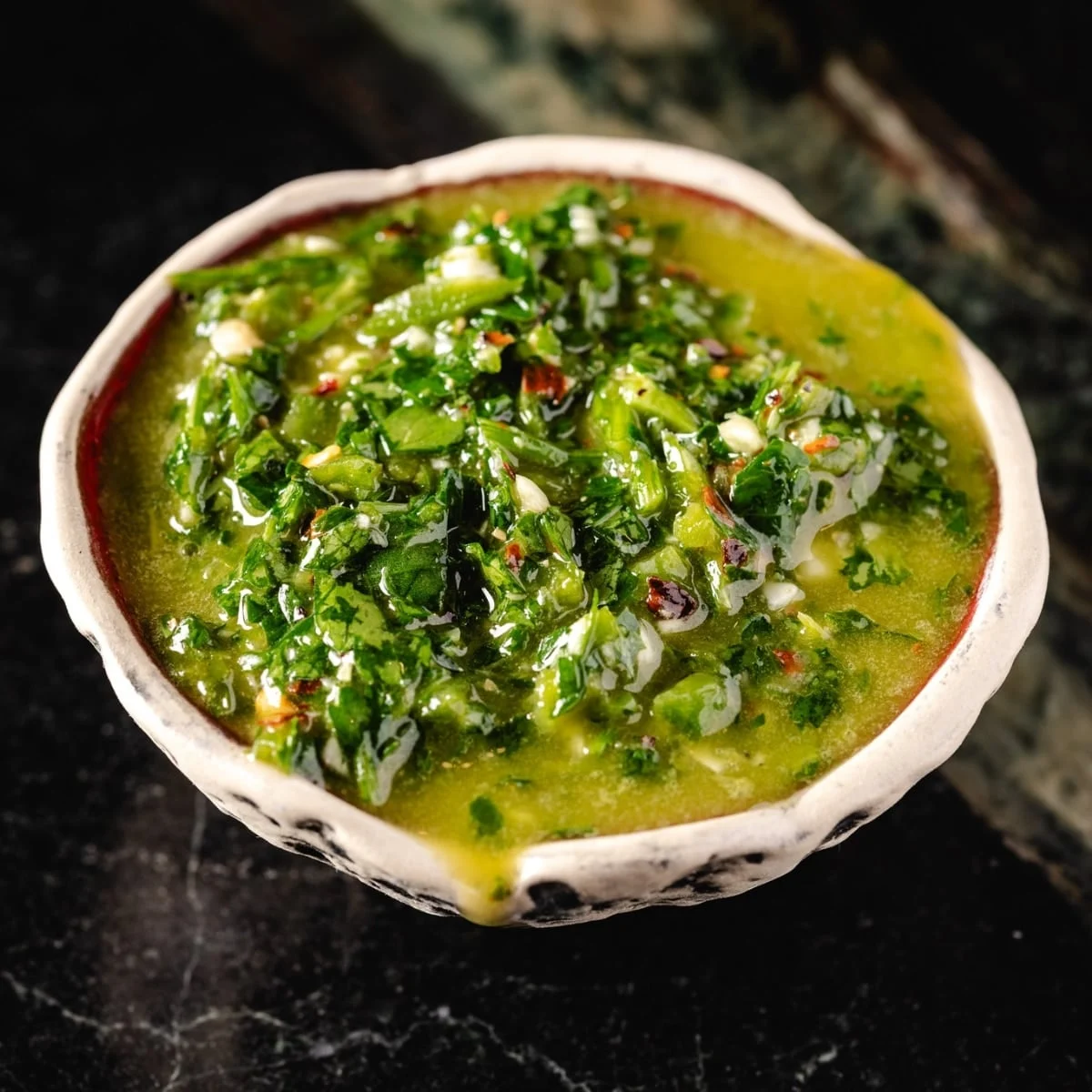
The culinary landscape of outdoor cooking is undergoing a significant transformation as enthusiasts move beyond traditional bottled barbecue sauces toward vibrant, herb-based condiments that offer complexity and freshness. At the forefront of this movement is the adaptation of classic South American flavors, specifically the Argentinian chimichurri, which has been reimagined through the inclusion of charred jalapeños. This modern iteration, popularized by culinary experts like Susie Bulloch of Hey Grill Hey, represents a fusion of traditional techniques and contemporary flavor profiles designed to enhance grilled proteins ranging from beef to poultry and vegetables.
The Evolution of Chimichurri in Global Cuisine
Chimichurri finds its origins in the pampas of Argentina and Uruguay, where it was traditionally used by gauchos to flavor meats cooked over open fires. The classic preparation typically consists of finely chopped parsley, minced garlic, olive oil, oregano, and red wine vinegar. However, as global palates have evolved, the sauce has become a canvas for experimentation. The introduction of jalapeño peppers into this classic framework serves a dual purpose: providing a measured heat and introducing a textural element that bridges the gap between a sauce and a relish.

The specific technique of charring the jalapeño before integration is a critical departure from raw-pepper preparations. By exposing the skin of the pepper to direct flame until it blisters, the chemical composition of the vegetable changes. The heat breaks down complex sugars, resulting in a subtle sweetness that tempers the capsaicin’s bite, while the charred skin imparts a smoky depth that complements the inherent flavors of charcoal and wood-smoke grilling.
Technical Preparation and the Science of Flavor Extraction
The production of a high-quality jalapeño chimichurri is a multi-stage process that prioritizes the preservation of volatile oils found in fresh herbs. Unlike cooked sauces, chimichurri relies on the raw integrity of its components.
- The Charring Phase: The jalapeño is placed directly over high heat. This process, often referred to as "blistering," occurs within a three-to-five-minute window. This rapid exposure to high temperature induces the Maillard reaction on the pepper’s surface while softening the interior flesh.
- The Herb Integration: Fresh parsley and cilantro serve as the base. Parsley provides a clean, slightly bitter earthiness, while cilantro adds a citrusy, floral note. The ratio of these herbs is crucial for balancing the "punch" of the garlic.
- Emulsification and Acidity: The use of red wine vinegar provides the necessary acidity to cut through the richness of grilled meats. When combined with high-quality olive oil, the sauce forms a loose emulsion that coats the palate without being overly heavy.
The inclusion of garlic is more than just a flavor choice; it acts as a natural preservative and provides an aromatic backbone. When these ingredients are blended or finely chopped together, the flavors begin to marry, a process that continues as the sauce rests.

Nutritional Profile and Ingredient Analysis
From a nutritional standpoint, jalapeño chimichurri offers a dense concentration of micronutrients with a profile that favors healthy fats over the high-sugar content found in many commercial BBQ sauces. Based on standardized calculations for a six-serving batch, the sauce provides:
- Total Calories: 171 kcal per serving.
- Fat Content: 18g, primarily comprised of monounsaturated fats (13g) derived from olive oil, which is associated with cardiovascular health.
- Sodium: 443mg, which helps season the meat upon application.
- Vitamin Content: The sauce is notably high in Vitamin A (1075 IU) and Vitamin C (15mg), largely due to the fresh herbs and pepper.
The carbohydrate count remains exceptionally low at 2g per serving, making it an ideal condiment for those adhering to ketogenic or low-glycemic diets. This stands in stark contrast to traditional molasses or sugar-based barbecue sauces, which can contain upwards of 15-20g of sugar per serving.
Market Trends: The Rise of the "Backyard BBQ Hero"
The popularity of recipes such as the jalapeño chimichurri reflects a broader shift in consumer behavior. Data from the hearth and home industry indicates a 20% increase in the sales of high-end grilling equipment over the last five years, accompanied by a growing demand for "scratch-made" condiments. Home cooks are increasingly identifying as "Backyard BBQ Heroes," a term used by industry leaders to describe individuals who prioritize artisanal techniques over convenience-based cooking.

Statements from culinary influencers suggest that the "DIY" movement in sauces is driven by a desire for transparency in ingredients. By making chimichurri at home, consumers avoid high-fructose corn syrup, artificial thickeners (like xanthan gum), and excessive preservatives. This trend is further supported by the proliferation of digital platforms and mobile applications, such as the Hey Grill Hey App, which provide step-by-step guidance for complex flavor building.
Chronology of Preparation for Optimal Results
To achieve the professional-grade results described by culinary experts, the following timeline is recommended for the preparation of jalapeño chimichurri:
- Pre-Grill Phase (10 Minutes): Wash and thoroughly dry all fresh herbs. Moisture on the herbs can lead to a "muddy" flavor and prevent the olive oil from adhering properly.
- The Char (5 Minutes): This should be the first item on the grill. The jalapeño requires direct contact with the grates or flame. Once charred, it should be allowed to cool slightly to ensure it blends smoothly without cooking the fresh herbs.
- Blending (2 Minutes): Using a food processor or a sharp chef’s knife, the ingredients are combined. A coarse texture is often preferred over a completely smooth puree to maintain the "rustic" feel of a traditional chimichurri.
- The Resting Period (20-60 Minutes): While the sauce can be served immediately, allowing it to sit at room temperature for at least twenty minutes allows the vinegar to soften the raw garlic and the oils to absorb the heat from the jalapeño.
Broad Implications for the Culinary Industry
The integration of spicy elements like jalapeño into traditional sauces is indicative of the "globalization of spice" occurring in Western kitchens. As consumers become more comfortable with heat, the demand for nuanced spicy products—those that offer flavor rather than just "burn"—has skyrocketed.

Furthermore, the versatility of jalapeño chimichurri has implications for meal planning and food waste reduction. Because the sauce is highly acidic and oil-based, it can serve three distinct roles in a single meal:
- A Marinade: Used prior to cooking to tenderize and flavor the protein.
- A Basting Sauce: Applied during the final minutes of grilling to create a flavorful crust.
- A Table Condiment: Served fresh to provide a bright contrast to the smoky, charred meat.
Professional Tips for Consistency
Expert practitioners, including Susie Bulloch, emphasize several "pro tips" to ensure the sauce meets professional standards:
- The Seed Factor: To control the heat level, one should remove the seeds and white membranes (pith) of the jalapeño after charring. The majority of the capsaicin is concentrated in these areas.
- Herb Freshness: Dried herbs cannot be substituted in this recipe. The vibrancy of the sauce is entirely dependent on the chlorophyll and fresh oils of live plants.
- Oil Selection: A "finishing" olive oil or extra virgin olive oil is recommended over standard vegetable oils to provide the necessary peppery notes and mouthfeel.
Conclusion: The Future of the Grill
The Simple Jalapeño Chimichurri Sauce is more than a recipe; it is a representation of the modern griller’s ethos: fresh, bold, and technically sound. As the barrier between professional kitchens and backyard patios continues to thin, such condiments will likely become the standard rather than the exception. By focusing on the science of charring and the balance of acidity and fat, home cooks are redefining the flavor of the contemporary barbecue, one charred pepper at a time. This shift not only improves the sensory experience of outdoor dining but also promotes a healthier, more intentional approach to food preparation that celebrates raw ingredients and traditional techniques in equal measure.
