
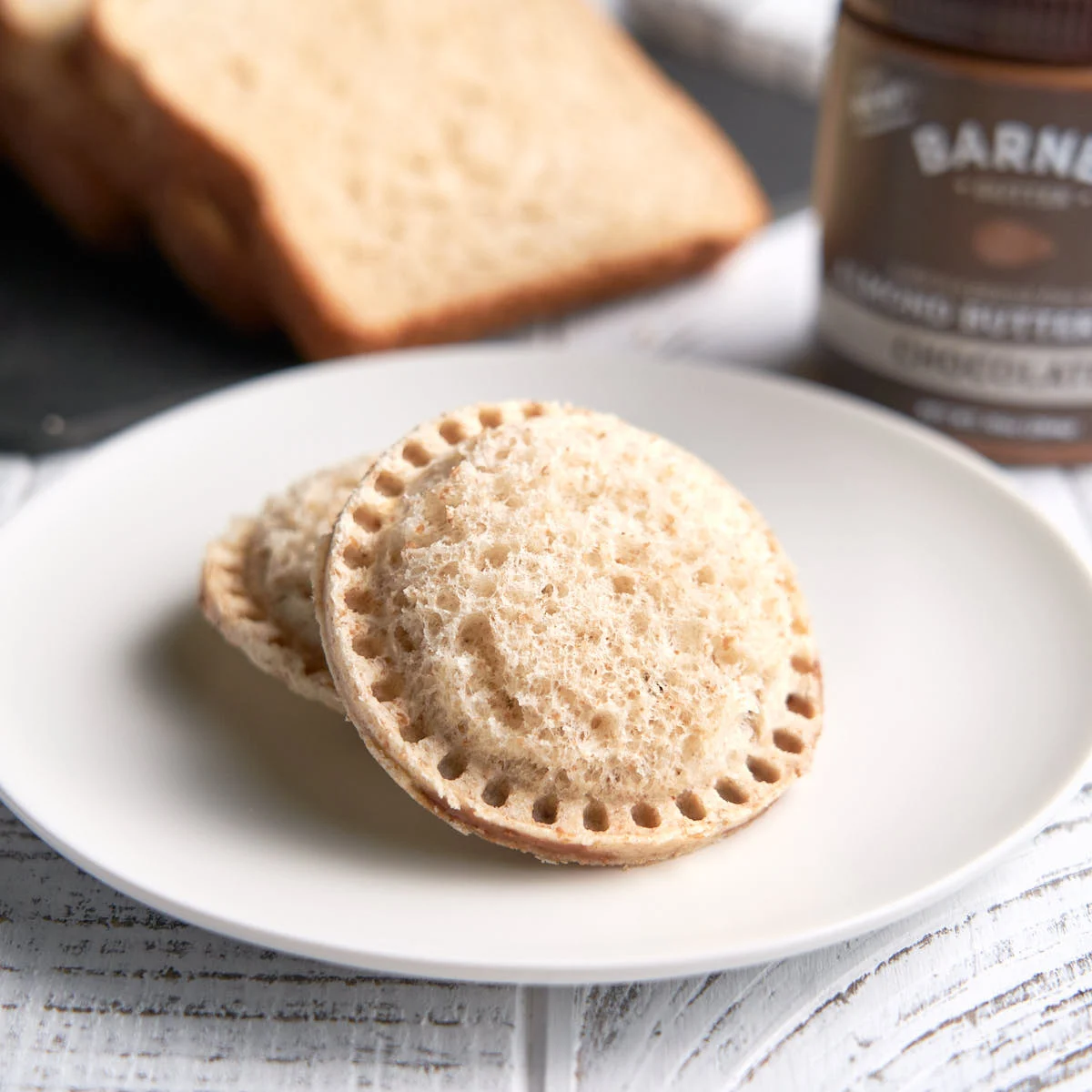
The familiar sight of a pre-packaged Uncrustable sandwich, a staple for many lunchboxes and quick snacks, is now being challenged by a more wholesome and customizable homemade version. This evolution is driven by a growing consumer interest in healthier ingredients and the simple joy of creating beloved treats from scratch. The homemade chocolate Uncrustable, in particular, is gaining traction, offering a delicious and more nutritious alternative to its store-bought counterpart, making it an appealing option for breakfast, snacks, and packed lunches.
The Rise of the Homemade Uncrustable

The concept of the Uncrustable, a crustless sandwich with sealed edges, was pioneered by Smucker’s in the late 1990s. Its appeal lies in its convenience and mess-free consumption, especially for children. However, the convenience often comes with a trade-off in terms of ingredients, particularly sugar content. This has paved the way for home cooks to recreate the experience with a focus on quality and health.
The process of making homemade Uncrustables is made significantly easier with specialized sandwich cutter and sealer tools. These gadgets, readily available online, mimic the factory-created seal, ensuring fillings stay contained and the sandwich maintains its signature shape. This accessibility has democratized the creation of these popular treats, allowing families to control the ingredients and tailor them to their preferences.
Choosing the Superior Chocolate Spread: A Key to Flavor and Nutrition

Central to the success of a homemade chocolate Uncrustable is the choice of chocolate spread. While Nutella, a chocolate-hazelnut spread, is the standard in many commercially available Uncrustables, it is notably high in added sugars. A single serving of Nutella can contain as much as 21 grams of added sugar. This nutritional reality has prompted a search for alternatives that offer rich chocolate flavor without the excessive sugar load.
One standout option that has garnered significant attention is Barney Butter’s Almond Butter with Chocolate. This spread offers a smooth texture and a satisfyingly sweet chocolate taste, but with a vastly improved nutritional profile. A key advantage is its significantly lower added sugar content, typically around 2 grams per serving. This drastic reduction makes it a far healthier choice, particularly for children’s diets, without compromising on the decadent chocolate experience. The ease of spreading and its pleasant flavor profile have positioned it as a preferred ingredient for those seeking a more wholesome take on the chocolate Uncrustable.
Leveraging the Right Tools for Authentic Results
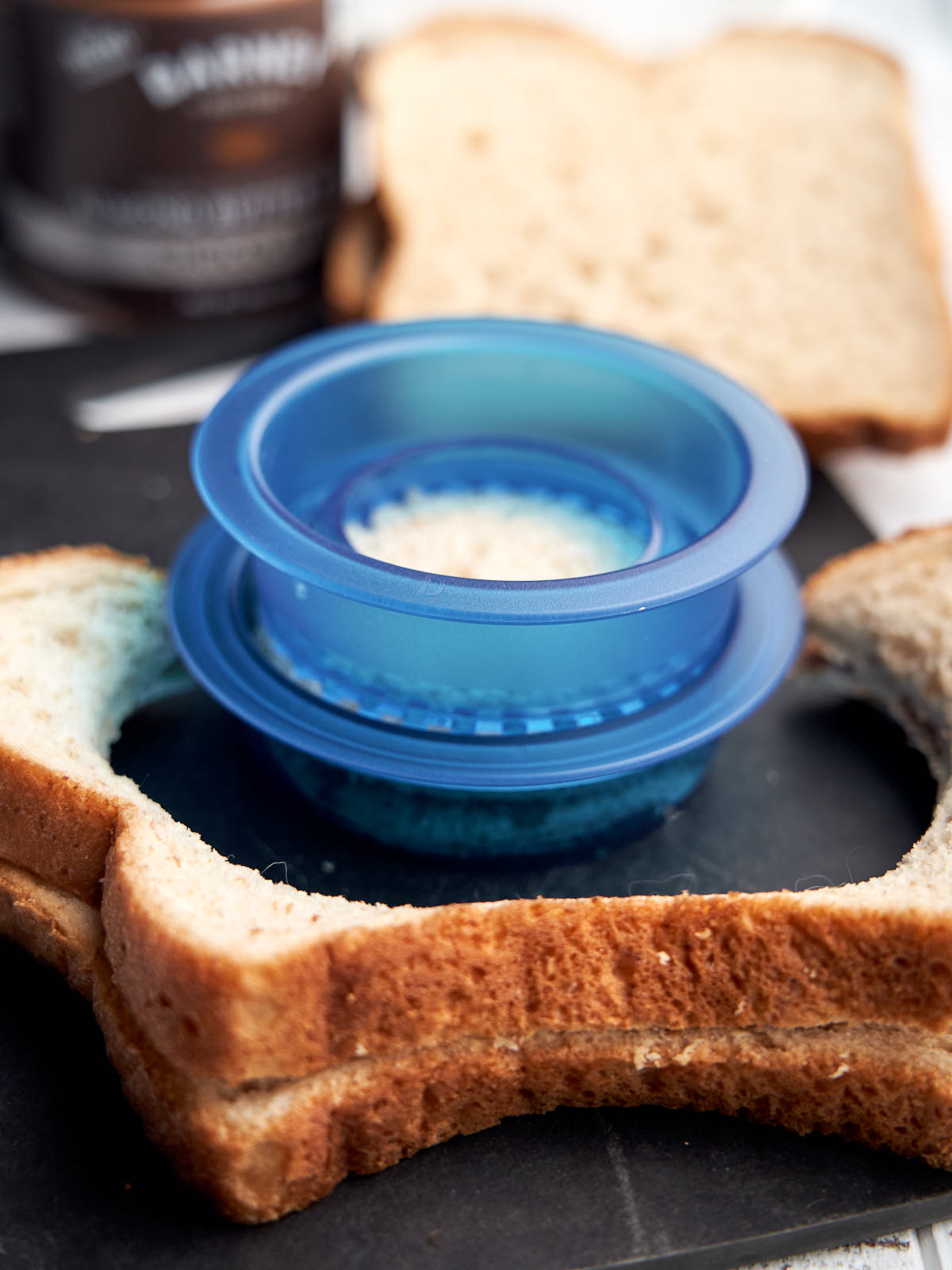
Achieving the iconic look and feel of a store-bought Uncrustable is largely dependent on the use of a quality sandwich cutter and sealer. While numerous options exist on the market, choosing the right one can significantly impact the final product. Some tools create a more generic, wavy edge, which may not appeal to those aiming for authenticity.
A recommended tool, for instance, replicates the classic Smucker’s Uncrustables edge shape, ensuring a familiar aesthetic. The process typically involves a two-step approach: first, using a circular cutter to remove the crusts from a prepared sandwich, and second, employing the sealer mold to create the characteristic crimped edge. This straightforward method allows for consistent results, transforming ordinary bread and spread into a recognizable and delightful treat.
Tips for Crafting the Perfect Homemade Chocolate Uncrustable
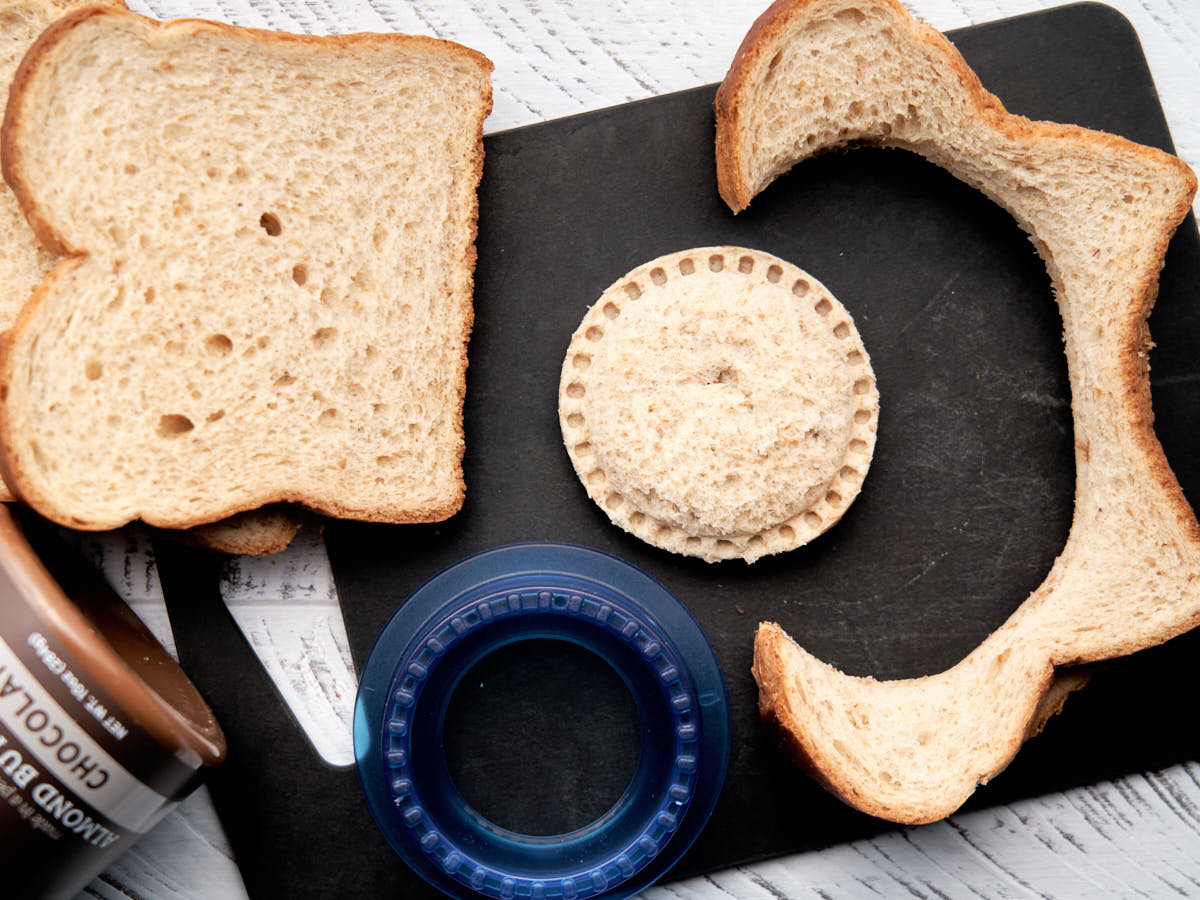
To ensure a successful and enjoyable homemade Uncrustable experience, several practical tips can be followed:
-
Bread Selection: The type of bread used plays a crucial role. Soft, pliable breads, such as those found in brands like Wonder Bread or Nature’s Own Honey Wheat, are ideal. These breads are less likely to split or crack during the cutting and sealing process. While whole wheat breads are often preferred for their health benefits, their firmer texture can make them less suitable for this specific application, as they may compromise the integrity of the seal.
-
Mindful Filling Application: Overfilling the sandwich is a common pitfall that can lead to the spread oozing out. It is important to apply a moderate amount of the chocolate spread, avoiding spreading it too close to the edges. Keeping the filling concentrated in the center of the bread is key to preventing messy overflows when the sandwich is sealed.
-
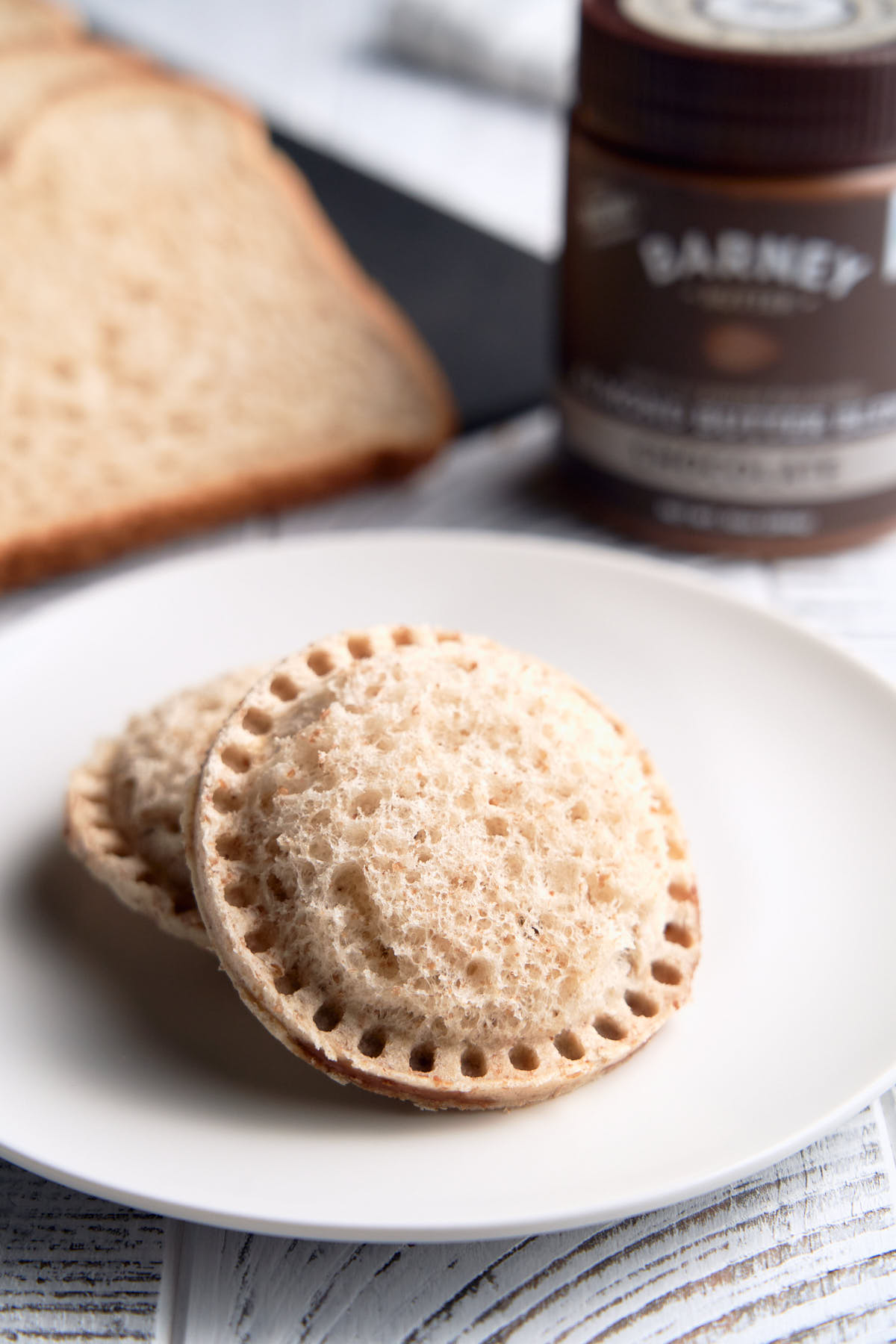
Strategic Filling Placement: Similar to managing the quantity, the placement of the filling is critical. Spreading the chocolate almond butter only in the central area of the bread ensures that when the sandwich is pressed and sealed, the filling is contained within the pocket created by the sealer. This technique minimizes the risk of the spread escaping the edges and compromising the seal.
Broader Implications and Health-Conscious Trends
The popularity of homemade Uncrustables, particularly the chocolate variant, reflects a broader trend towards mindful consumption and a desire for greater control over dietary intake. As awareness of sugar content and processed ingredients in packaged foods grows, consumers are increasingly turning to home-prepared alternatives. This shift not only allows for the use of healthier ingredients but also fosters a sense of accomplishment and connection with food preparation.
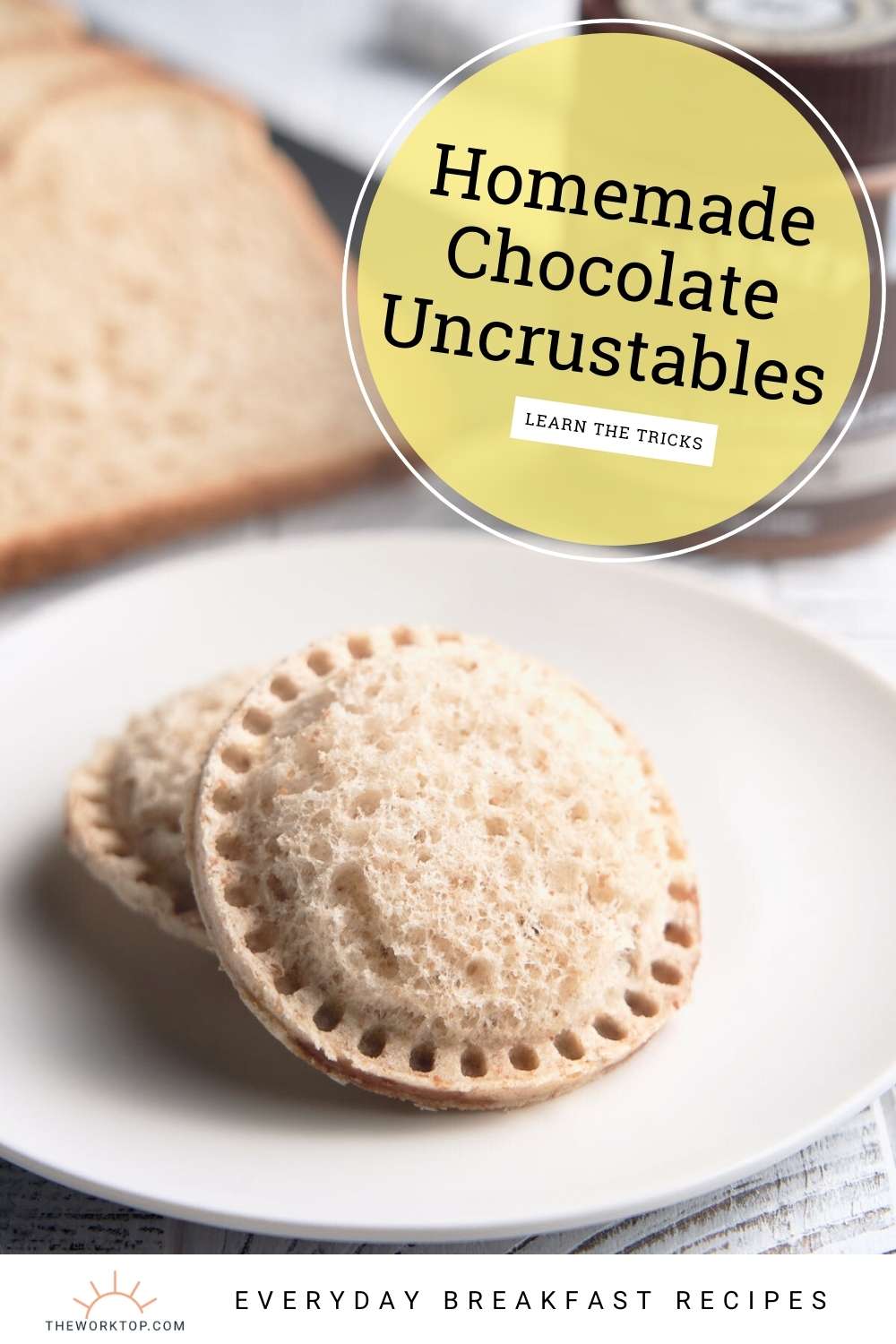
The availability of specialized tools and the sharing of recipes and tips online have made it easier than ever for families to replicate and even improve upon store-bought versions of their favorite snacks. This movement empowers consumers to make informed choices about what they eat, prioritizing both taste and well-being. The homemade chocolate Uncrustable stands as a prime example of this culinary evolution, offering a delicious, healthier, and more personalized way to enjoy a classic treat.
For those seeking further inspiration, similar recipes for peanut butter and honey Uncrustables are available, alongside a wider array of kid-friendly breakfast ideas. The versatility of ingredients like almond butter with chocolate also opens doors to other creative culinary applications, further cementing its place as a valuable addition to the home pantry.
