
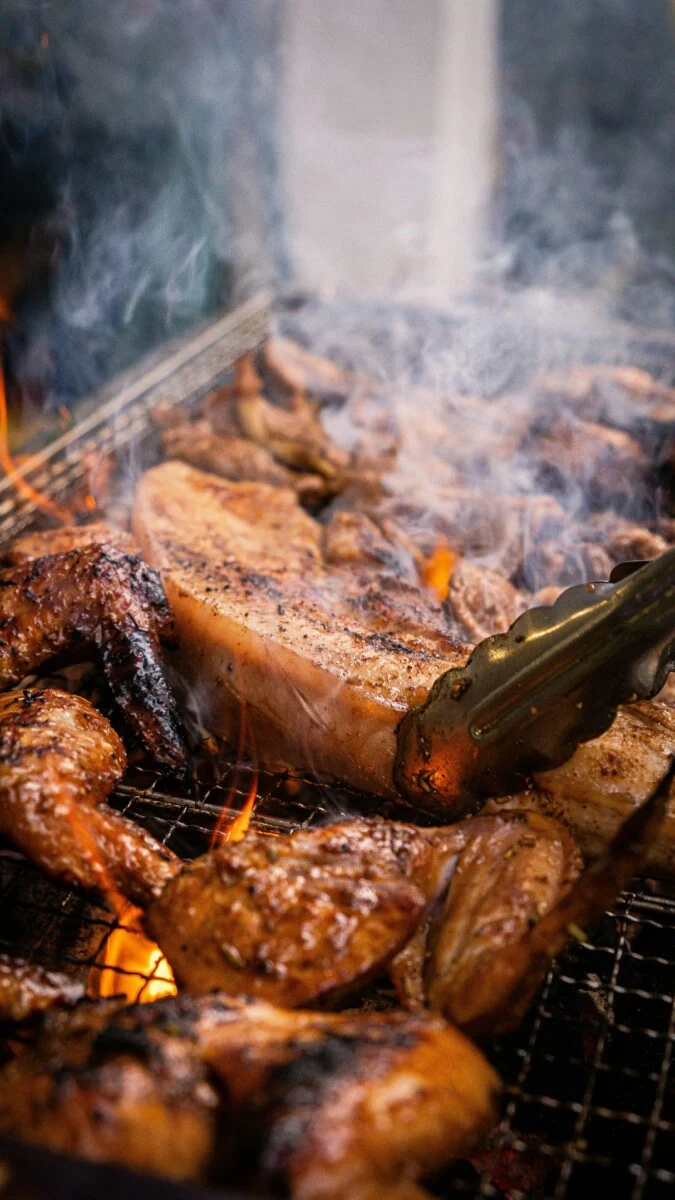
The pursuit of perfectly grilled meat, tender and bursting with flavour, is a culinary quest shared by amateur enthusiasts and seasoned pitmasters alike. While the sizzle of meat on a hot grill is an iconic sound of summer, the journey from raw ingredients to a truly exceptional barbecued dish is often fraught with challenges, from the dreaded dry chicken to the ignominious burnt burger. Achieving that elusive balance of juiciness, tenderness, and rich flavour requires more than just high heat; it demands a strategic approach, informed by culinary science and time-honoured techniques. This comprehensive guide, drawing on expert insights and practical applications, delves into the essential methods that promise to elevate any grilling session, transforming ordinary cuts into extraordinary feasts and ensuring guests are consistently impressed.
The Foundation: Selecting Superior Cuts of Meat
The bedrock of any outstanding barbecue begins long before the grill is even lit: with the quality and type of meat selected. Discerning chefs and home cooks understand that compromising on the initial ingredient can undermine even the most sophisticated cooking techniques. While budget supermarket options might seem appealing, investing in high-quality meat from a reputable source, such as a local butcher or a specialized online purveyor, is paramount. Local butchers often provide superior cuts, better marbling, and expert advice tailored to specific grilling methods, contributing significantly to both flavour and texture. According to a 2023 report by the National Butcher’s Association, consumer demand for ethically sourced, premium cuts has seen a 15% increase over the past five years, reflecting a growing awareness of the link between sourcing and culinary outcome.
For quick, high-heat grilling, such as steaks or chops, thick, tender cuts are ideal. Their structure allows for a beautiful sear on the exterior while maintaining a succulent, medium-rare interior. Examples include ribeye, sirloin, and pork loin steaks. Conversely, when planning for slow-smoking over several hours, the focus shifts to cuts rich in connective tissue and marbling. Marbling, the intramuscular fat, slowly renders during prolonged cooking, basting the meat from within and contributing immensely to its moisture and flavour. Brisket, pork shoulder (butt), and ribs are prime examples of cuts that benefit from this slow, low-temperature transformation. Researching the specific cooking times and ideal temperatures for different meat types is crucial, as a well-marbled brisket demands a vastly different approach than a lean chicken breast.
The Pre-Grill Game-Changer: Dry Brining for Enhanced Flavour and Texture
One of the most impactful, yet often overlooked, preparations for barbecued meat is dry brining. This technique, a common practice in professional kitchens, involves generously salting meat 8 to 12 hours before cooking, then allowing it to rest uncovered in the refrigerator. The science behind dry brining is fascinating and highly effective. Initially, salt draws moisture from the meat’s surface through osmosis. However, over time, the dissolved salt is reabsorbed into the meat, carrying moisture and flavour compounds deep into the muscle fibres. This process not only seasons the meat from within but also alters its protein structure, enhancing its water-holding capacity.

The result is a piece of meat that forms an exquisite, crispy crust when grilled, while simultaneously retaining exceptional juiciness throughout its interior. This transformation is more profound than a simple surface seasoning, as the salt penetrates deeply, ensuring every bite is flavourful and tender. Dr. Eleanor Vance, a food chemist specializing in meat science at the Culinary Institute of America, notes, "Dry brining is a fundamental technique that leverages osmotic pressure and protein denaturation to achieve superior moisture retention and flavour development. It’s far more effective than simply salting just before cooking, preventing the common issue of dry, unseasoned interiors." The historical use of salt as a preservative evolved into a sophisticated culinary tool, and dry brining stands as a testament to its power in enhancing modern barbecue.
Crafting the Essence: Flavouring the Smoke
The distinctive taste of barbecued food is intrinsically linked to smoke. Beyond merely cooking the meat, the smoke itself acts as a powerful flavouring agent. The choice of smoking wood is critical and should be carefully matched to the meat being cooked to achieve a harmonious flavour profile. Different woods impart distinct notes due to their unique chemical compositions, particularly the presence of lignin, which breaks down into aromatic compounds when burned.
- Hickory: Renowned for its bold, bacon-like flavour, hickory is a classic choice for beef, imparting a robust smokiness that stands up well to cuts like brisket and beef ribs.
- Apple and Cherry: These fruitwoods offer a milder, subtly sweet, and fruity smoke, making them ideal companions for pork and poultry. Applewood pairs beautifully with pulled pork or pork chops, while cherry wood can add a gorgeous reddish hue and delicate sweetness to chicken or duck.
- Mesquite: Known for its intense, earthy, and sometimes pungent flavour, mesquite is best used sparingly, often with dark meats or game, where its powerful characteristics can be appreciated without overpowering the dish. It’s a staple in many Southwestern barbecue traditions.
For charcoal grills, wood chunks or chips can be placed directly on the hot coals. For gas grills, a smoker box filled with pre-soaked wood chips (soaking helps them smolder rather than burn quickly) can be placed over a burner to generate smoke. The key is to control the temperature to maintain a consistent, thin blue smoke, which indicates a clean burn and optimal flavour infusion. Billowing white smoke, conversely, suggests incomplete combustion and can impart a bitter, acrid taste to the food. Pitmaster legends often emphasize the "thin blue smoke" as the hallmark of true barbecue mastery. The rich tapestry of regional American barbecue styles, from the vinegar-based sauces of the Carolinas to the heavy smoke of Texas brisket, all owe their unique character to the careful selection and management of smoking woods.
The Sweet Spot: Strategic Glazing for a Perfect Finish
Applying a glaze, particularly a sticky, sweet barbecue sauce, is a common step in many grilling recipes, but its timing is crucial. A frequent error among amateur grillers is to apply the glaze too early in the cooking process. Most barbecue sauces contain a significant amount of sugar, which, when exposed to high, direct heat for too long, will caramelize and then burn, resulting in a bitter, charred exterior rather than a luscious, sticky coating. The Maillard reaction, responsible for browning and complex flavours, is distinct from caramelization, and both must be managed to avoid burning sugars.

The optimal strategy is to apply glazes only during the final few minutes of cooking. This allows the sugars to gently caramelize and adhere to the meat, forming a warm, sticky crust without turning into a burnt, unpleasant layer. It is also advisable to apply glazes in very thin layers using a brush, building up the coating gradually if desired, rather than slathering on thick amounts. This controlled application further prevents scorching. The market offers a vast array of pre-made sauces, from tangy Carolina vinegars to rich Kansas City-style molasses-based sauces. Alternatively, crafting a homemade glaze allows for complete control over sweetness, spice, and acidity, offering an opportunity for unique flavour profiles. This technique reflects the evolution of barbecue from simple open-fire cooking to a nuanced culinary art form, where precise timing and temperature management are paramount.
The Flip-Flop Debate: Frequent Turning for Even Cooking
For decades, a persistent myth in grilling culture has dictated that meat should only be flipped once to achieve a perfect crust. Modern culinary science and experienced pitmasters, however, largely debunk this notion, particularly for smaller cuts grilled over direct heat. Frequent flipping – turning the meat every few minutes – offers several significant advantages.
Firstly, it promotes incredibly even cooking. By regularly exposing both sides of the meat to the direct heat, hot spots are mitigated, preventing one side from drying out or burning while the other cooks too slowly. This constant rotation helps the meat cook through more uniformly from edge to edge. Secondly, frequent flipping contributes to a more consistent and appealing crust across the entire surface of the meat. Each turn allows the surface to dry slightly and develop that desirable Maillard reaction, leading to a beautifully browned and flavourful exterior.
Crucially, when flipping, always use tongs. Piercing the meat with a fork, a common mistake, creates punctures through which valuable internal juices can escape, leading to drier results. Tongs allow for gentle handling, preserving the meat’s integrity and moisture. While frequent flipping is beneficial for steaks, chops, and burgers, the approach shifts for larger cuts undergoing slow cooking or smoking. In these scenarios, less frequent turning is typically preferred to allow the smoke and heat to penetrate deeply and evenly over extended periods, often with the aid of indirect heat zones. The shift in understanding around flipping techniques underscores the continuous evolution of grilling practices, driven by scientific inquiry and practical experimentation.
Beyond the Basics: Advanced Considerations for the Aspiring Pitmaster

To truly master the art of barbecuing, several additional techniques and considerations come into play, building upon the foundational tips.
Temperature Control and Two-Zone Grilling: Precision in temperature management is non-negotiable. Investing in a reliable instant-read meat thermometer is crucial for ensuring meats reach safe internal temperatures while remaining perfectly cooked. Furthermore, mastering two-zone grilling—creating a direct heat zone and an indirect heat zone on your grill—allows for versatility. Searing over direct heat for a crust, then moving to indirect heat for gentle cooking to desired doneness, is a hallmark of professional grilling. This technique is particularly vital for thicker cuts, preventing burning while allowing the interior to cook thoroughly.
The Art of Resting Meat: Once cooked, meat should never be cut into immediately. Resting meat, typically for 5-15 minutes depending on its size, is a critical step for juiciness. During cooking, muscle fibers contract, pushing juices towards the center. Resting allows these fibers to relax and the juices to redistribute evenly throughout the cut. Cutting too soon will result in a flood of juices on the cutting board, leaving the meat drier.
Marinades vs. Rubs: While dry brining is powerful, marinades and rubs offer additional layers of flavour. Marinades, typically acidic, can tenderize meat and infuse it with flavour, though their penetration is often limited to the surface. Rubs, on the other hand, create a flavourful crust and are best applied just before or during the dry brining process. Understanding when to use each, or a combination, expands the flavour possibilities.
Pre-heating the Grill: Always pre-heat your grill thoroughly. A hot grill ensures that meat sears instantly upon contact, creating a desirable crust and preventing sticking. A properly pre-heated grill also provides more consistent cooking temperatures.
Cleanliness is Key: A clean grill grate is essential. Leftover food particles can stick to new meat, impart off-flavours, and even cause flare-ups. Regular cleaning not only ensures better results but also extends the life of your grilling equipment.

Industry and Societal Impact
The continuous refinement of barbecue techniques has a ripple effect across various sectors. The demand for premium meat cuts boosts local economies, supporting independent butchers and sustainable farming practices. The specialty food market, including artisanal rubs, sauces, and smoking woods, continues to grow, reflecting consumer interest in elevating their home cooking experiences. Beyond the culinary realm, barbecuing remains a deeply ingrained social activity, fostering community and connection. The quest for the "best tasting barbecued meat" is not merely about food; it’s about sharing, tradition, and the enduring pleasure of outdoor cooking.
In conclusion, transforming ordinary barbecued meat into an extraordinary culinary delight is within reach for any enthusiast. By meticulously selecting high-quality cuts, mastering the art of dry brining, thoughtfully flavouring the smoke, timing glazes perfectly, and understanding the science behind frequent flipping, grillers can consistently achieve succulent, flavourful results. These techniques, far from being mere tricks, are fundamental principles that, when applied diligently, promise to elevate every grilling experience and earn accolades from even the most discerning guests. The journey to barbecue perfection is an ongoing exploration, inviting continuous experimentation with glazes, wood types, and recipes to forge one’s unique signature on the grill.
