
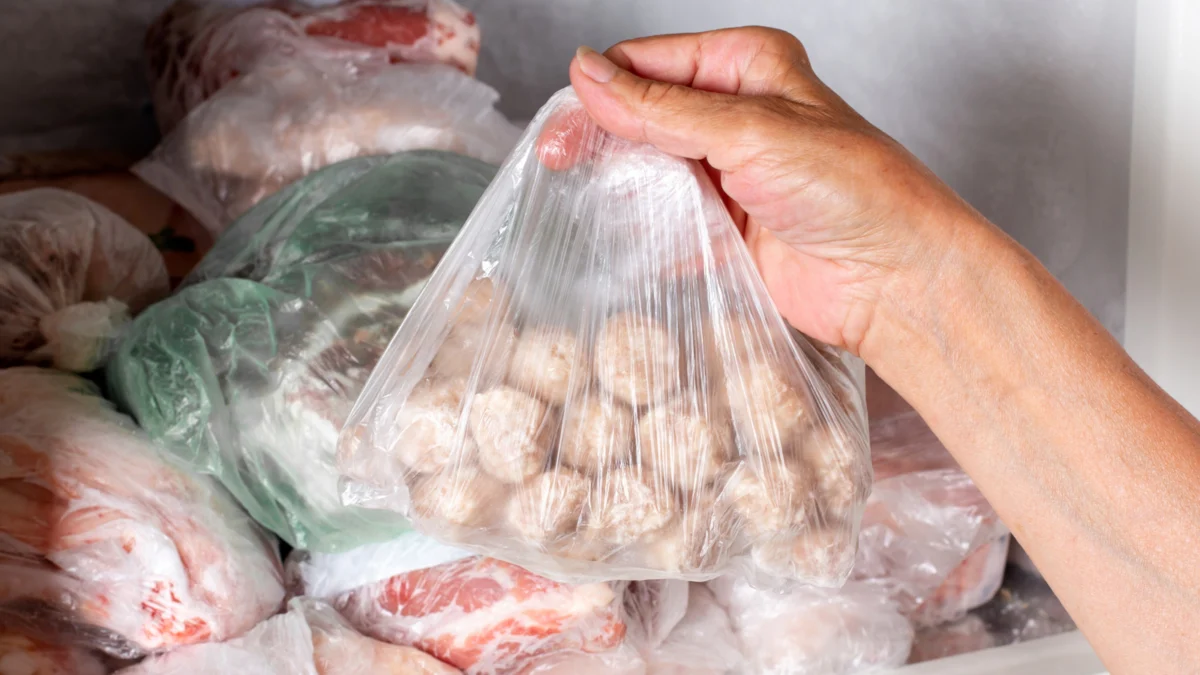
While the concept of "expiration dates" often conjures images of spoiled produce and questionable dairy, the realm of frozen meats presents a unique paradox: in terms of safety, frozen meat does not expire. However, this doesn’t mean that frozen meat can be kept indefinitely without any consequences. The key to understanding this distinction lies in the fundamental science of preservation and the factors that influence food quality over time.
At its core, freezing is a process that halts the biological and chemical activities that lead to spoilage. When food, particularly meat, is frozen, the water molecules within its cellular structure transform into ice crystals. This transformation is crucial because bacteria and other microorganisms, the primary culprits behind food spoilage and foodborne illnesses, require liquid water to grow and multiply. By locking up the available water in a solid, crystalline form, freezing effectively renders these microorganisms dormant. They are not killed, but their ability to proliferate and cause harm is suspended for the duration of the freezing period. This fundamental principle explains why, from a food safety perspective, meat that has been consistently kept at freezing temperatures of 0 degrees Fahrenheit (-18 degrees Celsius) or below remains safe to consume indefinitely.
The scientific basis for this enduring safety can be traced back to early 20th-century innovations in food preservation. The development of commercial freezing techniques, notably by Clarence Birdseye, revolutionized the food industry. Birdseye’s inspiration came from observing how the Inuit people of Northern Canada rapidly froze fish in their frigid environment, a method that preserved the fish’s texture and flavor remarkably well. This "flash-freezing" technique, which rapidly forms small ice crystals, minimizes damage to the food’s cellular structure, a phenomenon that can negatively impact quality. This contrasted with slower freezing methods that could create larger ice crystals, leading to more significant cellular disruption. The understanding that rapid freezing preserves quality, while all freezing halts bacterial growth, forms the bedrock of safe frozen food practices today.
Understanding "Best Before" Dates: Quality vs. Safety
Despite the indefinite safety of properly frozen meat, consumers will still encounter "best before" or "use by" dates on frozen products. These dates are not indicators of safety but rather benchmarks for optimal quality. Over extended periods in the freezer, even with proper packaging, frozen meat can undergo changes that affect its palatability, texture, and nutritional value.
The primary quality degradation mechanism in frozen meat is a phenomenon known as freezer burn. Freezer burn occurs when the surface of the frozen meat is exposed to air, leading to dehydration and oxidation. This results in dry, discolored patches (often grayish-brown) on the meat’s surface. While these patches are not harmful to consume, they can significantly impact the taste and texture, making the meat less enjoyable. Properly sealing meat to prevent air exposure is therefore paramount to maintaining its quality.
The duration for which meat retains its optimal quality in the freezer varies depending on several factors, including the type of meat, its initial quality, the packaging method, and the consistency of the freezer temperature. Generally, larger, whole cuts of meat tend to maintain their quality for longer periods compared to smaller, processed, or ground meats.
According to guidelines from the U.S. Department of Agriculture (USDA) Food Safety and Inspection Service (FSIS), specific timeframes are recommended for maintaining the highest quality:
- Bacon, sausages, hot dogs, and lunchmeats: For optimal quality, these should be consumed within one to two months of freezing.
- Uncooked ground meat: Ground beef, lamb, veal, and pork can retain good quality for three to four months.
- Roasts, steaks, and chops (uncooked): These larger cuts can maintain their quality for four to twelve months, depending on the type of meat.
- Whole poultry (chicken, turkey): A whole chicken can be frozen for up to one year, while a whole turkey can maintain quality for up to 18 months.
It is crucial to differentiate between "best before" dates, which relate to quality, and safety. A "best before" date is a manufacturer’s recommendation for when the product will be at its peak quality. If meat is kept consistently frozen at 0°F or below, it remains safe to eat even after this date. However, the sensory attributes might have diminished.
Preventing Quality Degradation: The Role of Packaging and Freezing Techniques
The effectiveness of freezing in preserving meat quality hinges on minimizing exposure to air and preventing excessive ice crystal formation.
The Importance of Proper Packaging
Effective packaging is the first line of defense against freezer burn and the ingress of air. This involves:
- Airtight Seals: Using materials that create a complete barrier against air is essential. This includes heavy-duty freezer bags, vacuum-sealed bags, or wrapping meat tightly in plastic wrap followed by a layer of aluminum foil or freezer paper.
- Removing Excess Air: Before sealing, it is vital to remove as much air as possible from the packaging. This can be achieved by pressing down on the bag or using a vacuum sealer. Trapped air is a primary contributor to freezer burn.
- Double Wrapping: For particularly susceptible items or for long-term storage, double wrapping can provide an extra layer of protection.
Flash Freezing and its Impact
As highlighted by Clarence Birdseye’s pioneering work, the speed at which food is frozen plays a significant role in preserving its texture and moisture. Flash freezing, which involves freezing food very rapidly at extremely low temperatures, results in the formation of small, numerous ice crystals. These small crystals cause less damage to the cellular structure of the meat compared to the larger ice crystals that form during slower freezing processes. This means that when the meat is thawed, it retains more of its original moisture and texture, leading to a more desirable eating experience. While home freezers typically do not achieve the rapid freezing rates of commercial flash-freezing equipment, practices like spreading meat in a single layer on a baking sheet before bagging and freezing can help promote quicker freezing and minimize ice crystal damage.
Identifying and Addressing Freezer Burn
Recognizing the signs of freezer burn is key to making informed decisions about consuming frozen meat.
Visual and Olfactory Indicators
- Visual Cues: Freezer-burned areas on meat will appear dry, chalky, and often discolored, ranging from pale white to grayish-brown. The texture in these areas will be significantly drier and tougher than the rest of the meat.
- Olfactory Assessment: Once thawed, the aroma of the meat can also provide clues. While some minor odor changes might occur with prolonged freezing, a strong, rancid, or off-putting smell is a clear indication that the meat has deteriorated beyond its desirable quality and should be discarded.
Remediation and Prevention
While freezer burn can degrade quality, it doesn’t automatically render the meat unsafe. In cases of mild freezer burn, the affected dry patches can often be trimmed away. The remaining meat can then be cooked, though its texture and flavor may still be somewhat compromised. However, if the freezer burn is extensive or the meat has an off smell, it is best to discard it.
Preventing freezer burn is far more effective than trying to salvage meat that has been affected. Consistent adherence to proper packaging techniques, as outlined above, is the most critical step. Furthermore, maintaining a stable freezer temperature of 0°F (-18°C) or below is vital. Fluctuations in temperature can cause ice crystals to melt and refreeze, further exacerbating dehydration and freezer burn.
Critical Safety Considerations Beyond Expiration Dates
While frozen meat’s indefinite safety is a valuable aspect of food preservation, it’s crucial to acknowledge that this safety is contingent on several critical conditions being met throughout the entire process, from storage to thawing.
The "Danger Zone" and Thawing Practices
The "danger zone" for food safety, defined by the USDA as temperatures between 40°F (4°C) and 140°F (60°C), is where bacteria can multiply rapidly. This zone is particularly relevant during the thawing process. Never thaw frozen meat at room temperature. Leaving meat to thaw on the counter for extended periods allows bacteria to proliferate to dangerous levels before the internal temperature of the meat even begins to rise significantly.
Safe thawing methods include:
- Refrigerator Thawing: This is the safest method. Place the frozen meat on a plate or in a container to catch any drips and allow it to thaw slowly in the refrigerator. This can take 24 hours or longer depending on the size of the cut.
- Cold Water Thawing: For faster thawing, place the meat in a leak-proof plastic bag and submerge it in cold tap water. Change the water every 30 minutes to ensure it remains cold. Cook meat thawed this way immediately.
- Microwave Thawing: Some microwaves have a defrost setting. This is the fastest method but can sometimes begin to cook the outer edges of the meat. Cook meat thawed by microwave immediately.
The Persistence of Certain Bacteria
It is essential to understand that freezing does not kill all harmful bacteria. Pathogenic bacteria such as Listeria monocytogenes, Salmonella, and E. coli can survive freezing temperatures. If these bacteria are present in the meat before freezing, they will remain viable and can cause illness once the meat is thawed and cooked to an insufficient temperature. This underscores the importance of purchasing meat from reputable sources and practicing good hygiene during preparation, regardless of whether the meat is fresh or frozen.
In rare but significant instances, major food safety incidents have been linked to frozen produce and other frozen foods that were contaminated with harmful bacteria. These events serve as a stark reminder that while freezing is a powerful preservation tool, it is not a foolproof method for eliminating all foodborne risks. Vigilance in sourcing, handling, and cooking remains paramount.
Conclusion: Informed Freezing for Optimal Results
In summary, while frozen meat does not expire in terms of safety when stored correctly at 0°F (-18°C) or below, its quality is not immutable. The presence of "best before" dates is a testament to the fact that palatability and texture can degrade over time due to factors like freezer burn. By understanding the science of freezing, implementing proper packaging techniques, employing safe thawing methods, and adhering to recommended storage durations for optimal quality, consumers can maximize the benefits of frozen meat, ensuring both safety and enjoyable culinary experiences for extended periods. Vigilance in sensory assessment and adherence to fundamental food safety practices remain the cornerstones of responsible food consumption.
