
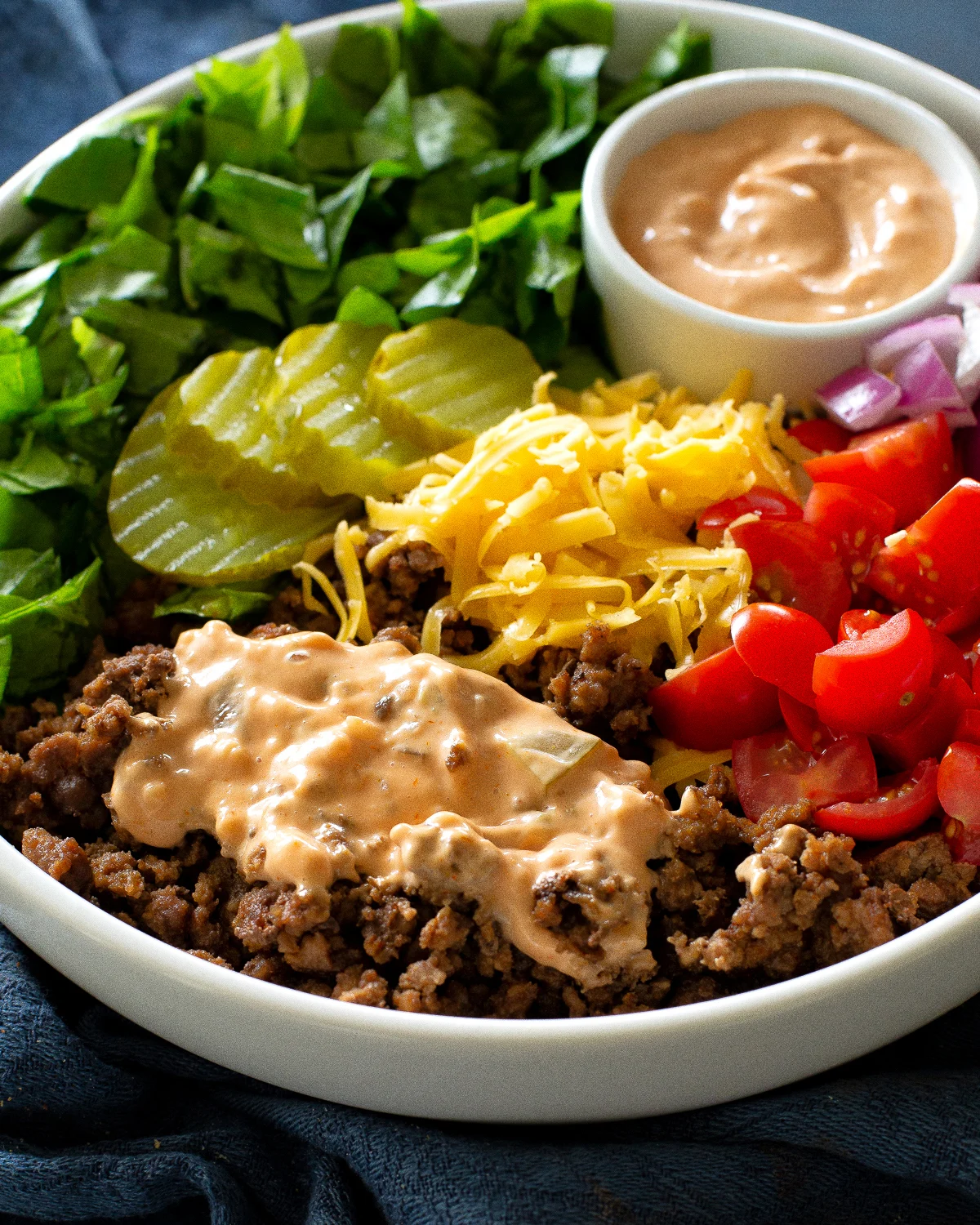
The culinary landscape is constantly evolving, with chefs and home cooks alike seeking to innovate and reinvent familiar dishes. One such innovation gaining traction is the "Burger Bowl," a concept that deconstructs the beloved cheeseburger, offering its core flavors and textures in a bun-less, customizable format. This article delves into the origins, components, and growing appeal of the Burger Bowl, exploring its potential as a versatile and satisfying meal option.
At its heart, the Burger Bowl is a testament to the enduring popularity of the classic American cheeseburger. This iconic dish, a staple of fast-food chains and backyard barbecues for decades, typically features a seasoned beef patty nestled within a soft bun, accompanied by toppings such as lettuce, tomato, onion, pickles, and cheese, all often unified by a signature burger sauce. The Burger Bowl takes these essential elements and presents them in a more flexible and potentially healthier presentation, removing the bun and allowing for a greater emphasis on fresh ingredients and diverse topping combinations.
The Genesis of the Burger Bowl
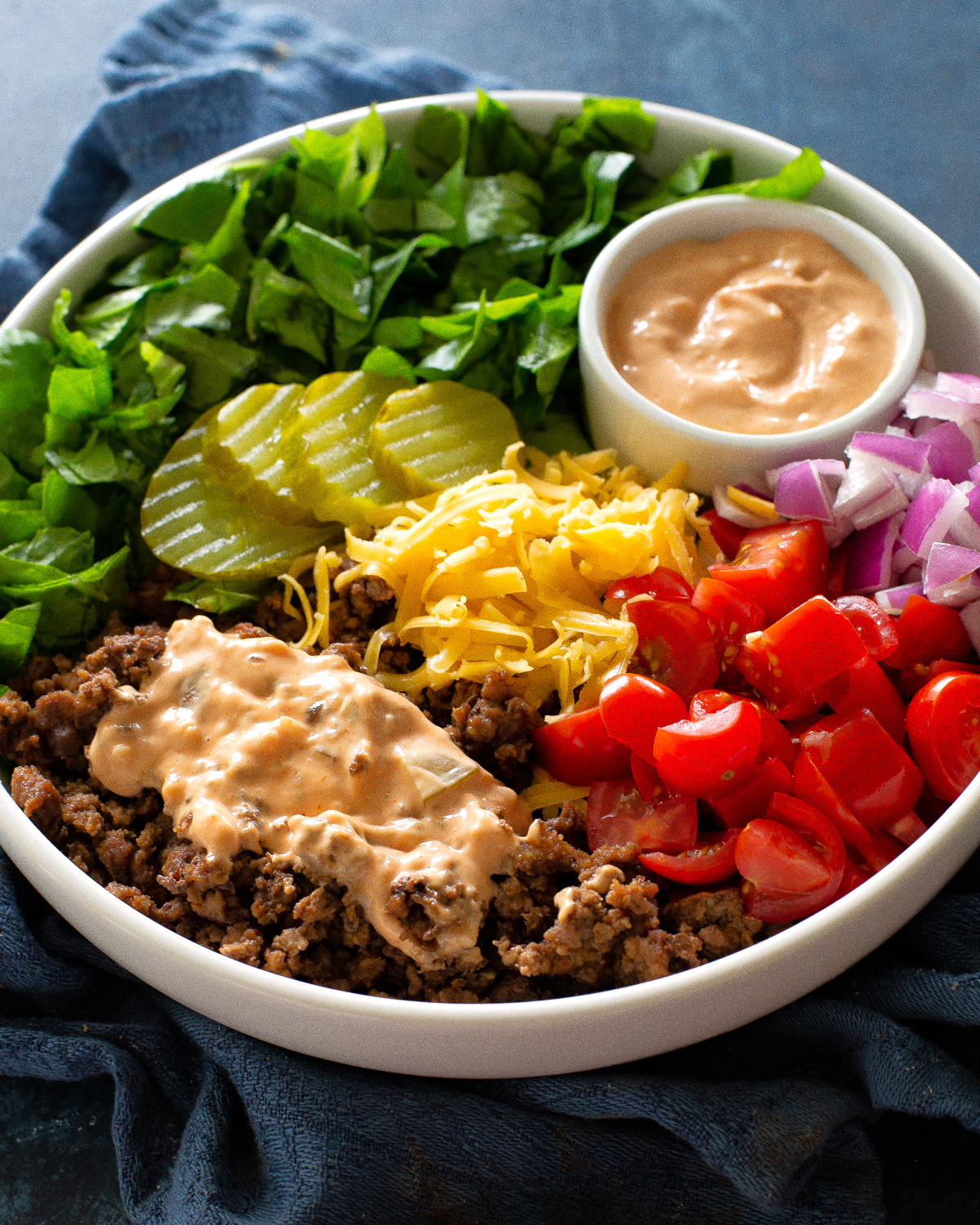
While the exact origin of the Burger Bowl is difficult to pinpoint to a single inventor or date, its rise in popularity can be attributed to several converging trends. The burgeoning low-carb and ketogenic diet movements, which often advocate for reduced or eliminated grain consumption, have spurred the creation of bun-less alternatives to traditional sandwiches and burgers. Furthermore, the increasing consumer demand for healthier, more customizable meal options has likely played a significant role. Home cooks and food bloggers, seeking to adapt popular dishes to these preferences, began experimenting with serving burger components in bowls, creating a dish that captures the essence of a burger without the carb-heavy bun.
The foundational element of the Burger Bowl, as with its traditional counterpart, is the seasoned ground beef. High-quality ground beef, typically ranging from 80/20 to 90/10 lean-to-fat ratio, is seasoned with a blend of salt, pepper, and often other spices like garlic powder and onion powder to enhance its savory flavor. The beef is then cooked to the desired doneness, whether pan-fried, grilled, or baked, to achieve a juicy and flavorful patty.
A Symphony of Flavors and Textures
What sets the Burger Bowl apart is its customizable nature and the emphasis on fresh, vibrant toppings. While the core components remain consistent, the versatility of this dish allows for endless variations. Typical toppings, mirroring those found on a traditional burger, include:
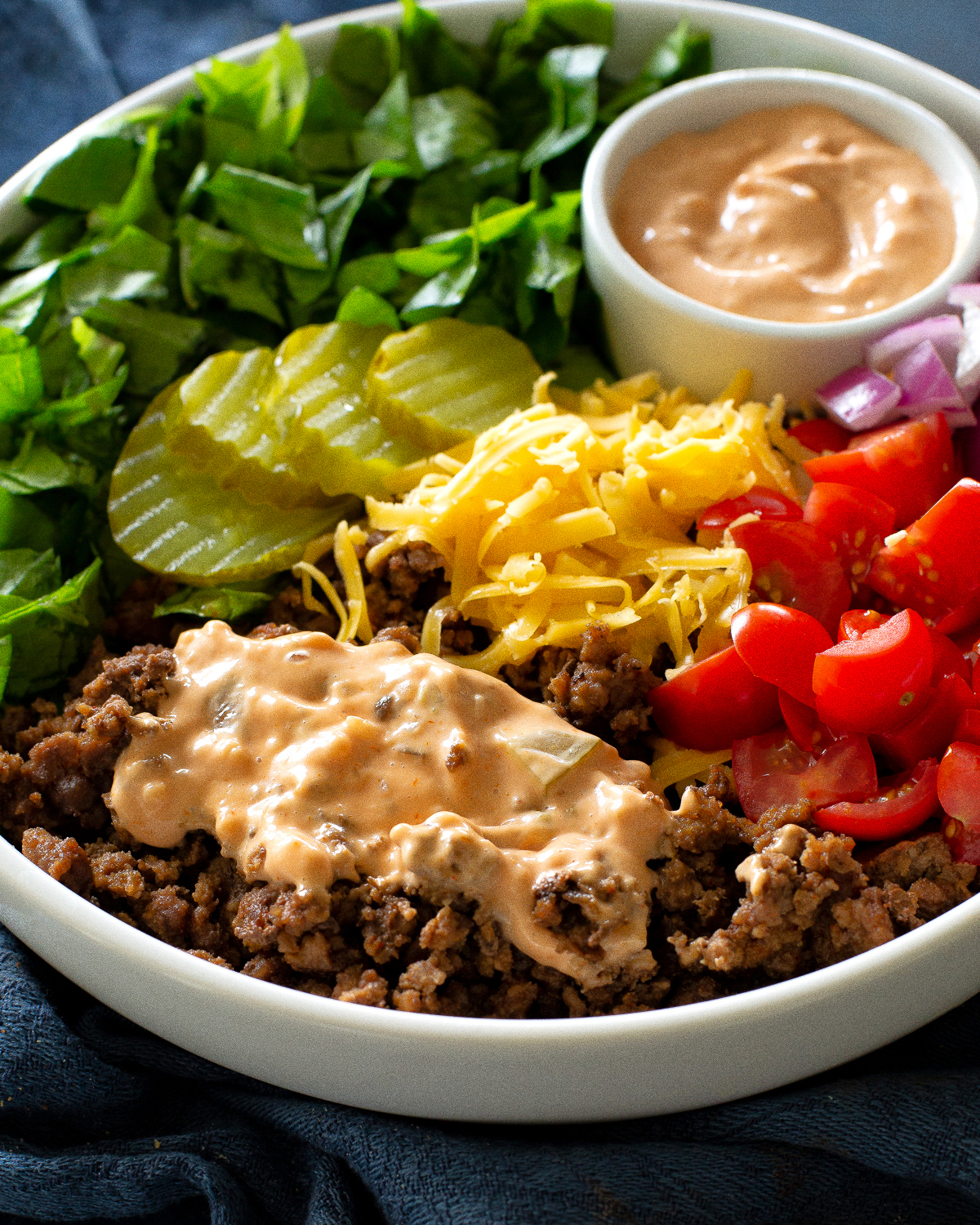
- Fresh Vegetables: Crisp shredded lettuce, ripe diced tomatoes, thinly sliced red onions, and crunchy dill pickles are staples that provide freshness, acidity, and a satisfying crunch.
- Cheese: Melted cheddar cheese is a classic choice, offering a creamy, savory element that binds the flavors together. Other cheeses like Monterey Jack, provolone, or even a sharp Swiss can also be incorporated.
- Burger Sauce: A crucial element that elevates the Burger Bowl to new heights is the "burger sauce." This often creamy, tangy sauce, typically a mayonnaise-based concoction blended with ketchup, mustard, relish, and sometimes a touch of vinegar or Worcestershire sauce, is what many associate with the distinctive taste of fast-food burgers. Replicating this sauce at home allows diners to achieve that familiar, comforting flavor profile.
Beyond these foundational toppings, the Burger Bowl opens the door to a wide array of additions, catering to diverse palates and dietary needs. These can include:
- Avocado: Sliced or mashed avocado adds a rich, creamy texture and healthy fats.
- Bacon: Crispy bacon bits introduce a salty, smoky, and crunchy dimension.
- Mushrooms: Sautéed mushrooms offer an earthy depth of flavor.
- Jalapeños: Sliced jalapeños provide a spicy kick for those who enjoy heat.
- Fried Onions or Crispy Shallots: These add an extra layer of crunch and caramelized sweetness.
- Other Vegetables: Roasted bell peppers, corn, or even a dollop of salsa can be incorporated for added flavor and color.
- Alternative Proteins: For those seeking to deviate from beef, the Burger Bowl can be adapted with ground turkey, chicken, or even plant-based patties, maintaining the same customizable topping structure.
Nutritional Considerations and Versatility
The nutritional profile of a Burger Bowl can vary significantly based on the chosen ingredients and portion sizes. However, by omitting the bun, individuals can potentially reduce their carbohydrate intake, making it an attractive option for those managing blood sugar levels or following specific dietary plans. The inclusion of lean ground beef provides a good source of protein, while the array of fresh vegetables contributes essential vitamins, minerals, and fiber. The accompanying nutritional information for a typical serving, as indicated by some recipe developers, often highlights a balanced macronutrient distribution, with estimates of calories, protein, carbohydrates, and fats. For instance, a serving might contain approximately 565 calories, 32 grams of protein, 14 grams of carbohydrates, and 42 grams of fat, with significant contributions of vitamins and minerals.
The inherent flexibility of the Burger Bowl makes it suitable for a wide range of occasions. It can be a quick and easy weeknight dinner, a customizable option for family meals where individual preferences can be easily accommodated, or even a healthy lunch choice. Its appeal also extends to gatherings and potlucks, where guests can assemble their own bowls from a variety of prepared toppings.
Broader Impact and Future Outlook
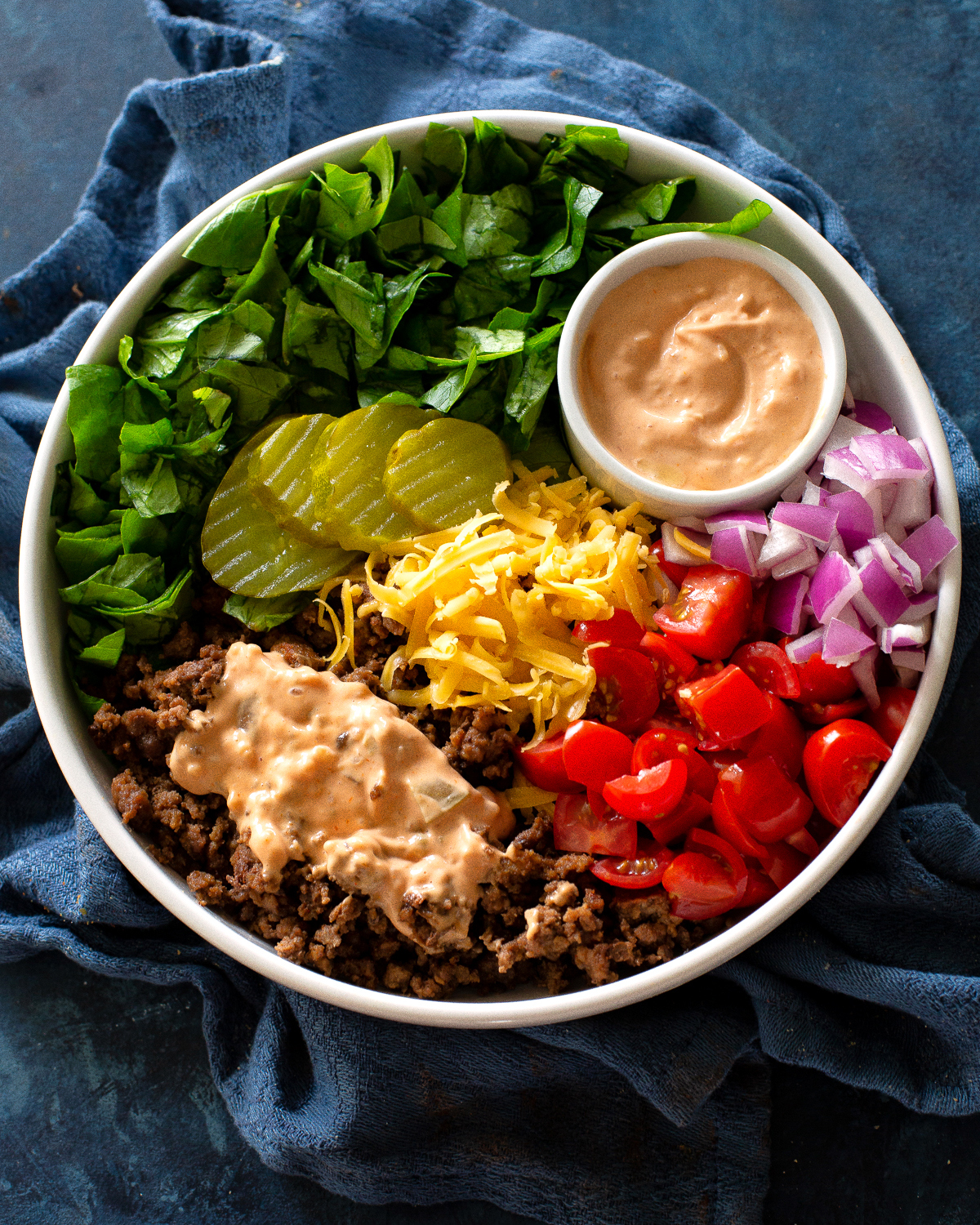
The rise of the Burger Bowl is indicative of a broader shift in how consumers approach their food. There is a growing appreciation for dishes that are not only delicious but also adaptable to personal dietary needs and preferences. This trend towards customization and ingredient-conscious eating suggests that concepts like the Burger Bowl are likely to remain popular.
Furthermore, the Burger Bowl exemplifies how familiar culinary concepts can be reimagined to meet contemporary demands. It demonstrates that innovation doesn’t always require inventing entirely new dishes but can also involve creatively reinterpreting and presenting beloved classics. As food culture continues to evolve, it is plausible that we will see further adaptations and variations of the Burger Bowl, solidifying its place as a significant and satisfying meal option in the modern culinary repertoire. The simplicity of its construction, combined with its inherent adaptability, positions the Burger Bowl as a dish with enduring appeal, likely to be enjoyed by a wide audience for years to come.
