
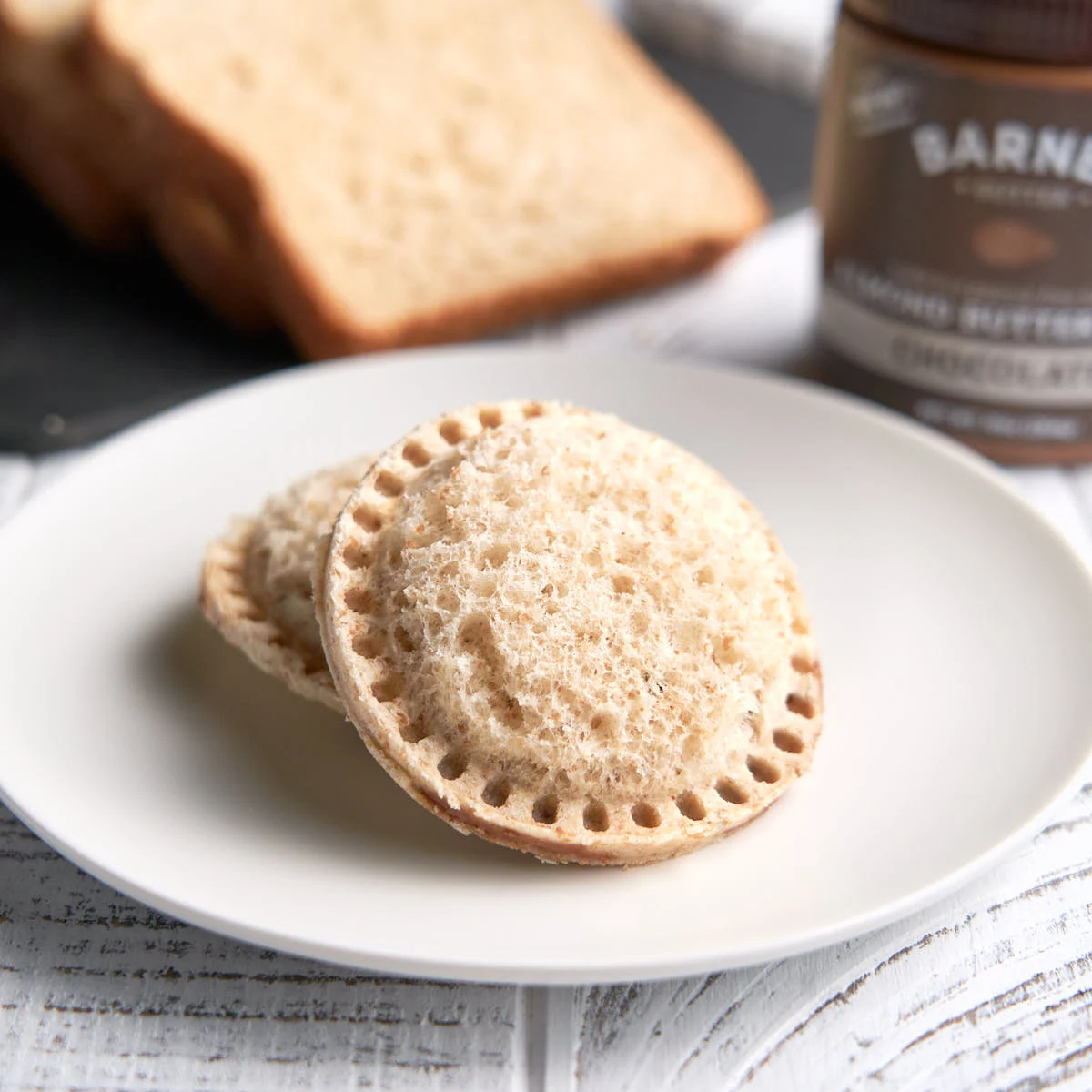
The humble sandwich, a staple in lunchboxes and quick meals, has been reimagined and elevated with the advent of the "uncrustable" maker. This innovative kitchen tool transforms ordinary bread and fillings into sealed, crustless pockets of deliciousness, and at the forefront of this culinary trend is the homemade chocolate uncrustable, a treat that has gained significant traction for its appeal to both children and adults. This article delves into the burgeoning popularity of homemade uncrustables, explores the key ingredients and tools for creating the perfect chocolate variant, and examines the broader implications of this DIY food trend.
The Rise of the Uncrustable Maker: A Kitchen Game-Changer
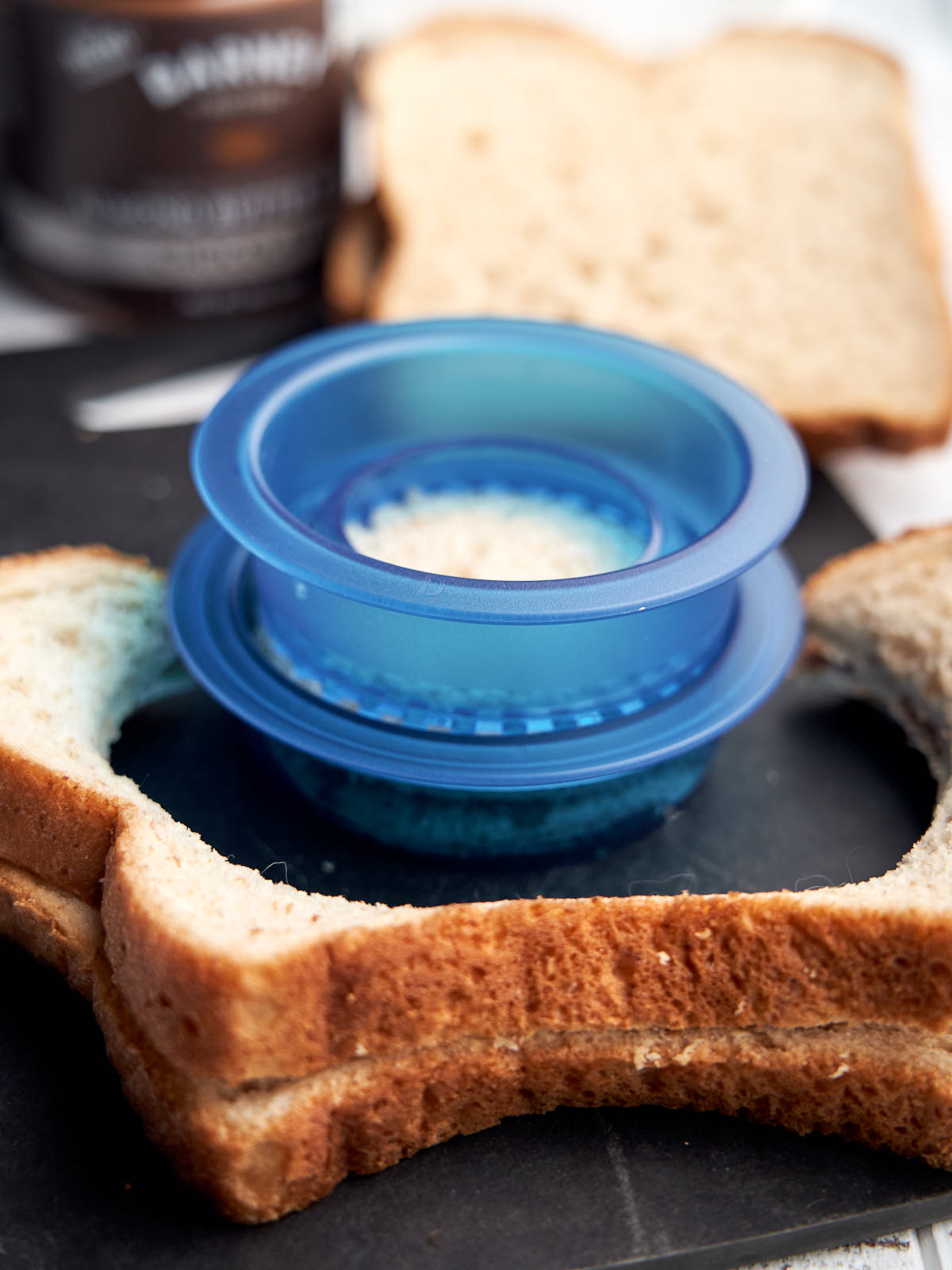
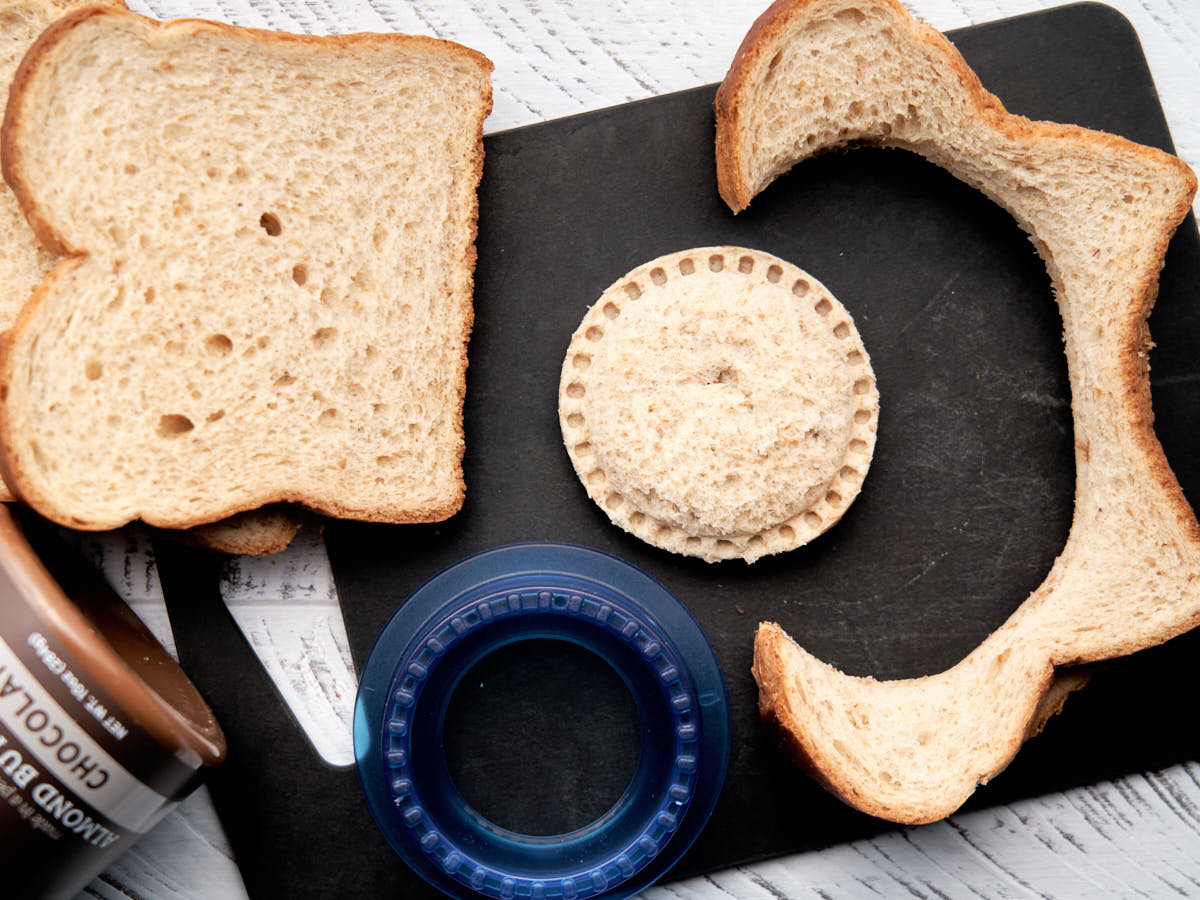
The uncrustable maker, a relatively simple yet ingenious kitchen gadget, has democratized the creation of pre-sealed sandwiches. Initially popularized by commercial brands like Smucker’s, the concept of a no-mess, perfectly sealed sandwich has now been embraced by home cooks eager to replicate the convenience and appeal of store-bought versions. The maker typically consists of two parts: a circular cutter that removes the crusts and a sealer that crimps the edges of the bread, effectively creating a pocket for the filling. This mechanism not only prevents spills but also transforms a standard sandwich into a more playful and appealing shape, often described as moon-like or round.

The appeal of the uncrustable maker extends beyond mere novelty. For parents, it offers a solution to the perennial challenge of picky eaters and messy meals. The sealed edges ensure that fillings, whether sweet or savory, remain securely contained, minimizing sticky fingers and wasted food. This practicality, combined with the fun aesthetic, has made the uncrustable maker a popular addition to home kitchens, particularly those with young children.
Crafting the Perfect Homemade Chocolate Uncrustable: Ingredient Selection and Techniques
The creation of a superior homemade chocolate uncrustable hinges on the quality of ingredients and a few key preparation techniques. While traditional store-bought uncrustables often feature a chocolate hazelnut spread, discerning home chefs are exploring alternative options that offer enhanced flavor profiles and nutritional benefits.
The Chocolate Spread: A Matter of Taste and Health

The choice of chocolate spread is paramount to the success of a homemade chocolate uncrustable. While Nutella, a popular chocolate hazelnut spread, serves as a baseline for replication, a growing movement advocates for healthier and more flavorful alternatives. Barney Butter’s Almond Butter with Chocolate has emerged as a frontrunner in this regard. This spread is lauded for its smooth texture, balanced sweetness, and a significantly lower sugar content compared to its mainstream counterparts. For instance, Barney Butter’s chocolate spread typically contains around 2 grams of added sugar per serving, a stark contrast to Nutella’s approximately 21 grams. This makes it an attractive option for those seeking a more wholesome breakfast or snack. The ease with which it spreads and its rich, yet not overpowering, chocolate flavor contribute to its suitability for uncrustables.
Bread Selection: The Foundation of a Flawless Sandwich
The type of bread used plays a crucial role in the overall success of a homemade uncrustable. For optimal results, a soft, pliable bread is recommended. Varieties like Wonder Bread or Nature’s Own Honey Wheat are often cited for their ability to withstand the cutting and sealing process without splitting or cracking. Conversely, whole wheat breads, while nutritionally sound, may have a texture that is less forgiving with the uncrustable maker, potentially leading to the sandwich breaking apart. The bread’s ability to hold its shape after being pressed is essential for maintaining the integrity of the sealed pocket.
Mastering the Technique: Minimizing Mess and Maximizing Flavor
Successful uncrustable creation involves more than just spreading and sealing. Strategic application of the filling is key to preventing overflow. It is advisable to avoid spreading the chocolate spread all the way to the edges of the bread. Instead, concentrating the filling in the center of the sandwich ensures that when the uncrustable maker is used, the spread does not ooze out onto the sealed edges. This simple yet effective technique not only maintains a clean appearance but also ensures that the full flavor of the filling is enjoyed with each bite.
The Uncrustable Maker: Choosing the Right Tool
The market offers a variety of uncrustable makers, each with its own design and features. For those seeking to replicate the classic look of store-bought uncrustables, it is important to select a maker that produces the signature crimped edge. Some models may feature a wavy edge, which, while functional, may not appeal to those aiming for authenticity. Research and reviews often highlight specific models that consistently deliver the desired aesthetic and functionality. The two-step process—cutting the crusts with the circular cutter and then sealing with the mold—is a straightforward operation that quickly becomes second nature with practice.
Broader Implications and Future Trends
The rise of the homemade uncrustable phenomenon reflects a broader trend towards home-based food preparation and a desire for greater control over ingredients. As consumers become more health-conscious and seek to reduce their reliance on processed foods, DIY versions of popular snacks and meals gain traction. This trend is further amplified by the accessibility of specialized kitchen tools that empower individuals to recreate familiar treats with a healthier or more personalized twist.
The ability to customize fillings, bread types, and even the level of sweetness allows for a highly adaptable culinary experience. This could lead to further innovation in the uncrustable space, with variations beyond chocolate, such as fruit preserves, nut butters, or even savory fillings. The educational aspect of teaching children to prepare their own food also contributes to the appeal of such kitchen activities.
The market for specialized kitchen gadgets that simplify complex or time-consuming food preparation is likely to continue to grow. As the demand for convenient yet wholesome food options persists, tools like the uncrustable maker will remain popular, fostering a culture of creative and accessible home cooking. The chocolate uncrustable, in its homemade iteration, stands as a testament to this evolving culinary landscape, offering a delightful blend of nostalgia, convenience, and nutritional consciousness.
