
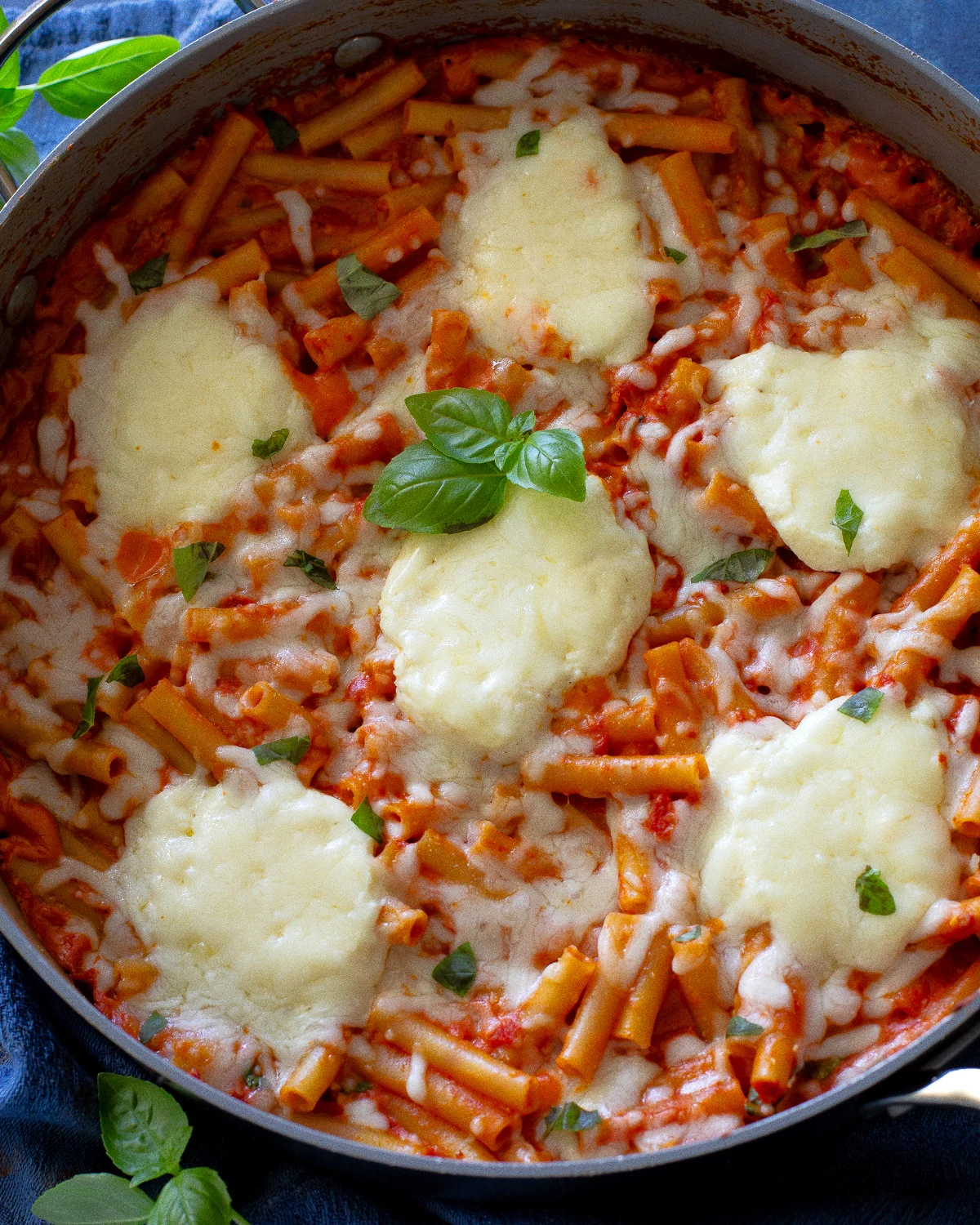
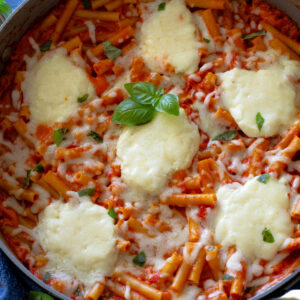
The culinary landscape is constantly evolving, with home cooks and professional chefs alike seeking efficiency and flavor in equal measure. In this pursuit, the "one-pan" cooking method has surged in popularity, offering a streamlined approach to meal preparation that minimizes cleanup and maximizes taste. A prime example of this trend is the emergence of the One-Pan Baked Ziti Skillet, a dish that promises a quick, Italian-inspired dinner with minimal effort. This innovative recipe combines traditional baked ziti elements—ziti pasta, crushed tomatoes, garlic, ricotta cheese, fresh basil, and Parmesan—into a single skillet, allowing for a complete meal to be prepared and served from one vessel.
The appeal of the One-Pan Baked Ziti Skillet lies in its inherent simplicity and speed. Proponents of this method highlight its ability to deliver a satisfying and authentic Italian flavor profile in under 20 minutes, a remarkable feat for a dish often associated with longer cooking times. The core of its design is the elimination of multiple pots and pans, a significant advantage for busy individuals and families. The recipe’s foundational ingredients – crushed tomatoes, aromatic garlic, tender ziti, creamy ricotta, fragrant basil, and sharp Parmesan cheese – are classic components of Italian comfort food, suggesting a familiar yet revitalized dining experience.
This one-pan approach is particularly timely as warmer weather approaches, often leading to a desire to avoid the heat of a conventional oven. While the traditional baked ziti often relies on oven heat to achieve a desirable browned and toasty top, the one-pan method offers flexibility. For those seeking a truly oven-free experience, the suggestion is to simply cover the skillet with a lid during the final stages of cooking to melt the cheese. This alternative, however, may result in a less intensely browned crust, a trade-off that many find acceptable given the overall convenience.
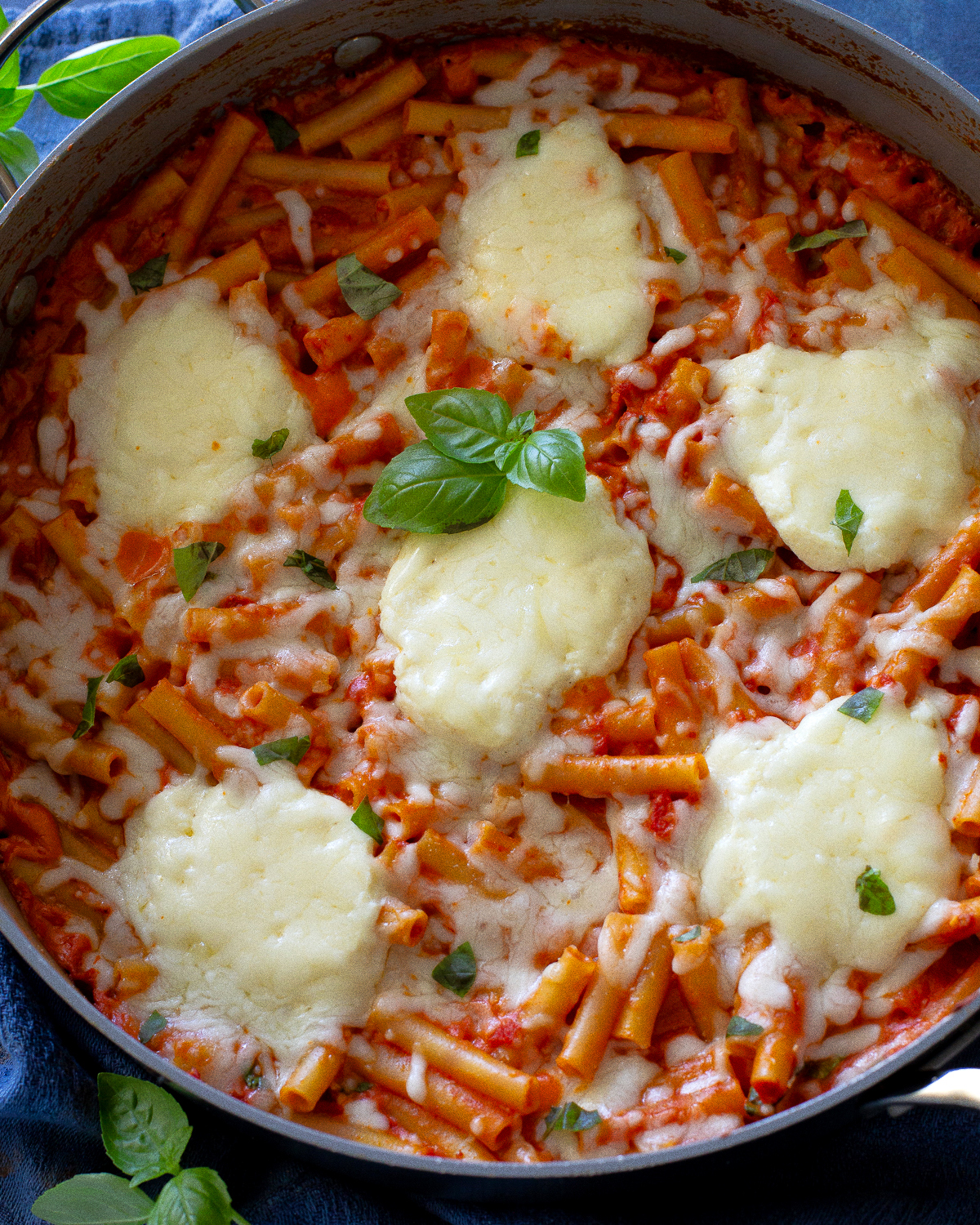
The development of such simplified recipes reflects a broader shift in consumer preferences towards convenience-driven culinary solutions. As reported by the USDA, the average American household spends a significant portion of their food budget on dining out and takeout, partly driven by a lack of time for home cooking. Recipes like the One-Pan Baked Ziti Skillet directly address this challenge by making home-prepared meals more accessible and less time-consuming. The National Pasta Association also notes the enduring popularity of pasta dishes, with ziti being a perennial favorite, underscoring the inherent appeal of a dish that reimagines this beloved staple.
The creation of the One-Pan Baked Ziti Skillet, as detailed by its proponents, emphasizes the sensory experience of cooking. The aroma of garlic, basil, and simmering tomato sauce is described as "unreal," contributing to the overall anticipation and enjoyment of the meal. The addition of ricotta is credited with providing a "light and creamy finish," a textural contrast that elevates the dish beyond a simple pasta and sauce combination. This attention to sensory detail is a hallmark of effective recipe development, aiming to evoke a feeling of authentic Italian cooking with "hardly any work." The result, according to those who have prepared it, is a dish that quickly becomes a household favorite.
Recipe Genesis and Culinary Philosophy
The philosophy behind the One-Pan Baked Ziti Skillet is rooted in the principle of maximizing flavor and minimizing complexity. This approach is not entirely new; the concept of "one-pot" or "one-skillet" meals has been a staple in home kitchens for generations, often born out of necessity or a desire for easy cleanup. However, the modern iteration of this concept often involves a more refined approach to ingredient selection and cooking techniques to ensure that convenience does not come at the expense of taste.
The recipe’s creator, identified as Christy Denney, a culinary enthusiast and blogger, has positioned this dish as a solution for weeknight dinners and busy schedules. Her personal anecdote about accidentally burning her hand on the skillet handle underscores the immediacy and heat involved in the cooking process, while also affirming her belief in the dish’s worth. This personal touch, while anecdotal, adds a layer of authenticity and relatability to the recipe’s presentation.
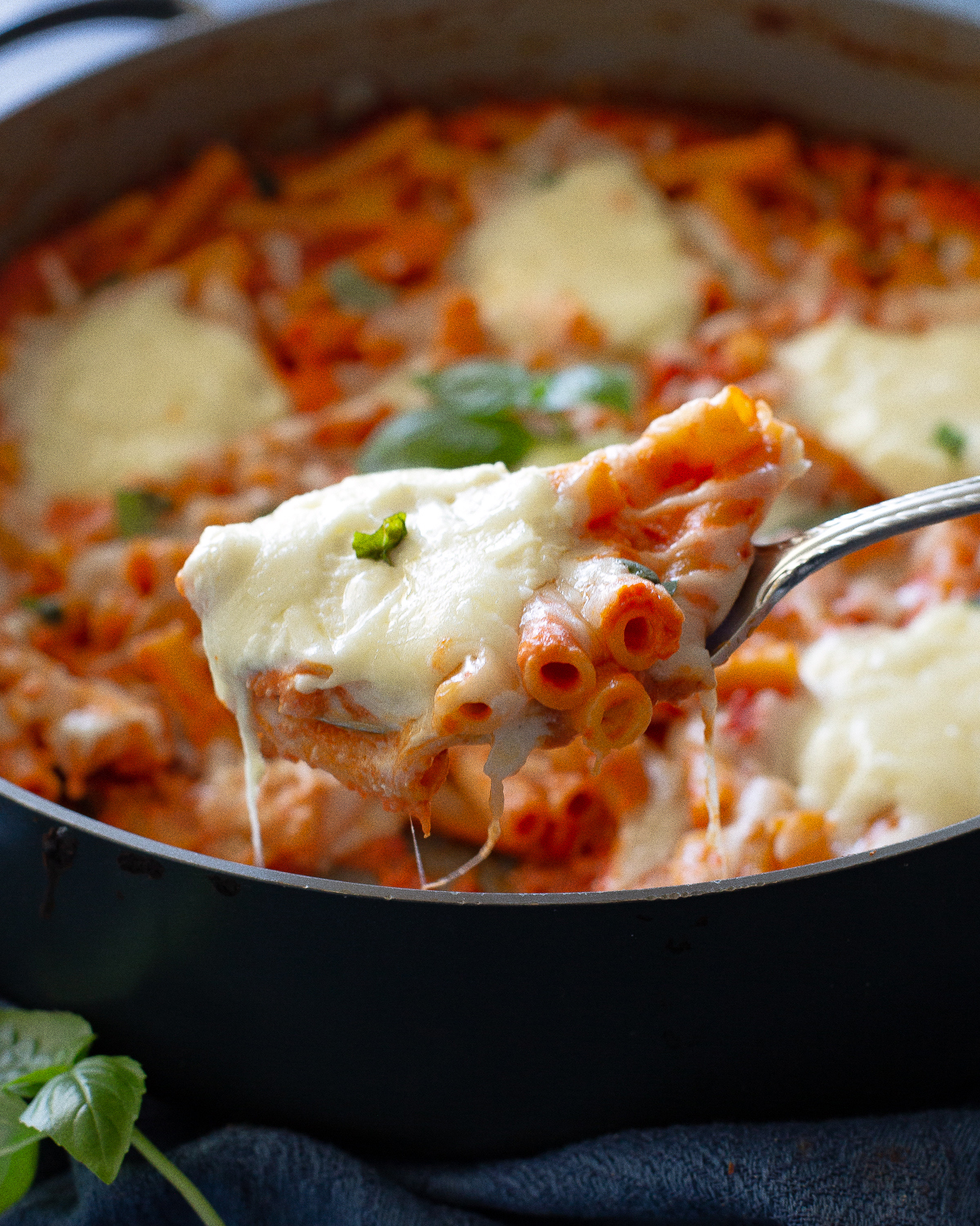
The flexibility of using either a pre-made jar of marinara sauce or a homemade sauce further enhances the recipe’s adaptability. This choice allows individuals to tailor the dish to their preferred level of effort and flavor complexity. For those with more time or a specific flavor profile in mind, a from-scratch sauce can be prepared. Conversely, a good quality jarred marinara can significantly reduce preparation time without sacrificing the core essence of the dish. This duality in ingredient options reflects a growing trend in the food industry towards accommodating diverse consumer needs and skill levels.
The Rise of One-Pan Cooking
The popularity of one-pan meals can be traced to several converging factors in modern society. Firstly, the increasing demand for convenience in all aspects of life, including food preparation, has made these methods highly attractive. Busy work schedules, the rise of dual-income households, and a general desire to spend less time on chores all contribute to the appeal of dishes that require minimal cleanup.
Secondly, advancements in cookware technology have played a role. The development of high-quality, oven-safe skillets, Dutch ovens, and baking sheets designed for one-pan cooking has made these techniques more accessible and effective. These tools are engineered to distribute heat evenly, allowing for consistent cooking of multiple ingredients simultaneously.
Thirdly, the influence of social media and food blogs has been instrumental in popularizing one-pan recipes. Platforms like Instagram, Pinterest, and TikTok are saturated with visually appealing and easily shareable content showcasing the simplicity and deliciousness of these dishes. This visual promotion has created a strong trend, encouraging more home cooks to experiment with one-pan cooking. Statistics from culinary websites consistently show a high search volume for "one-pan meals," "easy dinners," and "quick recipes," indicating a sustained consumer interest.
Nutritional Considerations and Potential Enhancements
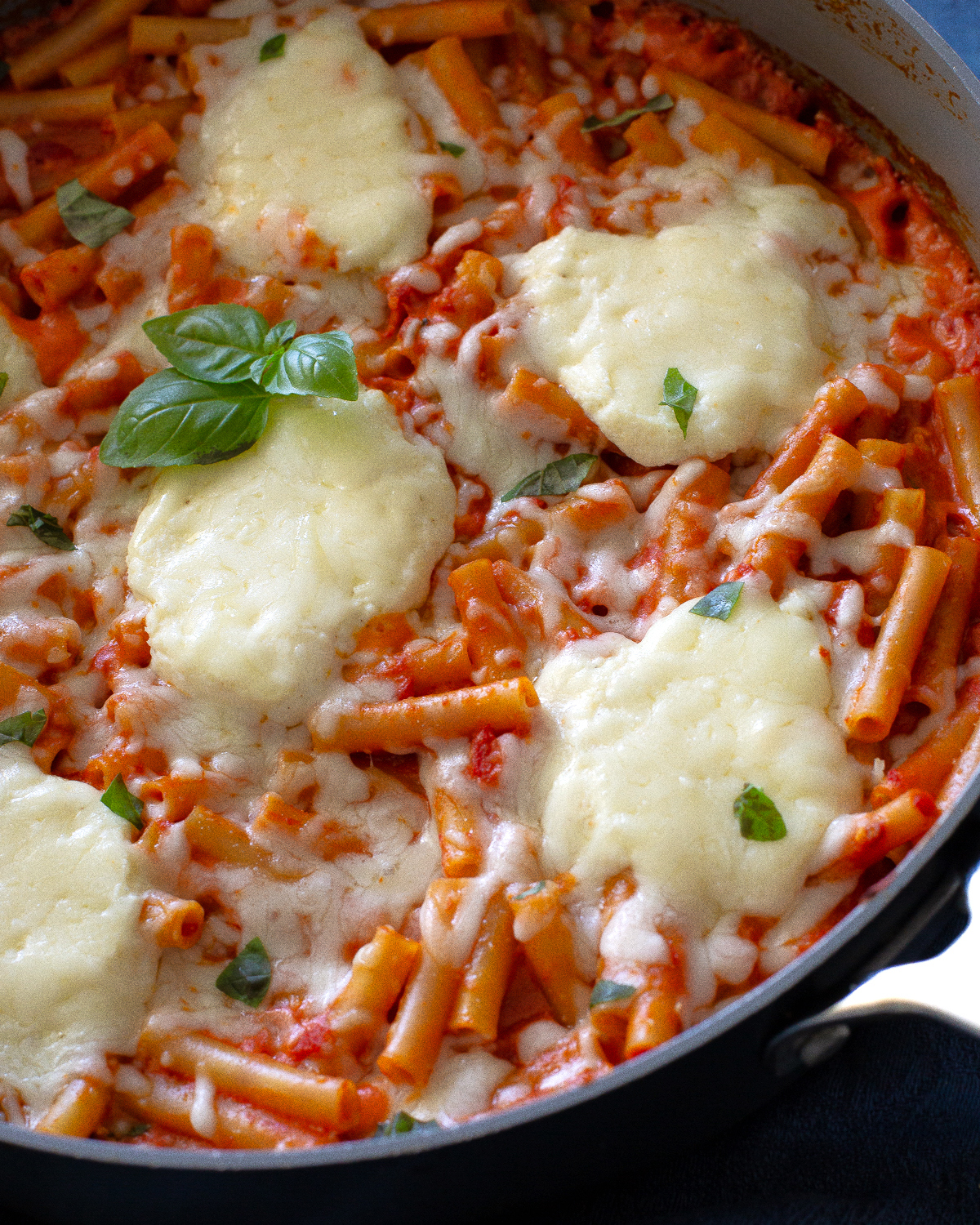
While the One-Pan Baked Ziti Skillet is lauded for its convenience and taste, a brief consideration of its nutritional profile and potential enhancements is warranted. The dish, as described, is rich in carbohydrates from the ziti and fats from the cheese. It provides protein from the ricotta and Parmesan, and vitamins and fiber from the tomatoes and basil.
For individuals seeking to boost the nutritional content, several modifications could be considered. Incorporating lean ground turkey or chicken into the sauce would add additional protein and reduce saturated fat compared to ground beef. The inclusion of a variety of vegetables, such as spinach, mushrooms, bell peppers, or zucchini, could significantly increase the fiber and micronutrient content. These vegetables can be sautéed along with the garlic in the initial stages of cooking, absorbing the flavors and adding texture.
Furthermore, while whole wheat ziti is an option, the recipe as presented likely uses conventional pasta. Opting for whole wheat or legume-based pasta alternatives could increase fiber and protein content, contributing to a more balanced macronutrient profile. The use of low-sodium crushed tomatoes and reduced-fat ricotta could also be considered for health-conscious individuals, although this might subtly alter the final flavor and texture.
The inherent simplicity of the recipe also allows for creative variations. For instance, adding a pinch of red pepper flakes can introduce a gentle heat, while a splash of red wine to the tomato sauce can deepen its complexity. Some variations might also explore the use of different cheeses, such as mozzarella for meltiness or a touch of Pecorino Romano for added sharpness, alongside the Parmesan.
Broader Impact on Home Cooking Trends
The success and popularity of recipes like the One-Pan Baked Ziti Skillet signal a significant shift in home cooking habits. The emphasis is no longer solely on elaborate, multi-step preparations but also on achieving delicious results with efficiency and minimal fuss. This trend is likely to continue as consumers increasingly value their time and seek practical solutions for feeding themselves and their families.
The proliferation of such recipes also democratizes cooking, making it more accessible to individuals who may lack extensive culinary experience or confidence. By breaking down complex dishes into simpler, one-pan formats, these recipes empower more people to enjoy homemade meals. This can have a positive impact on overall household well-being, potentially leading to healthier eating habits and increased family engagement around mealtime.
Moreover, the environmental impact of reduced dishwashing and fewer cooking utensils also aligns with a growing consumer consciousness regarding sustainability. While seemingly a minor point, the cumulative effect of widespread adoption of one-pan cooking methods can contribute to a more resource-efficient approach to food preparation. As the culinary world continues to innovate, the one-pan method, exemplified by dishes like the One-Pan Baked Ziti Skillet, stands as a testament to the enduring pursuit of delicious, convenient, and accessible home-cooked meals.
