
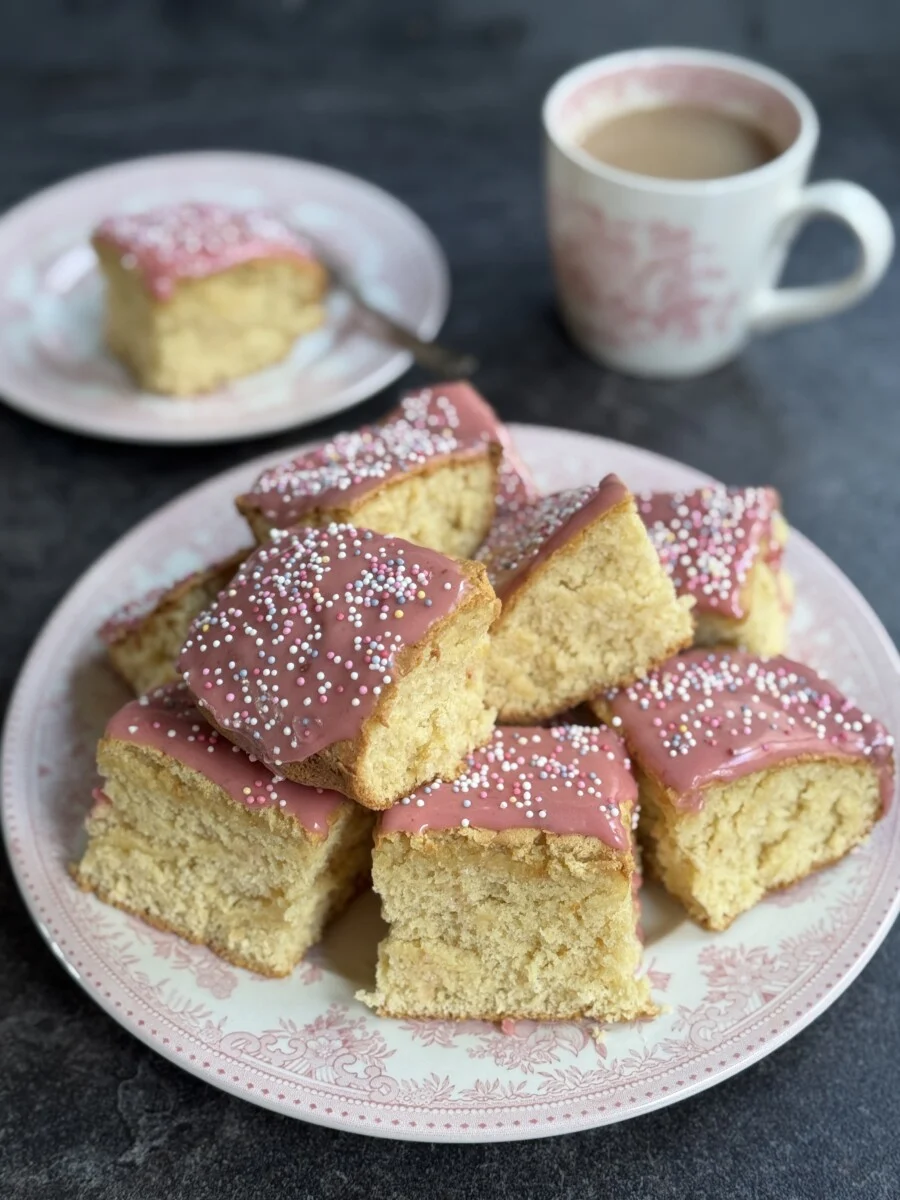
The culinary landscape recently welcomed a standout creation, the Malted Milk Chocolate Cake, crafted and shared by acclaimed food writer Karen Burns-Booth of Lavender & Lovage. Unveiled on April 18, 2026, this exquisite dessert, distinguished by its use of buttermilk, Maltesers, and Chocolate Ovaltine, quickly established itself as a centerpiece for celebratory tea times, particularly during the recent Easter and ongoing Spring festivities. Its rich profile and elegant presentation have positioned it as a compelling adaptation of a classic flavor combination, resonating with both seasoned bakers and dessert enthusiasts alike.

The Genesis of a Culinary Creation

The inspiration for this now-celebrated cake originated from a recipe featured in the March 2026 edition of Ocado Life magazine. The original "Chocolate Malt Cake," conceptualized by renowned star baker and food writer Edd Kimber, was described as a delectable creation that expertly translated the beloved, moreish qualities of Maltesers into a "sliceable, celebratory, and deeply satisfying" form. Karen Burns-Booth, known for her discerning palate and skill in developing accessible yet sophisticated recipes, encountered Kimber’s formulation and was immediately drawn to its potential. Her particular interest stemmed from the inclusion of Ovaltine and Maltesers, two ingredients she publicly expressed a strong affection for, alongside the universal appeal of chocolate.

The timing of her discovery aligned perfectly with the preparations for Easter and the broader Spring season, periods traditionally associated with family gatherings and elaborate tea time spreads. This provided an ideal context for her to experiment with and refine the recipe, aiming to create a version that would not only honour the original concept but also carry her signature touch of culinary excellence and practical refinement.

Key Ingredients: A Symphony of Malt and Chocolate

The Malted Milk Chocolate Cake is built upon a foundation of thoughtfully selected ingredients, each contributing to its unique character. At its heart lies the distinct flavor of malt, primarily delivered through Ovaltine. Malted milk, a product with a history dating back to the late 19th century, has long been cherished for its unique, slightly toasted, and subtly sweet notes. Ovaltine, in particular, carries a nostalgic charm for many, often associated with comforting beverages. Burns-Booth’s decision to incorporate Chocolate Ovaltine, and to significantly increase its quantity from the original 30 grams to 75 grams, was a deliberate move to intensify this malt-chocolate fusion, ensuring a more pronounced and harmonious flavor profile in the final cake. This adjustment underscores a common trend in modern baking: enhancing core flavors to meet evolving consumer preferences for bolder tastes.

Chocolate, the other dominant flavor, plays a multifaceted role. Beyond the chocolate notes in the Ovaltine, the cake features a luscious chocolate ganache. Ganache, a versatile culinary staple made from chocolate and cream, provides both a rich, decadent frosting and a critical structural element for the cake. Its smooth, melt-in-the-mouth texture complements the cake’s tender crumb, creating a luxurious mouthfeel. The use of buttermilk in the cake batter is another strategic choice. Buttermilk, a slightly acidic dairy product, reacts with baking soda to produce a tender crumb and a subtle tang that balances the sweetness of the chocolate and malt, adding depth and moisture that is often elusive in simpler cake recipes.

Finally, Maltesers, the crunchy, malted milk chocolate spheres, serve as both an integral flavor component and a key decorative element. Their distinctive crisp texture provides a delightful contrast to the soft cake and smooth ganache, adding an unexpected textural dimension that elevates the overall eating experience. The inclusion of such popular confectionery items directly into baked goods reflects a broader trend in home baking, where familiar treats are re-imagined and integrated into more complex desserts.

The Art of Adaptation: Karen Burns-Booth’s Refinements

Karen Burns-Booth approached the Ocado Life recipe not as a strict directive but as a foundation for culinary exploration. Her primary modifications centered on two key ingredients: sugar and Ovaltine. The original recipe specified 265 grams of caster sugar, a quantity Burns-Booth deemed potentially excessive for her palate and that of her family. In an era where many consumers are increasingly mindful of sugar intake, this reduction aligns with contemporary dietary preferences without compromising flavor.

Simultaneously, she significantly increased the amount of Ovaltine, from 30 grams to 75 grams, and opted for Chocolate Ovaltine over its traditional counterpart, citing its availability in her pantry. This adjustment was not merely opportunistic; it served to amplify the malt and chocolate notes, which she identified as core attractions of the recipe. The increased Ovaltine contributes a richer, more complex malt flavor, while the chocolate variant deepens the overall cocoa intensity, creating a more integrated and robust taste profile.

Burns-Booth’s assessment of her "tweaks" was unequivocally positive. She observed that her modifications "worked a treat" and that the cake, even with reduced sugar in the batter, was "more than sweet enough" due to the generous application of chocolate ganache. This demonstrates a nuanced understanding of flavor balance, where the sweetness from one component (the ganache) can compensate for a reduction in another (the cake batter), resulting in a perfectly harmonious dessert. Such adaptations highlight the creative freedom and expertise often employed by experienced culinary writers in personalizing and enhancing published recipes.

A Centerpiece for Festive Gatherings: Easter and Beyond

The Malted Milk Chocolate Cake quickly became a highlight of Burns-Booth’s family Easter celebrations in 2026. Served alongside "many tea trays" and "high teas," it epitomized the spirit of convivial gatherings and shared indulgence. The cake’s status as a "showstopper" is not merely anecdotal; its visual appeal, enhanced by a generous coating of chocolate ganache and a playful scattering of Maltesers, naturally draws attention. For the Easter occasion, Burns-Booth adorned the cake with Malteser Bunnies, adding a thematic touch that delighted guests.

The versatility of this cake extends far beyond a single holiday. Burns-Booth herself noted that while the Malteser Bunnies were perfect for Easter, they could be omitted for year-round enjoyment or replaced with other festive decorations. She suggested "reindeer for Christmas," "chocolate animals" for other children’s parties, or sophisticated "chocolate truffles" for adult-oriented celebrations. This adaptability ensures the cake’s relevance across various special occasions, making it a perennial favorite for birthdays, anniversaries, or simply as an elevated treat for weekend gatherings. The tradition of the "tea tray" or "high tea," deeply embedded in British culinary culture, provides a perfect setting for such an elegant yet comforting cake, reinforcing its role in creating memorable social experiences.

Nutritional Profile and Consumer Considerations

For those mindful of nutritional intake, the Malted Milk Chocolate Cake, while a celebratory indulgence, offers a transparent nutritional breakdown. Per serving, based on 14 servings per cake, the figures are as follows:

- Calories: 421
- Total Fat: 22g
- Saturated Fat: 13g
- Unsaturated Fat: 10g
- Cholesterol: 76mg
- Sodium: 228mg
- Carbohydrates: 49g
- Fiber: 2g
- Sugar: 29g
- Protein: 6g
These values reflect a rich dessert, typical of a cake featuring chocolate, butter, and eggs. The moderate protein content, likely from the eggs and dairy, contributes to satiety, while the fiber content, though modest, adds a slight dietary benefit. The sugar content, even after Burns-Booth’s reduction, remains characteristic of a sweet treat, emphasizing its role as an occasional indulgence rather than an everyday staple. Consumers are advised that while delicious, celebratory cakes like this are best enjoyed in moderation within a balanced diet. Furthermore, Burns-Booth provides a practical note on storage: the cake remains fresh for 3-4 days when chilled, though the Maltesers, being hygroscopic, may soften slightly after the first day, a minor textural change that does not diminish the cake’s overall appeal.

The Broader Landscape of Modern Baking

The journey of the Malted Milk Chocolate Cake from an Ocado Life feature to a refined recipe on Lavender & Lovage illustrates several contemporary trends in the culinary world. The proliferation of online food blogs and social media platforms has democratized recipe sharing, allowing home bakers like Karen Burns-Booth to not only discover recipes but also to adapt, personalize, and widely disseminate their enhanced versions. This iterative process fosters culinary creativity and provides a dynamic exchange of ideas among a global community of food enthusiasts.

The enduring appeal of nostalgic flavors, such as malt, coupled with the timeless popularity of chocolate, ensures that cakes like this resonate across generations. Food writers and bloggers play a crucial role in reinterpreting these classic tastes for a modern audience, often by incorporating convenience items (like Maltesers) or making subtle nutritional adjustments (like sugar reduction). This approach balances tradition with innovation, catering to evolving tastes and lifestyles.

Moreover, the emphasis on presentation, as evidenced by the high-quality photographs accompanying Burns-Booth’s article, highlights the increasing importance of visual appeal in food culture. A "showstopper" cake is not just about taste; it is about the entire sensory experience, from its initial visual impact to its complex flavors and textures. This trend is amplified by platforms like Pinterest, where visually striking recipes gain significant traction, inspiring countless home bakers to recreate and share their own versions.

Conclusion

Karen Burns-Booth’s Malted Milk Chocolate Cake stands as a testament to the power of culinary inspiration and skillful adaptation. By taking Edd Kimber’s original concept and infusing it with her own expertise and preferences, she has created a dessert that is both deeply satisfying and aesthetically pleasing. Its blend of classic malt, rich chocolate, and delightful textures makes it an ideal choice for any festive occasion, particularly well-suited for the convivial spirit of Easter and Spring tea gatherings. As baking continues to evolve, the Malted Milk Chocolate Cake serves as a prime example of how traditional flavors can be revitalized and celebrated, offering a delicious experience that is sure to leave a lasting impression on all who partake.
